

There’s a reason browned butter and mizithra cheese have been a staple of Greek home cooking for centuries: this no-fuss pairing delivers rich, nutty, tangy flavor that feels far more elevated than its simple ingredient list suggests. Unlike complex sauces that require hours of simmering, this combo comes together in 10 minutes or less, making it ideal for busy weeknights, last-minute dinner parties, or even a quick upgrade to plain pasta or roasted vegetables. In this guide, we’ll break down exactly what makes these two ingredients such a perfect match, how to make browned butter without burning it, how to select the right mizithra for your dish, and foolproof recipes to try at home. Let’s dive into this irresistible flavor combination.
Browned Butter 101: What It Is And How To Make It Perfectly
Browned butter, known as beurre noisette (French for "hazelnut butter"), is a simple transformed ingredient made by cooking unsalted butter until the milk solids caramelize and the water content evaporates. Unlike melted butter, which is just liquefied fat with no flavor change, browned butter has a deep, nutty, toasty aroma and a richer, more complex flavor that works in both sweet and savory dishes. It’s a staple in French and Mediterranean cooking, and the base for countless pasta sauces, baked goods, and vegetable dressings. For consistent, safe results, opt for USDA-grade unsalted butter, which has strict quality standards for flavor and purity; you can reference official USDA dairy guidance for best practices on storing and using butter safely. For more on this, see our guide on how to cut round cheese for charcuterie board.
Step-By-Step Browned Butter Recipe
This process takes just 3-5 minutes, and requires only two ingredients: unsalted butter and a light-colored heavy-bottomed pan (stainless steel or enameled cast iron works best, so you can clearly see the butter’s color change as it cooks).
- Start with 1 stick (113g) of unsalted butter, cut into 1-inch cubes for even melting.
- Melt the butter over medium-low heat, stirring occasionally to ensure even heating. As it melts, it will foam and bubble as the water content evaporates – this is normal, don’t stir too vigorously or you’ll splash hot butter.
- Once the foaming subsides (after 2-3 minutes), you’ll start to see specks of golden brown milk solids forming at the bottom of the pan. The butter will turn a translucent golden color, and you’ll smell a warm, nutty, toasty aroma.
- Immediately remove the pan from the heat, and pour the browned butter into a heat-safe bowl to stop the cooking process. If left in the hot pan, the residual heat will continue to cook the milk solids, leading to a bitter, burnt taste.
Common Browned Butter Mistakes To Avoid
A common mistake home cooks make is turning the heat up too high when browning butter, which burns the milk solids before the nutty flavor can develop, resulting in a bitter, acrid taste. Stick to medium-low heat for full control. Another error is using a dark-colored pan, which makes it impossible to see the butter’s color change, so you’re likely to burn it before you notice. Finally, forget to scrape the bottom of the pan occasionally, as stuck milk solids will burn quickly and ruin the batch. Once you’ve poured your finished browned butter into a heat-safe bowl, you’ll need to clean the pan promptly, as the caramelized milk solids can stick stubbornly to cookware; a heavy-duty cleaning tool designed for kitchen use will cut through that residue without scratching your pans. For more on this, see our guide on how to cut brie cheese for charcuterie board.
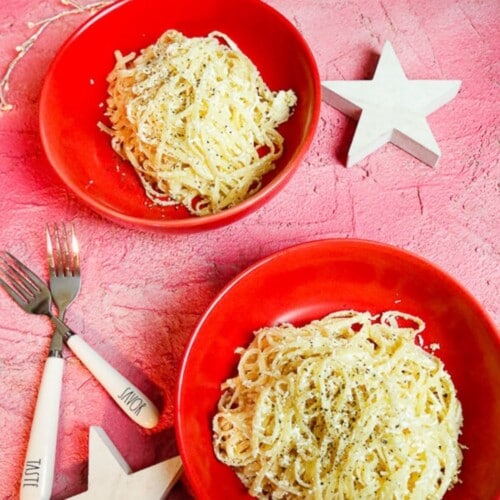 Freshly made browned butter and mizithra pasta, garnished with black pepper and fresh herbs
Mizithra Cheese: A Tangy Greek Staple
Mizithra is a traditional Greek cheese made from sheep’s milk, goat’s milk, or a blend of the two, with a history dating back thousands of years to the mountainous regions of Crete and mainland Greece. It’s a versatile cheese that comes in two primary varieties: fresh (soft, creamy, and mild) and aged (hard, crumbly, and sharp), each with distinct uses in cooking. When paired with browned butter, aged mizithra’s sharp, tangy flavor cuts through the butter’s richness to create a perfectly balanced, savory dish.
Types Of Mizithra And Their Best Uses
- Fresh Mizithra: Soft, spreadable, and mildly tangy with a subtle milky sweetness. It’s traditionally served as a table cheese with honey and fruit, or used as a filling for pastries and pies. It doesn’t melt well, so it’s not ideal for hot dishes.
- Aged Mizithra: Dried, hard, and crumbly, with a sharp, salty, slightly nutty flavor that intensifies the longer it ages. It’s the variety most commonly used in pasta dishes, as it grates easily and melts slightly when heated, creating a rich, savory sauce when tossed with browned butter. Most grocery stores stock aged mizithra in the specialty cheese section, though you can sometimes find it at Mediterranean markets.
- Dry Mizithra: Very firm and strongly flavored, often used as a seasoning cheese sprinkled over finished dishes for an extra burst of tang.
How To Select And Store Mizithra
When shopping for aged mizithra for pasta dishes, look for wheels that are firm, dry, and free of mold or soft spots. Avoid pre-grated mizithra, as it often contains anti-caking agents that dull its flavor and texture. Fresh mizithra should be sold in airtight packaging, with a clean, milky scent and no sour or ammonia-like odors. Store fresh mizithra in an airtight container in the refrigerator for up to 1 week, and aged mizithra for up to 3 weeks. For longer storage, both varieties can be frozen for up to 3 months; just be sure to wrap them tightly in plastic wrap and place them in a sealed freezer bag to prevent freezer burn. For the best texture when grating aged mizithra, you’ll want to use a firm, dry wheel, and prepping round cheese varieties correctly ensures even shreds that melt seamlessly into hot dishes. For more on this, see our guide on how to cut goat cheese for charcuterie board.
Why Browned Butter And Mizithra Cheese Pair So Well
The magic of this pairing comes from the contrast and complement of their flavor and texture profiles. Browned butter has a rich, nutty, slightly sweet, umami-forward flavor from the caramelized milk solids, while aged mizithra has a sharp, tangy, salty, slightly earthy flavor. The nuttiness of the butter amplifies the natural nutty notes in the aged mizithra, while the cheese’s saltiness cuts through the richness of the butter, preventing the dish from feeling heavy or one-note. The creamy, velvety texture of the browned butter also contrasts beautifully with the crumbly, slightly granular texture of the grated mizithra, creating a multi-dimensional mouthfeel that keeps every bite interesting.
The Science Behind The Flavor Balance
This pairing works because of core flavor pairing principles: ingredients that share key aroma compounds taste better together. Browned butter contains compounds like diacetyl and pyrazines, which give it its nutty, toasty aroma, and aged mizithra develops similar nutty, toasty notes as it ages, creating a harmonious, cohesive flavor profile. The tanginess of the mizithra also balances the high fat content of the browned butter, creating a mouthfeel that’s rich but not greasy. For more on this, see our guide on best cheese cutting tools.
Common Pairing Mistakes To Avoid
- Using fresh mizithra for hot dishes: Fresh mizithra doesn’t melt well and will turn grainy when heated, clumping instead of coating the pasta. Always use aged mizithra for warm dishes.
- Overbrowning the butter: Burnt butter has a bitter, acrid flavor that overpowers the subtle tang of the mizithra. Stick to the golden brown, nutty stage, and remove it from heat immediately.
- Using pre-grated mizithra: Pre-grated cheese often contains cellulose or other anti-caking agents that prevent it from melting smoothly, resulting in a gritty texture. Grate your own mizithra from a whole wheel right before using for the best results.
 Close-up shot of the nutty browned butter sauce coating pasta and crumbly mizithra cheese
Easy, Delicious Recipes Using The Duo
This pairing works in dozens of dishes, from quick weeknight meals to impressive dinner party fare. Below are our most popular tested recipes, all of which come together in 30 minutes or less.
Classic Browned Butter And Mizithra Pasta (10-Minute Meal)
This is the most popular use for the combo, and it’s incredibly simple to make. Serves 4. Ingredients
- 1 lb (450g) pasta (spaghetti, fettuccine, or pappardelle work best)
- 1 stick (113g) unsalted butter
- 1 cup (100g) aged mizithra cheese, freshly grated
- 1/4 tsp black pepper, freshly cracked
- Optional: 2 tbsp fresh sage leaves, 1/4 tsp red pepper flakes Instructions
- Cook the pasta in heavily salted boiling water according to package directions until al dente. Reserve 1/2 cup of pasta water before draining.
- While the pasta cooks, make the browned butter following the steps above.
- Add the drained pasta to the pan with the browned butter, tossing to coat evenly. Add a splash of reserved pasta water if the sauce is too thick.
- Remove from heat, stir in the grated mizithra, and toss until the cheese melts slightly into the butter. Season with black pepper, and top with optional sage or red pepper flakes before serving.
Savory Baked Dishes With The Duo
Browned butter and mizithra work beautifully in baked casseroles, gratins, and roasted vegetable dishes. For a quick roasted vegetable upgrade, toss cubed potatoes, Brussels sprouts, or carrots with melted browned butter, salt, and pepper, then top with grated mizithra before roasting at 400°F (200°C) for 25-30 minutes, until the cheese is golden and crispy. For a creamy potato gratin, layer thinly sliced potatoes with browned butter, grated mizithra, and a splash of heavy cream, then bake until the top is bubbly and golden. For more on this, see our guide on mac and cheese dinner sides.
Creative Non-Pasta Uses
Don’t limit this combo to pasta! Spread a mix of softened browned butter and crumbled aged mizithra on warm crusty bread for a quick, savory appetizer. Stir it into scrambled eggs for a rich, creamy breakfast. Drizzle it over grilled steak or roasted chicken for a nutty, tangy finish, or toss it with warm gnocchi and fresh arugula for a light, satisfying lunch.
Pro Tips For Perfect Results Every Time
Getting consistent, restaurant-quality results with this pairing comes down to a few small, intentional choices. Follow these tips to avoid common errors and make the most of the duo’s flavor.
Choosing The Highest-Quality Ingredients
As with any simple dish, the quality of your ingredients makes or breaks the final result. For browned butter, always use unsalted, high-fat butter (at least 82% fat content) – avoid margarine or butter blends, as they contain additives that will affect the flavor and texture of the finished sauce. For mizithra, opt for aged, imported Greek mizithra if possible, as domestic versions can be milder and less tangy. If you can’t find aged mizithra, ricotta salata is a good substitute, though it’s slightly less sharp.
Cooking And Serving Best Practices
- Always brown butter over medium-low heat, and use a light-colored pan to monitor its color. The second you smell a nutty, toasty aroma and see golden brown milk solids, remove it from heat.
- Grate mizithra right before using, as pre-grated cheese will lose its moisture and flavor quickly. For an extra boost of flavor, toast the grated mizithra in a dry pan for 1-2 minutes before adding it to the browned butter, which will amplify its nutty notes.
- Serve the dish immediately after tossing, as the browned butter will solidify as it cools. If you need to hold it for a few minutes, keep it in a warm (not hot) pan, and add a splash of pasta water to loosen the sauce before serving.
- For a casual, shareable meal, serve your browned butter and mizithra pasta on a personalized serving board engraved with your family’s name or a fun cooking quote for a special touch. If you regularly make browned butter or cook with rich, dairy-heavy sauces, keeping a dedicated brush set on hand will speed up post-meal cleanup and keep your cookware in good condition.
Storage And Cleanup Tips
Store leftover browned butter in an airtight container in the refrigerator for up to 2 weeks, or freeze it for up to 3 months. Leftover pasta with the sauce can be stored in an airtight container in the refrigerator for up to 3 days; reheat it gently on the stovetop with a splash of water to loosen the sauce, as microwaving will cause the butter to separate and the cheese to become grainy. For official food safety guidance on handling dairy leftovers, refer to university extension resources. If you’re cooking this dish with young children in the kitchen, be sure to turn pot handles inward and use child safety locks for lower cabinet drawers to keep little ones away from hot surfaces and sharp utensils.
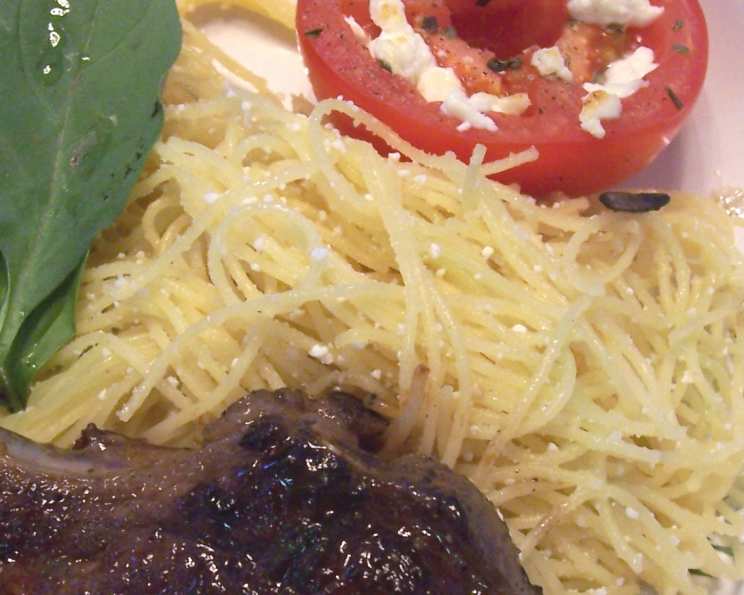 Golden, foamy browned butter sauce drizzled over al dente pasta with grated mizithra
Frequently Asked Questions
What is browned butter, and how is it different from regular melted butter?
Browned butter, or beurre noisette, is made by cooking unsalted butter until the milk solids caramelize and the water content evaporates. Unlike melted butter, which is just liquefied fat with no flavor change, browned butter has a deep, nutty, toasty aroma and a richer, more complex flavor that adds depth to both sweet and savory dishes. It’s a staple in French and Mediterranean cooking, and works as a base for pasta sauces, baked goods, and vegetable dressings.
What is mizithra cheese, and where does it come from?
Mizithra is a traditional Greek cheese made from sheep’s milk, goat’s milk, or a blend of the two, with a history dating back over 2,000 years to the mountainous regions of Crete and mainland Greece. It comes in two main varieties: fresh (soft, mild, and creamy) and aged (hard, crumbly, and sharp). Aged mizithra is the variety most commonly used in pasta dishes, as it grates easily and melts slightly when heated to create a rich, savory sauce.
Can I substitute mizithra cheese if I can’t find it?
Yes, if you can’t find aged mizithra, the best substitute is ricotta salata, which has a similar sharp, salty flavor and crumbly texture. Feta cheese is another option, though it’s softer and more crumbly, so it won’t melt as smoothly. Avoid using fresh mozzarella or parmesan as substitutes, as their flavor profiles don’t match the tangy, nutty notes of mizithra.
Is this pairing suitable for people with lactose intolerance?
Both browned butter and mizithra are very low in lactose, as the fermentation and aging process of mizithra breaks down most of the milk sugars, and browned butter is almost pure fat with minimal lactose content. Most people with mild lactose intolerance can enjoy this pairing without issues, but those with severe lactose intolerance should consult a doctor before consuming dairy products.
Final Thoughts
Browned butter and mizithra cheese are one of the simplest, most flavorful pairings you can add to your cooking rotation. With just two ingredients and 10 minutes of active time, you can create a restaurant-quality pasta dish or upgrade roasted vegetables, eggs, and bread with minimal effort. The key to success is using high-quality ingredients, browning the butter slowly to avoid burning, and opting for aged mizithra for the best flavor and texture. If you’ve never tried this combo before, start with the classic pasta recipe above – it’s a guaranteed crowd-pleaser that will impress even the most discerning home cooks. Have you tried browned butter and mizithra before? Let us know your favorite way to use the duo in the comments below, or share your own recipe variations!

I’m Abby Lu, a passionate home cook who loves simplifying everyday meals. At PlugChef.com, I share product reviews and cooking guides to help you find the best tools for your kitchen.
Related posts:
 How to Make a Fruit Basket for a Gift: Easy DIY Guide
 Do You Need a Basket? Essential Guide for Air Fryers
 How to Adjust Syrup Dispenser Pressure: Expert Tips
 Appliance Play Food Kitchen Toys: Ignite Imaginative Play
 How Long Do Beauty Blenders Last: Expert Tips Unveiled
 Philips Kitchen Appliances Compact Pasta And Noodle Maker: Effortless Homemade Pasta

