
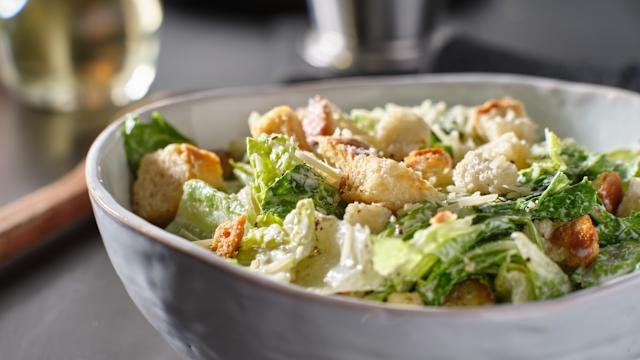
Are you ready to take your salads to a whole new level? Caesar dressing with egg yolks is the secret ingredient that makes every bite creamy, rich, and unforgettable.
If you’ve ever wondered how to create that perfect balance of tangy, savory, and smooth flavors right in your own kitchen, this guide is for you. Keep reading, and you’ll discover simple steps to whip up a classic Caesar dressing that will impress your family and friends every time.
Get ready to transform your salad experience!

Credit: domestikatedlife.com
Origins Of Caesar Dressing
Caesar dressing is a classic salad sauce known worldwide. Its rich, creamy texture comes from simple ingredients like egg yolks, olive oil, and anchovies. The dressing’s history is as interesting as its taste. It began in a small restaurant but grew into a global favorite.
The dressing’s origin traces back to the 1920s. It was created by an Italian-American chef named Caesar Cardini. He owned a restaurant in Tijuana, Mexico. The story says the dressing was born out of necessity. Cardini made it with what he had on hand.
Caesar dressing quickly became popular with visitors. Its unique flavor stood out from other salad dressings. The use of raw egg yolks gave it a smooth and rich taste. This ingredient is key to the dressing’s signature creaminess.
Caesar Cardini And The Birth Of The Dressing
Caesar Cardini opened his restaurant in 1927. The restaurant was near the US-Mexico border. During a busy Fourth of July weekend, Cardini ran low on supplies. He created the dressing using eggs, oil, lemon, and Worcestershire sauce. The salad was served tableside, adding to its charm.
Why Egg Yolks Matter In Caesar Dressing
Egg yolks act as a natural thickener. They help blend the oil and lemon juice into a smooth sauce. This emulsification gives Caesar dressing its creamy texture. Raw egg yolks add richness without heaviness. They make the dressing both light and flavorful.
The Spread Of Caesar Dressing Worldwide
Word about Caesar dressing spread quickly after its creation. Tourists brought the recipe back to the United States. Restaurants started adding it to their menus. Over time, many variations appeared. Yet, traditional recipes still use egg yolks as a key ingredient.
Role Of Egg Yolks In Creaminess
Egg yolks play a key role in making Caesar dressing creamy. Their natural fats and proteins create a smooth texture. This texture feels rich and thick on the tongue. Without egg yolks, the dressing lacks that signature creaminess. They also help mix oil and other ingredients evenly. This mix creates a stable, velvety dressing that sticks well to salad leaves.
Emulsification Explained
Egg yolks contain lecithin, a natural emulsifier. Emulsification means mixing oil and water without separating. Normally, oil and water separate quickly. Lecithin helps keep them combined. This process forms a thick and creamy dressing. The tiny droplets of oil stay suspended in water. This makes the texture smooth and uniform. The dressing looks glossy and feels rich. Good emulsification prevents the dressing from breaking or getting runny.
Benefits Over Mayonnaise
Using egg yolks gives a fresher taste than mayonnaise. Mayonnaise often contains added sugars and preservatives. Egg yolks deliver creaminess with fewer extra ingredients. They also provide a natural, silky texture. The flavor is more balanced and less processed. Egg yolks allow control over the dressing’s thickness. You can adjust oil and seasoning easily. This makes homemade Caesar dressing more authentic and tasty.
Key Ingredients For Rich Flavor
Creating a Caesar dressing with egg yolks means aiming for a flavor that’s both rich and balanced. The secret lies in choosing the right ingredients that build depth without overpowering the salad. Each key component plays a crucial role, working together to deliver that unmistakable Caesar taste you crave.
Fresh Anchovies
Fresh anchovies are the soul of Caesar dressing. They add a salty, umami punch that canned or paste versions just can’t match. Using fresh anchovies ensures a clean, bright flavor that lifts the entire dressing.
Have you ever noticed how a tiny anchovy can transform a bland salad into something memorable? That’s the power of fresh, high-quality fish. Don’t skip this ingredient—it’s a game changer.
Garlic And Parmesan
Garlic and Parmesan bring savory warmth and a subtle bite to the dressing. Fresh garlic adds a sharpness that awakens your taste buds, while Parmesan melts into the dressing, giving it a creamy, cheesy backbone.
I learned that freshly grated Parmesan makes a huge difference. It blends better and tastes fresher compared to pre-grated options. Try it yourself and taste the difference.
Lemon Juice And Olive Oil
Lemon juice adds a necessary brightness that cuts through the richness of the yolks and cheese. Its acidity balances the dressing and prevents it from feeling too heavy. Olive oil ties everything together with a silky texture and fruity notes.
Choosing extra virgin olive oil enhances the flavor even more. It feels smoother and adds a subtle complexity. How often do you think about the quality of your oil when making dressing?
Step-by-step Recipe Guide
Making Caesar dressing with egg yolks is easier than it seems. This guide breaks down the process into clear, simple steps. You will get a creamy, rich dressing perfect for salads and more. Follow along to prepare, mix, and season your dressing like a pro.
Preparing The Egg Yolks
Start with fresh, cold eggs. Separate the yolks carefully from the whites. Place the yolks in a clean bowl. Use a whisk or fork to beat them gently. The yolks become smooth and slightly thick. This step builds the base for a creamy dressing.
Mixing And Emulsifying
Slowly add olive oil to the yolks while whisking nonstop. This creates an emulsion, a smooth mixture that won’t separate. Add lemon juice and Dijon mustard for tang and flavor. Keep whisking until the dressing is thick and creamy. The key is slow pouring and steady mixing.
Adjusting Seasonings
Taste your dressing to check the flavors. Add salt and pepper little by little. Mix in minced garlic or anchovy paste if you like. Adjust lemon juice for extra zing. Stir well and taste again. Balance is key for a delicious Caesar dressing.
Tips For Perfect Texture
Egg yolks create a rich, creamy texture in Caesar dressing. Whisk slowly while adding oil to achieve smooth consistency. Use fresh yolks for the best flavor and thickness.
Creating the perfect Caesar dressing with egg yolks is an art. The texture can make or break the dressing. It should be creamy, smooth, and thick enough to coat your salad leaves beautifully. This section dives into practical tips for achieving that impeccable texture you desire.Avoiding Curdling
Curdling is a common issue when working with egg yolks. To prevent this, always whisk your egg yolks thoroughly before adding other ingredients. This ensures even distribution and reduces the risk of curdling. Add your oil slowly. A gradual stream helps in emulsifying the dressing, maintaining a smooth consistency. Keep your whisk or blender running while you do this. Temperature matters. Ensure your ingredients, especially the oil, are at room temperature. Cold ingredients can shock the yolks, leading to an unwanted curdle.Achieving The Right Thickness
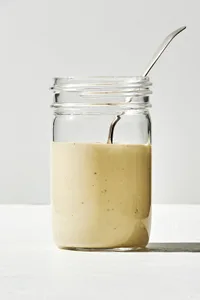
Thickness in Caesar dressing is key for that luxurious mouthfeel. Start by choosing the right type of oil. A neutral oil like canola or grapeseed works best, allowing the other flavors to shine through. Monitor the amount of oil. Too much can make the dressing overly thick, while too little can leave it runny. Aim for a balance that clings to the salad without being heavy. Consider adding a touch of parmesan. It not only adds flavor but also helps thicken the dressing naturally. A tablespoon or two can make a noticeable difference. Have you ever tried adjusting thickness with additional egg yolks? This method can be a game-changer for achieving the perfect consistency. Just remember, a little goes a long way. By paying attention to these details, you’ll master the art of Caesar dressing, impressing your guests with every bite.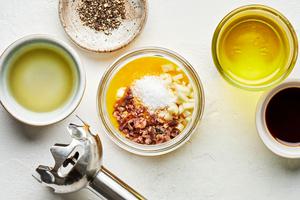
Credit: themodernproper.com
Serving Suggestions
Serving Caesar dressing made with egg yolks opens up delicious possibilities beyond the usual salad bowl. The creamy texture and rich flavor of the dressing invite you to experiment with different dishes that highlight its unique taste. Whether you stick to the classic or try a new twist, these serving suggestions will inspire your next meal.
Classic Caesar Salad
The timeless way to enjoy Caesar dressing is on a bed of crisp romaine lettuce. Toss the leaves gently with the dressing so every bite is coated but not soggy.
Add crunchy homemade croutons for texture and sprinkle freshly grated Parmesan cheese on top. This simple combination highlights the creamy dressing and lets the egg yolks shine through.
Want to make it a meal? Top the salad with grilled chicken or shrimp. It’s a satisfying option that keeps the focus on the rich, tangy flavor of the dressing.
Creative Variations
Think beyond lettuce. Use Caesar dressing as a dip for fresh veggies like celery sticks, bell peppers, or cherry tomatoes. The egg yolks give it a smooth consistency that pairs well with crunchy snacks.
Try it as a sauce on roasted vegetables such as asparagus or Brussels sprouts. The dressing adds a velvety layer that balances out the bitterness of roasted greens.
If you’re making sandwiches or wraps, spread a thin layer of Caesar dressing inside. It brings a burst of flavor that complements turkey, bacon, or avocado perfectly.
Have you ever drizzled Caesar dressing over a warm pasta salad? The creamy texture clings to noodles and creates a comforting dish that’s both simple and impressive.
Safety Tips For Raw Egg Usage
Using raw egg yolks in Caesar dressing requires care to avoid health risks. Eggs can carry bacteria like Salmonella, which cause food poisoning. Following safety tips helps keep your dressing safe and tasty.
Selecting Fresh Eggs
Choose eggs that are fresh and clean. Check the pack date or sell-by date on the carton. Fresh eggs have firm yolks and thick whites. Avoid cracked or dirty shells. Store eggs in the refrigerator at all times.
Pasteurized Egg Options
Pasteurized eggs are heated gently to kill bacteria without cooking. These eggs are safe to use raw in dressings. You can buy pasteurized liquid egg yolks or whole eggs. Using pasteurized eggs lowers the risk of foodborne illness.
Credit: themodernproper.com
Frequently Asked Questions
What Role Do Egg Yolks Play In Caesar Dressing?
Egg yolks act as a natural emulsifier in Caesar dressing. They help blend oil and other ingredients smoothly. This creates a creamy, thick texture. Additionally, yolks add richness and depth to the dressing’s flavor, making it authentic and delicious.
Can You Use Raw Egg Yolks Safely In Caesar Dressing?
Raw egg yolks can pose a risk of salmonella. Use pasteurized eggs for safety when making Caesar dressing. Alternatively, try recipes with cooked or mayonnaise-based versions. Always store the dressing properly and consume it within a short time to ensure freshness and safety.
How Do Egg Yolks Improve Caesar Dressing Texture?
Egg yolks provide a silky, creamy texture to Caesar dressing. Their natural fats and proteins help emulsify the oil and lemon juice. This results in a smooth and stable dressing that clings well to salad greens, enhancing the overall eating experience.
Is Homemade Caesar Dressing With Egg Yolks Better?
Homemade Caesar dressing with egg yolks offers fresh, rich flavor and texture. You control ingredient quality and adjust seasoning to taste. It’s free from preservatives and artificial additives found in store-bought versions. This makes homemade dressing more authentic and satisfying.
Conclusion
Caesar dressing with egg yolks brings rich flavor and creamy texture. It blends tangy, salty, and savory notes perfectly. Making it at home lets you control freshness and taste. This classic dressing lifts any salad with simple ingredients. Try it soon and enjoy a timeless favorite.
Simple, tasty, and satisfying every time.

I’m Abby Lu, a passionate home cook who loves simplifying everyday meals. At PlugChef.com, I share product reviews and cooking guides to help you find the best tools for your kitchen.
Related posts:
 What Type of Cooking Utensils are Safe: Expert Picks
 What Innovations Could Blenders Make: Unleashing Future Tech
 Smart Strategies to Organize a Small Kitchen: Maximize Space
 How to Organize a Kitchen Cabinet: Expert Tips & Tricks
 How to Organize Kitchen Drawers: Expert Tips and Tricks
 How to Organize a Corner Kitchen Cupboard: Expert Tips

