
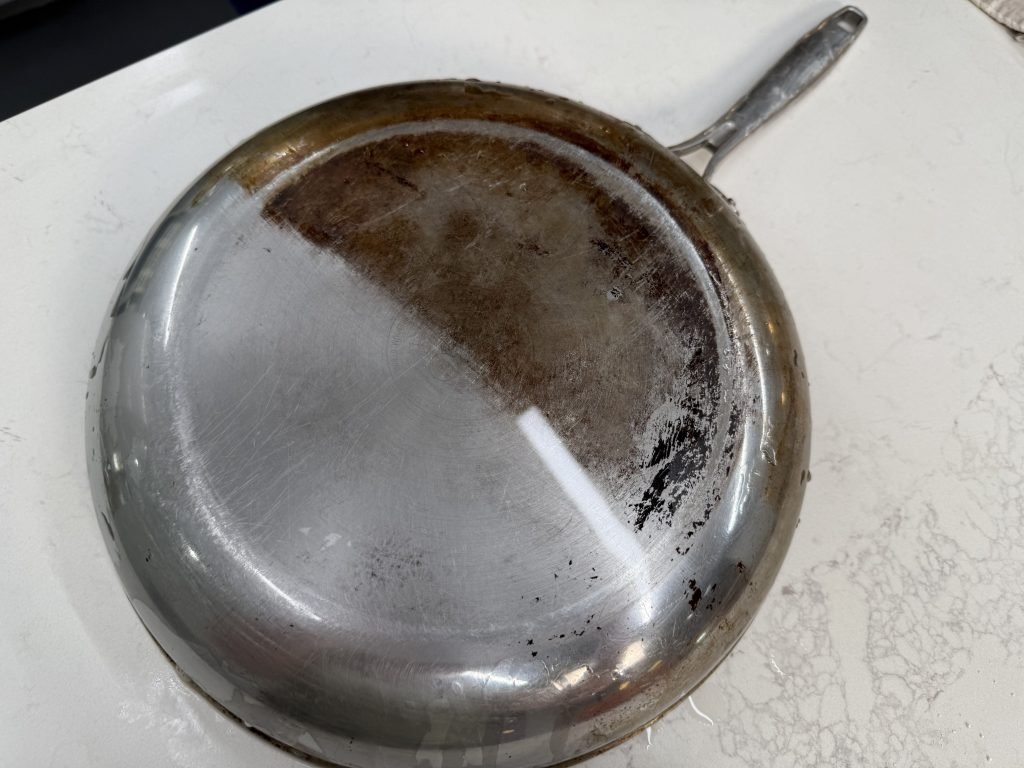
Have you ever stared at your favorite pan, frustrated by stubborn stains that just won’t come off? You’re not alone.
These tough marks can make your cookware look old and worn out, even if it’s barely been used. But what if you could bring back that shiny, clean surface without spending hours scrubbing or buying expensive cleaners? In this guide, you’ll discover simple, effective ways to clean stained pans using tools and ingredients you probably already have at home.
Keep reading, because your pans—and your cooking—deserve a fresh start.

Credit: www.reddit.com
Common Causes Of Pan Stains
Pans develop stains from daily cooking activities. These stains build up and affect the pan’s look and performance. Understanding the common causes helps in cleaning pans effectively. Stains often result from burnt food, minerals, or greasy layers. Each type needs specific care to restore the pan’s shine.
Burnt Food Residue
Burnt food sticks tightly to the pan surface. High heat causes food to char and cling. This residue is hard to remove with just soap and water. It darkens the pan and can give food a burnt taste. Regular scrubbing and soaking can help loosen burnt bits.
Mineral Deposits
Minerals in water leave white or cloudy marks on pans. Hard water contains calcium and magnesium. These minerals build up over time during washing or boiling. Deposits reduce the pan’s shine and may cause rough spots. Vinegar or lemon juice helps dissolve these mineral layers.
Oil And Grease Build-up
Cooking oils and fats create sticky, greasy layers on pans. Over time, this build-up turns dark and tough to clean. Grease traps dirt and food particles, making pans look dirty. Warm water and degreasing agents break down the oil for easier cleaning.
Basic Cleaning Tools And Supplies
Cleaning stained pans is easier with the right tools. Basic cleaning supplies help remove tough stains without damaging the pan’s surface. Having essential scrubbers, the right cleaning agents, and protective gear makes the process safe and effective.
Essential Scrubbers And Sponges
Choose scrubbers that match your pan’s material to avoid scratches. Soft sponges work well for non-stick pans. Steel wool or rough scrubbers suit stainless steel pans for stubborn stains. Scrubbers with handles help reach corners easily. Replace sponges regularly to keep them clean and effective.
Effective Cleaning Agents
Use mild dish soap for everyday cleaning. Baking soda is great for removing burnt residue. White vinegar helps dissolve mineral deposits and stains. For tougher grime, a paste of baking soda and water works well. Avoid harsh chemicals that can damage your pans or leave harmful residues.
Protective Gloves And Accessories
Wear rubber gloves to protect your hands from hot water and cleaning agents. Gloves also prevent skin dryness and irritation. Use a scrub brush with a handle to keep hands safe from sharp edges. Keep a towel nearby to dry pans quickly and avoid water spots.
Quick Cleaning Hacks
Stubborn stains on pans disappear with simple household items like baking soda and vinegar. Let them soak, then scrub gently for a clean shine. Quick effort brings your pans back to life without harsh chemicals.
Cleaning stained pans can often feel like a daunting task, especially after a delightful cooking session. But fret not! With some quick cleaning hacks, you can bring back the shine to your pans with minimal effort and time. Here are some tried-and-true methods that can help you tackle those stubborn stains effectively.Baking Soda And Vinegar Method
Baking soda and vinegar are a dynamic duo in the world of cleaning. Start by sprinkling a generous amount of baking soda onto the stained surface of your pan. Next, pour a small amount of white vinegar over the baking soda. Watch as it starts to fizz—this reaction is what helps lift those tough stains. Let the mixture sit for about 15 minutes. Then, scrub the pan with a soft sponge and rinse thoroughly with warm water. You’ll be amazed at the results!Salt And Lemon Scrub
Did you know that salt and lemon can double up as a natural scrub? Sprinkle some coarse salt onto the stained area of your pan. Cut a lemon in half and use it to scrub the salt into the stains. The abrasive action of the salt combined with the acidity of the lemon works wonders. Allow the mixture to sit for a few minutes before rinsing. This method not only cleans your pan but also leaves it smelling fresh.Dish Soap Soak
Sometimes, all your pan needs is a good soak. Fill the pan with hot water and add a few drops of dish soap. Let it soak for at least 30 minutes. The hot water and soap work together to loosen the grime, making it easier to scrub away. After soaking, use a sponge to gently scrub the pan. Rinse with clean water, and you’ll find your pan looking as good as new! Which of these methods will you try first? Each hack offers a simple, yet effective way to tackle those pesky stains and restore your pans to their former glory. Happy cleaning!Deep Cleaning Techniques
Deep cleaning stained pans restores their shine and removes tough grime. It involves simple techniques using common household items. These methods are safe and effective for various pan materials. Patience and gentle scrubbing improve results without damaging the pan.
Boiling Water And Baking Soda
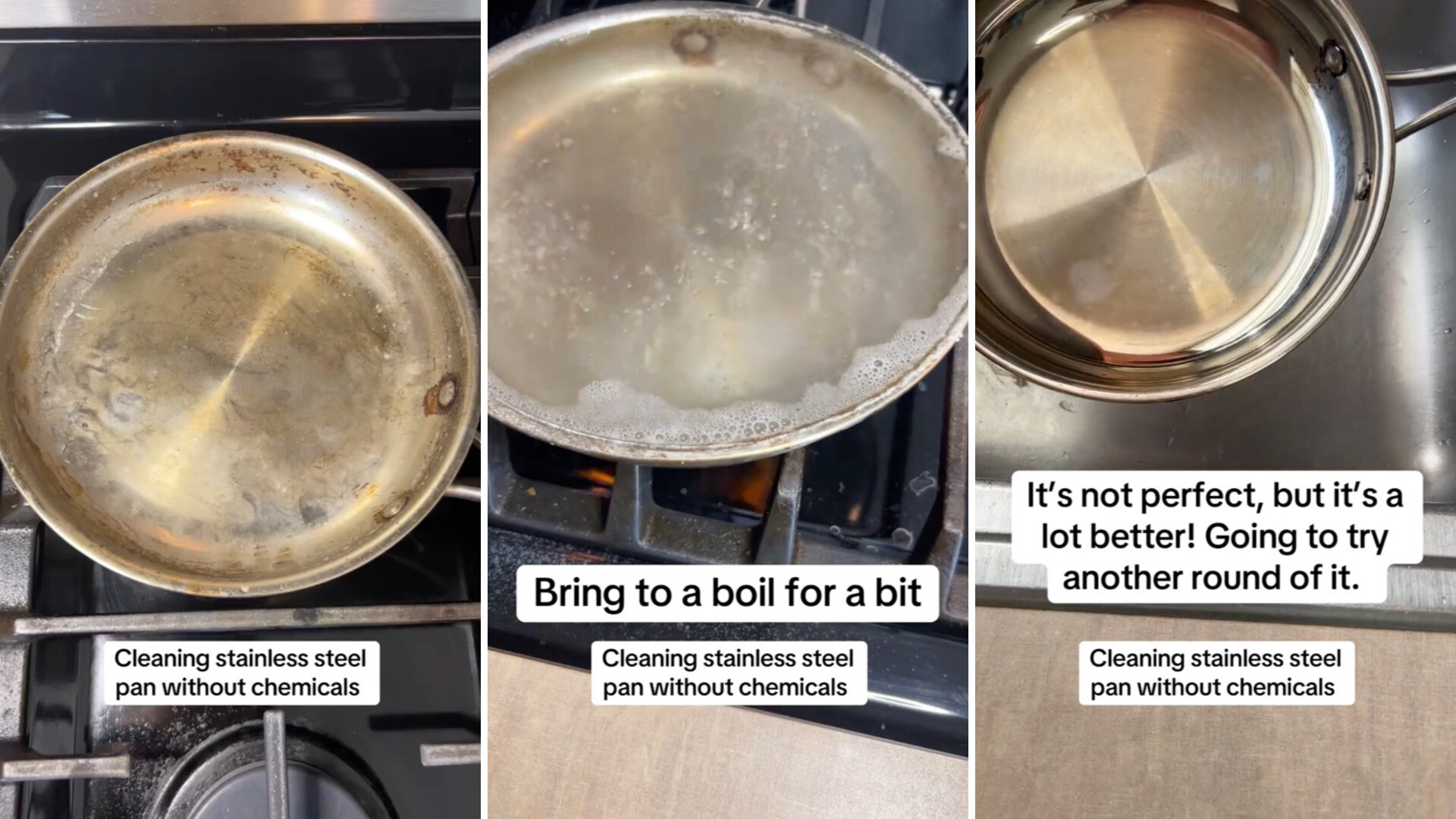
Fill the pan with water to cover the stains. Add two tablespoons of baking soda. Bring the water to a boil and let it simmer for 15 minutes. Turn off the heat and allow the water to cool slightly. Use a sponge to scrub off loosened stains. Rinse the pan thoroughly with warm water.
Using Cream Of Tartar
Mix one tablespoon of cream of tartar with a cup of water. Apply the mixture to the stained areas of the pan. Let it sit for 20 minutes to break down the stains. Scrub gently with a soft brush or cloth. Rinse the pan well to remove any residue. This method works well on discoloration and burnt spots.
Oven Cleaning For Tough Stains
Preheat the oven to 350°F (175°C). Place the pan upside down on the oven rack. Heat the pan for 10 minutes to loosen burnt-on food. Remove the pan carefully and let it cool. Use a scrubber with warm soapy water to clean off the softened stains. This technique helps with stubborn baked-on grime.
Cleaning Specific Pan Types
Different pans need different cleaning care to keep them in good shape. Each type has unique materials that react differently to cleaning agents and methods. Knowing how to clean your pans properly helps them last longer and perform better.
Non-stick Pans
Non-stick pans require gentle cleaning to protect their coating. Avoid harsh scrubbers that can scratch the surface. Use a soft sponge with mild dish soap and warm water. For stubborn stains, soak the pan for a few minutes before wiping. Never use metal tools or abrasive cleaners.
Stainless Steel Pans
Stainless steel pans handle tougher scrubbing and higher heat. Use a scrub brush or steel wool for burnt food. Baking soda mixed with water makes a gentle abrasive paste. Rub the paste on stains and rinse well. For shiny results, polish with vinegar or lemon juice.
Cast Iron Pans
Cast iron pans need special care to keep their seasoning. Avoid soap and soak only briefly to prevent rust. Scrub with a stiff brush or coarse salt to remove food bits. Dry the pan completely after washing. Rub a thin layer of oil on the surface to protect it.

Credit: dwellingonthepast.ca
Preventing Future Stains
Preventing future stains on your pans saves time and keeps them looking new. Simple habits during cooking, cleaning, and storage make a big difference. Caring for your pans properly helps avoid tough stains and extends their life.
Proper Cooking Practices
- Use moderate heat to avoid burning food onto the pan.
- Preheat the pan before adding oil or food to reduce sticking.
- Avoid cooking acidic foods in certain pans that may cause discoloration.
- Stir food regularly to prevent it from sticking and burning.
- Use wooden or silicone utensils to protect the pan’s surface.
Regular Maintenance Tips
- Clean pans soon after use to prevent residue buildup.
- Use gentle scrubbers to avoid scratching the surface.
- Apply a small amount of oil after cleaning to protect non-stick pans.
- Check for stains after washing and treat them immediately.
- Avoid harsh chemicals that can damage the pan’s coating.
Storage Recommendations
- Store pans in a dry place to prevent rust and stains.
- Keep pans separated using cloth or paper towels to avoid scratches.
- Hang pans by their handles to save space and reduce damage.
- Do not stack heavy items on top of pans to maintain their shape.
- Ensure pans are completely dry before storing to prevent moisture stains.
Credit: www.thecooldown.com
Frequently Asked Questions
How Do I Remove Stains From Stainless Steel Pans?
Use a paste of baking soda and water. Apply it on stains and scrub gently with a sponge. Rinse with warm water and dry thoroughly to restore shine.
Can Vinegar Help Clean Burned Pans Effectively?
Yes, vinegar dissolves burnt residues. Boil a mixture of vinegar and water in the pan, then scrub after cooling. This removes tough stains and odors.
What Household Items Clean Aluminum Pans Safely?
Baking soda and lemon juice work well. Sprinkle baking soda, add lemon juice, scrub gently, then rinse. This combination removes stains without damaging the pan.
How Often Should I Clean Pans To Avoid Stains?
Clean pans immediately after use to prevent stains. Regular cleaning stops residue buildup and keeps pans looking new longer.
Conclusion
Cleaning stained pans does not have to be hard. Use gentle scrubbing with baking soda or vinegar. Let the pan soak in warm water to loosen stains. Avoid harsh chemicals that can damage your pans. Regular cleaning keeps pans looking fresh and lasting longer.
Small, simple steps save time and effort. Keep your kitchen tools clean and ready for cooking. A clean pan makes every meal better. Try these easy tips and see the difference.

I’m Abby Lu, a passionate home cook who loves simplifying everyday meals. At PlugChef.com, I share product reviews and cooking guides to help you find the best tools for your kitchen.
Related posts:
 What Type of Cooking Utensils are Safe: Expert Picks
 What Innovations Could Blenders Make: Unleashing Future Tech
 Smart Strategies to Organize a Small Kitchen: Maximize Space
 How to Organize a Kitchen Cabinet: Expert Tips & Tricks
 How to Organize Kitchen Drawers: Expert Tips and Tricks
 How to Organize a Corner Kitchen Cupboard: Expert Tips

