Why Can’t We Use Bronze Utensils for Cooking: Discover Why
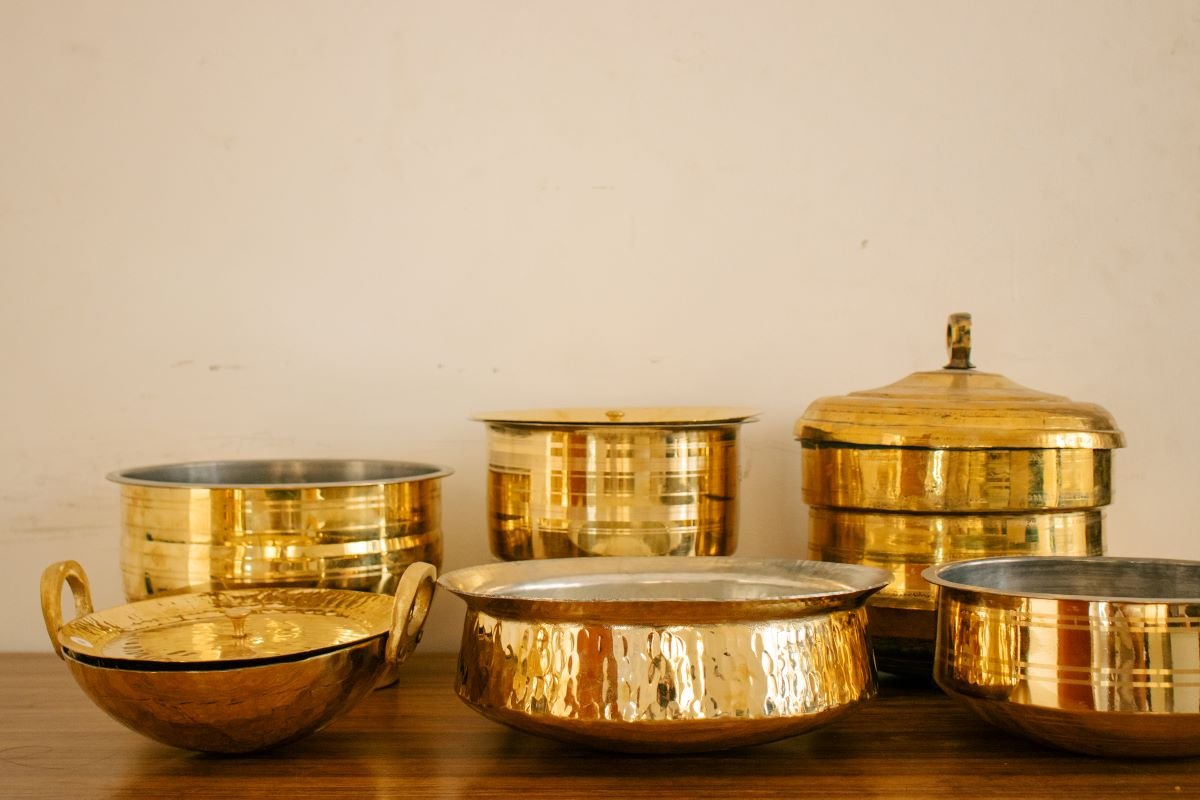
Bronze has adorned statues, coins, and tools for millennia, yet you’ll rarely find it in a modern kitchen’s drawer of spoons and pans. Its warm hue and historic charm make it appealing as a display piece, but several material properties keep it from being practical for everyday cooking. Understanding why involves looking at the alloy’s chemistry, how it behaves with heat and acidic foods, the health implications of metal leaching, and the maintenance demands that outweigh its aesthetic appeal. This guide breaks down each factor, compares bronze to safer alternatives, and clarifies when it’s appropriate to keep bronze around the home.
What Is Bronze? Composition and Core Properties
Bronze is primarily an alloy of copper and tin, typically containing 88 % copper and 12 % tin, though trace amounts of zinc, lead, or nickel may appear depending on the intended use. The high copper content gives bronze its characteristic reddish‑gold tone and contributes to both its strength and its tendency to react with certain substances. Tin adds hardness, improving wear resistance compared with pure copper, but it does not eliminate the alloy’s reactivity. For more on this, see our guide on kitchen pantry with trash can storage.
From a physical standpoint, bronze conducts heat less efficiently than metals like aluminum or stainless steel. Its thermal conductivity averages around 50 W/(m·K), whereas stainless steel sits near 16 W/(m·K) for austenitic grades and aluminum exceeds 200 W/(m·K). This moderate conductivity means bronze heats more slowly and can develop hot spots, which affects cooking consistency. Additionally, bronze forms a thin surface patina—usually a greenish layer of copper carbonate—when exposed to moisture and air, a process that accelerates in acidic environments.
How Bronze Reacts with Food
The primary concern with bronze cookware lies in its chemical interaction with foods, especially those that are acidic. Tomatoes, citrus juices, vinegar, and wine can dissolve minute amounts of copper and tin from the alloy’s surface. These metal ions then migrate into the food, altering flavor and posing potential health risks. For more on this, see our guide on kitchen utensils storage containers with lids.
Acidic Reactions and Flavor Changes
When bronze contacts an acidic medium, copper atoms oxidize to Cu²⁺ ions, which can impart a metallic taste and cause discoloration of both the utensil and the dish. In practice, a simmered tomato sauce left in an unlined bronze pot may develop a noticeable bitterness after just 20 minutes, while the pot’s surface dulls as the patina thickens.
Metal Leaching and Health Implications
Ingested copper is essential in trace amounts, but excess intake can lead to gastrointestinal irritation—nausea, vomiting, and abdominal pain—and, with chronic exposure, liver or kidney damage. The U.S. Environmental Protection Agency sets a drinking‑water action level of 1.3 mg/L for copper; regular consumption of food prepared in reactive bronze could easily contribute to exceeding this limit, particularly for children or individuals with Wilson’s disease, a genetic disorder that impairs copper excretion. For more on this, see our guide on can i plant basil flowers.
Tin, while less toxic than copper, can still cause stomach upset at high doses. Moreover, some historic bronzes contain lead as an impurity, which poses severe neurotoxic risks even in tiny quantities. Because lead content is not regulated in decorative bronzes, using such items for food preparation is strongly discouraged.
Heat Conductivity and Cooking Performance
Beyond chemistry, bronze’s thermal properties affect how food cooks. Its lower conductivity compared to aluminum or copper means that heat transfers slowly from the burner to the food surface, often resulting in uneven cooking. A steak seared in a bronze pan may develop a well‑done exterior while the interior remains rare, requiring constant rotation to compensate for hot spots. For more on this, see our guide on cooking concepts bamboo cutting board.
The slower heat transfer also extends cooking times. For dishes that benefit from rapid temperature changes—such as stir‑fries or sautéed vegetables—bronze can hinder the Maillard reaction, reducing flavor development. Conversely, for low‑and‑slow braises, the retained heat might be advantageous, but the same pot’s reactivity with acidic braising liquids (wine, tomatoes) usually outweighs any benefit.
Health and Safety Considerations
Food safety agencies treat copper alloys as potentially hazardous when used for food contact without a protective barrier. The FDA’s guidance on food‑contact surfaces notes that copper and its alloys may be used only if they are properly lined with a less reactive metal such as tin or stainless steel, or if the food’s pH remains above 6. Under acidic conditions, the agency recommends avoiding copper‑based utensils altogether. For more on this, see our guide on vintage military first aid kit.
In practice, many antique bronze cooking vessels were originally tin‑lined to create a barrier between the food and the copper‑rich base. Over time, that lining wears away, exposing the reactive bronze underneath. Without regular re‑tinning, the vessel becomes unsuitable for culinary use. Modern cookware rarely relies on bronze precisely because maintaining such a lining is impractical for home kitchens.
Durability, Maintenance, and Cost
Bronze is softer than hardened stainless steel, making it prone to scratches, dents, and deformation under repeated use. Frequent stirring or scraping can quickly mar the surface, affecting both appearance and performance. The metal also undergoes oxidation, forming a patina that some find attractive but others view as undesirable tarnish that must be polished away to restore shine. For further reading, see fda.gov.
Cleaning bronze requires gentle non‑abrasive cleaners; harsh detergents or scouring pads can accelerate wear. After washing, the utensil must be dried immediately to prevent water spots and further oxidation. Periodic polishing with a specialized bronze cleaner restores the lustre but adds a recurring maintenance step that most cooks prefer to avoid.
Cost-wise, authentic bronze utensils—especially those crafted by artisans—can be significantly more expensive than comparable stainless‑steel or aluminum options, without offering functional advantages that justify the price for everyday cooking.
Better Alternatives for Modern Cooking
Given bronze’s drawbacks, several materials provide superior safety, performance, and ease of care:
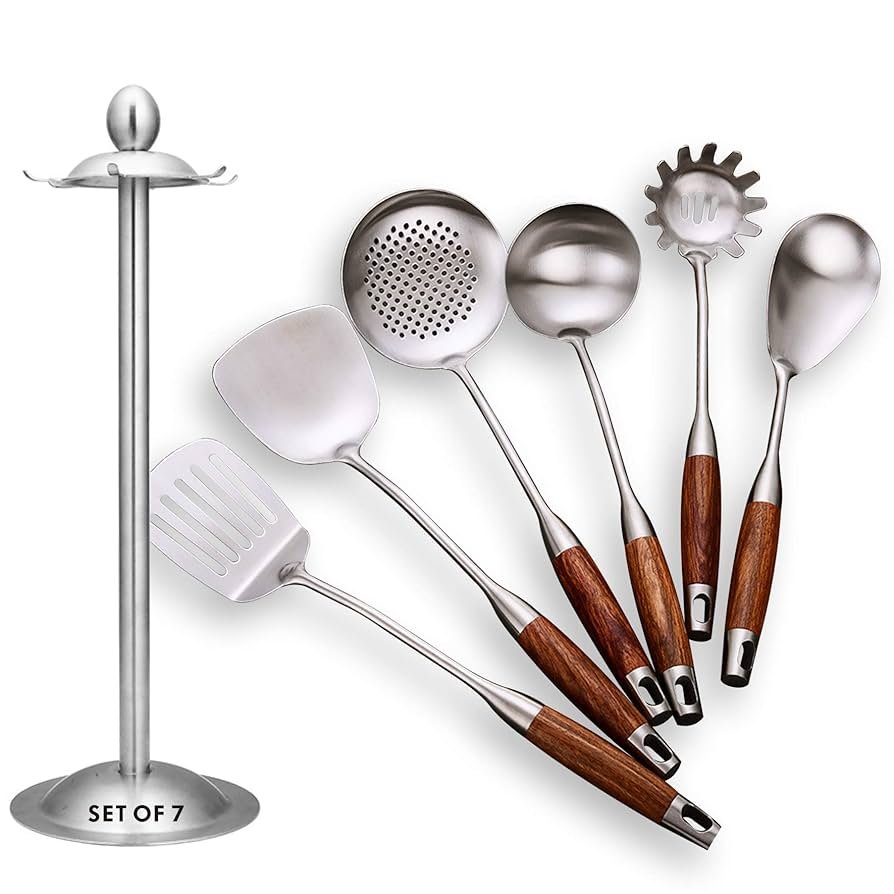
- Stainless steel – Non‑reactive, corrosion‑resistant, dishwasher‑safe, and widely available. Ideal for sautéing, boiling, and oven use.
- Cast iron – Excellent heat retention and even heating when properly seasoned. Naturally non‑stick after seasoning, though reactive with very acidic foods if the seasoning is thin.
- Enameled cast iron – Combines cast iron’s heat properties with a porcelain coating that prevents metal leaching, suitable for acidic sauces.
- Copper with tin or stainless lining – Offers top‑tier conductivity while the lining eliminates direct food‑copper contact; requires periodic lining inspection.
- Ceramic‑coated aluminum – Lightweight, non‑stick, and free of PTFE/PFOA; performs well for low‑to‑medium heat applications.
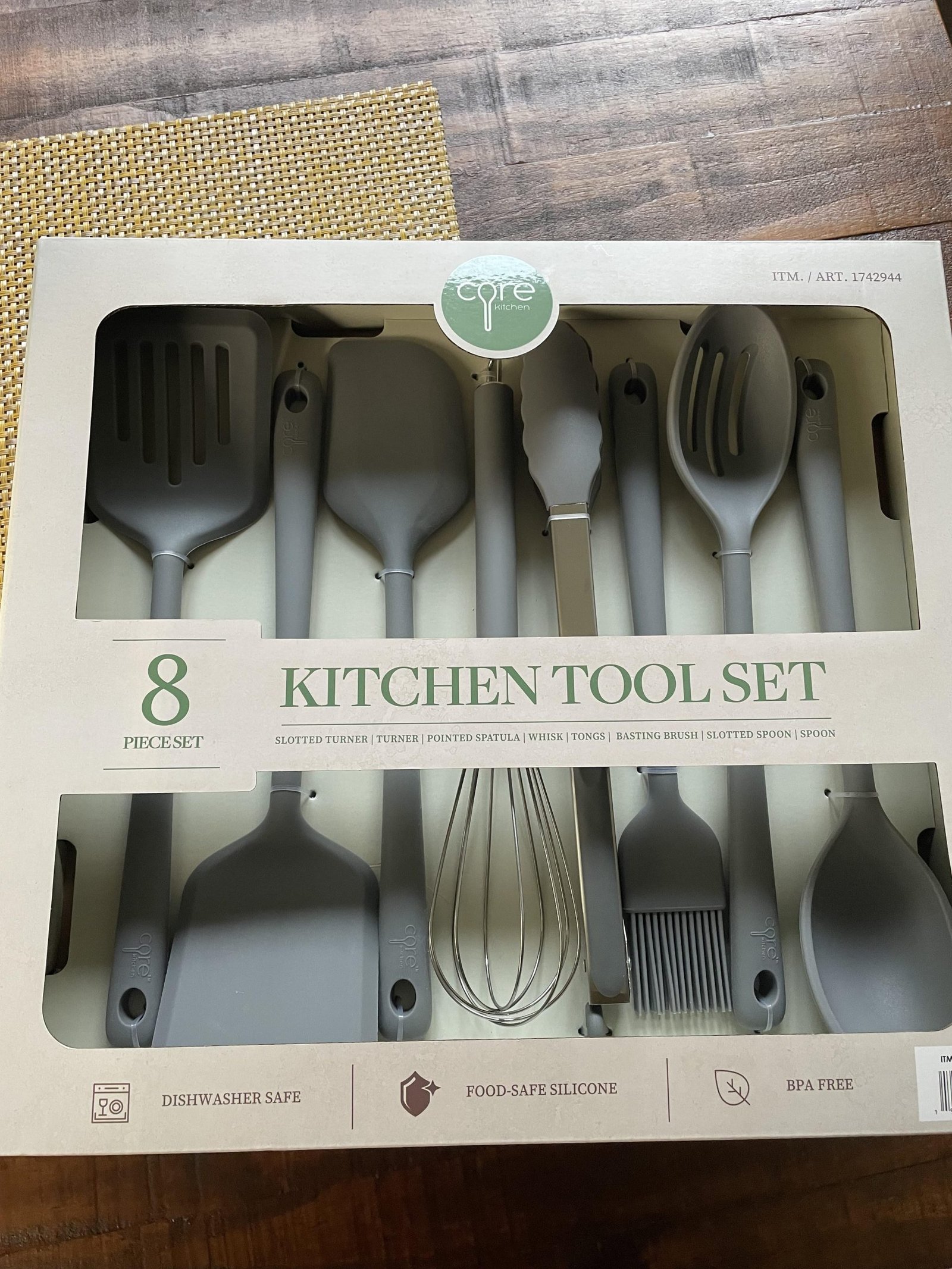
- Silicone utensils – Heat‑resistant, flexible, and safe for non‑stick surfaces; useful for stirring and scraping but not for high‑heat searing.
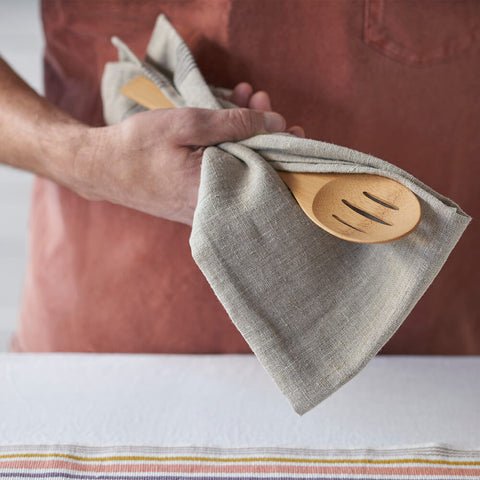
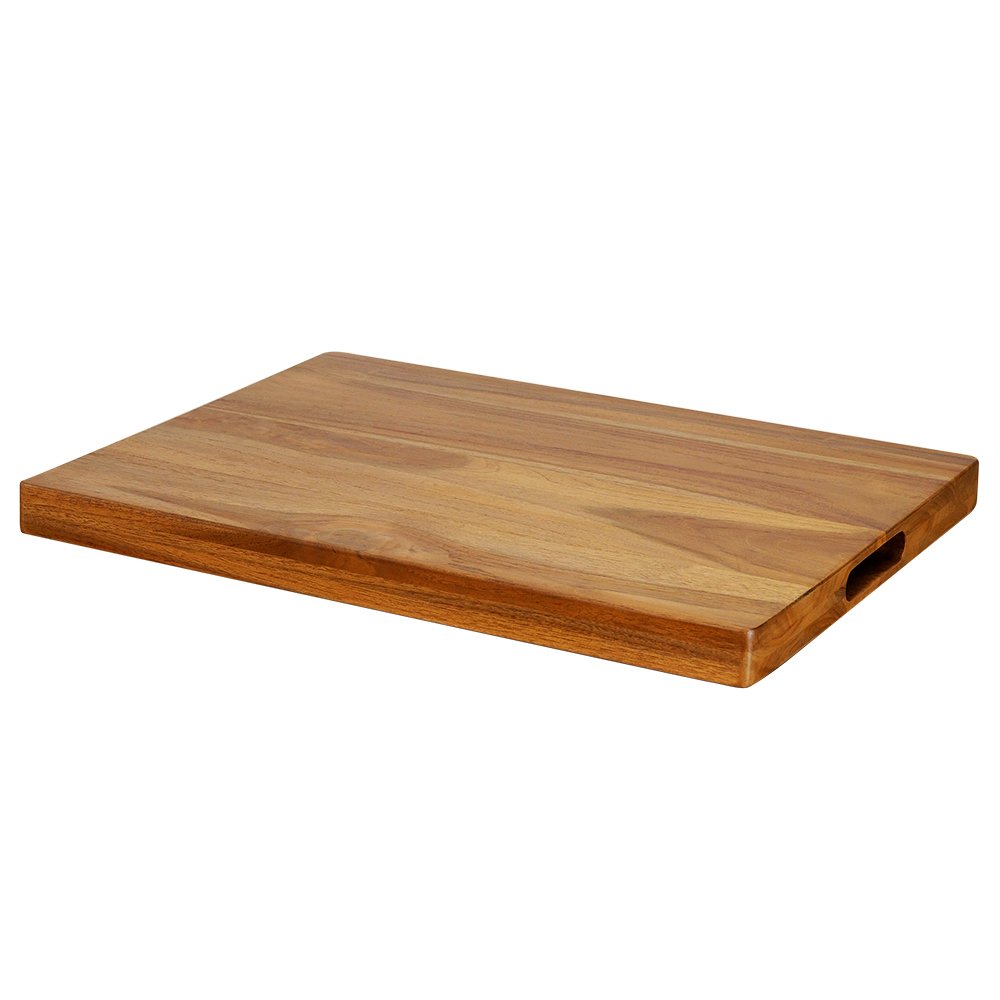
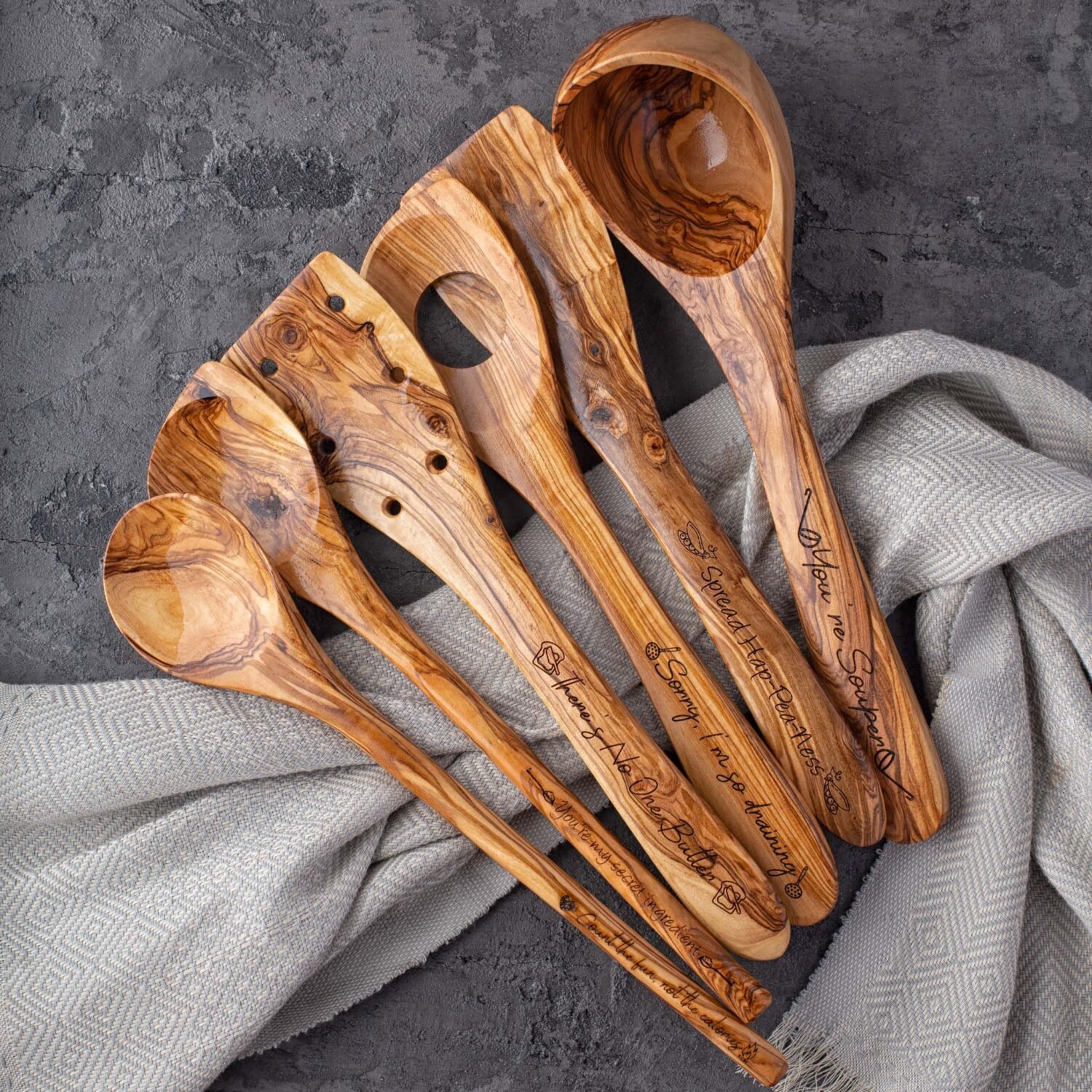
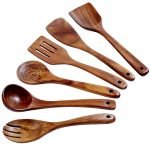
- Bamboo or wood – Renewable, gentle on cookware, and naturally non‑reactive; best for low‑heat mixing and serving.
Choosing any of these options eliminates the health concerns tied to bronze while delivering reliable cooking results.
Cultural and Decorative Uses Today
Although bronze is impractical for direct food preparation, its aesthetic value remains strong. Many households display bronze bowls, spoons, or figurines as heritage pieces or conversation starters. In such contexts, the metal’s patina is often celebrated as a sign of age and authenticity, and occasional polishing is performed more for visual appeal than hygiene.
If you own bronze heirlooms, consider reserving them for ornamental use or for serving dry items like bread rolls or fruits where acidity and moisture are minimal. This approach honors the craftsmanship without compromising food safety.
Frequently Asked Questions
Is it ever safe to cook in bronze utensils?
Only if the bronze is properly lined with a food‑safe barrier such as tin or stainless steel, and the food’s pH stays neutral or alkaline. Unlined bronze should be avoided for any cooking involving acidic ingredients.
Does bronze leach copper into all foods?
Leaching accelerates with acidity, moisture, and heat. Dry or low‑moisture foods pose minimal risk, but sauces, marinades, and braising liquids promote ion transfer.
How can I tell if my bronze utensil is lined?
Look for a contrasting interior color—tin appears whitish, stainless steel shows a slightly bluish sheen. Wear or flaking of the lining indicates the underlying bronze is exposed.
What are the signs of copper excess from cookware?
Early symptoms include metallic taste, nausea, and stomach discomfort. Persistent exposure may lead to fatigue or liver‑related issues; consult a healthcare provider if you suspect overexposure.
Should I discard antique bronze cookware?
If the piece shows significant wear, pitting, or a compromised lining, it is safest to repurpose it as décor. For valued antiques, professional re‑tinning by a metalsmith can restore a food‑safe surface, though this adds cost.
Conclusion
Bronze’s historic allure does not translate into a practical choice for modern cooking. Its tendency to leach copper and tin into acidic foods, uneven heat conduction, high maintenance demands, and availability of safer, more efficient alternatives make it unsuitable for regular kitchen use. By reserving bronze for display or dry serving and opting for materials like stainless steel, cast iron, or properly lined copper, you protect your health while enjoying reliable culinary performance. If you cherish bronze heirlooms, treat them as cherished artifacts rather than cookware, and let your kitchen stay both safe and stylish.

Hi, I’m Daniel Brooks—a food lover and kitchen gear enthusiast. I enjoy testing cookware, utensils, and gadgets to see what really works in everyday cooking. At PlugChef.com, I share honest reviews, comparisons, and simple guides to help you choose the best tools for a safer, smarter, and more enjoyable kitchen.
Similar Posts