

If you’ve ever filled up a reusable water bottle at a Whole Foods Market hydration station, you’ve likely tasted their signature reverse osmosis (RO) filtered water: crisp, odorless, and free of the chlorine aftertaste common in many municipal tap supplies. As of 2026, all Whole Foods locations across the US and Canada offer this free, sustainably focused amenity as part of their reusable container initiative, but many shoppers still have questions about how the water is filtered, what health benefits it actually offers, and how it compares to other at-home and bottled water options. This guide breaks down everything you need to know about Whole Foods water reverse osmosis, including the science behind the filtration process, verified benefits, common misconceptions, and practical tips for using the water in your daily routine.
What Is Whole Foods Reverse Osmosis Water, and How Does the Filtration Process Work?
Reverse osmosis is a physical water filtration process that uses pressure to force water through a semi-permeable membrane with pores 0.0001 microns in size—small enough to block dissolved solids, heavy metals, and microbial pathogens that are too large to pass through. Unlike basic carbon filters that only remove chlorine and sediment, RO targets contaminants that slip through standard municipal treatment, including trace pharmaceuticals, pesticides, and per- and polyfluoroalkyl substances (PFAS), which the EPA has regulated for the first time as of 2026. EPA's 2026 enforceable PFAS drinking water standards set strict limits on these "forever chemicals," which RO systems are proven to remove effectively.
Whole Foods’ Commercial-Grade Filtration Stages
Whole Foods uses industrial RO systems far more powerful than consumer under-sink units, with 4 core filtration stages to deliver consistent, high-quality water at every location:
- Pre-sediment filter: Removes large particles like rust, sand, and silt from source water before further processing.
- Granular activated carbon (GAC) pre-filter: Eliminates chlorine, volatile organic compounds (VOCs), pesticides, and unpleasant odors that would damage the RO membrane over time.
- Thin-film composite (TFC) RO membrane: The core filtration stage, which removes up to 99.9% of dissolved solids, lead, arsenic, fluoride, nitrates, bacteria, and viruses. Commercial systems like Whole Foods’ have a 3:1 water recovery rate, meaning 3 gallons of purified water are produced for every 1 gallon of waste water—far more efficient than older residential models.
- Post-carbon polish filter: Removes any residual tastes, and in most locations, adds a small, safe dose of calcium and magnesium to improve flavor and balance pH, avoiding the "flat" taste associated with demineralized RO water.
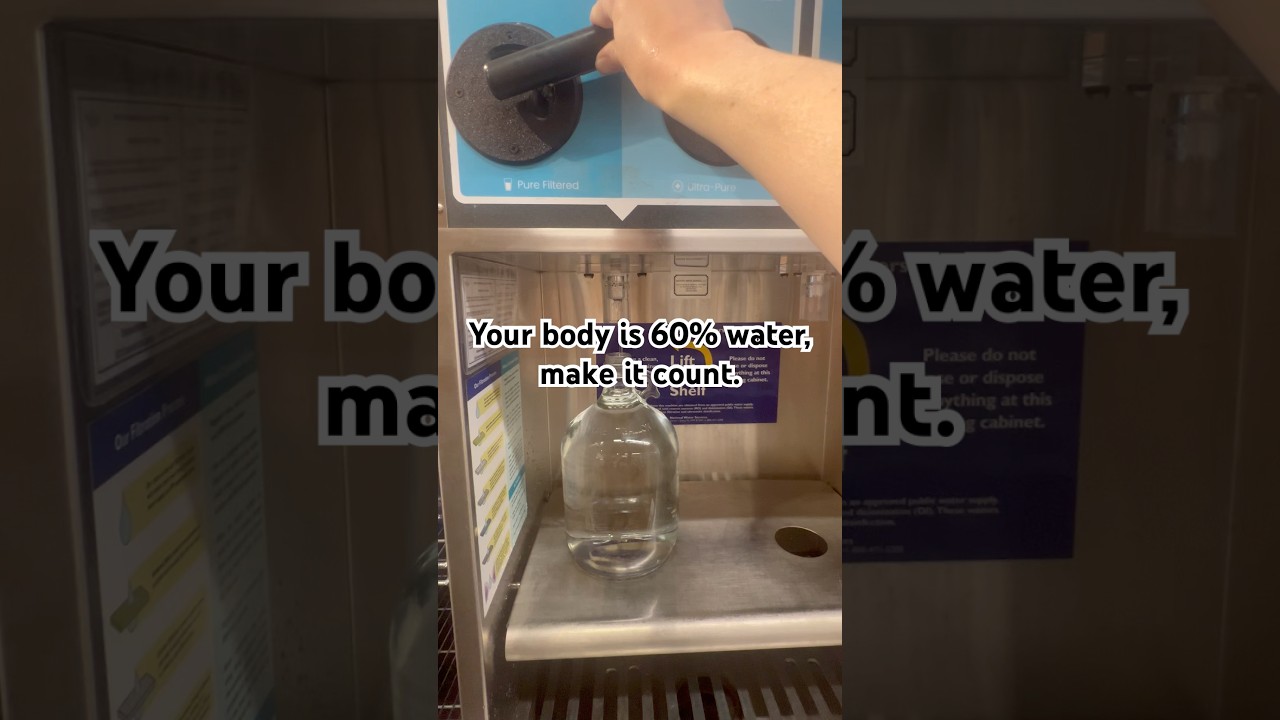 This commercial-grade reverse osmosis system powers Whole Foods' free filtered water stations across all US and Canadian locations as of 2026
What Contaminants Are Removed?
The multi-stage RO process eliminates a wide range of potential water contaminants, including:
- Heavy metals: Lead, arsenic, mercury, and cadmium, which can cause long-term organ damage and developmental issues with chronic exposure
- Chemical contaminants: Chlorine, pesticides, PFAS, nitrates, and chlorine byproducts linked to cancer and reproductive harm
- Microbial pathogens: Bacteria (e.g., E. coli), viruses (e.g., rotavirus), and parasites (e.g., Giardia) that can cause acute gastrointestinal illness
- Sediment and microplastics: Small particles and plastic fragments that may be present in aging municipal pipes or source water
This rigorous filtration ensures Whole Foods RO water meets and exceeds federal and provincial drinking water safety standards for every batch.
Verified Health and Practical Benefits of Whole Foods RO Water
Superior Contaminant Removal for Long-Term Wellness
While municipal water in the US and Canada is required to meet regulatory safety standards, those rules set maximum allowable contaminant levels, not zero limits, for many harmful substances. For households with older lead plumbing, sensitive immune systems, or concerns about long-term low-level exposure to contaminants, RO water provides an extra layer of protection. For people with compromised immune systems (e.g., those undergoing chemotherapy, living with HIV/AIDS, or caring for young children), RO water eliminates the risk of waterborne pathogens that can cause severe illness, even in treated municipal supplies.
Enhanced Taste for Cooking and Hydration
Chlorine, sulfur, and high mineral content are the most common causes of bad tap water taste and odor. RO water removes these entirely, making it ideal for cooking: pasta, rice, coffee, tea, and soups brewed with RO water have a cleaner, more true flavor, with no bitter aftertaste. Many home cooks and professional baristas prefer RO water for this reason, as it doesn’t alter the delicate flavor of high-quality ingredients.
Sustainable, Cost-Effective Hydration
Using Whole Foods’ free RO water stations eliminates the need to buy single-use plastic bottled water, which reduces plastic waste and saves consumers hundreds of dollars a year. Whole Foods reports that their widespread network of free filtered water stations has helped customers avoid billions of single-use plastic bottles annually, supporting the brand’s broader plastic reduction and sustainability commitments.
How Whole Foods RO Water Compares to Other Filtration Options
vs. Municipal Tap Water
Even if your tap water meets EPA or local safety standards, it may still contain trace contaminants like PFAS, lead from old home plumbing, or chlorine byproducts that affect taste and long-term health. RO water removes these additional contaminants, making it a safer choice for vulnerable groups and households with older pipes.
vs. Home Under-Sink RO Systems
Whole Foods’ pre-filtered RO water requires no installation, no upfront cost, and no maintenance on your part, making it ideal for renters or people who don’t want to deal with filter replacements and system upkeep. The tradeoff is convenience: you need to visit a Whole Foods location to fill up, whereas a home RO system provides unlimited purified water on demand. If you do install a home unit, look for models with NSF/ANSI 58 certification to ensure they meet strict safety and performance standards.
 Residential under-sink RO units offer at-home convenience, but require regular filter replacements and maintenance
vs. Pitcher and Faucet-Mount Filters
Basic carbon pitcher filters (like popular consumer models) only remove chlorine, sediment, and a small number of heavy metals, but do not remove dissolved solids, PFAS, or microbial pathogens. For households with serious water quality concerns, RO is a far more effective option, though it comes at a higher upfront cost for home units.
Debunking Common Reverse Osmosis Misconceptions
Myth 1: RO Water Leaches Minerals from Your Body
This claim stems from a misquoted early 2000s study that found demineralized water could leach small amounts of calcium from lead pipes, not from the human body. The World Health Organization has confirmed that low-mineral water is safe to drink for people with balanced diets, as the vast majority of essential minerals (calcium, magnesium, potassium) come from food, not drinking water. WHO Guidelines for Drinking-Water Quality note that while remineralization can improve taste, it is not required for safety for most people.
Myth 2: Reverse Osmosis Is Extremely Water-Wasteful
Older residential RO systems did have poor water recovery rates (1:1, meaning 1 gallon of purified water per 1 gallon of waste), but modern commercial and residential models now have recovery rates of 2:1 or 3:1, cutting waste significantly. Additionally, the waste water produced by RO systems is non-potable but safe for watering plants, cleaning floors, or washing cars, so it does not need to be discarded entirely.
Myth 3: RO Water Tastes Flat and Unpleasant
This is only true for unmineralized RO water. Whole Foods’ systems use a post-filter remineralization stage that adds small amounts of calcium and magnesium to improve taste, so the water has a light, crisp flavor with no unpleasant aftertaste. Many people who switch from tap water to RO report that they prefer the clean, neutral taste of filtered water.
Myth 4: RO Removes All Beneficial Minerals From Water
While RO does remove small amounts of calcium and magnesium from water, these minerals are present in such low quantities that they contribute less than 5% of the average person's daily recommended intake. For people with balanced diets that include leafy greens, nuts, dairy, and fortified foods, the mineral loss from RO water is negligible. If you are concerned about mineral intake, you can add a remineralization filter to a home RO system, or choose Whole Foods' remineralized RO water at their hydration stations.
Practical Tips for Using Whole Foods RO Water at Home
Whole Foods RO water is versatile for a range of household uses beyond just drinking:
- Cooking and baking: Use RO water for preparing grains, pasta, soups, and baked goods to avoid chlorine aftertaste and bring out the natural flavor of your ingredients. It is also ideal for brewing coffee and tea, as it doesn’t alter the delicate flavor of high-quality beans and leaves.
- Baby formula: For infants with developing immune systems, RO water removes potential pathogens and contaminants that may be present in tap or untreated well water, making it a safe choice for mixing formula (always consult your pediatrician for specific guidance).
- Pet hydration: RO water is safe for dogs, cats, and other pets, and can reduce their exposure to contaminants like lead and chlorine that may cause long-term health issues.
- Plant care: The low mineral content of RO water is ideal for sensitive houseplants and garden plants, as it prevents mineral buildup in soil that can cause leaf burn.
- Home RO system upkeep: If you install a residential RO system at home, replace filters every 6 to 12 months per the manufacturer's guidelines, sanitize the system annually to prevent bacterial growth, and use a durable kitchen cleaning scrub brush to gently remove sediment from pre-filters between changes. If you have young children or pets, store replacement filters and cleaning supplies in a locked cabinet using a safety first cabinet and drawer latch to prevent accidental exposure. When cleaning reusable water bottles you fill with RO water, use a bathroom and kitchen cleaning brush to scrub out any residue and keep bottles fresh and odor-free. For more tips on reducing household waste and building a low-toxin kitchen routine, check out the practical home hydration guides on the PlugChef blog. If you have kids and want to make safe drinking water easily accessible while keeping hazardous supplies out of reach, install child-proof kitchen safety locks for kids on under-sink cabinets.
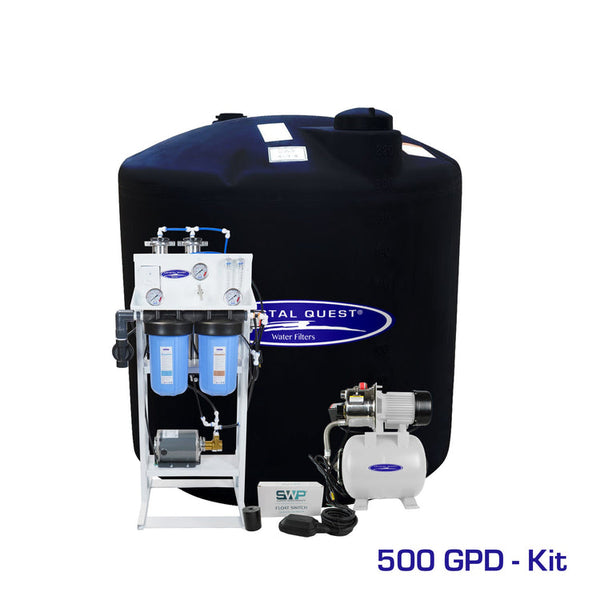 Whole-house RO systems deliver filtered water to every tap in a home, ideal for large families or households with poor source water quality
Frequently Asked Questions
Is Whole Foods RO water safe for babies and pregnant people?
Yes. Whole Foods RO water meets all FDA and EPA drinking water safety standards, and removes pathogens, lead, and other contaminants that can be harmful to developing fetuses and infants with immature immune systems. It is a safe choice for mixing baby formula, drinking during pregnancy, and preparing food for young children, though always consult your pediatrician for specific feeding guidance.
Does Whole Foods RO water have added minerals?
Most Whole Foods locations use a post-filtration remineralization stage that adds small, safe amounts of calcium and magnesium to improve taste and balance pH. This means the water is not completely demineralized, and has a light, crisp flavor without the "flat" taste associated with unmineralized RO water.
Can I fill large containers with Whole Foods RO water?
Yes. All Whole Foods hydration stations as of 2026 are equipped with high-flow spouts designed to fill large reusable jugs, water bottles, and containers quickly, as part of the brand’s plastic reduction initiative launched in 2024.
Is Whole Foods RO water better than bottled water?
In most cases, yes. Bottled water is subject to less strict testing than municipal tap water and Whole Foods' filtered water, and often contains microplastic contamination from plastic packaging. Whole Foods RO water is free to use with a reusable container, making it far more sustainable and cost-effective than single-use bottled water.
Does Whole Foods RO water remove fluoride?
Yes. The RO membrane used in Whole Foods' commercial systems removes up to 99% of fluoride from source water, along with other dissolved solids like nitrates and arsenic, for those who prefer to limit their fluoride intake.
Final Verdict: Is Whole Foods Reverse Osmosis Water Worth Using?
Whole Foods reverse osmosis water is a high-quality, accessible, and sustainable option for clean, safe drinking water. It offers tangible health benefits for vulnerable groups, eliminates the unpleasant taste of tap water, and reduces plastic waste compared to bottled water. For renters, people who don’t want to maintain a home filtration system, or anyone looking for a free, low-effort way to access purified water, it is an excellent choice. If you prefer on-demand access at home, a certified residential RO system is a worthwhile investment, though it requires regular maintenance and upfront costs. Either way, prioritizing clean drinking water is a simple, high-impact step for supporting your long-term health and reducing your household's environmental footprint.
Next time you’re at Whole Foods, grab your reusable water bottle and fill up for free to experience the difference of purified RO water, or research NSF/ANSI 58-certified home RO systems to bring that same purity directly to your tap.

I’m Abby Lu, a passionate home cook who loves simplifying everyday meals. At PlugChef.com, I share product reviews and cooking guides to help you find the best tools for your kitchen.
Related posts:
 Seville Expandable Cabinet And Pantry Organizer: Space Savior
 Glideware Pull Out Cabinet Organizer for Pots & Pans: Space Saver
 Small 3-Tier Shelf Organizer: Maximize Space Effortlessly
 Trader Joe’S Spicy Lentil Wrap: Delicious, Healthy, and Quick Meal!
 Easy Way to Peel Pumpkin: Quick Tips for Effortless Prep
 How Long Do Grapes Last: Ultimate Freshness Guide Revealed

