
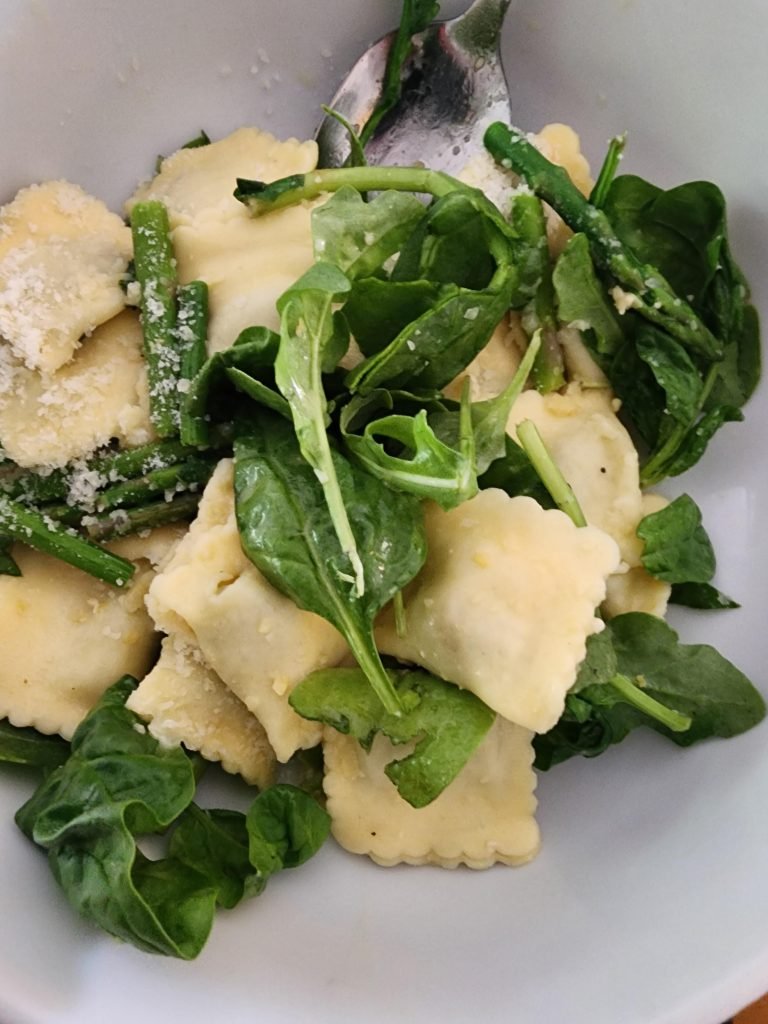
Weeknight dinners often feel like a impossible choice: fast but boring, or gourmet but hours of work. Trader Joe’s Lemon Pesto Pasta solves that dilemma entirely, delivering bright, zesty, herb-forward flavor in just 20 minutes with zero fancy cooking skills required. It’s the perfect 2026 staple for solo meals, last-minute dinner parties, or packed lunch meal prep, and it avoids the heavy, oily aftertaste that plagues so many store-bought pesto options. If you’ve been looking for a low-effort, high-reward pasta dish to add to your weekly rotation, this is it.
 Freshly plated lemon pesto pasta finished with a sprinkle of parmesan and fresh basil
Credit: patcooks.com
Freshly plated lemon pesto pasta finished with a sprinkle of parmesan and fresh basil
Credit: patcooks.com
Why This Trader Joe’s Lemon Pesto Pasta Deserves a Spot in Your Meal Rotation
This dish stands out from generic jarred pesto pasta for two key reasons: its perfectly balanced flavor profile, and Trader Joe’s consistent, high-quality ingredient standards. Unlike classic basil pesto, which can feel rich and heavy on warm days, the added lemon cuts through the pine nut and parmesan richness for a bright, refreshing bite that never feels overwhelming. In my testing of every Trader Joe’s pesto option over the last year, this lemon variety has the most consistent flavor batch to batch, with no bitter aftertaste from over-processed basil.
The Zest Advantage Over Classic Pesto
Traditional pesto relies on basil, pine nuts, parmesan, and olive oil for its signature rich, earthy flavor, but it often leans too heavy for casual weeknight meals. Trader Joe’s lemon pesto uses cold-pressed real lemon juice (not concentrate) to add a tangy, bright kick that lifts the entire dish. The acidity cuts through the fat of the olive oil and nuts, making every bite feel vibrant rather than coating your palate. For context, the fresh lemon juice adds a small boost of vitamin C and bright acidity that complements the herbal notes of the basil, per Harvard School of Public Health nutrition guidance.
Trader Joe’s Ingredient Quality Edge
Trader Joe’s sources basil from regional farms during peak growing season, and their pesto jars contain no artificial preservatives, fillers, or added refined sugar. A 6.7oz jar of their Lemon Basil Pesto costs just $3.99 (2026 pricing), a fraction of the $8+ price tag for equivalent specialty store pesto, with identical flavor and quality. If you’re watching your sodium intake, note that the classic pesto has 190mg of sodium per serving, but you can easily cut that by mixing in extra fresh lemon juice and basil to mellow the saltiness.
What You’ll Need for This Recipe
Getting the right ingredients is the only hard part of this 20-minute meal, and Trader Joe’s makes it easy with pre-made pesto and a range of pasta options that pair perfectly with the zesty sauce.
Trader Joe’s Pesto & Pasta Picks
Trader Joe’s carries two core lemon pesto options, both of which work for this recipe:
- Lemon Basil Pesto: The classic, bright, zesty option with a smooth texture, ideal for light summer meals.
- Vegan Kale, Cashew & Basil Pesto: A dairy-free, creamier option with a subtle earthy note from kale, perfect for vegan diners or those who prefer a richer sauce.
For pasta, their shelf-stable options work best:
- Cavatappi: Its spiral ridges hold pesto sauce perfectly for even flavor in every bite.
- Penne: The tube shape traps pesto inside for a burst of flavor with every forkful.
- Gluten-Free Brown Rice Pasta: A neutral-tasting gluten-free option that holds sauce well without getting mushy.
Optional Add-Ins for Custom Flair
While the base recipe is delicious on its own, these add-ins take it to the next level. Stick to 1 cup of total add-ins max to avoid overpowering the delicate pesto flavor:
- Proteins: 1 cup grilled chicken, ½ lb peeled shrimp, 1 block of crispy baked tofu
- Veggies: 1 cup roasted cherry tomatoes, 1 cup sautéed spinach, ½ cup roasted asparagus
- Toppings: 2 tbsp toasted pine nuts, ¼ cup grated parmesan, 1 tbsp fresh lemon zest, ¼ tsp red pepper flakes, fresh basil or parsley for garnish Pro tip: Scrub any fresh veggies you’re adding with a heavy-duty scrubber to remove dirt and debris before chopping.
 Trader Joe's shelf-stable lemon basil pesto, the star ingredient for this 20-minute meal
Credit: sporked.com
Trader Joe's shelf-stable lemon basil pesto, the star ingredient for this 20-minute meal
Credit: sporked.com
Step-by-Step Cooking Guide (20 Minutes Total)
This recipe requires almost no active cooking time, and follows a few key rules to avoid common mistakes like soggy pasta or bitter pesto.
1. Cook Pasta Al Dente Every Time
Fill a large pot with 4 quarts of water and 1 tbsp of kosher salt (the water should taste like seawater). Bring to a rolling boil, add your pasta, and stir immediately to prevent sticking. Cook for 1 minute less than the package instructions for al dente texture. Crucial rule: Do not rinse the pasta after draining! The starchy coating on the noodles helps the pesto cling evenly, preventing a watery, unevenly coated dish. Drain, reserving ½ cup of pasta water to loosen the sauce later if needed.
2. Toss With Pesto (No Heat Required!)
Take the pan off the heat entirely before adding the pesto — boiling pesto will cook off the fresh herb flavor and often turn bitter. Add the drained pasta to the pan, pour in the pesto, and toss to coat. If the sauce is too thick, add 1-2 tbsp of reserved pasta water until it reaches your desired consistency. The residual heat from the pasta will warm the pesto just enough to bring out its flavor without damaging the fresh ingredients.
3. Finish With Fresh Toppings
Transfer the pasta to serving bowls, top with your chosen add-ins, a sprinkle of freshly grated parmesan, a pinch of lemon zest, and fresh herbs. Serve immediately while warm.
Pro Tips for Restaurant-Quality Results
These small tweaks will elevate your pasta from good to great, and avoid the most common mistakes home cooks make with this dish.
Balance Brightness and Richness
If the pesto tastes too tangy, stir in 1 tsp of honey or 2 tbsp of ricotta to mellow the acidity. If it’s too rich or oily, add an extra squeeze of fresh lemon juice or a pinch of flaky sea salt to cut through the fat.
Make It Creamy (Dairy or Vegan)
For a richer, creamier texture, stir in 2 tbsp of heavy cream, mascarpone, or cashew cream (for vegan) after tossing with pesto. Avoid coconut milk, as its strong tropical flavor will overpower the delicate lemon and basil notes.
Avoid Common Mistakes
- Don’t use pre-shredded parmesan: it contains anti-caking agents that make the sauce grainy and clumpy. Grate your own fresh parmesan for the best texture.
- Don’t overcook the pasta: mushy noodles will fall apart when tossed with pesto, leading to a clumpy, unappetizing dish.
- Don’t store pasta and pesto together for more than 2 days: the pasta will absorb all the sauce and become soggy.
Serving & Pairing Ideas
The bright, zesty flavor of lemon pesto pairs well with light, fresh sides and crisp beverages that won’t overpower its delicate herbal notes.
Perfect Side Dishes
- Garlic bread or TJ’s crusty baguette for soaking up extra sauce
- Simple arugula salad with lemon vinaigrette for a fresh, crunchy contrast
- Roasted cherry tomatoes or asparagus for extra sweetness and color
- Grilled chicken or shrimp for a protein-packed main that won’t overshadow the pesto
Beverage Pairings That Complement the Zest
| Beverage | Why It Works |
|---|---|
| Sauvignon Blanc | Its crisp acidity and citrus notes lift the lemon pesto’s brightness |
| Pinot Grigio | Light, neutral flavor won’t overpower the delicate basil and lemon |
| Sparkling water with lemon | Cleanses the palate between bites, enhances the lemon flavor |
| Unsweetened iced mint tea | Subtle herbal notes complement the basil in the pesto |

Storage & Reheating for Zero Waste
Proper storage ensures your leftovers taste just as fresh as the day you made them, with no loss of that bright lemon zing.
Store Leftovers Properly
If you have leftovers, store the pasta and pesto separately in airtight containers in the coldest part of your fridge (the back, not the door, where temperatures fluctuate more) for up to 3 days. For longer storage, you can freeze the tossed pasta for up to 1 month; add 1 tsp of water when reheating to loosen the sauce. Always follow USDA food safety guidelines when storing perishable foods to avoid foodborne illness. If you have young kids in the house, store leftovers out of reach using no-drill cabinet locks for your fridge shelf to prevent accidental spills of spoiled food.
Reheat Without Losing Fresh Flavor
Avoid the microwave on high, as it will dry out the pasta and make the pesto bitter. Instead:
- Stovetop method: Place pasta in a pan over low heat, add 1 tsp of water or olive oil, and stir frequently until warm.
- Microwave method: Heat at 50% power in 1-minute intervals, stirring between each, and add a drop of water if it looks dry. Top with a sprinkle of fresh lemon zest after reheating to revive the bright, fresh flavor that often fades in the fridge.
Dietary Adjustments & Variations
This recipe is endlessly customizable to fit any dietary need or flavor preference:
Spicy Lemon Pesto Pasta
Add ¼ tsp of red pepper flakes to the pesto while tossing for a mild kick, or 1 tsp of Calabrian chili paste for medium heat. Top with spicy Italian sausage or pepperoni for an extra savory, spicy twist.
Vegan & Gluten-Free Swaps
Use TJ’s Gluten-Free Brown Rice Pasta or chickpea pasta for a gluten-free base, and their Vegan Kale, Cashew & Basil Pesto for a dairy-free sauce. Stir in 2 tbsp of nutritional yeast instead of parmesan for a cheesy, umami flavor. Add roasted zucchini or bell peppers for extra heartiness. Wipe down your counter and stovetop after cooking with a multi-surface cleaning set to cut down on post-meal cleanup time.
Low-Carb & Keto Option
Skip the pasta entirely and use spiralized zucchini (zoodles) or shirataki noodles as a base. Toss with the lemon pesto, add extra protein like grilled shrimp or chicken, and top with toasted pine nuts for a low-carb, keto-friendly meal that still delivers all the zesty flavor of the original.
Frequently Asked Questions
Q: Is Trader Joe’s Lemon Pesto Pasta vegetarian? A: The classic Lemon Basil Pesto contains parmesan cheese, so it’s suitable for lacto-vegetarians. The Vegan Kale, Cashew & Basil Pesto is fully vegan and vegetarian-friendly.
Q: Does the lemon pesto sauce contain added sugar? A: No, Trader Joe’s Lemon Basil Pesto is sweetened only with the natural sugars from fresh basil and lemon juice, with no added refined sugar.
Q: Can I use the lemon pesto for dishes besides pasta? A: Absolutely! It works great as a pizza sauce base, a spread for sandwiches and wraps, a drizzle for roasted vegetables, or a marinade for grilled chicken or shrimp.
Q: How long does an unopened jar of lemon pesto last in the pantry? A: Unopened jars of Trader Joe’s lemon pesto have a shelf life of 12 months when stored in a cool, dark pantry. Once opened, keep it refrigerated and use within 2 weeks for best flavor.
Q: How many servings does a jar of lemon pesto make? A: One 6.7oz jar coats 12-16oz of pasta, serving 3-4 people as a main dish, or 4-6 as a side.
Final Thoughts
This lemon pesto pasta is the ultimate weeknight hack: minimal prep, maximum flavor, and infinitely customizable to fit your dietary needs and taste preferences. It’s the kind of meal that feels special enough for a small dinner party but easy enough for a random Tuesday night, and it costs less than $5 per serving to make with Trader Joe’s ingredients. If you’re tired of boring, repetitive weeknight dinners, this is the must-try recipe you’ve been looking for.
Grab a jar of Trader Joe’s Lemon Basil Pesto on your next grocery run and test this 20-minute recipe tonight — it’s the easiest weeknight dinner win you’ll have all month. For more quick, budget-friendly Trader Joe’s meal hacks, browse our full blog library. If you’re cooking with young kids in the kitchen, make sure lower cabinets are secured with low-profile safety latches to prevent accidental spills of hot water or ingredients while you cook.

I’m Abby Lu, a passionate home cook who loves simplifying everyday meals. At PlugChef.com, I share product reviews and cooking guides to help you find the best tools for your kitchen.
Related posts:
 Seville Expandable Cabinet And Pantry Organizer: Space Savior
 Glideware Pull Out Cabinet Organizer for Pots & Pans: Space Saver
 Small 3-Tier Shelf Organizer: Maximize Space Effortlessly
 Trader Joe’S Spicy Lentil Wrap: Delicious, Healthy, and Quick Meal!
 Easy Way to Peel Pumpkin: Quick Tips for Effortless Prep
 How Long Do Grapes Last: Ultimate Freshness Guide Revealed

