
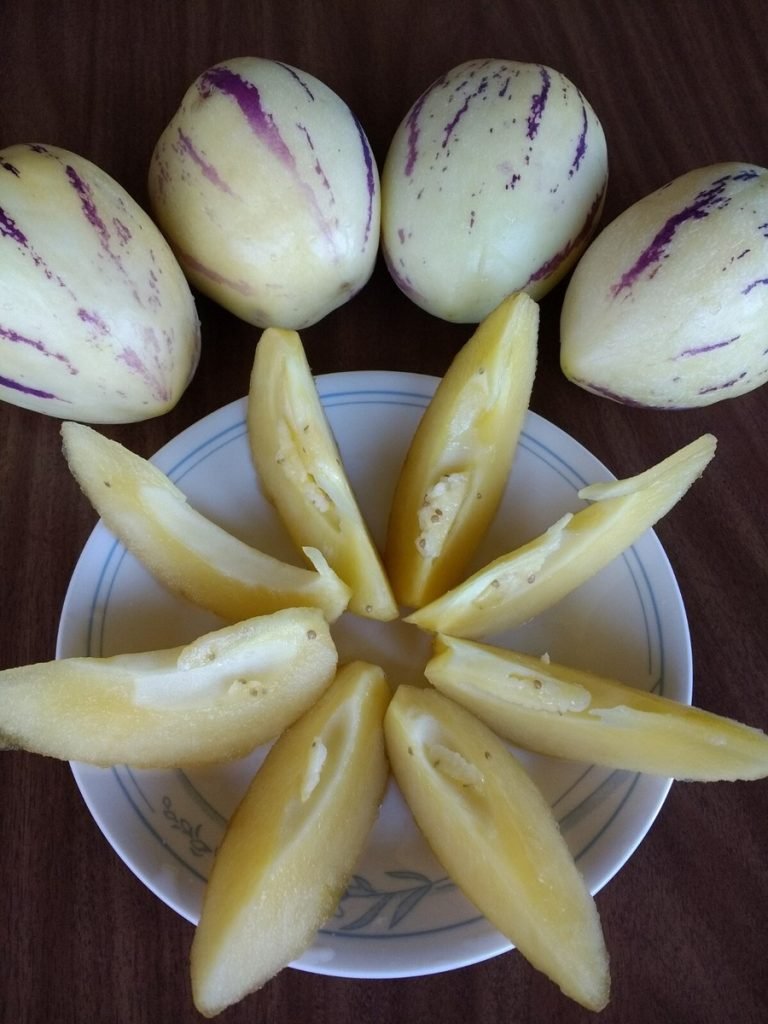
If you’ve ever wandered the produce aisle and spotted a pale, egg-shaped fruit dotted with bold purple stripes, you’ve likely found a pepino melon (Solanum muricatum), also called pepino dulce. This underrated South American native is as eye-catching as it is delicious, offering a crisp, juicy texture and balanced sweet-tang flavor that sets it apart from common melons and stone fruits. Packed with vitamins, low in sugar, and incredibly versatile in the kitchen, the white fruit with purple stripes deserves a spot in every adventurous eater’s rotation. In this guide, we’ll cover everything you need to know to identify, select, grow, cook with, and store this unique exotic fruit.
What Is the White Fruit With Purple Stripes?
The most common white fruit with distinct purple stripes is the pepino melon, a member of the nightshade family (Solanaceae) related to tomatoes, eggplants, and tomatillos. Native to the Andes Mountains of South America, it has been cultivated for centuries in countries like Peru and Ecuador, and is now grown commercially in New Zealand, California, and the Mediterranean for global export. Unlike many tropical exotic fruits, pepino melons thrive in mild, frost-free climates, making them accessible for home growers in many regions.
Botanical Background
Pepino plants are compact, bushy perennials that grow 2-3 feet tall, with small purple and white flowers that resemble tomato blossoms. The fruit itself is technically a berry, with a thin, edible white rind marked by variable purple striping, pale yellow flesh, and a small central core of tiny, crunchy edible seeds. The striping pattern is unique to each fruit, much like a human fingerprint, and develops more deeply as the fruit ripens in full sun.
How to Identify a Ripe Pepino Melon
A ripe pepino melon will have vivid, well-defined purple stripes against a bright white or pale cream rind, with no large green patches (a sign of immaturity). It should yield slightly to gentle pressure at the blossom end, similar to a ripe avocado, and emit a mild, sweet, melon-like aroma. Avoid fruits with soft spots, wrinkled skin, or faded stripes, as these are signs of overripeness or improper storage. Unripe pepinos have a bland, bitter flavor and will not sweeten further after picking.
 Whole ripe pepino melon, also called pepino dulce, showing its characteristic purple-striped white rind.
Credit: raredragonfruit.com.au
Whole ripe pepino melon, also called pepino dulce, showing its characteristic purple-striped white rind.
Credit: raredragonfruit.com.au
Distinctive Appearance & Varieties
The pepino melon’s striking visual appeal is its most recognizable feature, but not all varieties look identical. Breeders have developed dozens of cultivars to suit different climates and taste preferences, with variations in stripe pattern, size, and flavor profile.
| Variety | Origin | Stripe Pattern | Flavor Profile |
|---|---|---|---|
| 'El Camino' | California, USA | Thick, deep purple stripes on bright white skin | Extra sweet, low tang, honeydew-like |
| 'Sugar Papa' | New Zealand | Thin, faint purple stripes on creamy white skin | Balanced sweet-tang, subtle cucumber notes |
| 'Rio Grande' | South America | Bold, irregular purple stripes on pale yellow-tinged white | Bright tang, higher acidity, ideal for salsas and savory dishes |
When placed in a fruit bowl or on a grazing platter, pepino melons act as a natural centerpiece, their glossy skin and bold patterning adding visual interest to any spread. For polished presentation on grazing boards, use these charcuterie cutting guidelines to pair sliced pepino with cheeses, cured meats, and crackers for a balanced, colorful snack spread.
Flavor, Texture & Culinary Versatility
Many first-time tasters compare the flavor of ripe pepino melon to a cross between crisp cucumber, sweet honeydew, and a hint of citrus, with no bitter aftertaste when fully mature. Its texture is firm yet juicy, with a crisp bite that gives way to a refreshing, water-rich burst of flavor — similar to a cross between a cucumber and a ripe pear. This mild, balanced flavor makes it incredibly versatile in the kitchen, working equally well in sweet and savory applications.
Fresh Serving Ideas
Eating pepino melon raw is the best way to appreciate its natural flavor. Slice it into wedges for a quick, hydrating snack, or add it to fruit salads for a crisp, low-sugar alternative to watermelon or cantaloupe. For a savory twist, sprinkle sliced pepino with flaky sea salt, chili powder, or a squeeze of lime juice to amplify its natural tang. It also pairs beautifully with creamy cheeses like goat cheese or ricotta, and fresh herbs like mint and basil.
Sweet & Savory Recipes
Pepino melon holds its texture well when cooked, making it a great addition to salsas, stir-fries, and dessert fillings. Toss diced pepino with red onion, cilantro, and jalapeño for a refreshing salsa to serve with grilled fish or tacos. It also works well in baked goods: swap half the applesauce in muffin or cake recipes for pureed pepino for a subtle, sweet, moist crumb. For a light dessert, layer sliced pepino with Greek yogurt, granola, and a drizzle of honey for a healthy parfait.
Refreshing Beverages
The fruit’s high water content and mild sweetness make it perfect for drinks. Muddle sliced pepino with fresh lime and mint for a bright, non-alcoholic mocktail, or blend it with coconut water and ice for a tropical smoothie. You can also infuse water with thin slices of pepino for a refreshing, lightly flavored hydration option that’s far more interesting than plain water.
Nutritional Benefits & Health Advantages
Pepino melon is a nutrient-dense, low-calorie fruit that offers a range of health benefits with minimal sugar content. A typical 100-gram serving (about ½ cup of sliced fruit) contains just 20-25 calories, making it an excellent choice for weight management and hydrating snacks.
It is a good source of immune-supporting vitamin C, potassium for heart health, and magnesium for muscle and nerve function. The fruit’s high fiber content supports healthy digestion, while its antioxidant compounds (including flavonoids and phenolic acids) help reduce oxidative stress and support cellular health. Unlike many tropical fruits, pepino melon has a low glycemic index, making it a safe, sweet option for people monitoring their blood sugar levels.
Always scrub the thin, edible rind thoroughly under cool running water with a sturdy produce brush to remove any surface debris or pesticide residue before eating or prepping.
Growing & Harvesting Pepino Melon at Home
Pepino melons are surprisingly easy to grow for home gardeners in mild climates, as long as their specific needs are met. A common mistake new growers make is overwatering pepino plants, which leads to root rot and reduces fruit sweetness — in practice, letting the top 2 inches of soil dry out between waterings produces the best flavor. For region-specific growing tips and pest management advice, refer to the University of Florida IFAS Extension's pepino fact sheet, a trusted resource for home growers and small-scale farmers.
Ideal Growing Conditions
Pepino plants thrive in temperatures between 65°F and 85°F (18°C to 29°C), and cannot tolerate frost. They prefer well-drained soil rich in organic matter, with a slightly acidic pH between 6.0 and 6.8. Plants need 6+ hours of direct sunlight daily to produce fruit with deep, vibrant stripes. Good air circulation between plants also reduces risk of fungal diseases.
Harvesting Tips
Pepino melons mature 120-150 days after planting, and are ready to harvest when their stripes are fully developed and the fruit yields slightly to gentle pressure. Cut fruits from the vine with clean, sharp shears, leaving a 1-inch stem attached to extend shelf life. Harvest in the morning when temperatures are cool to preserve freshness and flavor. If you’re prepping a large batch of pepino for a gathering, a dedicated brush set makes quick work of washing multiple pieces at once.
Sustainable Growing Practices
If growing pepino melons at home, use organic compost instead of synthetic fertilizers to support soil health, and practice crop rotation each year to reduce pest pressure. Integrated pest management techniques like introducing beneficial insects (ladybugs, lacewings) to control aphids and spider mites reduce the need for chemical pesticides. Drip irrigation systems also conserve water and reduce the risk of fungal diseases caused by overhead watering.
Where to Buy & Store Pepino Melon
While pepino melons are not as widely available as apples or bananas, they are easy to find with a little effort, especially during their peak season (late summer through early fall in the Northern Hemisphere).
Where to Purchase
- Local farmers markets: Small-scale growers often bring rare, heirloom varieties of pepino melon to weekend markets, which are often fresher and more flavorful than mass-produced options. Arrive early for the best selection, and ask vendors about the variety they’re selling for context on flavor and texture.
- Specialty grocery stores: Urban specialty stores that focus on organic or exotic produce almost always stock pepino melons in season. Call ahead to confirm availability, as stock can sell out quickly.
- Online retailers: Several online exotic produce vendors ship fresh pepino melons nationwide, though shipping costs can be high for perishable items. Look for sellers with clear photos of their stock and transparent shipping policies to ensure you receive high-quality fruit.
Proper Storage Tips
Unripe pepino melons can be stored at room temperature, out of direct sunlight, for 3-5 days to allow them to ripen fully. Once ripe, store them in the crisper drawer of your refrigerator for up to 2 weeks. Cut pepino melon should be stored in an airtight container in the fridge for 3-5 days. For a kid-friendly snack option, store pre-cut pepino slices in the fridge behind child-safe cabinet locks to keep them out of reach of small children.
After prepping, a soap-dispensing scrubber makes washing cutting boards and utensils fast and hygienic.
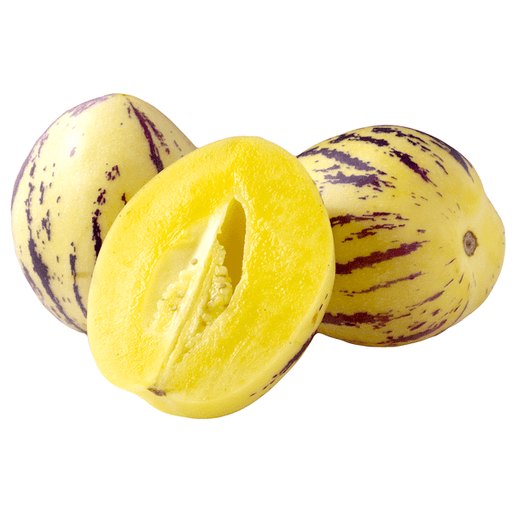 Cross-section of a ripe pepino melon, showing its soft, pale yellow flesh and edible central seeds.
Credit: www.melissas.com
Cross-section of a ripe pepino melon, showing its soft, pale yellow flesh and edible central seeds.
Credit: www.melissas.com
Cultural Significance
Beyond its culinary uses, the pepino melon holds cultural importance in its native South America and in regions where it has been adopted as a staple crop. In Andean communities, it has been used for centuries in traditional folk medicine to soothe digestive issues and reduce inflammation, with both the flesh and peel used in natural remedies. In New Zealand, where it is widely cultivated, pepino melons are a staple at summer harvest festivals, often served fresh with a sprinkle of salt or used in traditional Māori hangi (earth oven) feasts. Its bold, contrasting coloring has also made it a popular motif in traditional Andean textiles and pottery, symbolizing balance and the richness of the natural world.
 Freshly harvested pepino melons for sale at a local farmers market, a top spot to find rare exotic produce.
Credit: www.gumtree.com.au
Freshly harvested pepino melons for sale at a local farmers market, a top spot to find rare exotic produce.
Credit: www.gumtree.com.au
Frequently Asked Questions
What Is A White Fruit With Purple Stripes?
The most common white fruit with distinct purple stripes is the pepino melon (Solanum muricatum), also called pepino dulce. A member of the nightshade family (related to tomatoes and eggplants), it is native to the Andes Mountains of South America and cultivated globally in mild, frost-free climates. A small number of ornamental nightshade species have similar striped patterning, but these are toxic and not sold for consumption — always confirm you are purchasing pepino melons from a trusted vendor before eating.
Where Can I Find White Fruit With Purple Stripes?
Pepino melons are available at most specialty grocery stores, farmers markets, and online exotic produce retailers during their peak season (late summer through early fall in the Northern Hemisphere). Some large conventional supermarkets also stock them seasonally in areas with diverse produce selections, particularly on the U.S. West Coast and in major urban centers.
Are White Fruits With Purple Stripes Edible?
Yes, fully ripe pepino melons are completely edible, including their thin skin and small central seeds. Unripe fruits have a bland, bitter flavor and should be avoided. Always confirm the fruit is correctly identified as Solanum muricatum before consuming, as some toxic ornamental plants have similar visual characteristics.
How Do You Grow White Fruit With Purple Stripes?
Pepino melons grow best in warm, frost-free climates with well-drained, nutrient-rich soil and 6+ hours of direct sunlight daily. Plants are typically started from cuttings (not seeds) to preserve genetic traits, and fruit matures 120-150 days after planting. They are compact, bushy plants that grow well in containers or garden beds, making them accessible for home growers even with limited space. For region-specific pest and climate guidance, refer to the University of Florida IFAS Extension’s dedicated pepino growing resource. To follow safe handling practices for all fresh produce, consult the FDA's official produce safety guidance to reduce risk of foodborne illness.
Final Thoughts
The pepino melon, with its striking purple-striped white skin and bright, balanced flavor, is an underrated addition to any fruit rotation. Its versatility makes it equally at home in a quick fresh snack, a fancy charcuterie spread, or a refreshing summer beverage. Next time you spot it at a market or specialty store, grab one to try — its unique taste and eye-catching look make it a guaranteed conversation starter. For more easy ways to elevate your everyday meals and snack prep, browse our library of kitchen guides and product reviews.

I’m Abby Lu, a passionate home cook who loves simplifying everyday meals. At PlugChef.com, I share product reviews and cooking guides to help you find the best tools for your kitchen.
Related posts:
 Kitchen Sink Mats at Target: Enhance Your Kitchen Space
 Pinks Rose Print under Sink Mat: Elevate Your Kitchen Decor
 Oxo Good Grips Silicone Sink Mat: Ultimate Protection
 3 Shelf Hanging Closet Organizer: Maximize Your Space
 How to Cut Round Cheese for Charcuterie Board: Expert Tips & Tricks
 How to Mineral Oil Cutting Board: Ultimate Guide for Lasting Care

