
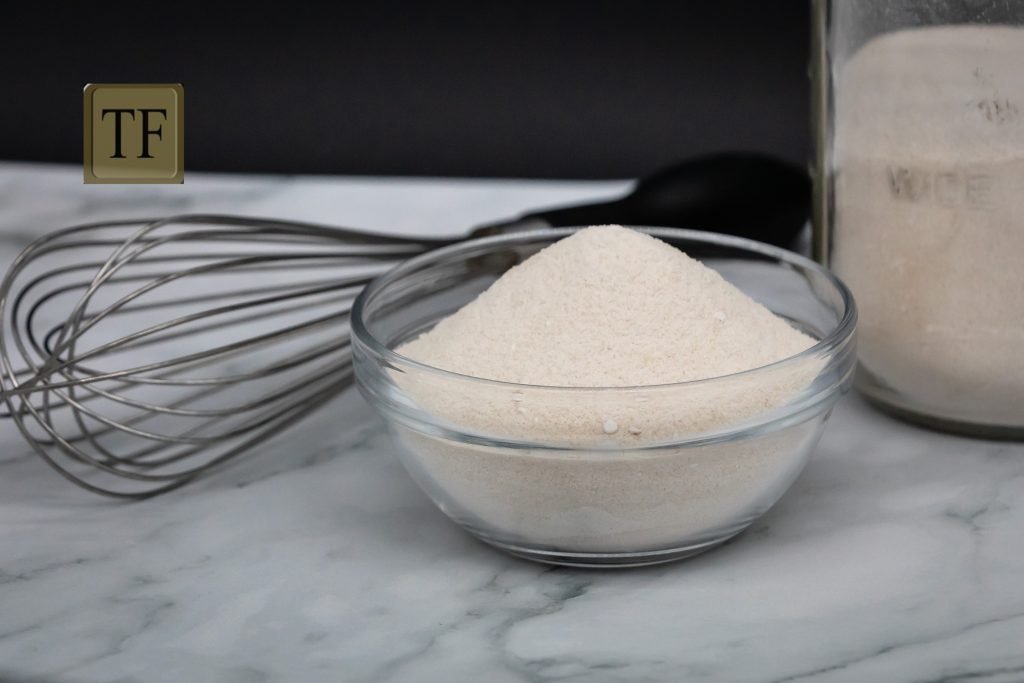
If you’ve ever bitten into a seemingly perfect sugar cookie only to hit a grittiness of undissolved sugar, or watched your lemon meringue pie weep a sugary liquid pool on top, you’ve encountered the limitations of standard granulated sugar. Many home bakers assume all granulated sugars are interchangeable, but super fine sugar—also called caster sugar in most of Europe, Australia, and parts of Asia—is a specialized staple designed to solve exactly these texture problems. Its tiny, uniform crystals dissolve far faster than standard granulated sugar, create smoother batters, and produce more consistent, professional-quality results in delicate recipes. In this ultimate guide, we’ll break down exactly what super fine sugar is, how it differs from other common sugars, when to use it (and when to skip it), how to make your own at home, and pro tips for storage and use to elevate your baking and beverage game.
What Exactly Is Super Fine Sugar?
Super fine sugar is a milled granulated sugar with crystals 0.2 to 0.4 millimeters in diameter, roughly half the width of standard granulated sugar (which measures 0.5 to 0.7 mm). It is produced by sifting standard cane or beet sugar through ultra-fine mesh, or by partially dissolving and recrystallizing granulated sugar to form uniform small crystals, with no added additives or fillers. In the UK, Australia, and most of Europe, it is universally labeled as caster sugar; in North America, you may also see it called baker’s sugar or super fine granulated sugar.
Visually, it looks like fine, damp sand rather than the coarse granules of standard sugar, and feels smooth when rubbed between your fingers with no grittiness. It dissolves 2 to 3 times faster than granulated sugar in cold liquids, leaving no residue at the bottom of iced drinks, and melts evenly when heated, with no bitter raw sugar patches.
To understand how it fits into the broader sugar family, compare its specs to other common varieties:
| Sugar Type | Crystal Size (mm) | Additives | Dissolving Speed in Cold Liquid | Common Use Cases | Baker Notes |
|---|---|---|---|---|---|
| Standard Granulated | 0.5 – 0.7 | None | Slow (30+ seconds) | General baking, sweetening hot beverages, toppings | Large crystals can leave grittiness in delicate recipes or cold drinks. |
| Super Fine (Caster) | 0.2 – 0.4 | None | Fast (5 – 10 seconds) | Delicate cakes, meringues, frostings, cocktails | Uniform crystals dissolve evenly, no added starches, ideal for smooth textures. |
| Powdered (Confectioners') | <0.1 | 3-5% cornstarch | Instant | Frostings, dusting desserts, thick icings | Cornstarch prevents clumping but inhibits browning and aeration. |
| Turbinado/Demerara | 0.8 – 1.2 | Trace molasses | Very slow | Topping for baked goods, sweetening coffee | Coarse crystals add crunch and molasses flavor, not suitable for dissolving. |
Super fine sugar’s uniform small crystal size—typically 0.2 to 0.4mm in diameter, roughly half the width of standard granulated sugar—changes how it performs in recipes, a core baking science principle detailed by the University of Minnesota Extension baking science fundamentals.
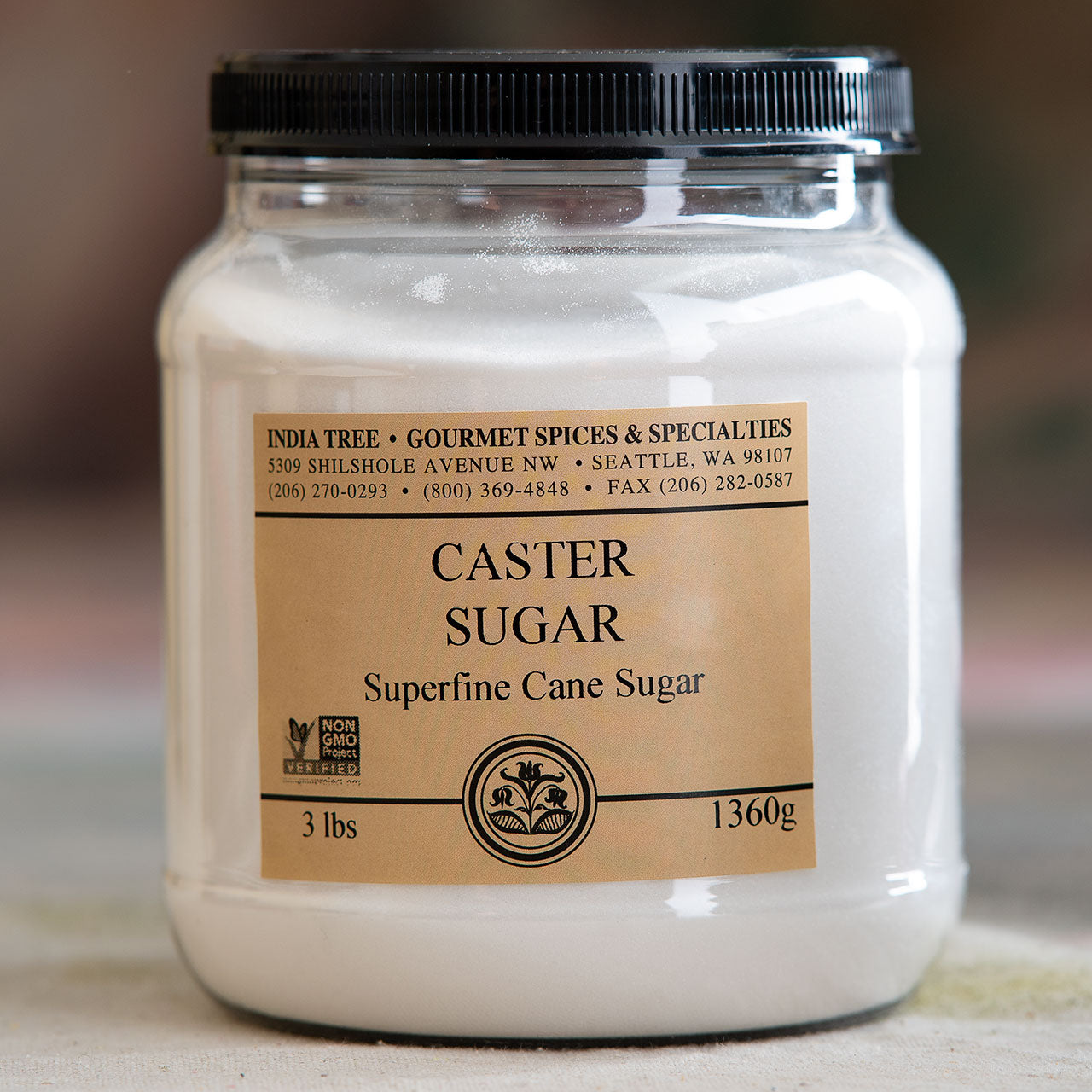 Super fine sugar has uniform, small crystals that dissolve instantly in cold liquids.
Credit: chefshop.com
Super fine sugar has uniform, small crystals that dissolve instantly in cold liquids.
Credit: chefshop.com
How Super Fine Sugar Differs From Other Common Sugars
While all granulated sugars share the same base sweetness and calorie count, their crystal size and additives create meaningful performance differences in the kitchen. The most common point of confusion is between super fine sugar and powdered (confectioners’) sugar: while both have fine textures, powdered sugar is ground to a powder and mixed with 3-5% cornstarch to prevent clumping, which makes it unsuitable for recipes that require aeration or caramelization, like meringues or creamed butter cookies. Super fine sugar has no additives, so it can be whipped into egg whites or creamed into butter just like standard granulated sugar, with none of the gumminess that cornstarch adds.
Some brands also label their slightly finer super fine sugar as "baker’s sugar," but for 99% of home baking use cases, the terms are interchangeable, with no noticeable performance difference. The only sugar with a similar crystal size is raw cane sugar, but it contains trace molasses that adds a subtle caramel flavor and darker color, making it unsuitable for recipes where pure, neutral sweetness is desired.
Key Benefits of Super Fine Sugar for Baking and Cooking
Super fine sugar’s unique physical properties translate to tangible improvements in a wide range of recipes, from delicate cakes to crisp cocktails. Below are the most impactful benefits for home cooks and bakers:
Faster, More Even Dissolution
The small crystal size of super fine sugar means it dissolves 2 to 3 times faster than standard granulated sugar in cold liquids, with no grittiness left behind. In iced tea, lemonade, or cocktails, it disappears in 5 to 10 seconds of stirring, compared to 30+ seconds for granulated sugar, which often leaves a gritty residue at the bottom of the glass. For meringues and frostings, this fast dissolution is critical: undissolved granulated sugar crystals in egg whites will weigh down the foam, leading to a dense, weepy meringue that collapses when baked, while super fine sugar incorporates fully to create a stable, glossy foam that holds its shape for days.
Smoother Batter and Dough Texture
When creamed with butter for cookies, cakes, or pastries, super fine sugar’s small crystals cut into the fat more evenly than large granulated crystals, creating thousands of tiny air pockets that lead to a lighter, fluffier crumb. For delicate sponge cakes or genoise, where a dense, gummy texture is a common pitfall, this even incorporation eliminates grittiness and creates a uniform, tender crumb. In practice, a vanilla butter cake made with super fine sugar will have a fine, even texture with no visible sugar specks, while the same recipe made with granulated sugar will often have a slightly denser, grittier feel.
More Consistent Caramelization and Browning
Because super fine sugar’s small crystals melt and caramelize at a lower, more even temperature than large granulated crystals, it produces uniform golden browning on cookies, cakes, and pastries, with no dark, burnt spots or raw, pale patches from uneven melting. This is especially impactful for sugar cookies and shortbread, where a consistent golden color is a marker of a perfectly baked batch.
 Toasted super fine sugar adds a deep, caramel-like flavor to baked goods and beverages.
Credit: food52.com
Toasted super fine sugar adds a deep, caramel-like flavor to baked goods and beverages.
Credit: food52.com
When to Use (and When to Skip) Super Fine Sugar
Super fine sugar is a functional upgrade, not a baking essential for every home cook. Knowing when to use it—and when standard granulated sugar works just fine—will help you avoid unnecessary purchases and get the best results from your recipes.
Ideal Use Cases
Reach for super fine sugar for these specific recipes, where its fast dissolving and fine texture make a noticeable difference:
- Delicate baked goods: Sponge cakes, genoise, angel food cake, macarons, madeleines, sugar cookies, and shortbread, where a fine, even crumb and no grittiness are critical.
- Meringues and frostings: French meringue, Swiss meringue buttercream, and whipped cream frostings, where undissolved sugar crystals will ruin the smooth, stable texture.
- Cold beverages and cocktails: Iced tea, lemonade, margaritas, martinis, and sweetened cold brew, where fast dissolution prevents gritty residue.
- Candies and confections: Fudge, caramels, and marshmallows, where even melting prevents a grainy final texture.
When You Can Safely Skip It
For these recipes, standard granulated sugar works perfectly well, and super fine sugar will not deliver a noticeable improvement:
- Recipes where sugar is melted first: Caramel sauce, toffee, and brittles, where granulated sugar melts completely regardless of crystal size.
- Recipes with a crunchy topping: Sprinkling on muffins, scones, or cookies, where coarse granulated or turbinado sugar creates a crisp, crunchy finish that super fine sugar cannot.
- Hearty baked goods: Brownies, chocolate chip cookies, banana bread, and soda bread, where the slight grittiness of granulated sugar is unnoticeable in the final product.
- Savory dishes: Where sugar is added for balance (e.g., in tomato sauce or barbecue rub), crystal size has no impact on the final result.
How to Substitute Super Fine Sugar At Home
If you don’t have super fine sugar on hand for a recipe that calls for it, you have two easy options, depending on your timeline and the recipe’s requirements:
DIY Super Fine Sugar Hack
You can make a functional substitute for super fine sugar at home in 30 seconds with a food processor or blender, perfect for last-minute baking needs:
- Measure out the exact amount of granulated sugar your recipe calls for (avoid making large batches, as homemade super fine sugar clumps faster than commercial versions).
- Pour the sugar into a clean, dry food processor or high-speed blender.
- Pulse in 1-second bursts for 5 to 10 total seconds, shaking the container between pulses to ensure even grinding.
- Sift the ground sugar through a fine-mesh sieve to remove any larger crystals or clumps.
Critical warning: Do not over-process! Blending for more than 15 seconds total will turn the sugar into powdered sugar, which is too fine and will make your baked goods gummy or your meringues dense. In practice, homemade super fine sugar works perfectly for chocolate chip cookies or pancake batter, but it’s not ideal for delicate French meringues, where even tiny undissolved crystals can cause the foam to collapse. Before grinding sugar at home, make sure your blender or food processor is free of leftover food particles by wiping it down with a multi-surface cleaning brush to avoid introducing off-flavors to your sugar.
1:1 Swap Guidelines
For most baked goods, you can swap granulated sugar for super fine sugar in a 1:1 ratio with no adjustment to other ingredients. You’ll notice a slightly finer crumb and no grittiness. For cold beverages or frostings, granulated sugar is not a perfect substitute, as it may not dissolve fully. For meringues and macarons, super fine sugar is strongly recommended, as granulated will lead to a failed batch.
Proper Storage for Super Fine Sugar
Because of its small crystal size, super fine sugar has more surface area than standard granulated sugar, making it far more prone to absorbing moisture and clumping if stored improperly. Follow these tips to keep it fresh and easy to use for months:
Best Storage Practices
- Use an airtight, moisture-proof container: Glass or BPA-free plastic with a tight-sealing lid works best. Avoid paper bags or cardboard boxes, which let humidity in.
- Keep in a cool, dark, dry spot: A pantry or cupboard away from the stove, dishwasher, or sunny windows is ideal, with temperatures between 60–75°F (15–24°C).
- Add a moisture absorber: A single grain of uncooked rice or a food-safe desiccant packet in the container will absorb excess moisture without altering the sugar's flavor.
- Avoid strong odors: Sugar is highly porous, so keep it away from onions, spices, or cleaning supplies to prevent it from absorbing off-flavors.
How to Fix Clumped Super Fine Sugar
If your sugar does clump, don’t throw it out: pour it into a food processor and pulse for 2 to 3 seconds, or sift it through a fine-mesh sieve to break up clumps. It will dissolve and perform exactly like fresh super fine sugar in all recipes. Keep your super fine sugar stored in cabinets secured with no-drill child locks to keep young children from accessing large quantities of sugar unsupervised. Once you’re done mixing batters, a quick scrub with a sturdy handled cleaning brush makes washing sticky mixing bowls far easier than a standard sponge.
Top Super Fine Sugar Brands and Where to Buy
Super fine sugar is widely available in most grocery stores and online, with a range of options for different budgets and dietary needs. Below are the most reliable, widely available brands as of 2026:
Popular, Reliable Brands
- C&H Super Fine Cane Sugar: The most widely available brand in North American grocery stores, made from 100% domestically grown cane sugar with uniform crystal size and no additives.
- Domino Super Fine Sugar: A close second in availability, works equally well for baking and beverage uses, and is often sold in bulk sizes for frequent bakers.
- Wholesome Sweeteners Organic Super Fine Sugar: Certified organic, non-GMO, and fair-trade, ideal for bakers who prioritize organic ingredients.
- Zulka Super Fine Cane Sugar: A popular option in Latin American and specialty grocery stores, with a subtle molasses note from unrefined cane sugar that adds depth to cookies and cocktails.
- India Tree Super Fine Castor Sugar: A premium brand often used in professional bakeries, with perfectly uniform crystals that deliver consistent results every time.
Where to Buy
You can find super fine sugar in the baking aisle of nearly all major grocery stores (Kroger, Safeway, Walmart, Target) labeled as either “super fine sugar” or “caster sugar.” For bulk purchases or specialty organic options, online retailers like Amazon, WebstaurantStore, and dedicated baking supply shops carry a wide range of brands.
 Super fine sugar is widely available in most grocery store baking aisles under labels like caster sugar or baker's sugar.
Credit: chefshop.com
Super fine sugar is widely available in most grocery store baking aisles under labels like caster sugar or baker's sugar.
Credit: chefshop.com
Common Super Fine Sugar Mistakes to Avoid
Even experienced bakers can run into issues with super fine sugar if they use it incorrectly. Avoid these common pitfalls to get perfect results every time:
- Substituting it for powdered sugar in frostings: Super fine sugar lacks the cornstarch in powdered sugar, so using it in place of powdered for buttercream or glaze will result in a runny, grainy frosting that won’t set properly.
- Over-grinding homemade super fine sugar: Over-processing turns it into powdered sugar, which will make your meringues dense and your baked goods gummy. Stick to 5 to 10 seconds of pulsing total when making your own.
- Using it for crunchy toppings: Super fine sugar will melt into the surface of baked goods instead of creating a crisp, crunchy topping, so use standard granulated or turbinado sugar for sprinkling on muffins, scones, or cookies.
- Storing it in a humid area: Because of its small crystal size, it clumps within hours if exposed to moisture, so keep it far from the stove, sink, or dishwasher. If you store your baking supplies in low cabinets, add kid-safe cabinet latches to keep curious toddlers from dumping sugar containers or other ingredients. For cleaning up sugary spills or sticky batter after baking, a stiff scrub brush is far more effective than a sponge for removing residue without scratching countertops or baking sheets.
Frequently Asked Questions
Is super fine sugar the same as caster sugar?
Yes, in almost all regions, "super fine sugar" and "caster sugar" are interchangeable terms for the same product: granulated sugar with small, uniform crystals that dissolve quickly. Some brands label their slightly finer product as "baker's sugar," but for 99% of home baking use cases, the three terms refer to the same ingredient with no meaningful performance difference.
Can I use super fine sugar in place of granulated sugar in any recipe?
For most baked goods (cookies, cakes, muffins, breads), you can swap 1:1 with no issues, and you’ll get a slightly finer, more uniform crumb. However, it’s not recommended for recipes where you need a crunchy sugar topping, or for cold beverages if you don’t have it on hand, as granulated sugar may not dissolve fully. For delicate recipes like meringues, macarons, or cocktails, super fine sugar is the preferred choice, and granulated is not a perfect substitute.
Does super fine sugar have a different sweetness level than regular sugar?
No, it has the exact same sweetness level as standard granulated cane or beet sugar. The only difference is crystal size, so you never need to adjust the amount of sugar in your recipe when swapping between the two.
Is super fine sugar healthier than regular sugar?
No, it has the exact same nutritional profile as standard granulated sugar, with 4 calories per gram and no added vitamins or minerals, per FDA guidance FDA Sugar and Nutrition Labeling Guidelines. It is a functional baking ingredient, not a health food.
Can I make super fine sugar from brown sugar?
Yes, but the resulting sugar will have a subtle molasses flavor and darker color, so it’s best used in recipes where that flavor is welcome (e.g., chocolate chip cookies, spice cakes, barbecue rubs) rather than delicate vanilla cakes or clear cocktails where pure sweetness is desired.
Conclusion
Super fine sugar is a simple, low-cost upgrade that can solve common baking and beverage texture problems, from grittiness in meringues to undissolved sugar in iced tea. While it’s not a necessity for every home cook, it’s a worthwhile pantry staple for anyone who bakes delicate cakes, makes homemade cocktails, or struggles with grainy frostings. Its fast dissolving speed, fine texture, and consistent performance make it a secret weapon for achieving professional-quality results at home. If you’re ready to test it out, pick up a small bag of super fine sugar on your next grocery run and try it in your next batch of sugar cookies or homemade lemonade—you’ll taste the difference immediately. For more baking tips and kitchen hacks, browse our latest kitchen guides for everything from cutting charcuterie to engraving custom cutting boards.

Hi, I’m Daniel Brooks—a food lover and kitchen gear enthusiast. I enjoy testing cookware, utensils, and gadgets to see what really works in everyday cooking. At PlugChef.com, I share honest reviews, comparisons, and simple guides to help you choose the best tools for a safer, smarter, and more enjoyable kitchen.
Related posts:
 How to Make a Fruit Basket for a Gift: Easy DIY Guide
 Do You Need a Basket? Essential Guide for Air Fryers
 How to Adjust Syrup Dispenser Pressure: Expert Tips
 Affresh Kitchen And Appliance Cleaner W10355010: Ultimate Guide
 Kitchen Color Ideas With White Appliances: Stunning Combinations
 Kitchen With Stainless Steel Appliances And White Cabinets: Elegance Redefined

