
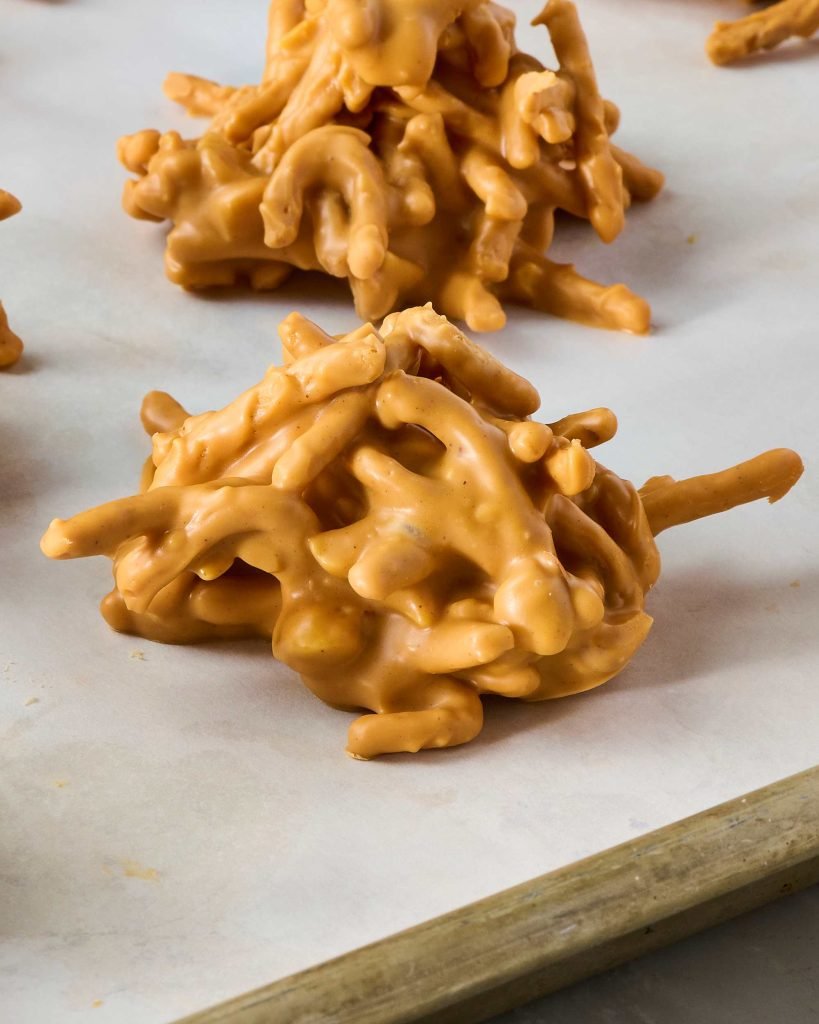
If you grew up attending North American potlucks in the 1990s or 2000s, you’ve almost certainly encountered a plate of these odd, crunchy, sweet treats: Chow Mein Peanut Butter Cookies, sometimes called haystack cookies, that combine the creamy, nutty richness of peanut butter with the salty, shatteringly crisp crunch of plain chow mein noodles. In 2026, this retro snack is having a major comeback, and for good reason: the perfect batch hits every note — chewy, crunchy, sweet, salty, and deeply nostalgic — in every single bite. Unlike standard peanut butter cookies that can feel one-note after a few bites, the unexpected addition of chow mein noodles creates a textural contrast that makes these treats impossible to eat just one of. Below, we’ll walk you through exactly how to make them at home, avoid common pitfalls, and customize them to your taste, plus tips for storing and serving them for any occasion.
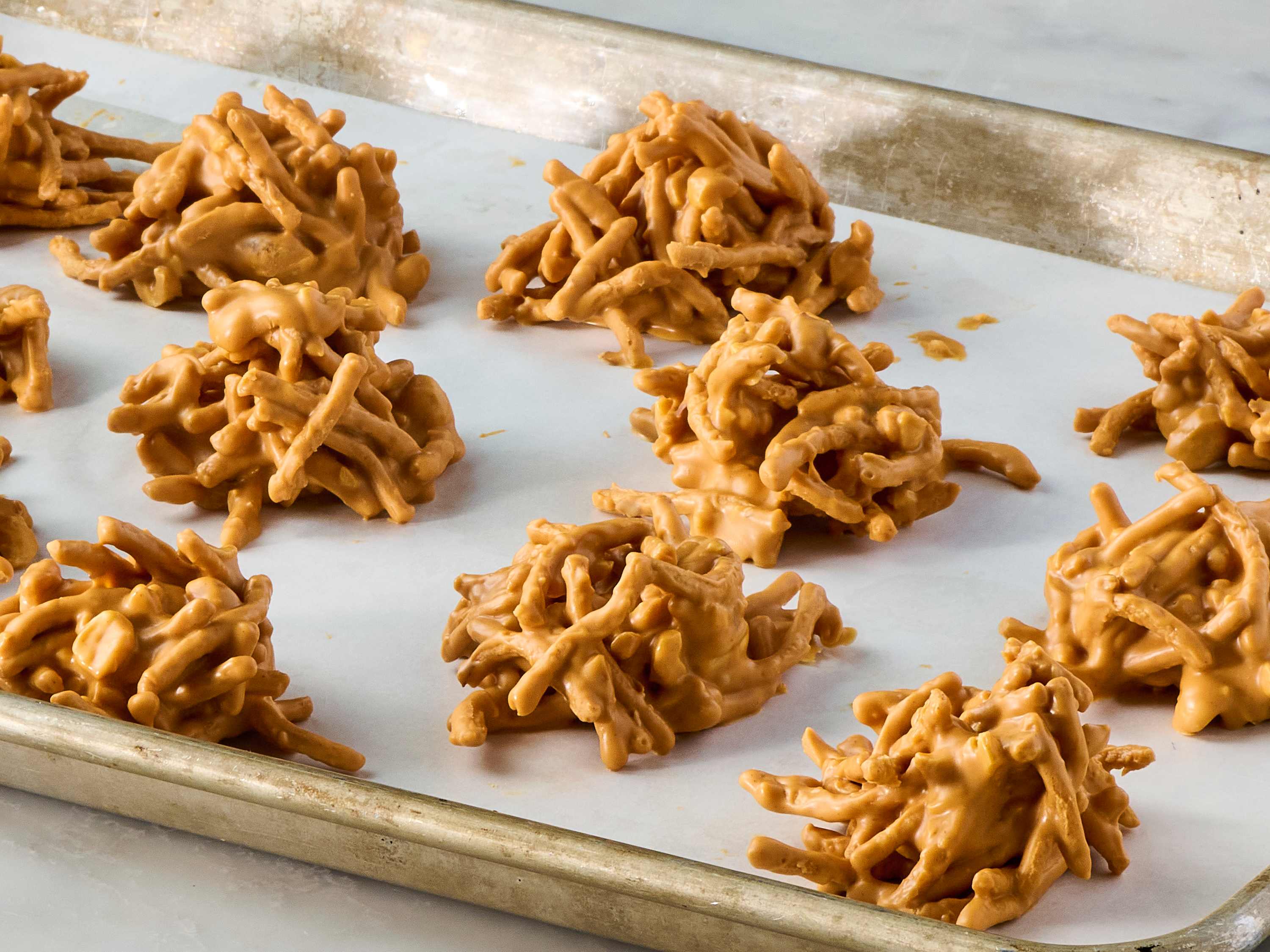 Freshly baked cookies have a golden edge and visible crispy noodle bits
What Are Chow Mein Peanut Butter Cookies?
Chow Mein Peanut Butter Cookies are a uniquely American baked good that emerged in the mid-20th century as a low-cost, low-effort potluck staple. They get their signature texture from folding thin, crispy plain chow mein noodles into a classic peanut butter cookie dough, creating a treat that balances chewy, dense peanut butter base with sharp, salty crunch in every bite. Unlike no-bake haystack cookies made with chocolate and marshmallows, this baked variation has a soft, chewy center and a crisp edge, making it a favorite for lunchboxes, bake sales, and casual family snacks. Their sweet-savory flavor profile also makes them a versatile pairing for everything from cold milk to craft beer.
The magic of these cookies lies in their textural contrast: the chewy peanut butter base gives way to a satisfying, shatteringly crisp crunch from the noodles, with a subtle salty finish that keeps you reaching for another bite. The variable texture prevents palate fatigue, a common issue with standard peanut butter cookies, making these a standout option for serving to groups.
Ingredient Deep Dive: What to Buy (and What to Skip)
The short ingredient list for these cookies is deceptive — small swaps can make the difference between a perfectly crunchy, chewy treat and a soggy, greasy disappointment. Below is a breakdown of every core ingredient, plus guidance on what to avoid.
Choosing the Right Chow Mein Noodles
The single most important ingredient for success is the type of chow mein noodle you use. You want thin, plain, crispy baked noodles — not the thick, fried, seasoned variety sold in party snack mixes. A common mistake bakers make is using fried snack mix noodles, which are overly oily, leave a greasy film on the cookies, and turn soggy during baking. In 2026, most grocery stores carry the correct thin variety in either the international aisle (near Asian noodle products) or the dry pasta aisle. Look for brands with a 2-3 ingredient list: wheat flour, salt, and a small amount of neutral oil like canola or sunflower. Avoid any noodles with added flavors, MSG, or extra seasoning, as these will overpower the subtle peanut butter flavor. If you can only find thick noodles, crush them lightly in a sealed bag with a rolling pin to reduce their chewiness before adding them to the dough.
Peanut Butter: Creamy, Chunky, or Something Else?
Standard no-stir processed peanut butter works far better than natural, oil-separated varieties for this recipe. The excess oil in natural peanut butter causes the dough to spread too thin during baking, and makes the noodles lose their crispness.
- Creamy peanut butter creates a smooth, uniform texture with a consistent, melt-in-your-mouth peanut flavor.
- Chunky peanut butter adds extra bursts of nutty crunch, for a more rustic, textured bite.
- For the best of both worlds, use a 50/50 mix of creamy and chunky peanut butter. If using unsalted peanut butter, add 1/4 tsp of fine sea salt to the dough to balance the sweetness of the noodles and sugar. If using salted peanut butter, omit the extra salt called for in the recipe to avoid over-salting.
Other Core Ingredients
Each remaining ingredient plays a specific role in the cookie’s texture and flavor:
- Granulated white sugar: Adds sweetness and helps create a crisp, golden edge.
- Packed brown sugar: Adds moisture, chew, and subtle caramel notes that complement the peanut butter.
- Large egg: Acts as a binder, gives the cookie structure, and prevents it from crumbling.
- Pure vanilla extract: Adds subtle depth that cuts through the richness of the peanut butter.
- Baking soda: Acts as a leavener, helping the cookies spread evenly for a uniform texture.
- Fine sea salt: Enhances all other flavors and balances the sweetness of the dough.
Step-by-Step Baking Guide for Perfect Cookies
This recipe comes together in 30 minutes of active time, with just 12 minutes of bake time. Follow these steps exactly for consistent, crowd-pleasing results every time.
- Prep your workspace: Preheat your oven to 350°F (175°C) for even, consistent heat. Line 2 large baking sheets with parchment paper (do not grease the sheets, as the sticky dough will spread too much on slick surfaces). Preheating your oven fully before baking not only ensures even cooking, but also aligns with USDA home baking safety recommendations to prevent undercooked dough from posing a food safety risk.
- Cream the wet ingredients: In a large mixing bowl, beat 1 cup of your chosen peanut butter, 1 cup granulated white sugar, and 1 cup packed brown sugar with an electric mixer on medium speed until light and fluffy, about 2 minutes. Add 1 large egg and 2 tsp pure vanilla extract, beating on low speed until just combined. Scrape down the sides of the bowl as needed to ensure even mixing.
- Add dry ingredients: Add 1 tsp baking soda and 1/4 tsp fine sea salt (omit the extra salt if using salted peanut butter) to the bowl, mixing on low speed until just incorporated. Do not overmix, as this will develop gluten in the flour and make the cookies tough.
- Fold in chow mein noodles: Measure 3 cups of thin, plain crispy chow mein noodles, breaking any large clumps into 1-inch pieces with your hands. Gently fold the noodles into the dough with a rubber spatula until evenly distributed. Do not overmix, as this will break the noodles into crumbs and eliminate the signature crunch.
- Portion and bake: Scoop the dough into 1-tbsp balls, rolling lightly in your hands to smooth them. Place the balls 2 inches apart on the prepared baking sheets to allow room for spreading. Bake for 10-12 minutes, until the edges are lightly golden and the centers look slightly underbaked (they will firm up fully as they cool). Do not overbake, as this will burn the noodles and dry out the peanut butter base.
- Cool completely: Let the cookies cool on the baking sheet for 5 full minutes before transferring them to a wire rack to cool completely. Skipping this step will cause the cookies to fall apart, as they are still soft and fragile when hot.
Common Baking Mistakes to Avoid
Even experienced bakers run into issues with this recipe. Avoid these frequent pitfalls for perfect results every time:
- Using thick or fried chow mein noodles: Leads to greasy, soggy cookies with a chewy texture instead of the signature crunch.
- Overmixing the dough after adding noodles: Breaks the noodles into tiny crumbs, eliminating the textural contrast that makes these cookies unique.
- Overbaking: Burns the noodles and dries out the peanut butter base, making the cookies hard and crumbly rather than chewy and crunchy.
- Skipping the cooling step on the baking sheet: The cookies are too soft to hold their shape when hot, and will break apart if moved too soon.
- Using natural, oil-separated peanut butter: The excess oil causes the dough to spread too thin, and makes the noodles lose their crispness.
- For family baking sessions, add drill-free cabinet locks to keep unsupervised kids from accessing baking supplies and hot ovens.
Customization Ideas: Variations and Add-Ins
The base recipe for these cookies is incredibly versatile, and works well with a wide range of mix-ins to suit any taste preference:
- Chocolate add-ins: Fold 1 cup of semi-sweet, milk, or white chocolate chips into the dough after adding the noodles, or drizzle melted chocolate over cooled cookies for an extra indulgent treat. For a salty-sweet twist, add 1/2 cup of crushed pretzel pieces alongside the chocolate.
- Nut additions: Add 1/2 cup of chopped pecans, walnuts, or almonds for extra crunch, or sprinkle 1/4 cup of roasted peanuts on top of dough balls before baking for a more intense nutty flavor.
- Spice enhancements: Add 1 tsp of ground cinnamon, 1/2 tsp of ground ginger, or a pinch of cayenne pepper to the dry ingredients for a warm, subtle kick. A sprinkle of flaky sea salt on top of the cookies right after they come out of the oven elevates the sweet-salty balance even more.
- Dietary swaps: For gluten-free cookies, use certified gluten-free chow mein noodles and ensure your peanut butter is certified gluten-free. For vegan cookies, substitute the egg with a flax egg (1 tbsp ground flaxseed mixed with 3 tbsp water, left to thicken for 5 minutes) and use a vegan no-stir peanut butter. For nut-free cookies, substitute the peanut butter with sunflower seed butter, which has a similar creamy texture and mild nutty flavor.
Storage and Serving Tips
Proper storage keeps these cookies fresh and crunchy for days, and their versatile flavor makes them work for almost any occasion.
Keeping Cookies Fresh
Store cooled cookies in an airtight container at room temperature, away from direct sunlight or heat sources, for up to 7 days. For longer storage, layer cookies between sheets of parchment paper in a sealed freezer bag, and freeze for up to 3 months. Thaw frozen cookies at room temperature for 1 hour before serving. To keep the noodles extra crispy for longer, place a slice of plain white bread in the bottom of the airtight container: the bread will absorb excess moisture without affecting the flavor of the cookies. Check the container every 2-3 days and replace the bread slice if it becomes damp. Before you start baking, clear off your countertops and secure any lower drawers holding cleaning supplies with no-screw drawer locks to keep them out of reach of young children.
Creative Serving Ideas
- Serve with a cold glass of dairy or oat milk for a classic after-school snack.
- Crumble cooled cookies over vanilla or chocolate ice cream for a quick, crunchy sundae topping.
- Use whole cookies as the base for ice cream sandwiches, with a spread of peanut butter or chocolate spread between two cookies.
- Crush cookies and sprinkle over yogurt, pudding, or fruit salad for a sweet, crunchy garnish.
- Pack in lunchboxes or bring to potlucks, picnics, and bake sales: they hold up well at room temperature and are a crowd-pleaser for all ages. After mixing and baking, you’ll likely have sticky peanut butter residue on your bowls and utensils. A sturdy kitchen cleaning brush makes scrubbing out hardened dough quick and painless, no soaking required.
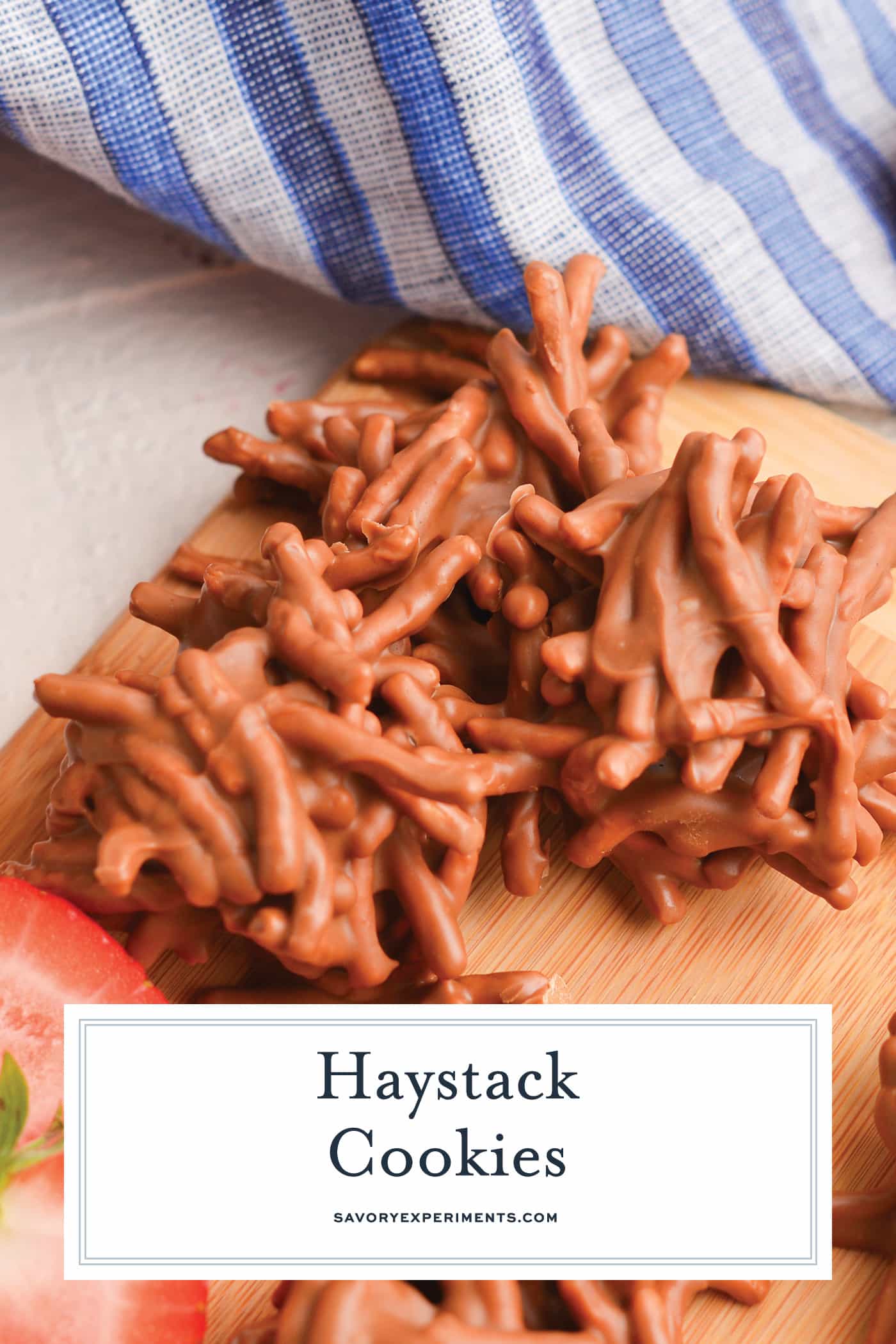 These haystack-style cookies get their signature crunch from crispy chow mein noodles
Beverage Pairings
The rich, nutty, sweet-salty flavor profile of these cookies pairs beautifully with a wide range of drinks, from casual everyday options to more adult-focused pairings.
Non-Alcoholic Options
- Cold milk (dairy or plant-based): The creamy texture balances the cookie's crunch and cuts through the richness of the peanut butter. Oat milk is a particularly good match, as its subtle sweetness complements the caramel notes from the brown sugar.
- Black tea: A robust black tea like English Breakfast or Earl Grey has enough tannins to cut through the cookie's sweetness, while citrus notes in Earl Grey brighten the salty finish.
- Cold brew coffee: The smooth, low-acidity bitterness of cold brew pairs perfectly with the peanut butter flavor, without overpowering the subtle crunch of the noodles.
- Sparkling apple cider: The bright, fruity acidity and light carbonation cleanse the palate between bites, making it a great option for kids and adults alike.
Alcoholic Pairings (for 21+)
- Light lager or pilsner: The crisp, mild bitterness of a light beer balances the sweetness of the cookie, making it a great match for backyard barbecues or casual game days.
- Amber ale: The malty, caramel notes of an amber ale complement the brown sugar in the cookie dough, for a more robust pairing.
- Cream liqueurs like Baileys or RumChata: The creamy, sweet texture matches the peanut butter base, for a decadent dessert-style pairing. If you’re baking with children, teach them kitchen safety early by keeping hot pans out of reach and using adjustable safety latches on lower drawers to block access to small, choking-hazard items like loose noodles or small utensils.
 Cooling cookies on a wire rack prevents sogginess and keeps the crust crisp
Frequently Asked Questions
What ingredients are in chow mein peanut butter cookies?
The core ingredients are thin, plain crispy chow mein noodles, no-stir peanut butter (creamy or chunky), granulated sugar, brown sugar, a large egg, pure vanilla extract, baking soda, and fine sea salt. Many bakers also add optional mix-ins like chocolate chips, nuts, or spices to customize the flavor.
How do you keep the chow mein noodles crunchy in the cookies?
The two key steps are using thin, plain, un-fried noodles (thick or fried noodles will turn soggy) and not overbaking the cookies. Fold the noodles in gently to avoid breaking them into crumbs, and bake only until the edges are lightly golden — the centers will look slightly underbaked, but they will firm up as they cool on the baking sheet.
Can I use fried snack mix chow mein noodles for this recipe?
No, we recommend only using the thin, crispy baked variety sold in the pasta or international aisle. Fried, seasoned snack mix chow mein noodles are too oily and will make your cookies greasy and soggy, and their added flavors will overpower the peanut butter.
Can I substitute peanut butter for another ingredient?
Yes, you can use sunflower seed butter for a nut-free version, or almond/cashew butter for a different nutty flavor. Avoid using natural, oil-separated nut butters, as the excess oil will cause the dough to spread too much and make the noodles lose their crunch.
How long do these cookies stay fresh?
Stored in an airtight container at room temperature, they will stay fresh for up to 7 days. For longer storage, freeze them for up to 3 months. Adding a slice of white bread to the container will help keep the noodles crispy by absorbing excess moisture.
Are these cookies kid-friendly?
Yes, their sweet, crunchy profile is a hit with most kids, but be sure to account for nut allergies if serving to groups. For households with toddlers, keep raw ingredients and hot baking sheets out of reach, and use childproofing locks on lower cabinets to block access to small, choking-hazard items like loose chow mein noodles.
Conclusion
Chow Mein Peanut Butter Cookies are the perfect no-fuss treat for anyone craving a unique mix of sweet, salty, and crunchy textures. With just a few simple ingredients and 30 minutes of active time, you can whip up a batch that’s perfect for potlucks, lunchboxes, late-night snacks, or holiday gift plates. The key to success is using the right noodles, avoiding common baking mistakes, and customizing the recipe to your taste preferences. For more easy, crowd-pleasing baking recipes, check out our latest blog posts for inspiration for your next kitchen project. Ready to make your first batch? Grab your mixing bowls, preheat your oven, and get ready for a cookie that will quickly become a new household favorite. Once you’ve portioned out cookies for storage, use an electric dish brush to wash your mixing bowls and baking sheets, cutting down on post-bake cleanup time significantly.

Hi, I’m Daniel Brooks—a food lover and kitchen gear enthusiast. I enjoy testing cookware, utensils, and gadgets to see what really works in everyday cooking. At PlugChef.com, I share honest reviews, comparisons, and simple guides to help you choose the best tools for a safer, smarter, and more enjoyable kitchen.
Related posts:
 Mainstays 10 Shelf Organizer With Fabric Cover: Maximize Space
 Oxo Good Grips Large Sink Mat: Ultimate Kitchen Protector
 3 Tier Pull down Spice Rack: Maximize Your Kitchen Space
 Kitchen Counter Shelf Wood: Transform Your Space Elegantly
 Swing Right Blind Corner Cabinet Organizer: Maximize Space
 Wall-Mounted Dish Drying Rack Ikea: Space-Saving Elegance

