
You’re about to enjoy a delicious pizza, but have you ever wondered what goes best with it? Choosing the perfect sides and drinks can turn a simple meal into an unforgettable experience.
Whether you like classic flavors or want to try something new, this guide will help you discover the ideal pairings that will make every bite better. Get ready to unlock the secret to the ultimate pizza feast!
Credit: www.tillamook.com
Popular Pizza Toppings
Popular pizza toppings can transform a simple pie into your favorite meal. Choosing the right toppings can make all the difference in flavor and satisfaction. Whether you like to keep it simple or get adventurous, there’s a topping combo waiting to delight your taste buds.
Classic Cheese And Pepperoni
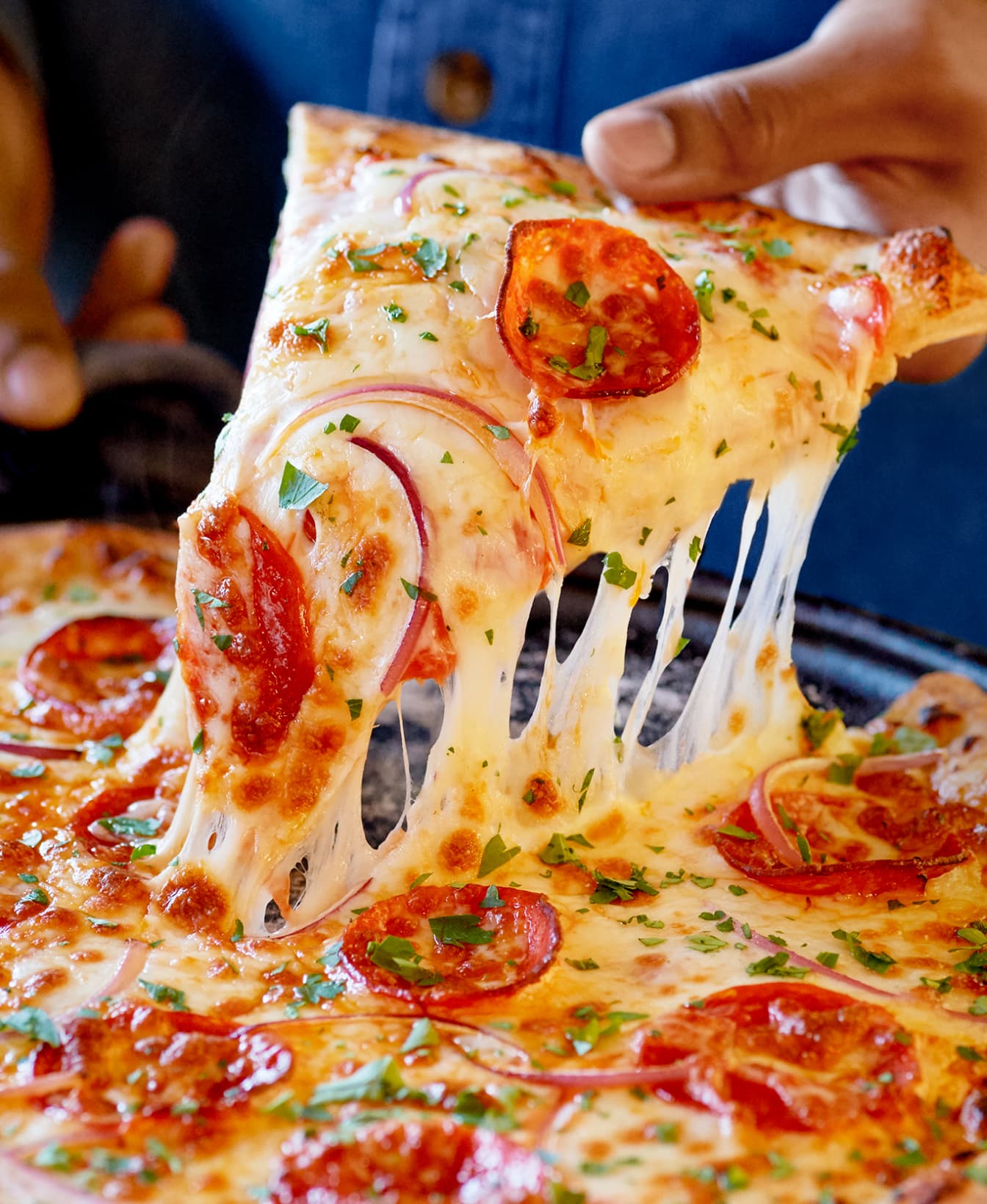
Cheese and pepperoni remain the most loved pizza toppings worldwide. The gooey, melted cheese blends perfectly with the spicy, crispy pepperoni slices. This combo offers a familiar taste that rarely disappoints, making it a safe yet delicious choice for any occasion.
Have you ever noticed how the pepperoni edges curl up and get slightly crispy? That little texture change adds a surprising punch of flavor. It’s a great example of how simple toppings can still excite your palate.
Vegetarian Favorites
If you want to add freshness and color to your pizza, vegetables are the way to go. Popular vegetarian toppings include mushrooms, bell peppers, onions, olives, and spinach. These ingredients add a variety of textures and subtle flavors that keep each bite interesting.
Try mixing different veggies to find your perfect balance. For instance, sweet bell peppers combined with earthy mushrooms create a rich flavor contrast. Do you prefer your veggies raw or roasted? That choice can change the entire pizza experience.
Meat Lovers’ Choices
Meat lovers often pile on toppings like sausage, bacon, ham, and ground beef. These toppings bring savory, hearty flavors that satisfy even the biggest appetites. Combining different meats can create a rich, bold profile that keeps every slice exciting.
Consider how the smoky taste of bacon contrasts with the spiced flavor of sausage. This contrast adds depth to your pizza without overwhelming your taste buds. What’s your favorite meat combo to bring extra zest?
Unique Gourmet Options
For those ready to experiment, gourmet toppings offer an exciting twist. Think sun-dried tomatoes, artichoke hearts, truffle oil, goat cheese, or even figs. These ingredients bring unexpected flavors that challenge your usual pizza routine.
Adding a drizzle of honey or balsamic glaze after baking can elevate the taste even more. Have you tried topping your pizza with fresh arugula or prosciutto? These toppings add freshness and a touch of luxury, making your pizza feel special.
Flavor Combinations To Try
Exploring different flavor combinations can turn a simple pizza into a delicious experience. Mixing tastes creates new sensations that excite your palate. Trying unique pairings helps find your favorite pizza style. Here are some flavor ideas to inspire your next pizza meal.
Sweet And Savory Mixes
Sweet and savory blends add balance and depth to pizza. Pineapple with ham is a classic choice. Honey drizzled over spicy sausage offers a nice contrast. Caramelized onions pair well with salty cheeses. These combinations make every bite interesting and tasty.
Spicy Toppings That Shine
Spice adds a bold kick that wakes up your taste buds. Jalapeños bring heat and crunch. Red pepper flakes sprinkled on top give a steady warmth. Spicy sausage or chorizo offers rich flavor with a fiery twist. Use spicy elements to add excitement without overpowering.
Herbs And Seasonings
Fresh herbs and seasonings brighten pizza flavors. Basil leaves add a sweet, fresh aroma. Oregano offers a classic, earthy taste. Garlic powder enhances savory notes. A sprinkle of black pepper adds subtle heat. Herbs and spices lift simple ingredients into something special.
Best Sides For Pizza
Pizza alone is a delightful treat. Yet, pairing it with the right sides can elevate your dining experience. Let’s explore some of the best sides for pizza that will bring joy to your taste buds.
Fresh Salads
Salads are a refreshing complement to pizza. They balance the rich flavors with crisp textures. A classic Caesar salad with romaine lettuce, croutons, and parmesan works well. Toss in some cherry tomatoes for added zest. Consider a Greek salad for a Mediterranean touch. It pairs olives, cucumbers, and feta cheese. These options provide a light contrast to the hearty pizza.
Garlic Bread And Dips
Garlic bread is a beloved side for pizza. The buttery, garlicky aroma is irresistible. Serve it warm and crispy for the best experience. Add some dips like marinara or ranch for extra flavor. These dips enhance the taste of both the bread and the pizza. You can also try cheesy breadsticks for a twist.
Appetizers That Complement
Appetizers set the mood for a pizza feast. Mozzarella sticks are a popular choice. Their gooey cheese center is a hit with everyone. Chicken wings add a spicy kick and variety. Choose mild or hot, depending on your preference. Another option is bruschetta with fresh tomatoes and basil. These appetizers harmonize with pizza, making your meal memorable.

Credit: www.acouplecooks.com
Drinks That Pair Well
Choosing the right drink to enjoy with your pizza can elevate the entire meal. Drinks don’t just quench your thirst—they can highlight the flavors of the crust, sauce, and toppings. Finding the perfect match depends on your taste and the type of pizza you’re enjoying.
Classic Soda Choices
Soda remains a popular choice for pizza lovers worldwide. The fizzy bubbles and sweet taste cut through the richness of cheese and meats, refreshing your palate with every sip.
Cola and lemon-lime sodas are the go-to picks, but don’t overlook root beer or ginger ale if you want a slightly different twist. These sodas bring a nostalgic, comforting feel to your pizza night.
Beer And Craft Brews
Beer pairs naturally with pizza, especially if you enjoy a casual, laid-back meal. Light lagers and pilsners balance out greasy slices, while IPAs offer hoppy bitterness that complements spicy toppings.
Try a wheat beer or a crisp pilsner for veggie-loaded pies, or a malty amber ale with meat-heavy options. Craft brews let you experiment with flavors, making each pizza experience unique.
Wine Selections
Wine might surprise you as a pizza companion, but it works beautifully. A medium-bodied red like Chianti or Sangiovese matches well with tomato sauce and herbs.
If you prefer white wine, go for a crisp Pinot Grigio or Sauvignon Blanc to balance cheese and vegetable toppings. Ever tried sparkling wine with your slice? It’s a refreshing option that livens up the meal.
Non-alcoholic Options
Not drinking alcohol doesn’t mean missing out on great pairings. Sparkling water with a squeeze of lemon or lime can cleanse your palate and keep flavors bright.
Fresh iced tea, whether sweetened or unsweetened, also complements pizza nicely. For a cozy vibe, try a warm herbal tea—chamomile or mint can soothe after a spicy bite.
Desserts To Finish
Pizza is a filling and flavorful meal. Ending with a dessert can make the experience complete. A good dessert balances the rich flavors of pizza. It refreshes the palate and leaves a sweet memory. Choose desserts that are easy and light. They complement pizza without feeling too heavy.
Sweet Treats After Pizza
Rich desserts work well after pizza. Think about classic options like chocolate cake or brownies. Their sweetness contrasts the savory taste of pizza. Ice cream also pairs nicely, especially vanilla or caramel flavors. These cold treats cool down the mouth. Fruit tarts or cheesecake offer a creamy, sweet finish. They add a touch of elegance to your meal.
Light And Refreshing Options
For a lighter end, fresh fruit is ideal. Slices of melon, berries, or pineapple are good choices. They cleanse the palate and add natural sweetness. Sorbets or frozen yogurt also refresh without heaviness. Lemon or berry flavors brighten up the meal. Herbal teas or a simple cup of coffee calm the appetite. These options keep the meal balanced and satisfying.

Credit: www.thechowtrain.com
Tips For Customizing Your Pizza
Customizing pizza lets you enjoy flavors made just for your taste. Small changes can create big differences. Choose toppings, crust, and more to match your mood and needs. Here are some tips to help you make the perfect pizza every time.
Balancing Toppings
Too many toppings can make your pizza soggy. Pick a few that go well together. Combine salty, sweet, and spicy for great flavor. Use fresh vegetables for a light crunch. Add protein like chicken, pepperoni, or tofu for richness. Remember, less is often more on pizza.
Considering Crust Types
Thin crust is crispy and light. It works well with many toppings and melts cheese nicely. Thick crust is soft and filling. It holds heavier toppings without getting soggy. Stuffed crust adds extra cheese inside the edges. Choose crust based on your hunger and topping choices.
Adjusting For Dietary Needs
Gluten-free crust suits those with gluten sensitivity. Vegan cheese and plant-based toppings fit vegan diets. Use low-fat cheese and lean meats for healthier options. Avoid ingredients that cause allergies. Many stores offer special crusts and toppings to meet these needs.
Frequently Asked Questions
What Drinks Pair Well With Pizza?
Soft drinks like cola, beer, and red wine complement pizza’s flavors. Sparkling water is a good non-alcoholic choice. These drinks balance the cheese and toppings well, enhancing your overall dining experience.
Which Side Dishes Go Best With Pizza?
Popular side dishes include garlic bread, salads, and mozzarella sticks. They add variety and balance to your meal, offering fresh or crispy textures alongside the pizza’s richness.
What Sauces Enhance Pizza Flavors?
Marinara, ranch, and garlic butter sauces are top choices. They add extra moisture and flavor, making each bite more delicious and satisfying without overpowering the pizza.
Are Desserts Good With Pizza Meals?
Yes, light desserts like gelato or fruit sorbet complement pizza. They provide a sweet contrast that cleanses the palate and rounds off your meal nicely.
Conclusion
Pizza pairs well with many tasty sides and drinks. Fresh salads add a nice crunch and light taste. Soft garlic bread and cheesy dips bring extra flavor. Cold soda or sparkling water cool the mouth perfectly. Choose what you enjoy most and mix flavors.
Sharing pizza with friends and family makes meals better. Simple choices often create the best pizza experience. Try different combinations to find your favorite match. Enjoy every bite and the company around you. Good food, good mood.

Hi, I’m Daniel Brooks—a food lover and kitchen gear enthusiast. I enjoy testing cookware, utensils, and gadgets to see what really works in everyday cooking. At PlugChef.com, I share honest reviews, comparisons, and simple guides to help you choose the best tools for a safer, smarter, and more enjoyable kitchen.
Related posts:
 What Type of Cooking Utensils are Safe: Expert Picks
 What Innovations Could Blenders Make: Unleashing Future Tech
 Smart Strategies to Organize a Small Kitchen: Maximize Space
 How to Organize a Kitchen Cabinet: Expert Tips & Tricks
 How to Organize Kitchen Drawers: Expert Tips and Tricks
 How to Organize a Corner Kitchen Cupboard: Expert Tips

