
Do you have a bunch of fresh mint and wonder if you can freeze it to make it last longer? You’re not alone.
Fresh mint adds a burst of flavor to your dishes and drinks, but it can spoil quickly. Freezing might be the perfect way to keep your mint fresh and ready whenever you need it. You’ll discover simple tips and tricks to freeze fresh mint properly, so you never waste a single leaf again.
Keep reading to unlock the secret to preserving your mint’s flavor and aroma effortlessly!
Why Freeze Fresh Mint
Freezing fresh mint helps keep its flavor and aroma for a long time. Mint spoils quickly if left fresh. Freezing stops the decay and holds the mint’s bright taste.
It saves money by preventing waste. You can enjoy fresh mint even when it’s not in season. Freezing makes cooking easier by having mint ready whenever needed.
Benefits Of Freezing Mint
- Preserves flavor for months
- Keeps aroma fresh and strong
- Prevents waste and spoilage
- Makes mint available year-round
- Easy to use in recipes
- Saves money by reducing shopping trips
When To Freeze Mint
- Freeze mint right after harvesting
- Best to freeze before leaves wilt
- Freeze mint before it flowers
- Ideal to freeze mint after washing and drying
- Freeze mint if you have more than you can use fresh
Preparing Mint For Freezing
Preparing mint for freezing helps keep its flavor and freshness. Proper steps ensure the leaves stay vibrant and tasty. Start with cleaning to remove dirt and bugs. Then dry and trim the leaves carefully. Sorting helps separate damaged leaves from the best ones. These simple tasks protect the quality during freezing.
Cleaning And Drying Leaves
Rinse mint leaves gently under cold water. Use your hands to remove dirt and bugs. Avoid soaking leaves for a long time. Place the leaves on a clean towel or paper towel. Pat them dry softly to remove moisture. Dry leaves freeze better and last longer.
Trimming And Sorting
Cut off the tough stems from the leaves. Keep only the soft, tender parts for freezing. Sort the leaves by size and quality. Remove any yellow or damaged leaves. This ensures only fresh, healthy leaves go into the freezer. Sorted leaves freeze evenly and taste better later.
Freezing Methods
Freezing fresh mint helps keep its flavor for months. There are simple ways to freeze mint to fit your cooking needs. Choose the best method based on how you want to use the mint later. Each method preserves the freshness and aroma in different ways.
Freezing Whole Leaves
Rinse mint leaves gently under cold water. Pat dry with a clean towel or paper towel. Spread the leaves in a single layer on a baking sheet. Place the sheet in the freezer for about 1-2 hours. Once frozen, transfer leaves to an airtight container or freezer bag. This method keeps the leaves intact and easy to grab.
Freezing Chopped Mint
Wash and dry mint leaves well. Chop the leaves finely with a sharp knife. Spread the chopped mint on a tray lined with parchment paper. Freeze for 1-2 hours until firm. Scoop the frozen mint into a sealed container or bag. This method works great for recipes needing small pieces of mint.
Using Ice Cube Trays
Chop fresh mint leaves and place them in ice cube trays. Fill each compartment with water or olive oil. Freeze the trays until solid. Pop out the cubes and store them in a freezer bag. Use these cubes to add fresh mint flavor to drinks or dishes easily.

Credit: lifecurrentsblog.com
Storing Frozen Mint
Fresh mint freezes well and keeps its flavor for months. Simply wash, dry, and store leaves in an airtight bag before freezing. Frozen mint works great in drinks and cooked dishes.
Freezing fresh mint is an excellent way to preserve its vibrant flavor and aroma for future use. Whether you’ve harvested mint from your garden or bought it in bulk from the store, freezing can ensure you have a ready supply. However, the key to maintaining its quality lies in how you store it. Let’s dive into the best practices for storing frozen mint effectively.Best Containers To Use
Selecting the right container is crucial for preserving the freshness of your mint. Airtight containers or freezer bags are ideal choices. They prevent moisture and air from affecting the mint’s flavor. Silicone freezer bags are a sustainable option that seals in the freshness and can be reused multiple times. You might also consider using ice cube trays. This method is particularly useful if you frequently add mint to drinks. Simply chop the mint, place it in the tray, cover with water or olive oil, and freeze. Once frozen, transfer the cubes to a freezer bag for easy access.Labeling And Dating
Labeling your frozen mint is a small step that can save you a lot of guesswork later. When you freeze mint, it’s easy to forget when you did so, especially if you have multiple frozen herbs. Use a permanent marker to label each container or bag with the contents and the date of freezing. This ensures you use the oldest mint first, maintaining a fresh rotation. If you’re someone who freezes many different herbs, consider using colored labels or a simple spreadsheet to keep track of what’s in your freezer. How do you organize your frozen herbs? A little organization can make all the difference in your culinary adventures!Using Frozen Mint
Frozen mint keeps its bright flavor and color well. Using it saves time and reduces waste. You can add frozen mint directly to many dishes. It works best in cooked recipes or drinks where texture is not a focus.
Thawing Tips
Thaw frozen mint gently to keep its aroma. Place the mint in the refrigerator for 10-15 minutes. Avoid using warm water as it can make leaves soggy. For drinks or cooking, add mint frozen to save time. Pat leaves dry if needed before use.
Cooking And Beverage Ideas
- Stir frozen mint into soups or stews for a fresh taste.
- Mix it into sauces or marinades to enhance flavor.
- Add frozen mint to smoothies or iced teas for cool freshness.
- Use it in cocktails like mojitos or mint juleps for a minty twist.
- Blend into salad dressings for a hint of mint.
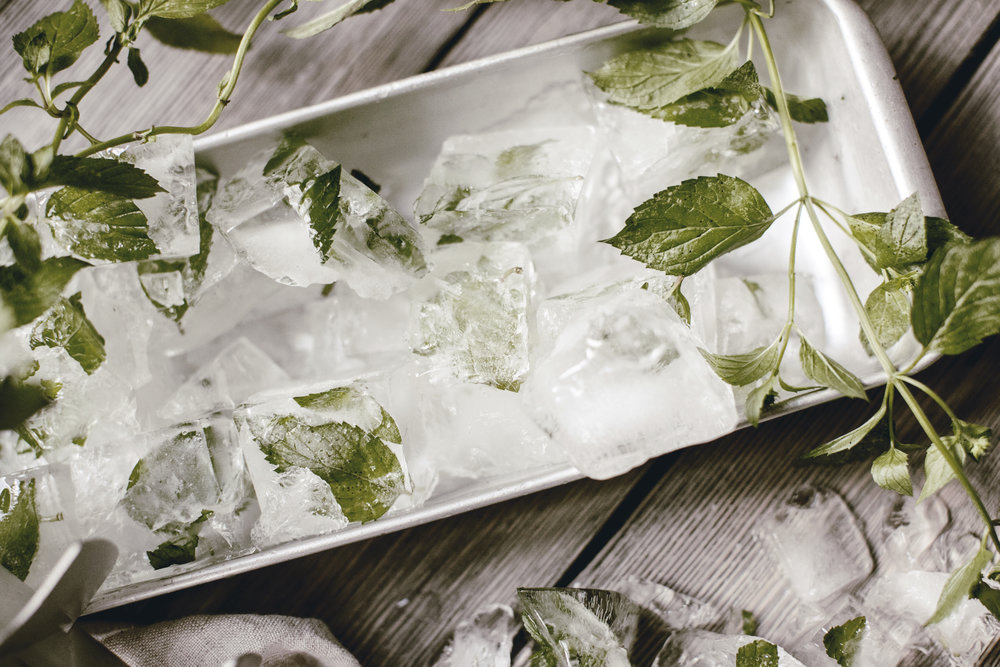
Credit: heirloomedblog.com
Common Mistakes To Avoid
Freezing fresh mint seems simple, but small mistakes can ruin its flavor and texture. Many people freeze mint incorrectly and end up with a mushy or tasteless herb. Avoiding these common errors will help you keep your mint fresh and vibrant, ready to enhance your dishes anytime.
Freezing Mint Without Washing It
It might seem okay to freeze mint straight from the garden or store, but dirt and bugs can spoil the batch. Washing your mint before freezing removes any unwanted particles and helps maintain freshness.
However, make sure to dry the leaves thoroughly after washing. Excess water can cause ice crystals to form, which damages the leaves’ texture.
Freezing Whole Sprigs Instead Of Leaves
Freezing whole sprigs takes up more space and makes it harder to use only what you need later. Separating leaves before freezing lets you grab small amounts easily.
Try removing the leaves from the stems and spreading them out on a tray to freeze individually. This step prevents clumping and preserves their shape.
Not Using Proper Containers Or Bags
Using regular plastic bags or containers can expose mint to air, causing freezer burn and loss of flavor. Airtight containers or heavy-duty freezer bags work best to protect your mint.
Press out as much air as possible before sealing to keep the mint fresh longer. Label the bags with the date to track how long they’ve been stored.
Freezing Without Portioning
Freezing all your mint in one large batch makes it tough to thaw just the right amount. Portion your mint into small servings before freezing to avoid waste.
Consider freezing mint in ice cube trays with a little water or olive oil. This method gives you ready-to-use portions perfect for drinks or cooking.
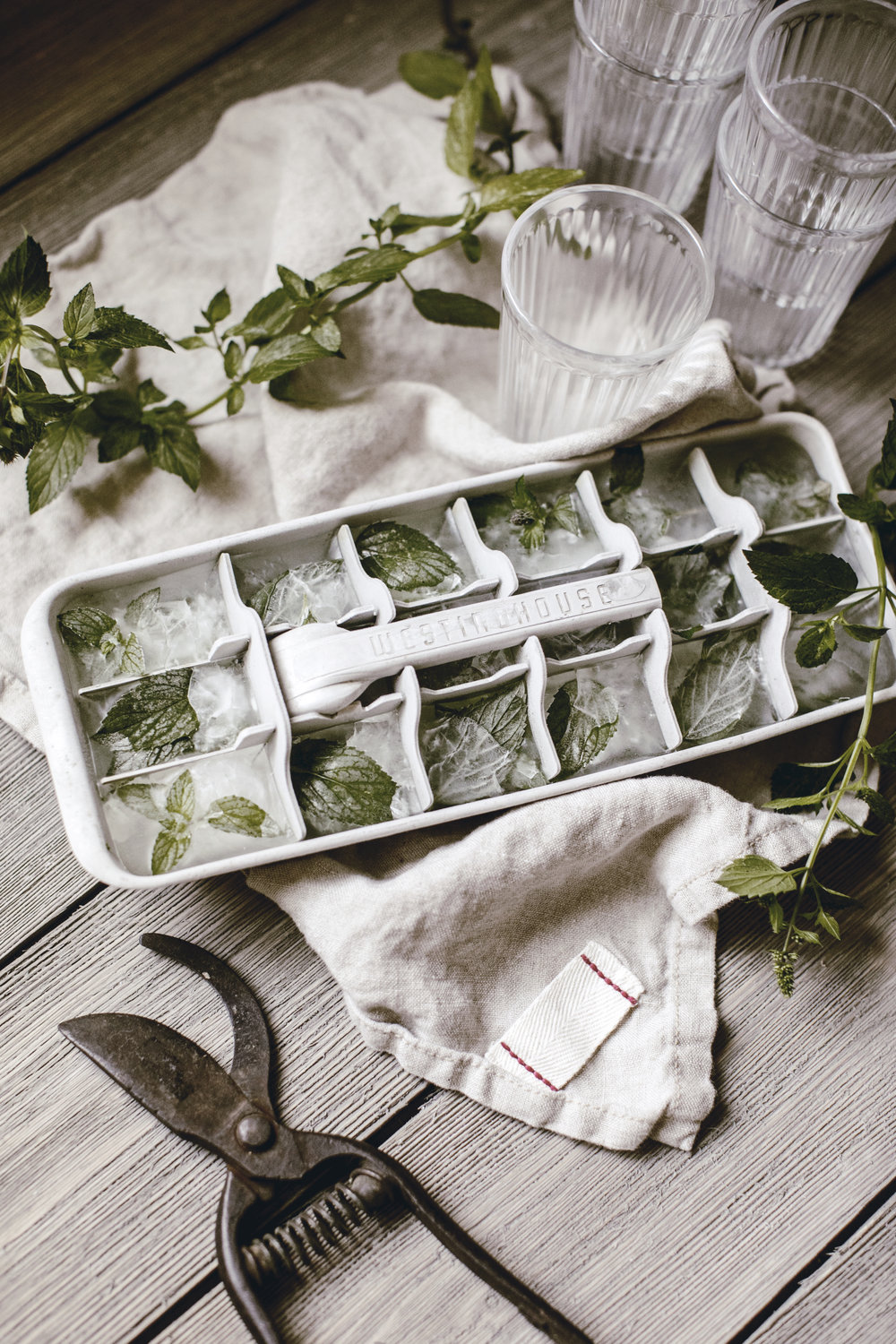
Credit: heirloomedblog.com
Frequently Asked Questions
Can I Freeze Fresh Mint Leaves Directly?
Yes, you can freeze fresh mint leaves directly. Rinse, dry, and spread them on a tray. Freeze until solid, then transfer to a sealed bag. This preserves flavor and aroma for months.
How Long Does Frozen Fresh Mint Last?
Frozen fresh mint typically lasts 3 to 6 months. Store it in an airtight container or freezer bag to maintain freshness and prevent freezer burn.
Does Freezing Affect Mint’s Flavor?
Freezing can slightly mellow mint’s flavor but keeps most of its aroma. It remains suitable for cooking, teas, and cocktails after freezing.
Should I Blanch Mint Before Freezing?
Blanching mint is optional. It helps preserve color and flavor but can soften leaves. Many prefer freezing mint raw for convenience and fresh taste.
Conclusion
Freezing fresh mint keeps it fresh for a long time. You can use frozen mint in drinks and cooking easily. Just wash and dry the leaves well before freezing. Frozen mint won’t stay crisp but still tastes good. This method helps reduce waste and saves money.
Keep mint in small portions for quick use. Enjoy fresh flavor anytime without rushing to use it. Freezing is a simple way to store your mint longer. Try it and see how convenient it can be.

Hi, I’m Daniel Brooks—a food lover and kitchen gear enthusiast. I enjoy testing cookware, utensils, and gadgets to see what really works in everyday cooking. At PlugChef.com, I share honest reviews, comparisons, and simple guides to help you choose the best tools for a safer, smarter, and more enjoyable kitchen.
Related posts:
 What Type of Cooking Utensils are Safe: Expert Picks
 What Innovations Could Blenders Make: Unleashing Future Tech
 Smart Strategies to Organize a Small Kitchen: Maximize Space
 How to Organize a Kitchen Cabinet: Expert Tips & Tricks
 How to Organize Kitchen Drawers: Expert Tips and Tricks
 How to Organize a Corner Kitchen Cupboard: Expert Tips

