
Have you ever seen the term “VAT pasteurized” on a milk carton or food label and wondered what it really means? Understanding this term can help you make better choices for your health and your family’s safety.
You might be surprised how this simple process affects the quality and safety of the dairy products you enjoy every day. Keep reading to discover what VAT pasteurization is, why it matters, and how it impacts the food you eat.
This knowledge will empower you to shop smarter and feel more confident about what’s in your fridge.
Vat Pasteurization Basics
Understanding vat pasteurization is key if you want to make informed choices about dairy products. This method is one of the oldest and most trusted ways to make milk safe without losing its natural flavor. Let’s break down what vat pasteurization means and how it works.
Definition Of Vat Pasteurization
Vat pasteurization is a process that heats milk to a specific temperature for a set period to kill harmful bacteria. Unlike faster pasteurization methods, this one uses lower heat but for a longer time. This helps preserve more of the milk’s original taste and nutritional value.
Typically, milk is heated to about 145°F (63°C) and held at that temperature for 30 minutes. You might see this method labeled on milk cartons, often called “batch pasteurization.” It’s common in small dairies and farms that focus on quality over quantity.
How Vat Pasteurization Works
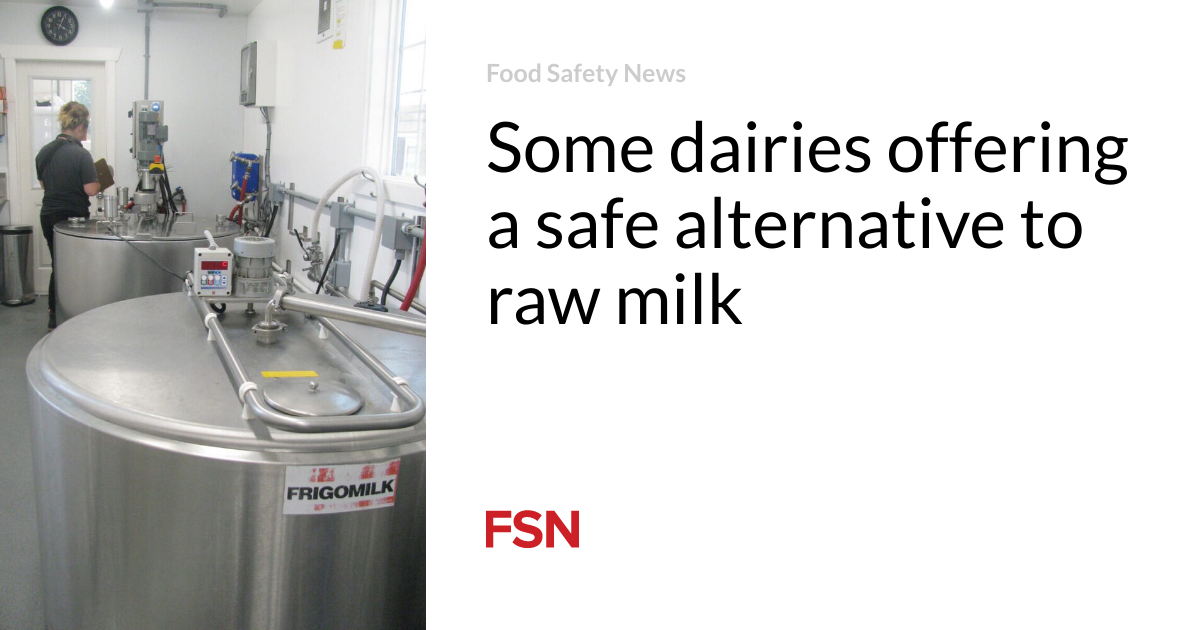
In vat pasteurization, milk is poured into large, temperature-controlled vats. These vats keep the milk at a steady warm temperature long enough to kill bacteria but not cook the milk.
The key is careful temperature control. If the milk gets too hot or stays hot for too long, it can change the flavor and texture. Too cool, and bacteria might survive.
- Milk is first cooled to about 38°F (3°C) to keep it fresh before pasteurization.
- It’s then heated slowly to 145°F (63°C).
- The milk stays at this temperature for 30 minutes while being gently stirred.
- Finally, it’s rapidly cooled down to about 38°F again.
This slower heating and cooling process makes a big difference in taste. Have you noticed how some milk tastes creamier or fresher? Vat pasteurization might be why.

Credit: www.foodsafetynews.com
Differences From Other Methods
Vat pasteurization differs from other pasteurization methods in temperature and time. This method heats milk or juice to a lower temperature but for a longer period. Other methods use higher heat but shorter times. These differences impact the final product’s taste, texture, and nutrition.
Vat Vs. High-temperature Short-time Pasteurization
Vat pasteurization heats liquids at about 145°F (63°C) for 30 minutes. It uses gentle heat to kill harmful bacteria slowly. High-Temperature Short-Time (HTST) pasteurization heats liquids at 161°F (72°C) but only for 15 seconds. HTST uses more heat for a shorter time to kill bacteria quickly.
The longer heating time in vat pasteurization changes the milk less. HTST pasteurization can slightly affect texture and flavor due to rapid heating. Vat pasteurization needs large tanks, while HTST uses machines that heat and cool quickly.
Impact On Nutrients And Flavor
Vat pasteurization keeps more natural flavors and nutrients. The slow, lower heat protects vitamins like B12 and C. The milk or juice tastes closer to fresh because it is less cooked.
HTST pasteurization can reduce some vitamins and change the taste. The quick, high heat may cause a cooked flavor in milk. Some people find vat pasteurized products creamier and richer.
Common Uses Of Vat Pasteurization
Vat pasteurization is a traditional method that gently heats liquids. This process helps in killing harmful bacteria while keeping the flavor intact. It is commonly used in many food industries, ensuring products are safe and delicious. Let’s explore some common uses of vat pasteurization.
Dairy Products
Vat pasteurization is popular in the dairy industry. It is used to pasteurize milk, yogurt, and cheese. This method preserves the creamy texture and rich flavors of dairy. It also helps maintain the nutritional value of milk. Many artisanal cheese makers prefer this method. They believe it enhances the natural flavors of cheese. The gentle heating process is ideal for sensitive dairy products.
Other Food Applications
Besides dairy, vat pasteurization is used for eggs. It ensures eggs are safe without cooking them. This is important for recipes using raw eggs. Juices and cider also benefit from this method. The process retains the fresh taste of fruits. It extends shelf life without adding preservatives. Sauces and soups often undergo vat pasteurization. This ensures they are safe for consumption while maintaining their original taste. The method’s gentle approach makes it suitable for many food products.

Credit: shefaliohara.medium.com
Benefits Of Vat Pasteurized Products
Vat pasteurization offers several advantages that make its products stand out in quality and safety. This method gently heats dairy and other liquids, preserving their natural qualities while ensuring they are safe to consume. Understanding these benefits can help you make better choices for your health and taste preferences.
Safety And Shelf Life
Vat pasteurization kills harmful bacteria effectively, making products safe to consume. The process heats the product at a lower temperature but for a longer time, which minimizes damage to nutrients.
This method also extends shelf life, but not as long as ultra-pasteurization. You get a balance between freshness and safety, which is ideal if you prefer natural flavors without preservatives.
Taste And Texture
Vat pasteurized products often taste closer to fresh milk or juice. The gentle heat treatment helps retain the original flavor, making the taste more natural and less cooked or “cooked” compared to high-heat methods.
The texture remains smooth and creamy, which you may notice especially in dairy products like milk and cream. If you’ve ever tried fresh milk straight from the farm, vat pasteurized products come closest to that experience in stores.
Labeling And Consumer Awareness
Understanding VAT pasteurization starts with knowing how it’s labeled and what that means for you as a consumer. Labels are your window into the product’s safety and quality. Being aware of what to look for helps you make smarter choices at the store.
Reading Product Labels
Look closely at the packaging for terms like “Vat Pasteurized”or “Batch Pasteurized”. These terms indicate the milk was heated slowly at a lower temperature, usually around 145°F for 30 minutes.
Labels might also show the pasteurization date and the expiration date. Check these dates to ensure freshness and safety. Sometimes, the label will include additional details about the process, which can help you understand the quality better.
Have you ever noticed how some labels highlight “raw” or “ultra-pasteurized”? Those indicate very different processes. Knowing these differences helps you avoid surprises in taste or shelf life.
What To Expect When Buying
When you pick up a VAT pasteurized product, expect a slightly creamier texture and richer flavor compared to ultra-pasteurized options. This is because the lower heat preserves more of the milk’s natural characteristics.
VAT pasteurized milk usually has a shorter shelf life, so plan to use it sooner. It’s often found in local or specialty stores rather than big supermarkets, so availability might vary where you live.
Ask yourself: Do you prefer a fresher taste or longer shelf life? Your answer will guide your choice between VAT pasteurized and other milk types. Remember, being informed helps you enjoy your purchase fully and safely.
Credit: www.foodsafetynews.com
Frequently Asked Questions
What Does Vat Pasteurized Mean In Dairy Products?
Vat pasteurized means milk is heated in a large container at 145°F for 30 minutes. This method kills harmful bacteria while preserving taste and nutrients. It is a slower, gentler pasteurization compared to high-temperature methods, ensuring safety and quality in dairy products.
How Is Vat Pasteurization Different From Other Methods?
Vat pasteurization heats milk at a lower temperature for a longer time. Unlike high-temperature short-time (HTST) pasteurization, it uses 145°F for 30 minutes. This preserves more natural flavor and nutrients but takes longer to process the milk.
Is Vat Pasteurized Milk Safer To Consume?
Yes, vat pasteurization effectively kills harmful bacteria and pathogens. It ensures milk safety while maintaining better taste and nutritional quality. This method reduces health risks linked to raw milk without compromising flavor.
Does Vat Pasteurization Affect Milk’s Nutritional Value?
Vat pasteurization preserves more nutrients than high-heat methods. The lower temperature and longer time help maintain vitamins and proteins. It offers a good balance between safety and nutritional retention in milk.
Conclusion
Vat pasteurization means heating milk to kill harmful germs. This process keeps milk safe to drink and helps it last longer. It uses lower heat than other methods, so milk keeps more natural taste and nutrients. Many people trust vat pasteurized milk for its balance of safety and flavor.
Now, you know what vat pasteurized means and why it matters. Choosing this milk can be a smart, simple step for health.

Hi, I’m Daniel Brooks—a food lover and kitchen gear enthusiast. I enjoy testing cookware, utensils, and gadgets to see what really works in everyday cooking. At PlugChef.com, I share honest reviews, comparisons, and simple guides to help you choose the best tools for a safer, smarter, and more enjoyable kitchen.
Related posts:
 What Type of Cooking Utensils are Safe: Expert Picks
 What Innovations Could Blenders Make: Unleashing Future Tech
 Smart Strategies to Organize a Small Kitchen: Maximize Space
 How to Organize a Kitchen Cabinet: Expert Tips & Tricks
 How to Organize Kitchen Drawers: Expert Tips and Tricks
 How to Organize a Corner Kitchen Cupboard: Expert Tips

