
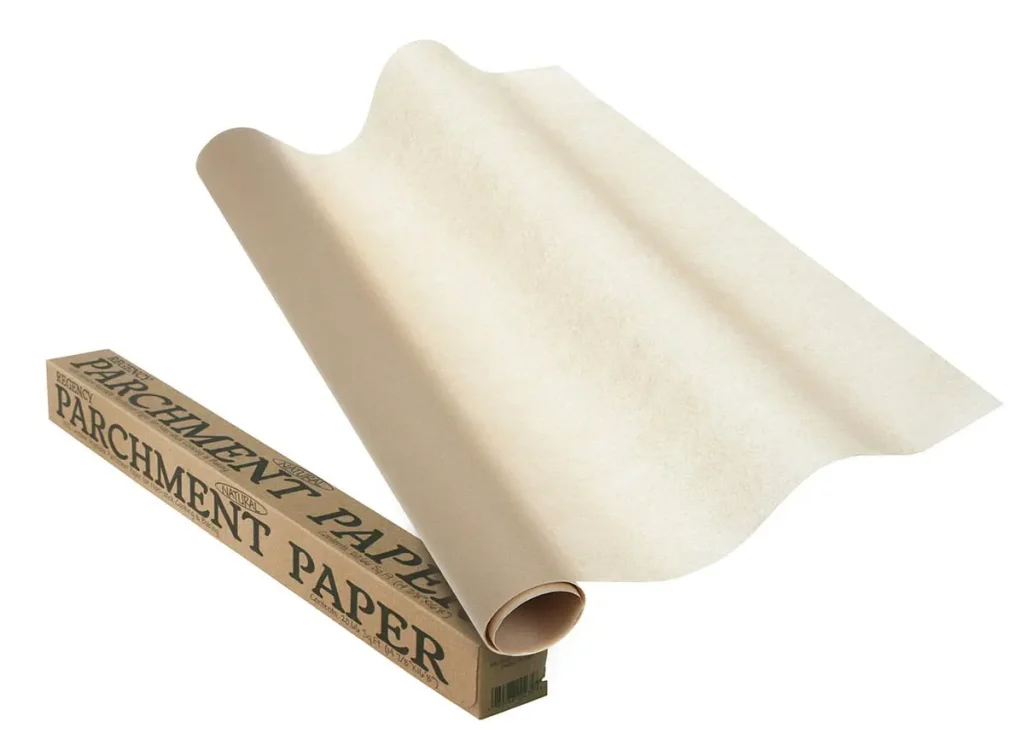
Parchment paper is one of the most underrated kitchen staples: it eliminates stuck-on food, cuts cleanup time, and makes tasks from cookie baking to veggie roasting infinitely easier. But when you stand in the grocery store aisle staring at two options—unbleached and bleached parchment paper—it’s hard to cut through the marketing noise to figure out which is actually safer, more functional, and worth your money. As of 2026, manufacturing processes, safety standards, and eco-certifications have evolved significantly from even a few years ago, so outdated advice about “toxic bleached parchment” no longer tells the full story. This guide breaks down the exact differences between the two types, so you can pick the right option for your baking, roasting, and meal prep needs, no guesswork required.
What Is Parchment Paper, and How Is It Different From Wax Paper?
Parchment paper is a cellulose-based paper treated with food-grade silicone to create a non-stick, heat-resistant, water-repellent surface. It is sold in rolls or pre-cut sheets, and is rated for oven temperatures up to 425–450°F (218–232°C), depending on the brand. It is often confused with wax paper, but the two are not interchangeable: wax paper is coated in paraffin, which melts at 200°F (93°C) and can smoke in the oven, so it is only safe for room-temperature tasks like wrapping sandwiches or lining storage containers. The only core difference between unbleached and bleached parchment paper is whether the base wood pulp is treated with chemical bleaching agents to create a bright white finish; both use identical food-grade silicone coatings for non-stick and heat-resistant performance.
How Unbleached and Bleached Parchment Paper Are Made
Understanding the manufacturing process behind each type clears up most of the safety and eco-friendly claims you’ll see on packaging.
Bleached Parchment Paper Production
Bleached parchment starts as raw wood pulp, which is treated with bleaching agents to remove its natural brown color. Older manufacturing methods used elemental chlorine, which produced small amounts of dioxin, a harmful industrial byproduct. As of 2026, nearly all commercial bleached parchment sold in North America uses elemental chlorine-free (ECF) or totally chlorine-free (TCF) processes that rely on hydrogen peroxide or oxygen-based bleaches to whiten the paper, eliminating dioxin production entirely. After bleaching, the paper is treated with acid and coated with food-grade silicone to create its non-stick, heat-resistant surface.
Unbleached Parchment Paper Production
Unbleached parchment skips the bleaching step entirely. Raw wood pulp is treated with sulfuric acid or zinc chloride to make it non-stick and heat-resistant, then coated with the same food-grade silicone used for bleached versions. It retains its natural light brown color, and requires fewer chemical processing steps than bleached parchment.
Safety and Health: Which Is Truly Safer?
Safety is the top concern for most home cooks choosing between the two types, and modern regulatory standards make the choice clearer than it was a decade ago.
Chemical Residue and Regulatory Standards
Both unbleached and bleached parchment paper are classified as food contact substances in the U.S., and must meet safety standards set by the FDA food contact substance program to be sold for home kitchen use. Modern ECF/TCF bleached parchment leaves no harmful chemical residues on food, even at high oven temperatures, and trace residue levels are well below thresholds considered safe for human consumption.
That said, unbleached parchment contains zero bleaching agents, so it is the preferred choice for people with extreme chemical sensitivities, or for wrapping high-fat, high-heat foods (like roasted meats or cheese) where even minimal residue contact is a concern. In practice, most home bakers will never notice a difference in safety between the two for standard cookie, cake, or veggie roasting tasks.
Heat Tolerance and Burn Risk
Both types of parchment paper are rated for standard oven use up to 425°F (218°C), but unbleached parchment may brown slightly faster at temperatures above 400°F (204°C). This darkening is purely cosmetic and does not impact food safety, but it can affect the appearance of light-colored baked goods like vanilla sugar cookies or angel food cake. Neither type is safe for use under an oven broiler, as the silicone coating can smoke at temperatures above 450°F (232°C).
A common mistake is assuming unbleached parchment is more heat-resistant; in reality, heat tolerance depends on the quality of the silicone coating, not the paper’s color, so always check your brand’s packaging for exact temperature limits. For bakers who also prep dough on wooden surfaces, pairing parchment with proper cutting board sanitation reduces cross-contamination risk from raw ingredients.
Performance in the Kitchen: Which Works Better for Your Recipes?
For most everyday tasks, the two types perform nearly identically, but small differences make one a better pick for specific use cases.
Non-Stick Performance
Both unbleached and bleached parchment have excellent non-stick properties from their silicone coating, but bleached parchment’s smoother, more uniform surface often performs slightly better for delicate, sticky tasks: macarons, laminated croissant dough, and homemade candy. Unbleached parchment works perfectly for most cookies, roasted veggies, and steaming packets, though very sticky doughs (like gingerbread) may require a light coating of cooking spray for extra release.
Durability and Tear Resistance
Unbleached parchment is often slightly thicker and more tear-resistant than bleached versions, making it the better pick for wrapping heavy items like whole fish, large cuts of meat, or filling-heavy en papillote packets. Bleached parchment is typically thinner, so it is easier to cut to custom sizes for small baking sheets, but may tear if used to wrap heavy foods.
Flavor and Presentation
Neither type affects food flavor in normal use, but unbleached parchment’s natural brown tone can transfer a faint earthy tint to very light-colored baked goods if baked for extended periods. Bleached parchment’s bright white surface keeps light foods looking vibrant, which is why it is the standard for most commercial bakeries. Unbleached parchment also works perfectly for low-moisture roasted veggies, from root vegetables to blistering shishito peppers, and its rustic look pairs well with casual, homemade presentations.
Alternative Non-Baking Uses
Parchment paper works for far more than just oven tasks: use it to line drawers for ripening avocados fast without bruising, or as a barrier between layers of sticky candies in storage containers. If you notice rust spots on metal baking tools after repeated use, our guide to removing rust from utensils will restore them quickly.
Environmental Impact: Which Is the Greener Choice?
For eco-conscious cooks, the environmental footprint of parchment paper is a key deciding factor.
Production Footprint
Unbleached parchment requires fewer production steps and avoids chemical bleaching waste, giving it a smaller overall carbon footprint than bleached parchment. While ECF bleaching processes are far less toxic than older chlorine methods, bleached parchment still uses more water and energy per roll than unbleached versions, and generates more chemical manufacturing waste.
Compostability and End-of-Life
Unbleached parchment is certified compostable in both home and commercial facilities in most regions, as it contains no synthetic bleaching residues. Bleached parchment made with ECF/TCF processes is also compostable in many areas, but you will need to check local guidelines, as some facilities do not accept bleached paper products. Neither type is recyclable with standard paper streams due to their silicone coating, so opting for compostable unbleached versions reduces the amount of plastic-like waste sent to landfills. If you don’t have access to commercial composting, check the EPA’s paper recycling guidelines to confirm local rules for compostable paper products.
Cost and Availability: What to Expect When Shopping
Unbleached parchment paper typically costs 10–25% more per roll than bleached parchment, due to lower production volumes and higher demand from eco-conscious consumers. Bleached parchment is widely available at all grocery stores, big-box retailers, and online marketplaces, while unbleached parchment was once limited to health food stores and zero-waste shops, but is now stocked in the baking aisle of most mainstream grocery stores as of 2026. Buying in bulk reduces the per-sheet cost of both types by 30–40% for regular bakers, and many unbleached parchment brands now offer plastic-free packaging for zero-waste shoppers. Line your baking sheets to avoid stuck-on crumbs, which makes sink maintenance far simpler after a long bake.
Head-to-Head Comparison at a Glance
| Use Case | Best Parchment Type | Why |
|---|---|---|
| Delicate baked goods (macarons, sugar cookies, laminated doughs) | Bleached | Smoother surface reduces sticking, white tone keeps light-colored foods vibrant |
| High-heat roasting (above 400°F / 204°C) | Unbleached | Slightly thicker, resists browning for longer cook times |
| En papillote (wrapping fish, veggies, or meats) | Unbleached | More tear-resistant, holds up to heavy fillings |
| Eco-friendly, low-waste cooking | Unbleached | Compostable, no chemical bleaching, smaller production footprint |
| Budget-friendly everyday use | Bleached | Lower cost, widely available, identical non-stick performance for most tasks |
Common Myths About Parchment Paper, Debunked
Myth 1: Bleached parchment paper is toxic and leaches harmful chemicals into food
Fact: As of 2026, all commercial bleached parchment sold in the U.S. meets FDA safety standards, and ECF/TCF bleaching processes produce no harmful dioxin residues. Trace chemical levels are well below thresholds considered safe for human consumption.
Myth 2: Unbleached parchment paper can withstand higher oven temperatures than bleached
Fact: Heat tolerance depends on the silicone coating quality, not the paper’s color. Most major brands rate both types for up to 425°F (218°C) for standard use.
Myth 3: Parchment paper and wax paper are interchangeable
Fact: Wax paper is coated in paraffin, which melts at 200°F (93°C) and can smoke in the oven, so it’s only safe for room-temperature tasks. Parchment paper’s silicone coating makes it safe for high-heat cooking.
Frequently Asked Questions
What is the actual difference between unbleached and bleached parchment paper?
The only core difference is whether the base paper is bleached with chemical agents to create a bright white finish. Both types are coated with the same food-grade silicone to be non-stick and heat-resistant, and perform nearly identically for most kitchen tasks. Unbleached parchment skips the bleaching step, so it retains its natural brown color and has a smaller environmental footprint.
Is bleached parchment paper safe for cooking?
Yes, all commercially available bleached parchment paper in the U.S. meets FDA food safety standards. Modern bleaching processes use non-toxic, chlorine-free agents that leave no harmful residues on food, even at high oven temperatures. It is safe for all standard baking, roasting, and steaming tasks.
Which parchment paper is better for the environment?
Unbleached parchment is the more sustainable choice for most households. It requires fewer resources to produce, contains no chemical bleaching residues, and is certified compostable in most home and commercial composting facilities. If you prioritize zero-waste cooking, unbleached is the clear pick.
Can unbleached parchment paper handle high temperatures?
Yes, unbleached parchment paper is rated for the same maximum oven temperature as bleached versions: 425°F (218°C) for standard use. It may brown slightly faster at temperatures above 400°F (204°C), but this is purely cosmetic and does not impact food safety or performance.
Does unbleached parchment paper affect the taste of baked goods?
No, unbleached parchment does not impact food flavor in normal use. The only minor difference is that its brown tone may transfer a faint earthy tint to very light-colored baked goods (like vanilla cupcakes or sugar cookies) if baked for extended periods, which some bakers prefer to avoid for presentation.
Can I use either type of parchment paper for non-oven tasks?
Yes, both work equally well for room-temperature tasks like lining storage containers, wrapping sandwiches, or separating layers of cookies for storage. For freezing, unbleached parchment is slightly more tear-resistant, making it better for wrapping items for long-term freezer storage.
Conclusion
The choice between unbleached and bleached parchment paper comes down to your personal priorities, not a clear “safer” or “better” option for every use case. For most casual home bakers, bleached parchment is an affordable, widely available, and perfectly safe choice for everyday tasks. If you prioritize eco-friendliness, have chemical sensitivities, or regularly cook at high heat or wrap heavy foods, unbleached parchment is worth the small extra cost. Either way, you’ll get the non-stick, cleanup-saving benefits that make parchment paper a kitchen essential. For more tips to simplify your cooking and kitchen care routine, browse our full kitchen guide library.
 Credit: www.greenwashingindex.com
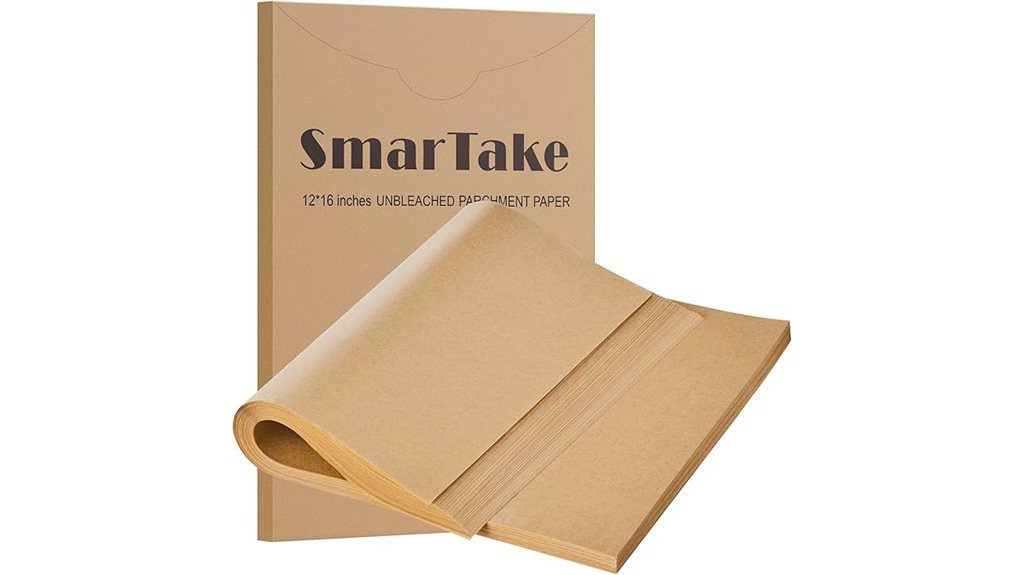
Lining baking sheets with parchment eliminates stuck-on crumbs and cuts cleanup time by half.
Credit: www.greenwashingindex.com
Lining baking sheets with parchment eliminates stuck-on crumbs and cuts cleanup time by half.
 Credit: www.greenwashingindex.com
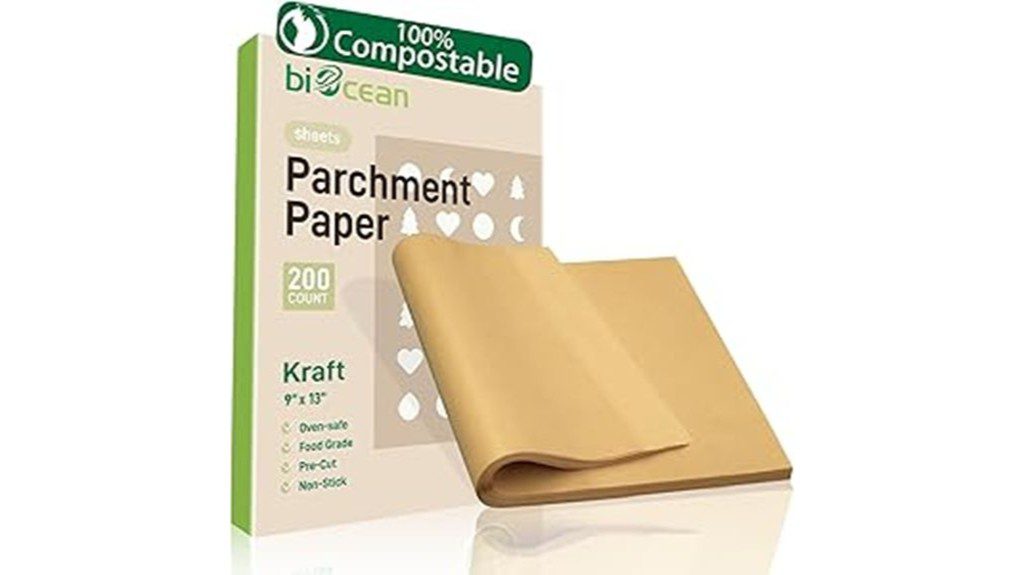
Unbleached parchment’s natural brown tone is ideal for rustic baked goods and high-heat roasting.
Credit: www.greenwashingindex.com
Unbleached parchment’s natural brown tone is ideal for rustic baked goods and high-heat roasting.
 Credit: www.greenwashingindex.com
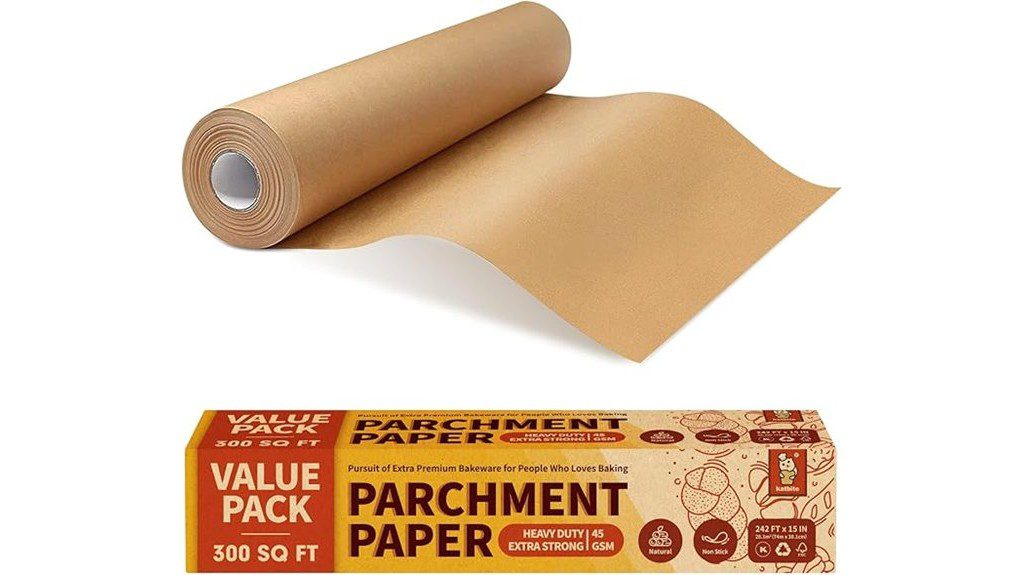
Unbleached parchment rolls are widely available at grocery stores and zero-waste shops as of 2026.
Credit: www.greenwashingindex.com
Unbleached parchment rolls are widely available at grocery stores and zero-waste shops as of 2026.
Head-to-Head Comparison at a Glance
| Use Case | Best Parchment Type | Why |
|---|---|---|
| Delicate baked goods (macarons, sugar cookies, laminated doughs) | Bleached | Smoother surface reduces sticking, white tone keeps light-colored foods vibrant |
| High-heat roasting (above 400°F / 204°C) | Unbleached | Slightly thicker, resists browning for longer cook times |
| En papillote (wrapping fish, veggies, or meats) | Unbleached | More tear-resistant, holds up to heavy fillings |
| Eco-friendly, low-waste cooking | Unbleached | Compostable, no chemical bleaching, smaller production footprint |
| Budget-friendly everyday use | Bleached | Lower cost, widely available, identical non-stick performance for most tasks |
Common Myths About Parchment Paper, Debunked
Myth 1: Bleached parchment paper is toxic and leaches harmful chemicals into food
Fact: As of 2026, all commercial bleached parchment sold in the U.S. meets FDA food safety standards, and ECF/TCF bleaching processes produce no harmful dioxin residues. Trace chemical levels are well below thresholds considered safe for human consumption.
Myth 2: Unbleached parchment paper can withstand higher oven temperatures than bleached
Fact: Heat tolerance depends on the silicone coating quality, not the paper’s color. Most major brands rate both types for up to 425°F (218°C) for standard use.
Myth 3: Parchment paper and wax paper are interchangeable
Fact: Wax paper is coated in paraffin, which melts at 200°F (93°C) and can smoke in the oven, so it’s only safe for room-temperature tasks. Parchment paper’s silicone coating makes it safe for high-heat cooking.
Frequently Asked Questions
What is the actual difference between unbleached and bleached parchment paper?
The only core difference is whether the base paper is bleached with chemical agents to create a bright white finish. Both types are coated with the same food-grade silicone to be non-stick and heat-resistant, and perform nearly identically for most kitchen tasks. Unbleached parchment skips the bleaching step, so it retains its natural brown color and has a smaller environmental footprint.
Is bleached parchment paper safe for cooking?
Yes, all commercially available bleached parchment paper in the U.S. meets FDA food safety standards. Modern bleaching processes use non-toxic, chlorine-free agents that leave no harmful residues on food, even at high oven temperatures. It is safe for all standard baking, roasting, and steaming tasks.
Which parchment paper is better for the environment?
Unbleached parchment is the more sustainable choice for most households. It requires fewer resources to produce, contains no chemical bleaching residues, and is certified compostable in most home and commercial composting facilities. If you prioritize zero-waste cooking, unbleached is the clear pick.
Can unbleached parchment paper handle high temperatures?
Yes, unbleached parchment paper is rated for the same maximum oven temperature as bleached versions: 425°F (218°C) for standard use. It may brown slightly faster at temperatures above 400°F (204°C), but this is purely cosmetic and does not impact food safety or performance.
Does unbleached parchment paper affect the taste of baked goods?
No, unbleached parchment does not impact food flavor in normal use. The only minor difference is that its brown tone may transfer a faint earthy tint to very light-colored baked goods (like vanilla cupcakes or sugar cookies) if baked for extended periods, which some bakers prefer to avoid for presentation.
Can I use either type of parchment paper for non-oven tasks?
Yes, both work equally well for room-temperature tasks like lining storage containers, wrapping sandwiches, or separating layers of cookies for storage. For freezing, unbleached parchment is slightly more tear-resistant, making it better for wrapping items for long-term freezer storage.
Conclusion
The choice between unbleached and bleached parchment paper comes down to your personal priorities, not a clear “safer” or “better” option for every use case. For most casual home bakers, bleached parchment is an affordable, widely available, and perfectly safe choice for everyday tasks. If you prioritize eco-friendliness, have chemical sensitivities, or regularly cook at high heat or wrap heavy foods, unbleached parchment is worth the small extra cost. Either way, you’ll get the non-stick, cleanup-saving benefits that make parchment paper a kitchen essential. For more tips to simplify your cooking and kitchen care routine, browse our full kitchen guide library.

Hi, I’m Daniel Brooks—a food lover and kitchen gear enthusiast. I enjoy testing cookware, utensils, and gadgets to see what really works in everyday cooking. At PlugChef.com, I share honest reviews, comparisons, and simple guides to help you choose the best tools for a safer, smarter, and more enjoyable kitchen.
Related posts:
 3 Tier Spice Rack Organizer: Maximize Your Kitchen Space
 How to Organize Kitchen Appliances on Countertop: Expert Tips
 Food Can Organizer for Pantry: Maximize Space Effortlessly
 Back of Door Spice Rack Wooden: Maximize Kitchen Space
Upper Corner Kitchen Cabinet Organization Ideas: Maximize Space
Spice Rack Pull Out Lower Cabinet: Maximize Your Kitchen Space
Back of Door Spice Rack Wooden: Maximize Kitchen Space
Upper Corner Kitchen Cabinet Organization Ideas: Maximize Space
Spice Rack Pull Out Lower Cabinet: Maximize Your Kitchen Space

