
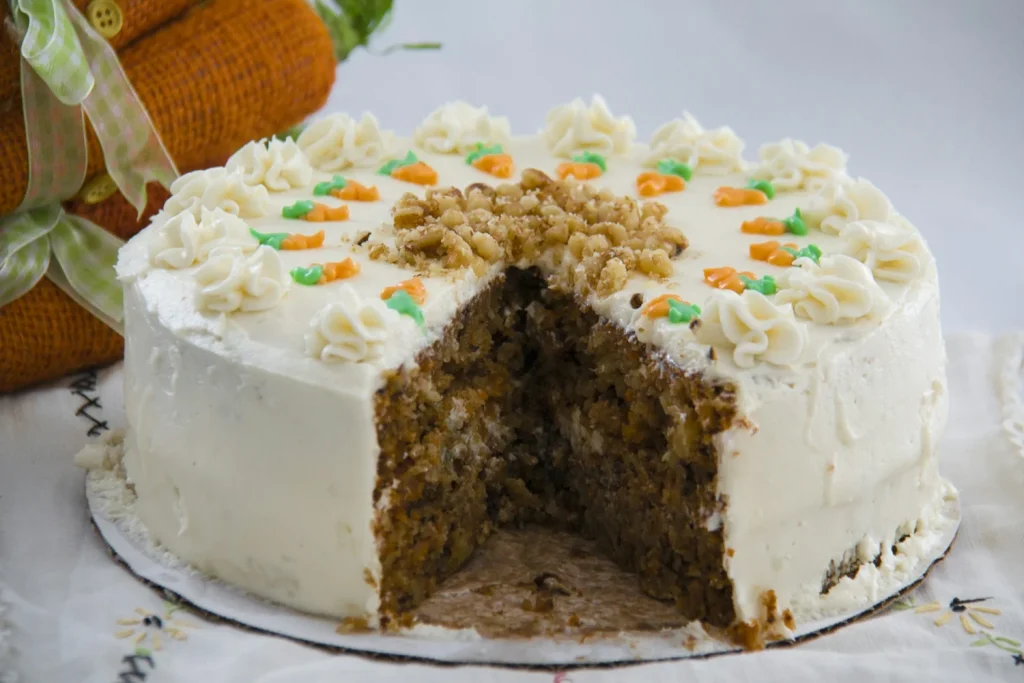
First published in the iconic 1982 Silver Palate Cookbook by Julee Rosso and Sheila Lukins, this carrot cake recipe has earned its spot as a go-to dessert for home bakers and professional caterers alike. Unlike many carrot cake recipes that turn out dry, dense, or overly sweet, this version delivers a perfectly tender crumb, balanced warm spice, and a tangy cream cheese frosting that cuts through the sweetness without overpowering the fresh carrot flavor. Whether you’re baking for a birthday, holiday gathering, or weeknight treat, this tested recipe delivers consistent, impressive results every time, no fancy equipment or advanced baking skills required.
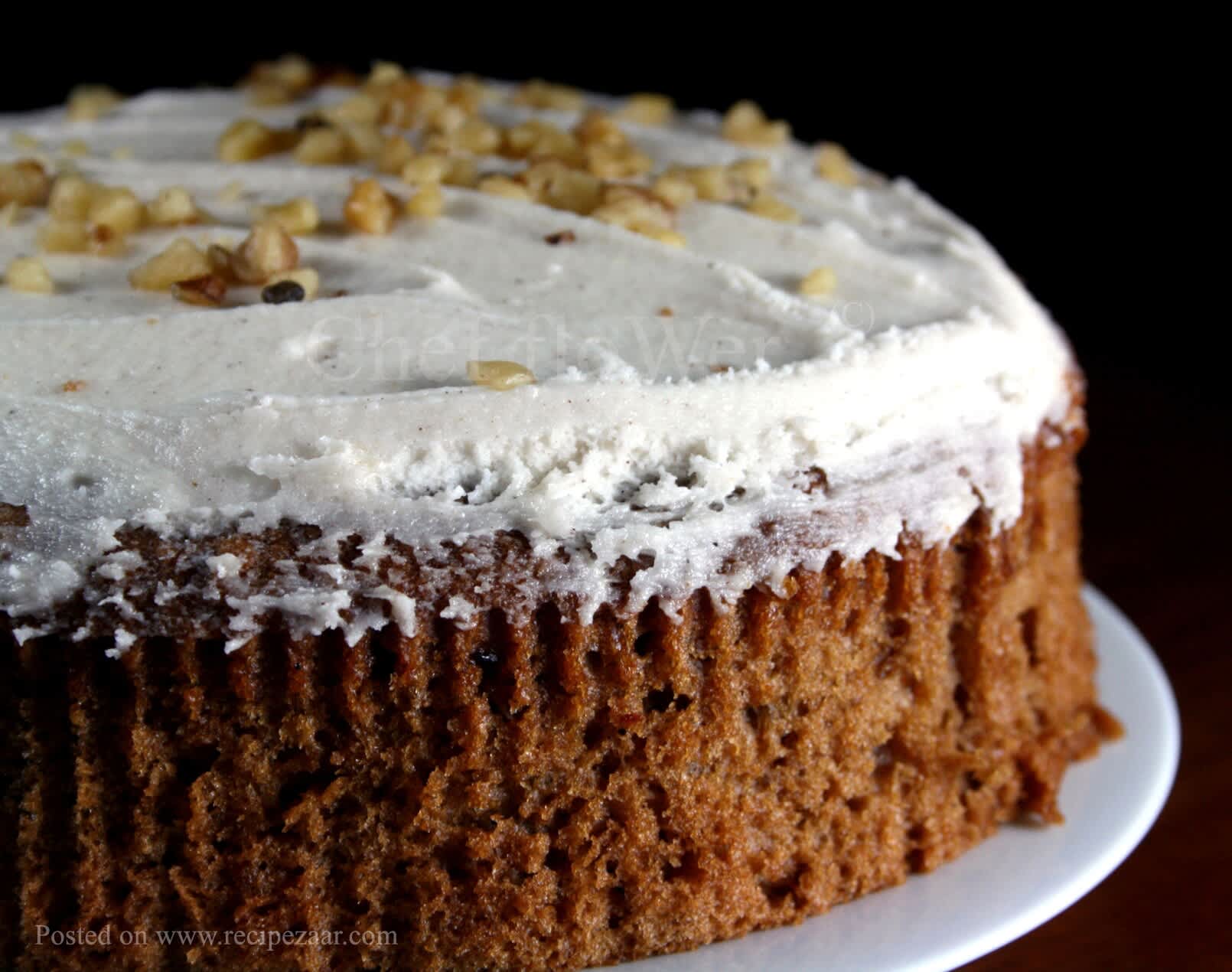 A perfectly moist slice of Silver Palate carrot cake, ready to serve.
Credit: www.food.com
A perfectly moist slice of Silver Palate carrot cake, ready to serve.
Credit: www.food.com
Why This Recipe Is A Timeless Baking Staple
The Silver Palate Carrot Cake has remained a favorite for nearly 40 years for good reason: it avoids the common pitfalls of homemade carrot cake, like dry crumb, gummy texture from excess moisture, or frosting that’s too sweet to balance the spice. The recipe relies on a precise balance of ingredients: oil instead of butter for long-lasting moisture, crushed pineapple for natural sweetness and tang, and a warm spice blend that enhances the carrot flavor without overpowering it. Even beginner bakers can pull off this recipe with consistent results, making it a reliable choice for any occasion. In practice, the most common complaint about homemade carrot cake is dryness — this recipe eliminates that problem entirely with its intentional ingredient ratios and tested baking times.
What You’ll Need: Full Ingredient Breakdown
Creating a moist, flavorful cake starts with choosing the right ingredients, in the correct quantities. Below is the full, tested ingredient list for two 9-inch cake layers, plus enough frosting to cover the top and sides.
Dry Ingredients
The dry ingredients form the structural backbone of your carrot cake, and getting the ratios right is key to avoiding a dense, heavy crumb. We use all-purpose flour for its neutral flavor and balanced structure — whole wheat flour can be substituted for up to 25% of the all-purpose for a nuttier flavor, but higher amounts will make the cake tough. Baking soda and baking powder work together to lift the cake: baking soda reacts with the natural acidity from the pineapple and brown sugar to create lift, while baking powder adds extra rise for a light, fluffy texture. The blend of cinnamon, nutmeg, and optional allspice creates the warm, classic spice profile the recipe is known for, without overpowering the fresh carrot flavor. A pinch of salt balances the sweetness and enhances the spice notes.
- 2 cups (240g) all-purpose flour
- 1 tsp baking soda
- 1 tsp baking powder
- 1 tsp ground cinnamon
- ½ tsp ground nutmeg
- ¼ tsp ground allspice (optional, for extra warmth)
- ½ tsp fine sea salt
Wet & Add-In Ingredients
Fresh, high-quality add-ins are what set this carrot cake apart from boxed or generic versions. Freshly grated carrots are non-negotiable: pre-shredded carrots from the grocery store are treated with preservatives that release excess moisture into the batter, leading to a gummy, soggy crumb. For the best results, use 3 cups of finely grated carrots from 4 medium, unpeeled carrots (peeling is optional, as the skin adds extra nutrients and color). Crushed pineapple, drained well but with 1 tablespoon of juice reserved, adds natural sweetness and a subtle tang that balances the spice, while also contributing to the cake’s signature moist texture. Toasted walnuts or pecans add a rich, nutty crunch that contrasts the tender crumb — toast them in a 350°F oven for 5 minutes before chopping to bring out their flavor. Pure vanilla extract rounds out all the flavor notes, so opt for pure vanilla rather than artificial for the best results.
- 1 cup (200g) granulated sugar
- ½ cup (100g) packed light brown sugar
- 3 large eggs, room temperature
- 1 cup (240ml) neutral oil (canola or vegetable, not olive oil)
- 2 tsp pure vanilla extract
- 3 cups (300g) freshly grated carrots
- 1 cup (150g) crushed pineapple, drained (reserve 1 tbsp juice)
- 1 cup (120g) chopped walnuts or pecans, toasted (optional)
For the best texture, peel and grate carrots right before baking, and use a bathroom and kitchen cleaning brush to scrub the carrots thoroughly before grating to remove any dirt or debris.
Cream Cheese Frosting Components
The tangy cream cheese frosting is just as important as the cake itself, and getting the texture right requires a few key steps. Use full-fat cream cheese, softened to room temperature for at least 1 hour — cold cream cheese will lead to lumpy frosting, while low-fat varieties contain extra water that makes the frosting runny. Softened unsalted butter adds richness and stability, so it holds its shape when spread between layers. Sifted powdered sugar ensures a smooth, grain-free frosting, while a pinch of salt cuts the sweetness and enhances the tangy cream cheese flavor. For the best results, beat the cream cheese and butter together first until completely smooth, then add the powdered sugar and vanilla gradually, mixing on low speed to avoid incorporating too much air.
- 16 oz (450g) full-fat cream cheese, softened
- ½ cup (113g) unsalted butter, softened
- 4 cups (480g) powdered sugar, sifted
- 2 tsp pure vanilla extract
- ¼ tsp fine sea salt
For official guidance on safe handling of dairy products for home baking, refer to the FDA’s dairy safety guidelines.
 Fresh prepped ingredients for a tender, flavorful crumb.
Credit: bitebymichelle.com
Fresh prepped ingredients for a tender, flavorful crumb.
Credit: bitebymichelle.com
Step-By-Step Baking Instructions
Follow these precise steps for consistent, perfect results every time. Active prep time is roughly 20 minutes, with 1 hour of total time including baking and cooling.
- Prep your pans and ingredients: Preheat your oven to 350°F (175°C). Grease two 9-inch round cake pans with butter or nonstick spray, then line the bottoms with parchment paper for easy release. Gather all ingredients at room temperature — cold eggs or oil will cause the batter to curdle, leading to a dense crumb. Before you start, clear your countertops and grab a professional kitchen cleaning brush to wipe down surfaces and scrub any residue from mixing bowls.
- Mix dry ingredients: In a medium bowl, whisk together the flour, baking soda, baking powder, cinnamon, nutmeg, allspice (if using), and salt until fully combined. Set aside.
- Mix wet ingredients: In a large bowl, beat the granulated sugar, brown sugar, and eggs on medium speed for 2 minutes, until light and fluffy. Add the oil and vanilla extract, mixing on low speed until fully incorporated.
- Combine the batter: Gradually add the dry ingredient mixture to the wet ingredients, mixing on low speed just until no flour streaks remain — overmixing will develop gluten in the flour, leading to a tough, dense cake. Fold in the grated carrots, drained crushed pineapple (plus reserved juice), and chopped nuts gently with a rubber spatula, taking care not to deflate the batter.
- Bake: Divide the batter evenly between the two prepared pans. Bake for 30–35 minutes, until a toothpick inserted 1 inch from the center of the cake comes out with a few moist crumbs attached, not completely clean. Rotate the pans halfway through baking for even cooking. Most home ovens run 10–25°F (5–14°C) hotter or colder than their set temperature, which can lead to overbaking and dry cake. For official guidance on calibrating your oven and safe baking temperatures, refer to the USDA’s food safety standards for homemade baked goods.
- Cool and frost: Let the cakes cool in the pans for 10 minutes, then turn them out onto wire racks to cool completely before frosting. Once fully cooled, level the tops of the cakes with a serrated knife for even layers, then spread cream cheese frosting between the layers and over the top and sides of the cake. Chill for at least 1 hour before slicing to let the frosting set.
 The finished layered cake before chilling to set the frosting.
Credit: www.thegardenofeating.org
The finished layered cake before chilling to set the frosting.
Credit: www.thegardenofeating.org
Pro Tips For Perfectly Moist Carrot Cake Every Time
Moisture is the make-or-break factor for great carrot cake, and these tested tips will help you avoid common mistakes:
- Use oil, not butter, for the fat: Oil remains liquid at room temperature, which keeps the cake moist for days after baking, while butter solidifies when cool and can lead to a dry, crumbly texture. Use a neutral oil like canola or vegetable for the best results — olive oil will add a savory flavor that clashes with the warm spices.
- Drain pineapple thoroughly (but reserve the juice): Crushed pineapple adds natural sweetness and moisture, but excess liquid will make the batter soggy and cause the cake to sink in the middle. Drain the pineapple well in a fine-mesh sieve, but reserve 1 tablespoon of the juice to add to the batter for extra moisture without sogginess.
- Toast nuts before adding: Toasting walnuts or pecans before chopping and adding to the batter brings out their nutty flavor and prevents them from turning soggy during baking.
- Avoid overbaking at all costs: Overbaking is the #1 cause of dry carrot cake. Check the cake at the 30-minute mark, and pull it from the oven as soon as a toothpick inserted into the center comes out with a few moist crumbs attached — the cake will continue cooking slightly as it cools on the wire rack. If you bake until the toothpick comes out completely clean, you’ll end up with a dry, crumbly cake.
Common Baking Mistakes To Avoid
Even experienced bakers run into issues with carrot cake from time to time. Avoid these common pitfalls for perfect results every bake:
- Using pre-shredded carrots: Pre-shredded carrots are treated with preservatives that release excess moisture into the batter, leading to a gummy, dense crumb. Always grate your own carrots right before baking for the best texture and flavor.
- Using cold ingredients: Cold eggs, oil, or cream cheese will cause the batter to curdle and the frosting to be lumpy. Let all perishable ingredients sit at room temperature for at least 1 hour before starting to bake. If you’re baking with young children in the home, secure lower cabinets with kitchen safety locks for kids to prevent access to raw eggs, flour, and other choking hazards.
- Overmixing the batter: Mixing the batter for too long after adding the flour develops gluten, which makes the cake tough and dense. Mix just until no flour streaks remain, then fold in the add-ins gently.
- Frosting a warm cake: If you spread cream cheese frosting on a cake that’s still warm, the frosting will melt and slide off the sides. Let the cake cool completely on a wire rack before frosting, which takes about 1 hour total.
- Skipping the oven thermometer: Most home ovens are off by 10–25°F (5–14°C) from their set temperature, which can lead to overbaking or underbaking. Use an inexpensive oven thermometer to ensure your oven is at the correct temperature for consistent results.
Easy Customization Ideas
While the classic Silver Palate recipe is perfect as written, small tweaks can tailor it to your taste preferences or dietary needs:
- Spice and zest variations: For a warmer, more intense spice profile, add ¼ tsp ground ginger or ⅛ tsp ground cloves to the dry ingredients. Citrus zest, like 1 tsp of orange or lemon zest, brightens the cake and balances the sweetness — add it to the wet ingredients for even distribution.
- Nut and fruit swaps: If you don’t like walnuts or pecans, try toasted almonds or pistachios for a different nutty flavor. For a chewier texture, add ½ cup of raisins or chopped dried dates to the batter. Shredded apple, swapped 1:1 for the pineapple, adds a subtle tartness and extra moisture, while shredded coconut adds a tropical twist.
- Frosting alternatives: If you don’t like cream cheese frosting, try a whipped vanilla buttercream for a sweeter, lighter topping, or a coconut cream frosting for a dairy-free option. For a less sweet frosting, reduce the powdered sugar by ¼ cup, but note that it will be softer and less stable for piping.
Storing, Freezing & Serving Suggestions
Proper storage keeps your carrot cake moist and fresh for days, while simple serving tweaks can elevate it for any occasion:
- Room temperature storage: For short-term storage, keep the cake covered with plastic wrap or a cake dome at room temperature for up to 2 days. Avoid storing it in a sealed container at room temperature, as the frosting will become too soft and slide off the sides.
- Refrigeration: For storage longer than 2 days, wrap the cake tightly in plastic wrap and store it in an airtight container in the refrigerator for up to 5 days. Let it sit at room temperature for 30 minutes before serving to soften the frosting and cake slightly.
- Freezing: To freeze the cake for up to 2 months, wrap the unfrosted cake layers tightly in plastic wrap and aluminum foil, or freeze a fully frosted cake wrapped in multiple layers of plastic and foil. Thaw unfrosted layers in the refrigerator overnight before frosting, or thaw a fully frosted cake at room temperature for 2 hours before slicing. Avoid refreezing thawed cake, as this will make the crumb dry and the frosting grainy.
- Serving ideas: Serve the cake slightly chilled or at room temperature, with a dollop of whipped cream or a scoop of vanilla ice cream if desired. For an elevated dessert spread, serve slices alongside a homemade charcuterie board — use our guide to cutting round cheese for boards for perfectly shaped, restaurant-worthy presentation. Once you’re done frosting, use a kitchen cleaning scrub brush to quickly clean batter and frosting off mixing bowls and spatulas before they harden.
Frequently Asked Questions
What makes the Silver Palate carrot cake different from other carrot cake recipes?
Unlike many carrot cake recipes that rely on excess butter or sugar for flavor, this version uses a balance of oil, fresh carrots, and crushed pineapple for moisture, plus a warm spice blend that doesn’t overpower the carrot flavor. The tangy cream cheese frosting cuts through the sweetness perfectly, creating a balanced, crowd-pleasing dessert that doesn’t leave you feeling overly full.
How do I keep my carrot cake moist for days?
The combination of oil, crushed pineapple, and fresh grated carrots keeps this cake moist for up to 5 days when stored properly in the refrigerator. Avoid overbaking, which is the most common cause of dry cake, and be sure to drain the pineapple thoroughly to avoid a soggy, gummy crumb.
Can I use walnuts in this recipe?
Yes, walnuts are a classic add-in for this recipe, and they pair perfectly with the warm spices and tangy frosting. For the best flavor, toast the walnuts in a 350°F oven for 5 minutes before chopping and folding them into the batter. If you have a nut allergy, you can omit them entirely or swap for seeds like pumpkin or sunflower seeds for a similar crunch.
What frosting pairs best with this carrot cake?
Traditional cream cheese frosting is the classic pairing for this recipe, as its tangy sweetness balances the warm spice and natural sweetness of the cake perfectly. For a less sweet option, try a whipped mascarpone frosting, or a coconut cream frosting for a dairy-free alternative.
Final Thoughts
There’s a reason the Silver Palate Carrot Cake Recipe has remained a beloved baking staple for nearly 40 years: it delivers consistent, impressive results with minimal advanced skill, and the flavor profile appeals to even people who don’t usually love carrot cake. The balance of moist, tender crumb, warm spice, and tangy cream cheese frosting is hard to beat, and the recipe is easy to customize to suit your taste preferences or dietary needs.
If you’ve been looking for a carrot cake recipe that never turns out dry or overly sweet, this is the one to try. With the exact measurements, step-by-step instructions, and pro tips above, you’ll have a showstopping dessert ready in about 1 hour of active prep time, plus cooling and chilling time. For more tested, delicious baking recipes, kitchen hacks, and guides to hosting perfect gatherings, explore our latest kitchen guides for fresh inspiration.

I’m Abby Lu, a passionate home cook who loves simplifying everyday meals. At PlugChef.com, I share product reviews and cooking guides to help you find the best tools for your kitchen.
Related posts:
 Seville Expandable Cabinet And Pantry Organizer: Space Savior
 Glideware Pull Out Cabinet Organizer for Pots & Pans: Space Saver
 Small 3-Tier Shelf Organizer: Maximize Space Effortlessly
 Trader Joe’S Spicy Lentil Wrap: Delicious, Healthy, and Quick Meal!
 Easy Way to Peel Pumpkin: Quick Tips for Effortless Prep
 How Long Do Grapes Last: Ultimate Freshness Guide Revealed

