
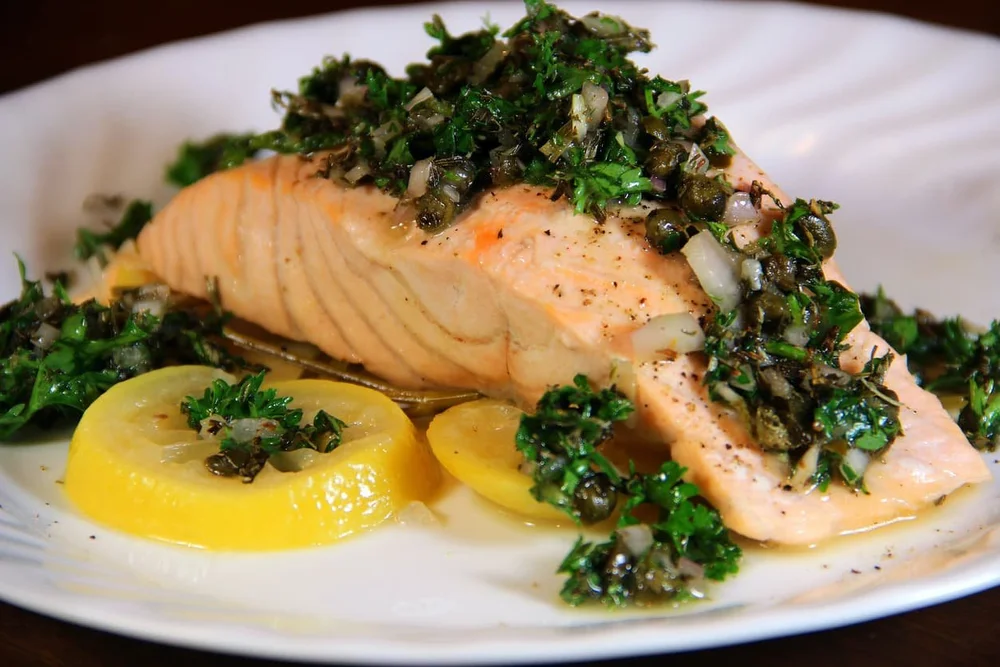
If you’ve ever pulled a dry, chalky salmon fillet out of the oven after 15 minutes of anxious flipping, or skipped making fish for dinner because it felt too high-maintenance for a busy weeknight, slow cooker salmon is the game-changing solution you’ve been missing. This hands-off cooking method delivers tender, flaky, flavor-packed salmon with zero babysitting, no splatter to wipe down the stovetop, and barely any active prep time. Whether you’re a beginner cook who struggles to get fish right, a busy parent looking for quick healthy meals, or someone who hates heating up the kitchen in the summer, slow cooker salmon checks every box.
In this guide, you’ll learn why this cooking method is uniquely suited for salmon, how to pick the best fillets for your recipe, three foolproof tested recipes for every taste preference, pro tips to avoid common pitfalls, and how to store and repurpose leftovers for minimal waste. Let’s dive in.
Why Slow Cooker Salmon Is a Weeknight Game-Changer
Slow cooking salmon isn’t just convenient — it actually produces better results than many faster cooking methods for home cooks, especially those who struggle with overcooking fish. The low, steady heat (usually 200–300°F on the low setting) works with the salmon’s natural fat content to lock in moisture, while giving aromatics and seasonings time to infuse every bite. For parents juggling meal prep and childcare, the hands-off nature of slow cooker salmon means you don’t have to stand over the stove monitoring doneness — and if you have toddlers who love to raid lower cabinets, adding childproof locks keeps hazardous items out of reach while you focus on cooking.
Preserves Nutrients Better Than High-Heat Methods
Salmon is one of the best dietary sources of omega-3 fatty acids EPA and DHA, which support heart health and brain function, and slow cooking’s low, steady heat preserves these delicate nutrients far better than high-heat searing or grilling, which can degrade healthy fats and water-soluble B vitamins when exposed to temperatures above 400°F. The gentle heat also keeps the salmon’s natural proteins intact, so you get the full nutritional benefit of every serving. For official guidance on recommended seafood intake and safe cooking practices, refer to the USDA’s seafood nutrition resources.
Deeper, More Even Flavor Infusion
Unlike quick pan-frying or grilling, which only coat the surface of the salmon with seasoning, slow cooking gives herbs, spices, and marinades hours to penetrate the fish’s flesh evenly. The result is a consistently flavorful fillet from the first bite to the last, with no bland, unseasoned spots. Many home cooks also find that slow-cooked salmon tastes even better the next day, as the flavors have more time to meld and deepen — making it an ideal meal prep option for busy workweeks.
Zero-Active-Work Convenience
The biggest perk of slow cooker salmon is how little effort it requires. You can prep the ingredients in 10 minutes or less, set the cooker, and walk away for 1.5 to 2 hours — no standing over the stove, no flipping, no worrying about burning or drying out the fish. It also won’t heat up your kitchen like the oven does on warm days, and cleanup is minimal if you use a disposable slow cooker liner. In practice, most home slow cookers run 10–15°F hotter than their stated low setting, so checking for doneness 15 minutes before the recommended cook time is a foolproof way to avoid dry, overcooked fish.
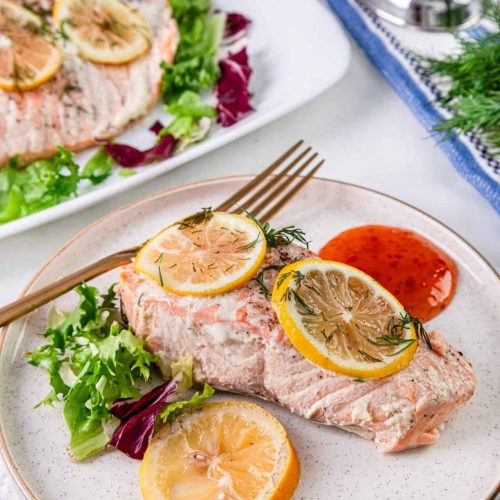 Classic lemon-dill slow cooker salmon, juicy and infused with bright citrus flavor
Credit: bakedbree.com
Classic lemon-dill slow cooker salmon, juicy and infused with bright citrus flavor
Credit: bakedbree.com
How to Choose the Best Salmon for Slow Cooking
Not all salmon varieties work equally well in a slow cooker, and picking the right cut will make or break your dish’s texture and flavor. Here’s what to look for when shopping.
Best Salmon Varieties for Slow Cooking
Fattier, firmer salmon cuts hold up best to the long, gentle heat of a slow cooker without falling apart or turning dry:
- King (Chinook) Salmon: The highest-fat variety, with a rich, buttery flavor that stays juicy even after 2 hours of cooking. Ideal for creamy or glazed recipes.
- Atlantic Salmon: Usually farmed, with mild flavor and moderate fat content. It’s widely available, affordable, and very forgiving for beginner cooks.
- Coho Salmon: Medium-fat with a firmer texture than Atlantic, perfect for recipes with bold, global flavors like teriyaki or blackened seasoning.
- Sockeye Salmon: Leaner and with a deeper, earthier flavor. It cooks faster than fattier varieties, so reduce cook time by 15 minutes and add a splash of extra broth to keep it moist.
A common error when cooking salmon in a slow cooker is stacking fillets on top of each other to fit more in, which leads to uneven cooking and mushy texture on the bottom layer — always arrange fillets in a single layer with a small gap between each for even heat circulation. Bone-in, skin-on fillets also hold up better than boneless cuts, and you can crisp the skin under the broiler for 2 minutes after cooking for a textural contrast.
Fresh vs. Frozen Salmon
Both fresh and frozen salmon work well in slow cooker recipes, and the best choice depends on your budget and access to fresh seafood. Flash-frozen salmon is filleted and frozen within hours of being caught, so it retains the same nutrient content as fresh fish, and it’s often more affordable and pre-portioned for single servings. If using frozen salmon, you can cook it directly from frozen — no thawing required — just add 10–15 minutes to the total cook time and skip adding extra liquid, as the fish will release moisture as it thaws. If you prefer fresh salmon, look for fillets with firm, unbruised flesh and a mild, ocean-like smell (avoid any with a strong, ammonia-like odor).
Sustainable Sourcing Tips
Sustainability is an important consideration when purchasing salmon, as overfishing and irresponsible farming practices can harm ocean ecosystems. Look for certifications from trusted bodies like the Marine Stewardship Council (MSC) for wild-caught salmon, or the Aquaculture Stewardship Council (ASC) for responsibly farmed options. Wild and farmed salmon sustainability ratings shift annually based on harvest levels and farming practices, so for up-to-date guidance on responsible purchases, check the NOAA’s sustainable seafood portal, which provides region-specific recommendations for U.S. consumers.
Essential Ingredients for Flawless Slow Cooker Salmon
While salmon is the star of the dish, the right supporting ingredients will elevate your recipe from bland to restaurant-quality. Below are the core components to keep on hand, plus tips for balancing flavors.
Base Liquids
A small amount of liquid is essential to create steam and keep the salmon moist during cooking. Stick to ¼ to ½ cup of liquid per 2 fillets to avoid watering down the flavor:
- Low-sodium vegetable or chicken broth (neutral, versatile base)
- White wine or apple cider (adds bright tang)
- Full-fat coconut milk (perfect for Thai or Indian-inspired recipes)
- A mix of lemon juice and water (for light, bright dishes)
Aromatics and Herbs
Fresh aromatics infuse the salmon with depth without overpowering its delicate flavor:
- Alliums: Garlic, shallots, thinly sliced fennel
- Citrus: Lemon slices, lemon zest, orange zest
- Fresh herbs: Dill, parsley, thyme, cilantro
- Aromatics to use sparingly: Fresh ginger, rosemary, bay leaves (rosemary and bay leaves are strong, so use 1 sprig or leaf maximum per 2 fillets to avoid bitterness)
Sauces and Marinades
For glazed or sauced recipes, opt for low-sodium options to avoid over-salting the fish:
- Teriyaki, honey mustard, or soy-ginger glaze for sweet-savory dishes
- Basil pesto or tzatziki for creamy, herby flavor
- A mix of olive oil, lemon juice, and capers for Mediterranean-style dishes
Avoid strong, pungent spices like cumin, curry powder, or smoked paprika unless you’re making a specific global recipe, as they can easily overpower the salmon’s natural flavor.
3 Foolproof Slow Cooker Salmon Recipes
These tested recipes range from basic and beginner-friendly to flavorful and hearty, all with minimal active prep time.
Classic Lemon-Dill Slow Cooker Salmon
This no-fuss recipe is perfect for first-time slow cooker salmon cooks, with bright, fresh flavors that highlight the fish’s natural taste. Ingredients (serves 2):
- 2 6-oz salmon fillets (skin-on, boneless or bone-in)
- 1 lemon (thinly sliced, plus 1 tsp zest)
- 2 tbsp fresh dill, chopped
- 1 tsp garlic powder
- ½ tsp black pepper
- ¼ cup low-sodium vegetable broth
- 1 tbsp olive oil
Instructions:
- Lightly grease the inside of your slow cooker with non-stick spray or a thin layer of oil.
- Arrange lemon slices in a single layer across the bottom of the pot.
- Place salmon fillets on top of the lemon slices, skin-side down if using skin-on.
- Drizzle with olive oil, then sprinkle with dill, garlic powder, pepper, and lemon zest.
- Pour vegetable broth around the edges of the fillets (do not pour directly over the top, to avoid washing off the seasoning).
- Cook on low for 1.5 hours, or until the salmon reaches an internal temperature of 145°F when tested with a food thermometer.
- Finish with a squeeze of fresh lemon juice and extra dill for garnish.
Serving suggestion: Pair with roasted asparagus and quinoa for a light, balanced meal.
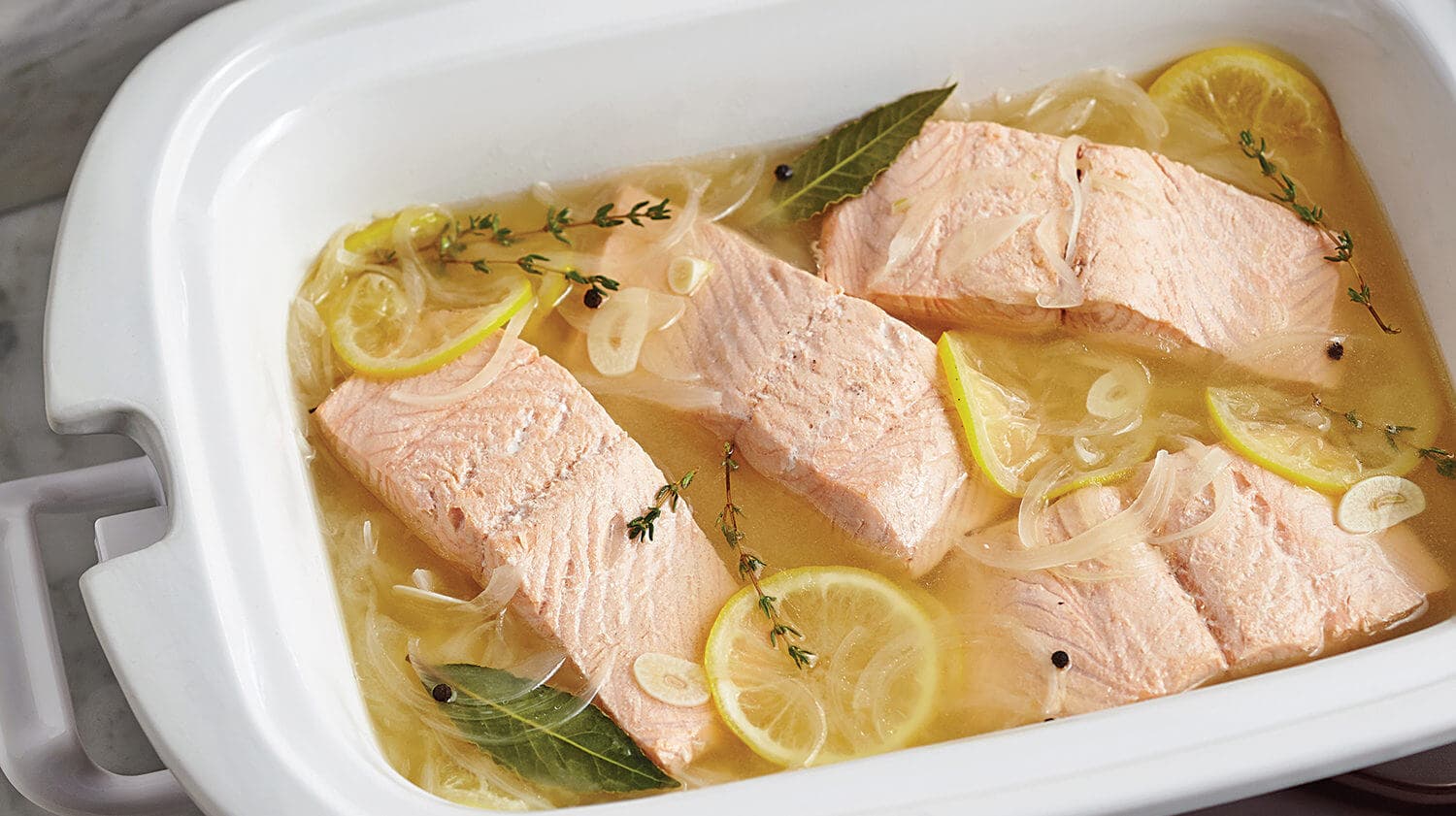 Tender poached slow cooker salmon, ready to serve with minimal effort
Credit: www.sobeys.com
Tender poached slow cooker salmon, ready to serve with minimal effort
Credit: www.sobeys.com
Teriyaki Glazed Slow Cooker Salmon
This sweet-savory recipe is perfect for meal prep, as the flavors hold up beautifully when stored in the fridge for up to 4 days. Ingredients (serves 2):
- 2 6-oz salmon fillets
- ¼ cup low-sodium soy sauce (or tamari for gluten-free)
- 2 tbsp honey
- 1 tbsp rice vinegar
- 1 tsp grated fresh ginger
- 1 clove garlic, minced
- 1 tsp cornstarch + 1 tbsp water (for thickening glaze)
- Sesame seeds and sliced green onions for garnish
Instructions:
- In a small bowl, mix soy sauce, honey, rice vinegar, ginger, and garlic until combined.
- Place salmon fillets in the slow cooker, then pour the sauce over the top, turning to coat evenly.
- Cook on low for 1.5 hours, or until the salmon flakes easily with a fork.
- Remove salmon from the slow cooker and set aside. Pour the remaining cooking liquid into a small saucepan, bring to a simmer, then stir in the cornstarch slurry. Cook for 1–2 minutes until the glaze thickens.
- Drizzle the glaze over the salmon, then garnish with sesame seeds and green onions.
Serving suggestion: Serve with steamed broccoli and brown rice for a complete meal.
Creamy Pesto Slow Cooker Salmon with Veggies
This one-pot meal requires minimal cleanup, with tender veggies cooking alongside the salmon for a fuss-free dinner. Ingredients (serves 2):
- 2 6-oz salmon fillets
- 1 cup cherry tomatoes, halved
- 1 small zucchini, sliced into ½-inch rounds
- ½ cup sliced bell peppers
- ¼ cup prepared basil pesto
- 2 tbsp heavy cream (optional, for extra creaminess)
- ¼ cup vegetable broth
- Fresh basil leaves for garnish
Instructions:
- Add cherry tomatoes, zucchini, and bell peppers to the bottom of the slow cooker, stirring to combine.
- Stir in pesto, heavy cream (if using), and vegetable broth until the veggies are evenly coated.
- Place salmon fillets on top of the veggie mixture, pressing them slightly into the sauce.
- Cook on low for 1.5 hours, or until the salmon flakes easily with a fork.
- Garnish with fresh basil before serving.
Serving suggestion: Serve with crusty bread to soak up the extra pesto sauce.
What to Serve with Slow Cooker Salmon
Slow cooker salmon is a versatile main dish that pairs well with a wide range of sides, from light and fresh to hearty and comforting. The best pairings balance the salmon’s rich, fatty flavor with contrasting textures and bright, acidic notes. If you’re building a full dinner spread, simple cheese prep adds a polished, restaurant-quality touch to your table.
Hearty Grain Sides
Nutty, chewy grains add satisfying substance to your meal and soak up any extra sauce from glazed salmon recipes:
- Quinoa cooked in vegetable broth for extra savoriness
- Brown rice tossed with lemon zest and fresh parsley
- Farro or barley for a chewy, nutty texture
- Cauliflower rice for a low-carb, gluten-free swap
Fresh, Bright Salads
A crisp salad cuts through the richness of the salmon and adds a refreshing contrast to the soft, flaky fish:
- Spinach and arugula salad topped with orange segments, toasted almonds, and a light lemon vinaigrette
- Cucumber dill salad with a tangy yogurt dressing
- Shaved fennel and grapefruit salad with a minty vinaigrette
Roasted or Steamed Vegetables
Warm, caramelized veggies add depth and heartiness to your meal:
- Roasted sweet potato wedges seasoned with smoked paprika and olive oil
- Garlic parmesan roasted broccoli
- Lemon butter asparagus, roasted or steamed
- For delicate veggies like spinach or cherry tomatoes, add them to the slow cooker in the last 30 minutes of cooking to avoid turning mushy
Pro Pairing Tip
For a complete dinner, pair your meal with a crisp, acidic white wine like sauvignon blanc or a light pinot noir, which cuts through the salmon’s richness without overpowering its flavor.
 Balanced weeknight dinner featuring tender salmon, crispy roasted potatoes, and fresh green beans
Credit: thealmondeater.com
Balanced weeknight dinner featuring tender salmon, crispy roasted potatoes, and fresh green beans
Credit: thealmondeater.com
Pro Tips for Perfect Slow Cooker Salmon Every Time
Even a simple recipe can go wrong if you skip a few key steps. These expert tips will help you avoid common pitfalls and get restaurant-quality results every time.
Avoid Overcooking
Salmon is a delicate fish, and it goes from perfectly flaky to dry and chalky in a matter of minutes. The USDA recommends cooking salmon to an internal temperature of 145°F for food safety, but carryover cooking will continue for 5 minutes after you remove the fish from the slow cooker, so pull it when it reads 140°F for medium doneness. Most slow cooker salmon recipes cook on low for 1.5 to 2 hours, but always check for doneness early, especially if your slow cooker runs hot. A common mistake is lifting the lid repeatedly to check on the fish — each time you open the lid, heat escapes and extends the cook time by 10–15 minutes, so keep the lid closed as much as possible.
Lock in Moisture
Even fattier salmon cuts can dry out if cooked for too long or without added moisture. To keep your fillets juicy:
- Add ¼ to ½ cup of liquid (broth, citrus juice, or white wine) to the bottom of the slow cooker to create steam.
- Place a layer of hearty veggies (carrots, potatoes, fennel) under the salmon — they release moisture as they cook, which keeps the fish from drying out.
- For leaner salmon varieties like sockeye, add a pat of butter or a drizzle of olive oil on top of each fillet before cooking for extra fat content.
- Wrapping salmon in parchment paper before adding it to the slow cooker traps even more steam, resulting in a juicier, more tender final product (parchment is also a better alternative to aluminum foil for those avoiding metal exposure).
Upgrade Your Texture
If you love the crispy, caramelized crust of pan-seared or grilled salmon, sear the fillets in a hot, oiled pan for 1 minute per side before adding them to the slow cooker. This adds a golden crust and deepens the flavor without adding much extra prep time. After slow cooking, you can also finish the fillets under the broiler for 2–3 minutes to crisp up the skin or top.
Easy Cleanup
To avoid scrubbing stuck-on food from your slow cooker insert, use a disposable slow cooker liner, or line the pot with parchment paper. For any leftover residue, a sturdy non-abrasive brush will scrub out butter and herb bits without scratching the ceramic coating. Keeping your prep area tidy while you chop herbs and slice lemon is easier with a durable cleaning set that handles both food scraps and sticky marinade residue. Prepping fresh herbs, garlic, and lemon is faster on a well-maintained surface — if you’ve ever thought about engraving your cutting board, adding non-slip markings or measurement guides makes veggie and herb prep even quicker and safer. For quick cleanup of greasy slow cooker inserts and dirty dishes, a soap-dispensing scrub brush lets you apply detergent directly to stuck-on food without extra scrubbing.
Storing and Reheating Leftover Slow Cooker Salmon
Leftover slow cooker salmon is just as versatile as fresh-cooked, and proper storage will keep it tasty and safe for up to 4 days. Here’s how to handle leftovers correctly.
Proper Storage Methods
Per USDA food safety guidelines, cooked salmon will stay fresh in an airtight container in the refrigerator for 3 to 4 days. To store:
- Cool the salmon to room temperature within 2 hours of cooking to avoid bacterial growth.
- Transfer to an airtight container, or wrap tightly in plastic wrap or aluminum foil if you don’t have a container.
- Label the container with the date to track freshness.
- For longer storage, freeze leftover salmon in a freezer-safe bag for up to 2 months. Thaw frozen leftover salmon in the fridge overnight before reheating.
Best Reheating Techniques
To avoid drying out leftover salmon, reheat it gently using one of these methods:
- Microwave: Place salmon on a microwave-safe plate, cover with a damp paper towel, and heat on low power in 30-second bursts until warmed through.
- Oven: Wrap salmon in foil and reheat in a preheated 275°F oven for 10–15 minutes.
- Air fryer: Reheat at 300°F for 3–4 minutes for best results, especially if you seared the salmon before slow cooking.
Avoid reheating salmon more than once, as this increases the risk of foodborne illness and dries out the fish. If you’re looking for ways to use up leftover salmon, try flaking it into salads, mixing it into pasta, or using it as a filling for tacos or sandwiches.
Frequently Asked Questions
Can I cook frozen salmon directly in the slow cooker?
Yes! You can add frozen salmon fillets directly to the slow cooker without thawing, which cuts down on prep time. Add 10–15 minutes to the total cook time, and skip adding extra liquid, as the fish will release moisture as it thaws. For marinades, you can pour them directly over frozen salmon, and they will infuse the fish as it thaws and cooks.
What internal temperature should slow cooker salmon reach?
The USDA recommends cooking all fish to an internal temperature of 145°F for food safety, which is the standard for vulnerable groups including pregnant people, young children, and immunocompromised individuals. If you prefer medium or medium-rare salmon, you can pull it from the slow cooker at 137–140°F, as carryover cooking will bring the temperature up to 145°F within 5 minutes of removal.
Why is my slow cooker salmon dry?
Dry salmon is almost always caused by one of three issues: overcooking (cooking longer than 2 hours on low), using lean salmon varieties like sockeye without added moisture, or lifting the slow cooker lid too often, which releases steam and dries out the cooking environment. Fix it by adding a splash of broth or a pat of butter on top of the fillets, using a slow cooker liner to retain moisture, and checking for doneness early in the cooking process.
Can I add raw vegetables to the slow cooker with salmon?
Yes! Hearty root veggies like carrots, potatoes, and sweet potatoes cook perfectly alongside salmon in the same 1.5–2 hour window. For more delicate veggies like zucchini, spinach, cherry tomatoes, or green beans, add them to the slow cooker in the last 30 minutes of cooking to avoid turning them mushy.
What seasonings work best for slow cooker salmon?
Bright, fresh herbs and citrus pair best with salmon’s delicate flavor: dill, parsley, lemon zest, garlic, and black pepper are classic, foolproof choices. For global twists, try ginger and soy sauce for teriyaki, basil and pine nuts for pesto, or cumin and cilantro for a Mexican-inspired dish. Avoid strong, pungent spices like cloves or star anise, as they will overpower the fish’s natural taste.
Is slow cooker salmon healthy to eat regularly?
Yes! Slow cooker salmon is a nutrient-dense, low-calorie protein source packed with omega-3 fatty acids, B vitamins, and high-quality protein. The low-heat cooking method preserves these nutrients without adding extra fats or oils, making it a great option for regular consumption as part of a balanced diet. For most adults, two 3.5-ounce servings of salmon per week align with USDA dietary guidelines for heart health.
Conclusion
Slow cooker salmon is the perfect low-effort, high-reward meal for busy weeknights, meal prep, or casual dinner parties. Its hands-off cooking method eliminates the risk of overcooking, locks in moisture and nutrients, and works with virtually any flavor profile from bright and herby to sweet and glazed. Even people who usually avoid cooking fish find this method forgiving and reliable, with zero special skills or equipment required.
While slow cooker salmon won’t develop the crispy, caramelized crust of pan-seared or grilled fillets on its own, a quick 2-minute broil after cooking gives you that texture with almost no extra work. Ready to skip the stress of overcooking fish and post-dinner cleanup? Try the classic lemon-dill recipe this week, and tag us in your results — we’d love to see how you customize it with your favorite herbs and sides. For more quick, healthy weeknight meal ideas, check out our latest kitchen guides for tested recipes and time-saving tips.

I’m Abby Lu, a passionate home cook who loves simplifying everyday meals. At PlugChef.com, I share product reviews and cooking guides to help you find the best tools for your kitchen.
Related posts:
 How to Make a Fruit Basket for a Gift: Easy DIY Guide
 Do You Need a Basket? Essential Guide for Air Fryers
 How to Adjust Syrup Dispenser Pressure: Expert Tips
 What Blenders Do Tropical Smoothie Use: Expert Insights
Stainless Steel Vs White Kitchen Appliances: Ultimate Showdown
What Blenders Do Tropical Smoothie Use: Expert Insights
Stainless Steel Vs White Kitchen Appliances: Ultimate Showdown
 Kitchen Appliances for Wedding Registry: Must-Have Essentials

