
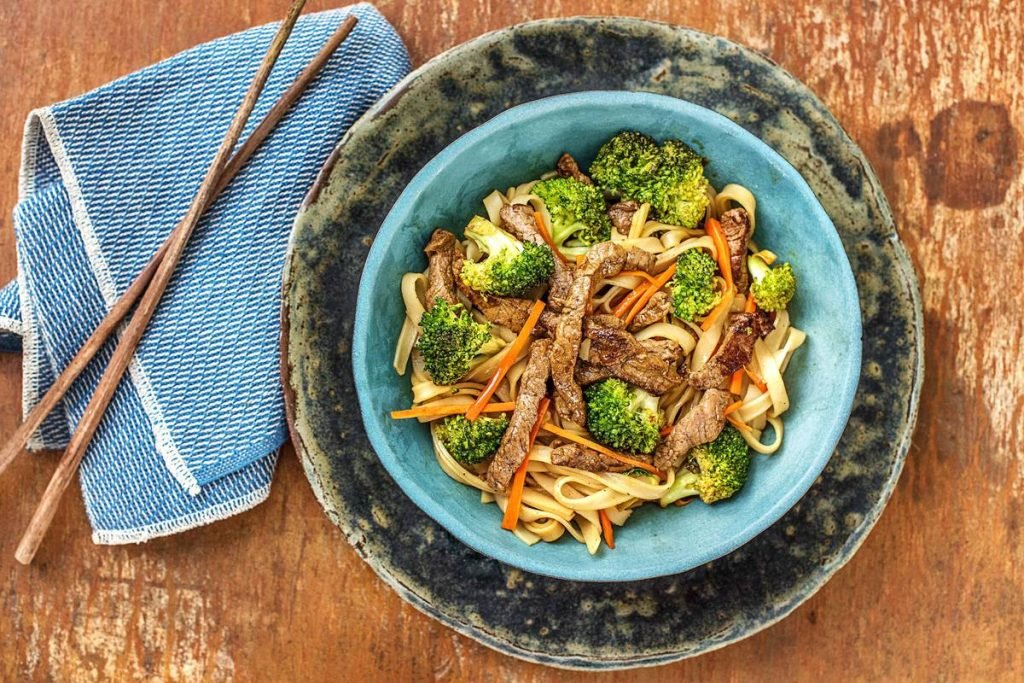
Are you looking for a meal that’s quick, tasty, and satisfying? Pasta with beef and broccoli might be just what you need.
This dish combines the hearty flavor of beef, the fresh crunch of broccoli, and the comfort of pasta—all in one plate. Imagine enjoying a dinner that’s not only delicious but also packed with nutrients to fuel your day. Keep reading, and you’ll discover how easy it is to make this flavorful dish your new favorite.
Ingredients For Pasta With Beef And Broccoli
Getting the ingredients right is key to making a delicious pasta with beef and broccoli. Each component plays a role in the final taste and texture of the dish. Choosing fresh, high-quality ingredients will elevate your meal and make cooking more enjoyable.
Choosing The Right Pasta
The type of pasta you pick can change the whole experience. Thick pastas like fettuccine or pappardelle hold up well against hearty beef and broccoli. Thin noodles like spaghetti can work, but they may get overwhelmed by the sauce.
Think about texture: do you want a chewy bite or something softer? Also, consider how the pasta will absorb the sauce. Your choice affects how well the flavors come together on your plate.
Selecting Quality Beef Cuts
Choosing the right beef cut is essential for tenderness and flavor. Flank steak and sirloin are popular because they cook quickly and stay juicy. Avoid tougher cuts unless you plan a slow cook; they can make the dish chewy.
Look for beef with a bright red color and fine marbling. These signs mean the meat will be flavorful and tender. If you want a leaner option, trim off visible fat but keep some for taste.
Picking Fresh Broccoli
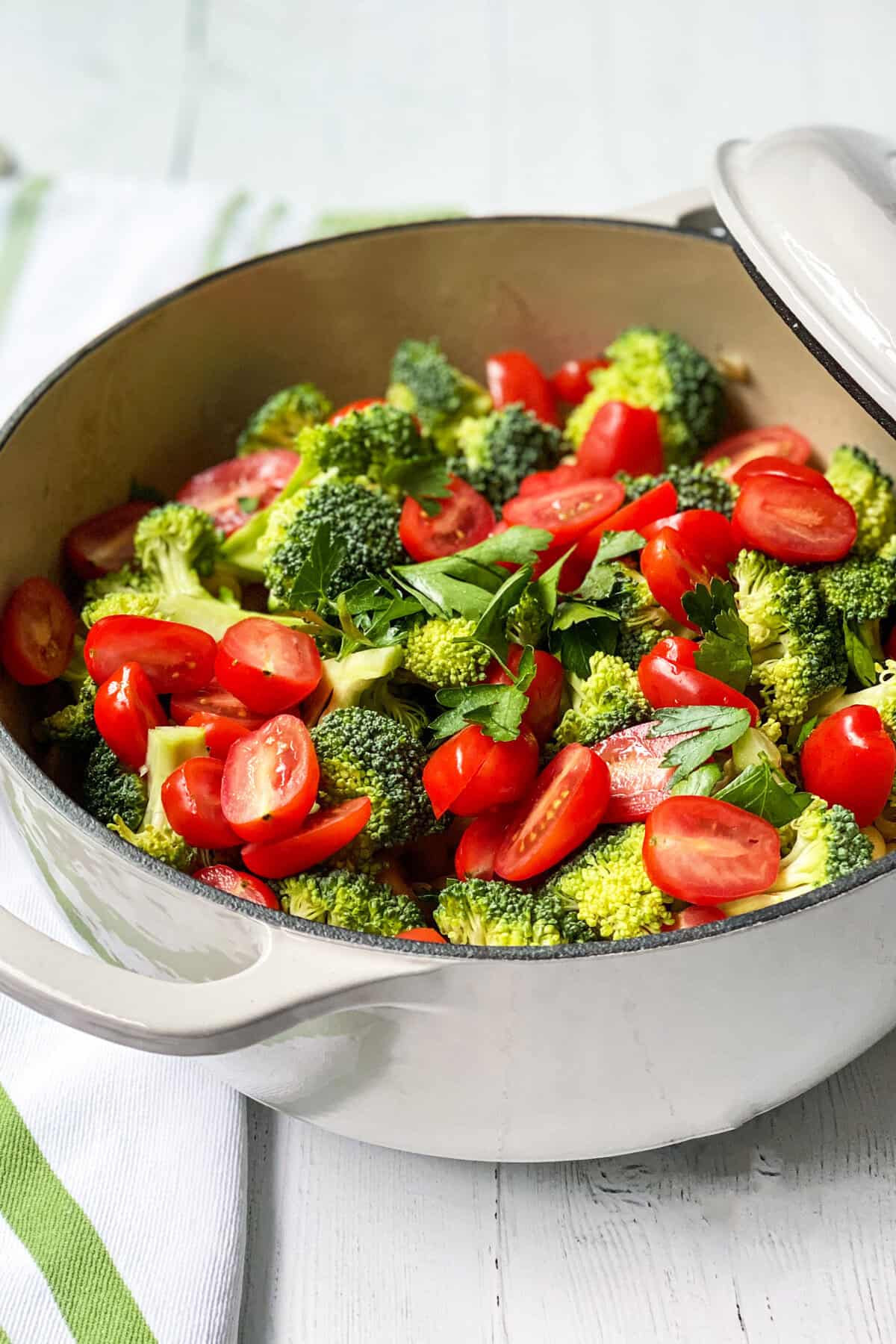
Fresh broccoli adds crunch and a slight bitterness that balances the beef. Choose broccoli with firm stalks and tight, dark green florets. Yellowing or soft spots are signs it’s past its prime.
Don’t overlook the stalks—they’re tasty and nutritious if peeled and sliced thin. Fresh broccoli cooks quickly and keeps the dish vibrant and healthy.
Essential Sauces And Spices
Sauces and spices bring everything together. Soy sauce is a must for that savory, umami boost. Adding a splash of oyster sauce or hoisin can deepen the flavor.
Don’t forget garlic and ginger—they add a fresh, zesty kick. A pinch of crushed red pepper flakes can give your dish a surprising heat. Salt and pepper are basics but use them carefully to enhance, not overpower.
Credit: www.31daily.com
Preparing The Beef
Preparing the beef is a crucial step to make your Pasta With Beef and Broccoli truly mouthwatering. The right preparation can turn simple beef slices into tender, flavorful bites that perfectly complement the pasta and veggies. Focusing on marinating and cooking techniques can elevate the dish from ordinary to exceptional.
Marinating Tips
Marinating beef adds layers of flavor and helps tenderize the meat. Use a simple mix of soy sauce, garlic, and a touch of sugar or honey for a balanced taste.
Try adding a splash of rice vinegar or lemon juice to break down the fibers and make the beef softer. Don’t forget a pinch of black pepper or chili flakes if you like a hint of heat.
Keep your beef in the marinade for at least 20 minutes, but avoid marinating for more than 2 hours to prevent the meat from becoming mushy. Have you ever noticed how a quick marinade can transform the texture and flavor of beef? It’s a small step with a big impact.
Cooking Techniques For Tenderness
High heat and quick cooking are your best friends for tender beef strips. Stir-frying or sautéing beef in a hot pan keeps it juicy without overcooking.
Cut your beef thinly, across the grain, to make each bite easier to chew. This simple trick can change the texture dramatically.
Rest the beef for a few minutes after cooking to let the juices redistribute. Have you ever rushed to serve and noticed your beef turning dry? Letting it rest helps maintain that perfect tenderness.
Cooking Broccoli Perfectly
Broccoli cooks quickly and stays crisp when steamed or sautéed briefly. This keeps it bright green and tasty in pasta with beef and broccoli dishes. Avoid overcooking to maintain a fresh texture and flavor.
Cooking broccoli perfectly can elevate your pasta dish. It adds a vibrant green color and delightful crunch. This section explores methods for cooking broccoli to perfection. These techniques enhance the texture and flavor of your pasta with beef and broccoli.Steaming Vs Sautéing
Steaming broccoli keeps its nutrients and bright color. Use a steaming basket over boiling water. Steam for 4-5 minutes until tender. Broccoli remains crunchy and fresh. Sautéing brings a richer flavor. Heat a pan with olive oil. Add broccoli florets and a pinch of salt. Cook for 5-7 minutes, stirring often. The edges will brown slightly, adding depth to the dish.Maintaining Bright Color And Crunch
Blanching helps maintain broccoli’s color. Boil broccoli for 2 minutes, then plunge into ice water. The cold water stops cooking and keeps the color vivid. To preserve crunch, avoid overcooking. Test broccoli with a fork. It should pierce easily but not feel mushy. Fresh and slightly firm broccoli enhances your pasta’s texture.
Credit: easyfood.ie
Combining Pasta, Beef, And Broccoli
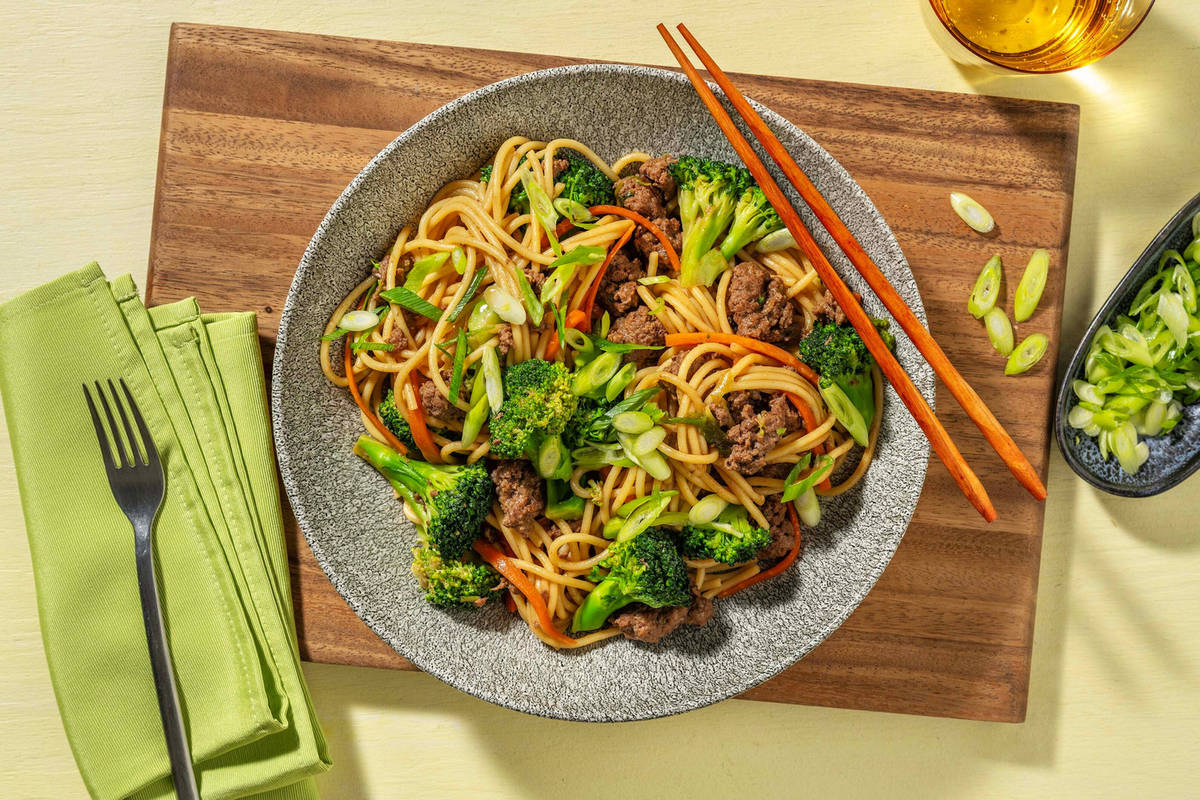
Combining pasta, beef, and broccoli creates a dish rich in texture and flavor. Each ingredient brings its own unique taste and nutrition. Pasta offers a soft, comforting base. Beef adds a hearty, savory element. Broccoli contributes a fresh, slightly crunchy texture with a mild bitterness.
Blending these ingredients perfectly requires attention to cooking times and flavor balance. This ensures every bite is enjoyable and well-rounded. Proper technique helps keep the broccoli crisp and the beef tender. The pasta must be cooked just right to avoid mushiness or toughness.
Timing For Even Cooking
Cooking pasta, beef, and broccoli together needs careful timing. Start by boiling the pasta until it is al dente. While the pasta cooks, sauté the beef in a hot pan. This locks in juices and keeps the beef tender.
Broccoli should be cooked last to stay crisp. Steam or briefly sauté it for just a few minutes. Overcooked broccoli becomes mushy and loses its bright color. Combine all ingredients quickly after cooking to keep their best textures.
Balancing Flavors
Balancing flavors in this dish is key. Beef brings a rich, meaty taste. Broccoli adds a slight bitterness and freshness. Pasta acts as a neutral base to carry flavors.
Season the beef with salt, pepper, and garlic for depth. A splash of soy sauce or a touch of lemon juice brightens the dish. Avoid overpowering the broccoli’s natural flavor. Use simple herbs like parsley or basil to add freshness.
Quick Sauce Recipes
Quick sauce recipes can transform your pasta with beef and broccoli from simple to sensational in just minutes. They add flavor depth without demanding extra time or complicated steps. Picking the right sauce can also help balance the richness of the beef and the freshness of the broccoli, making every bite enjoyable.
Garlic Soy Sauce Blend
This sauce is a favorite for those who want a savory punch with minimal effort. Mix soy sauce with minced garlic and a splash of sesame oil for a rich, umami-packed flavor. Adding a touch of honey or brown sugar balances the saltiness and brings a subtle sweetness.
Try tossing this sauce with your pasta and beef right in the pan. It seeps into the broccoli, too, giving you a perfectly coated dish. Have you ever noticed how just a little garlic and soy sauce can elevate simple ingredients to restaurant quality?
Creamy Parmesan Sauce
If you prefer something smooth and cheesy, this sauce fits perfectly. Melt butter and stir in heavy cream, then add grated Parmesan cheese until it thickens slightly. Season with black pepper and a pinch of nutmeg for warmth.
This sauce clings beautifully to every strand of pasta and piece of beef. It adds a comforting richness that contrasts nicely with the crisp broccoli. Have you tried pairing Parmesan with broccoli before? The combination might surprise you with how well they work together.
Spicy Chili Garlic Sauce
Want to add a kick to your meal? Combine chili flakes or chili paste with garlic and a splash of soy sauce or vinegar. This quick sauce delivers heat and tang, waking up your taste buds with every bite.
It’s perfect for those moments when you crave something bold but don’t want to spend time on complex sauces. Drizzle it over your pasta and toss well to spread the spicy flavor evenly. How spicy do you like your food—just a hint or full-on heat?
Serving Suggestions
Serving Pasta With Beef And Broccoli can be a delightful experience. Presentation and side choices enhance the meal’s flavor. Simple additions can turn it into a feast. Here are some ideas to make your dish stand out.
Garnishes And Toppings
- Freshly chopped parsley or basil for color and freshness
- Grated Parmesan or Pecorino cheese to add a savory touch
- Toasted pine nuts or sliced almonds for crunch
- Red pepper flakes for a bit of heat
- A drizzle of olive oil or garlic butter for richness
Pairing Side Dishes
- Simple mixed green salad with lemon vinaigrette
- Garlic bread or warm dinner rolls to soak up sauce
- Steamed or roasted vegetables like carrots or asparagus
- A light cucumber and tomato salad for contrast
- Sauteed mushrooms for an earthy flavor addition
Wine And Beverage Pairings
- Medium-bodied red wine like Merlot or Chianti
- Light white wine such as Pinot Grigio or Sauvignon Blanc
- Sparkling water with a slice of lemon for refreshment
- Herbal iced tea, like mint or chamomile
- Non-alcoholic fruit spritzers for a fruity twist
Tips For Meal Prep And Storage
Preparing pasta with beef and broccoli ahead of time can save you hours during busy weekdays. However, meal prep is only effective if you store and reheat your food properly. Let’s look at how you can keep your leftovers fresh and tasty without any hassle.
Storing Leftovers Safely
Use airtight containers to store your pasta with beef and broccoli. This prevents moisture loss and keeps flavors locked in. Cool the dish completely before placing it in the fridge to avoid condensation and bacterial growth.
Label your containers with the date to track freshness. Typically, leftovers stay good for 3 to 4 days in the refrigerator. If you want to keep them longer, freeze the portions in freezer-safe bags or containers.
Separate the broccoli from the pasta if possible before storing. This helps maintain the broccoli’s texture and prevents it from becoming soggy. Do you usually store your veggies mixed or separately? Try this next time and notice the difference.
Reheating Without Losing Flavor
Reheat your pasta with beef and broccoli gently to keep it flavorful. Use a microwave-safe lid or cover the dish with a damp paper towel to retain moisture. Heat in short bursts, stirring in between, so the heat spreads evenly.
If you prefer reheating on the stove, add a splash of water or broth to prevent dryness. Stir frequently over medium heat until warmed through. This method revives the sauce’s richness and keeps the beef tender.
Avoid overheating, as it can make the beef tough and the broccoli mushy. Have you noticed your reheated meals turning dry or bland? Adjusting your reheating method can make a big difference in taste and texture.
Credit: www.hellofresh.ca
Frequently Asked Questions
What Type Of Beef Is Best For Pasta With Beef And Broccoli?
For pasta with beef and broccoli, use lean cuts like sirloin or flank steak. These cuts cook quickly and stay tender. They also absorb flavors well, enhancing your dish’s taste without excess fat.
How Do You Cook Broccoli For Pasta Dishes?
Steam or blanch broccoli briefly to keep it crisp and vibrant. Overcooking makes broccoli mushy and dull. Adding broccoli near the end of cooking retains its nutrients and bright color.
Can I Use Other Pasta Types With Beef And Broccoli?
Yes, you can use spaghetti, fettuccine, or penne. Choose pasta that holds sauce well to balance beef and broccoli flavors. Experiment with shapes you enjoy for variety.
Is Pasta With Beef And Broccoli Healthy?
This dish offers protein, fiber, and vitamins from beef and broccoli. Using whole-grain pasta adds more nutrients and fiber. Avoid heavy sauces to keep it light and balanced.
Conclusion
Pasta with beef and broccoli makes a tasty, balanced meal. It combines protein, vegetables, and carbs in one dish. This recipe is easy to cook and perfect for busy days. You can enjoy it fresh or save leftovers for later.
Try adding your favorite sauce or spices to change the flavor. Simple ingredients come together for a satisfying dinner. Give this dish a try and enjoy a healthy, delicious meal at home.

Hi, I’m Daniel Brooks—a food lover and kitchen gear enthusiast. I enjoy testing cookware, utensils, and gadgets to see what really works in everyday cooking. At PlugChef.com, I share honest reviews, comparisons, and simple guides to help you choose the best tools for a safer, smarter, and more enjoyable kitchen.
Related posts:
 What Type of Cooking Utensils are Safe: Expert Picks
 What Innovations Could Blenders Make: Unleashing Future Tech
 Smart Strategies to Organize a Small Kitchen: Maximize Space
 How to Organize a Kitchen Cabinet: Expert Tips & Tricks
 How to Organize Kitchen Drawers: Expert Tips and Tricks
 How to Organize a Corner Kitchen Cupboard: Expert Tips

