
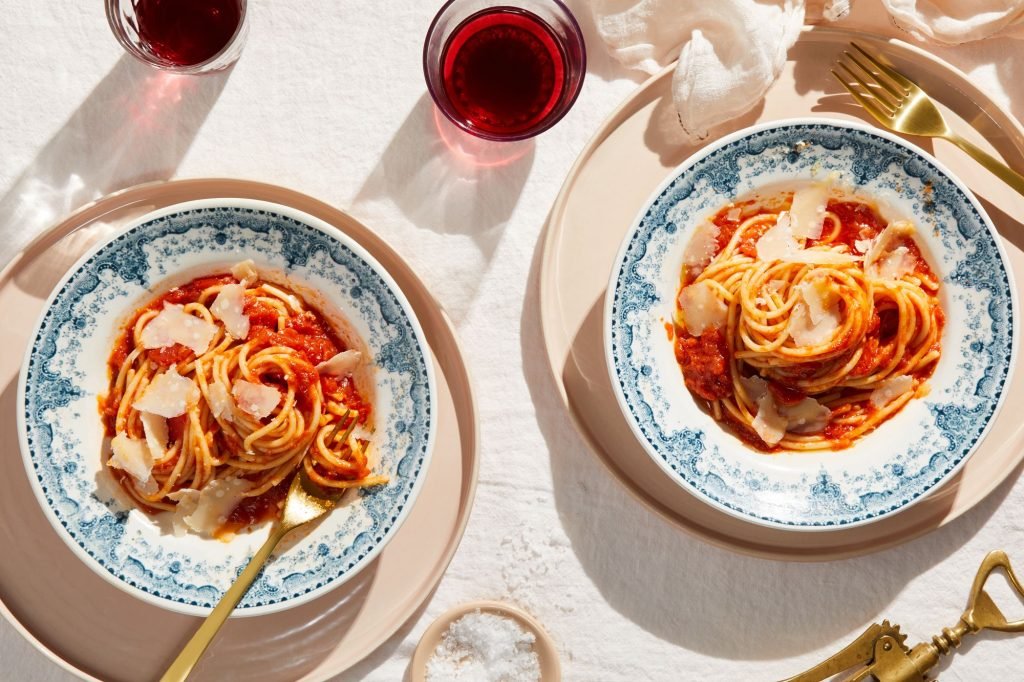
There are thousands of tomato sauce recipes circulating in home kitchens, but few have stood the test of time quite like Marcella Hazan’s iconic 3-ingredient version. Debuting in her 1976 landmark cookbook The Classic Italian Cookbook, this no-fuss sauce rejects the common belief that Italian tomato sauce requires garlic, dried herbs, or hours of complex prep. With just canned tomatoes, butter, a whole onion, and salt, you can create a rich, velvety, deeply flavorful sauce that tastes like it came straight from a grandmother’s kitchen in rural Italy. Whether you’re a novice cook or a seasoned home chef, this recipe delivers consistent, impressive results with minimal effort, and it works for everything from quick weeknight pasta to elegant dinner party dishes.
The Legacy of Marcella Hazan’s Iconic 3-Ingredient Tomato Sauce
Marcella Hazan, often called the "godmother of Italian cooking in America," was born in Cesenatico, Italy, and moved to the US in the 1950s, where she began teaching cooking classes from her New York City apartment. Over her career, she wrote 7 bestselling cookbooks, won 7 James Beard Awards, and fundamentally changed how American home cooks approach Italian cuisine – moving away from heavy, over-seasoned "Italian-American" dishes toward light, ingredient-focused preparations that honored traditional Italian techniques.
Her tomato sauce recipe is the perfect embodiment of her philosophy: great cooking doesn’t require fancy tools or long lists of ingredients, just respect for high-quality produce and patience to let flavors develop naturally. Hazan developed this recipe based on the simple tomato sauces her own mother made during her childhood in Italy, and it has since become a staple in home kitchens across the world, praised for its balance of sweet, tangy, and rich flavor notes. This minimalist, ingredient-first approach aligns with classic Italian cooking principles taught at the Culinary Institute of America, which prioritize letting high-quality produce shine without unnecessary additives.
What You’ll Need: Core Ingredients & Why Quality Makes All the Difference
The magic of this sauce lies in its simplicity, but choosing the right ingredients will make the difference between a good sauce and an unforgettable one.
Tomatoes
The foundation of any great tomato sauce is, of course, the tomatoes, and Hazan’s recipe specifically calls for 28 ounces of whole peeled canned plum tomatoes (preferably San Marzano DOP, grown in the volcanic soil near Mount Vesuvius). Canned tomatoes are actually preferred over fresh for this recipe, even in peak summer: they are picked at full ripeness and processed within hours of harvest, locking in consistent sweetness and low acidity that off-season or underripe fresh tomatoes can’t match. Look for brands that pack tomatoes in their own juice, with no added calcium chloride (which makes them overly firm) or preservatives. Avoid pre-crushed tomatoes, tomato puree, or tomato sauce, as these have already been heat-treated and have a flat, cooked flavor that won’t develop properly in the simmering process. For official guidance on selecting and storing canned tomatoes safely to avoid spoilage, refer to the USDA’s food safety resources for up-to-date recommendations.
Butter & Onion
The second and third core ingredients are 6 tablespoons (3/4 stick) of unsalted butter and 1 whole medium yellow onion, left unpeeled except for the papery outer skin and trimmed root end. The butter does double duty: it adds a silky, rich mouthfeel to the sauce, and its fat content mellow’s the tomatoes’ natural acidity, creating a balanced, rounded flavor without any harsh tang. The whole onion is cooked gently in the melted butter over low heat until completely soft and translucent, releasing its natural sweetness to complement the tomatoes’ tang. Crucially, you should avoid browning the onion – caramelization adds a bitter, roasted note that overpowers the sauce’s delicate flavor profile, a common mistake many first-time makers make. If you don’t have yellow onions, sweet Vidalia onions work as a substitute, but avoid red onions, which can add a harsh, peppery note.
Seasoning
The only other ingredient is fine sea salt, added to taste at the end of cooking. Hazan’s original recipe does not include sugar, garlic, basil, oregano, or red pepper flakes, as these ingredients mask the natural flavor of the tomatoes and butter. That said, if you’re using a lower-quality canned tomato brand with high acidity, a tiny pinch (1/4 teaspoon at most) of granulated sugar can help balance the flavor without making the sauce taste sweet. Freshly ground black pepper is also optional, but many cooks prefer to skip it to keep the sauce’s flavor pure.
Step-by-Step Preparation (No Special Skills Required)
This recipe requires minimal active time, with most of the cooking process being hands-off simmering. Follow these exact steps for perfect results every time:
- Build the flavor base: Place a 2-quart heavy-bottomed saucepan over low heat. Add the 6 tablespoons of unsalted butter, sliced into small pieces to melt evenly. Once the butter is fully melted and just starting to sizzle, add the whole peeled onion. Cook, stirring occasionally, for 5-7 minutes, until the onion is completely soft, translucent, and shows no signs of browning. Do not rush this step – slow cooking the onion is key to unlocking its natural sweetness.
- Add and crush the tomatoes: Pour the entire can of whole peeled tomatoes (including their juice) into the saucepan with the butter and onion. Use a wooden spoon to gently crush the tomatoes against the side of the pan, breaking them into 1-inch chunks. Discard any hard tomato cores or thick, unappetizing skins that don’t break down easily.
- Simmer to develop flavor: Increase the heat to medium until the sauce reaches a very gentle bubble, then immediately reduce the heat to low to maintain a slow, steady simmer. Partially cover the pan with a lid, leaving a small gap for steam to escape. Cook for 45 to 60 minutes, stirring every 10 to 15 minutes to prevent sticking, until the sauce is thick, rich, and the oil from the tomatoes and butter separates slightly at the edges of the pan.
- Finish and season: Remove the whole onion from the sauce (it will be fully cooked and soft – you can slice it and eat it as a cook’s treat, or discard it). Taste the sauce, then add fine sea salt 1/2 teaspoon at a time, stirring between additions, until it tastes perfectly balanced to your preference. If the tomatoes are very acidic, stir in a tiny pinch of sugar if desired, but this is optional for the classic version.
Common Misconceptions & Troubleshooting
Even with a simple recipe, small missteps can lead to subpar results. Below are the most common issues home cooks face, and how to fix them:
- Misconception: You need to add garlic or herbs for flavor. Hazan’s original recipe intentionally omits these ingredients to let the natural sweetness of the tomatoes and butter shine. If you prefer a more herb-forward sauce, stir in a handful of fresh basil leaves during the last 5 minutes of simmering, but this is a customization, not part of the authentic recipe.
- Misconception: You should chop the onion. Leaving the onion whole ensures it infuses the sauce with sweet, mellow flavor without adding unwanted chunks. Chopped onion will also cook faster and can burn if you’re not watching the pan closely.
- Issue: Sauce is too thick. If the sauce reduces too much during simmering, stir in 1 to 2 tablespoons of warm water, pasta water, or tomato juice until it reaches your desired consistency.
- Issue: Sauce is too acidic. If your sauce tastes sharp or tangy, stir in a tiny pinch of granulated sugar, or a splash of heavy cream (a non-traditional but popular variation) to mellow the acidity.
- Issue: Sauce has a bitter aftertaste. This is almost always caused by browning the onion, or using low-quality canned tomatoes with added preservatives. Stick to low heat when cooking the onion, and choose tomatoes with no added ingredients for future batches.
Pro Tips for Restaurant-Quality Sauce Every Time
These small adjustments will elevate your sauce from good to exceptional, every time:
- Use a heavy-bottomed saucepan to prevent scorching and ensure even heat distribution.
- For deeper, more complex flavor, simmer the sauce for up to 90 minutes instead of 45, stirring occasionally to prevent sticking.
- If you’re making a large batch, double the recipe and freeze extra portions in airtight containers for up to 3 months. Label with the date to keep track of freshness.
- This sauce is naturally vegan if you swap the butter for 1/4 cup of extra-virgin olive oil, though the butter version is the classic, most flavorful iteration.
- For an extra rich finish, stir in a tablespoon of cold butter right before serving – this technique, called monter au beurre, adds a glossy, velvety texture that’s common in classic French and Italian cooking.
- After cooking, tough baked-on sauce residue on your stovetop or saucepan comes off easily with a heavy-duty professional kitchen cleaning brush and warm soapy water.
Serving Ideas Beyond Pasta
While this sauce is a perfect match for pasta, its versatility makes it a staple for dozens of dishes:
- Toss with al dente spaghetti, penne, or rigatoni, topped with freshly grated Parmesan and a sprinkle of fresh basil for a classic weeknight meal.
- Use as a base for chicken parmesan, veal parm, or eggplant parm, layering sauce, breaded protein/vegetables, and mozzarella before baking.
- Spread on pizza dough as a simple, flavorful base before adding your favorite toppings.
- Use as a dipping sauce for fried mozzarella, garlic bread, or breadsticks.
- Stir into minestrone or vegetable soup to add sweetness and depth.
- Use as a base for shakshuka, adding poached eggs and a sprinkle of red pepper flakes for a hearty brunch dish.
- Serve alongside grilled chicken, fish, or roasted vegetables for a bright, acidic counterpoint to rich, savory mains.
- This sauce also works beautifully as a dip for crusty bread served alongside a perfectly arranged charcuterie board for casual game day or holiday gatherings. For a quick, easy weeknight meal, serve the sauce over pasta with a side of garlic bread, and use an ergonomic kitchen cleaning brush to clean up any splatters in seconds.
Storing & Reheating for Maximum Freshness
This sauce keeps well for several days, and proper storage and reheating will preserve its fresh, bright flavor:
- Refrigerator storage: Let the sauce cool completely to room temperature (no more than 2 hours after cooking, per official food safety guidance), then transfer to an airtight glass container. It will keep in the refrigerator for up to 5 days. Glass is preferred over plastic, as it doesn’t stain or hold onto tomato odors, and pairs well with custom engraved storage labels for easy organization.
- Freezer storage: For longer storage, portion the sauce into freezer-safe airtight containers or heavy-duty freezer bags, leaving 1/2 inch of space at the top for expansion. It will keep in the freezer for up to 3 months. Label each container with the date you made it to avoid forgotten leftovers.
- Reheating: Reheat the sauce gently over low heat on the stovetop, stirring frequently to prevent sticking or scorching. If the sauce has thickened in storage, stir in a splash of water, pasta water, or tomato juice to restore its original consistency. Avoid boiling the sauce, as high heat can cause the butter to separate and the tomatoes to take on a metallic, overcooked flavor. If reheating in the microwave, heat in 30-second bursts, stirring between each burst, to ensure even heating and avoid hot spots.
Frequently Asked Questions
What ingredients are in Marcella Hazan’s tomato sauce?
The classic recipe uses just 4 core ingredients: 28 ounces of whole peeled canned plum tomatoes, 6 tablespoons of unsalted butter, 1 whole medium yellow onion, and fine sea salt to taste. No garlic, dried herbs, or other additives are included in the original version, though many home cooks customize it to their taste.
How long should I cook Marcella Hazan’s sauce?
Simmer the sauce for 45 to 60 minutes for the best balance of thick texture and bright, fresh tomato flavor. You can extend the simmer time up to 90 minutes for a deeper, more concentrated flavor, but avoid cooking longer than that, as the tomatoes will start to develop a metallic, overcooked taste.
Can I use fresh tomatoes for this recipe?
Yes, but canned tomatoes are strongly preferred for consistency. If using fresh, you’ll need 2 to 2.5 pounds of ripe, in-season plum tomatoes, peeled, seeded, and crushed. Fresh tomatoes vary widely in sweetness and acidity depending on the season and where they’re grown, so your sauce may taste different each time you make it. Canned tomatoes are picked at peak ripeness and processed within hours, so they deliver consistent, reliable results year-round.
What dishes pair well with this tomato sauce?
This sauce is incredibly versatile: it’s a perfect match for all types of pasta, works as a base for baked dishes like lasagna and chicken parm, pairs well with grilled meats and roasted vegetables, and can be used as a dipping sauce or pizza base. Its mild, balanced flavor makes it a great starting point for customizing with your favorite add-ins.
Conclusion
Marcella Hazan’s tomato sauce is proof that the best cooking often comes from the simplest methods. With just a handful of pantry staples and 45 minutes of hands-off simmering time, you can create a rich, balanced, deeply flavorful sauce that beats jarred versions every time, and works for dozens of meals beyond just pasta. The recipe’s lack of fancy techniques or hard-to-find ingredients makes it accessible for cooks of all skill levels, while its authentic, time-tested flavor makes it a favorite even among seasoned Italian cooking enthusiasts. Give it a try this week, and you’ll see why this recipe has remained a global staple for nearly 50 years. For more easy, delicious weeknight recipes, browse the latest Plug Chef recipe collection for inspiration.
 Freshly finished sauce, ready to toss with pasta or store for later
Credit: food52.com
Freshly finished sauce, ready to toss with pasta or store for later
Credit: food52.com
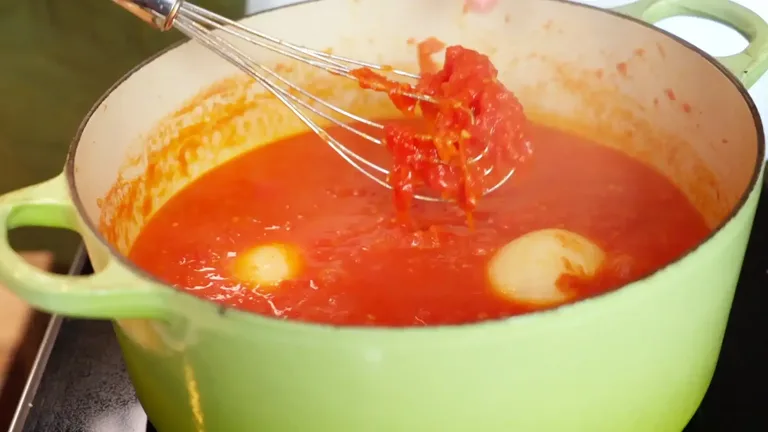 The 3-ingredient base simmers gently to build deep, balanced flavor
Credit: www.pbs.org
The 3-ingredient base simmers gently to build deep, balanced flavor
Credit: www.pbs.org
 The sauce pairs perfectly with simple pasta for a classic weeknight meal
Credit: food52.com
The sauce pairs perfectly with simple pasta for a classic weeknight meal
Credit: food52.com
Quick Kitchen Safety Reminder
As you simmer this low-maintenance sauce, take a moment to prioritize kitchen safety, especially if you have young children or curious pets in the home. Keep hot pan handles turned inward away from the edge of the stove, and secure lower cabinet and drawer locks to prevent access to cleaning supplies, sharp utensils, or heavy cookware while you’re focused on cooking. For reliable, easy-to-install solutions that won’t damage your cabinetry, explore our range of child-proof drawer locks and kitchen cabinet safety latches designed for hassle-free setup in minutes. When it’s time to clean up, a sturdy kitchen cleaning brush makes quick work of any baked-on sauce residue on your stovetop or saucepan.

I’m Abby Lu, a passionate home cook who loves simplifying everyday meals. At PlugChef.com, I share product reviews and cooking guides to help you find the best tools for your kitchen.
Related posts:
 Seville Expandable Cabinet And Pantry Organizer: Space Savior
 Glideware Pull Out Cabinet Organizer for Pots & Pans: Space Saver
 Small 3-Tier Shelf Organizer: Maximize Space Effortlessly
 Trader Joe’S Spicy Lentil Wrap: Delicious, Healthy, and Quick Meal!
 Easy Way to Peel Pumpkin: Quick Tips for Effortless Prep
 How Long Do Grapes Last: Ultimate Freshness Guide Revealed

