A reliable KitchenAid dishwasher is a workhorse for busy households, handling everything from daily dinner plates to large pots and pans with consistent performance. But even high-end models lose efficiency over time without proper care, leading to spotty dishes, foul odors, higher energy bills, and premature part failure. Most common issues are entirely preventable with simple, routine maintenance and timely part replacements, no professional service required for basic upkeep. This guide covers actionable, step-by-step tips to keep your KitchenAid dishwasher running like new for years, plus solutions for common wear and performance problems.
Why Regular KitchenAid Dishwasher Maintenance Matters
KitchenAid dishwashers (manufactured by Whirlpool) are built to last 10 to 12 years with proper care, but neglect cuts that lifespan significantly. The most common performance complaints—dirty dishes after cycles, musty smells, poor drying, and rack jams—trace back to easily avoidable maintenance gaps. For example, a clogged filter, the most frequent cause of poor cleaning in KitchenAid models, reduces water pressure and leaves food residue stuck to dishes even after a full wash cycle, per KitchenAid’s official care guidelines. Regular upkeep also prevents small issues from escalating into costly repairs: a $10 set of replacement rack wheels costs far less than a full rack assembly replacement, which can run $100 or more. Beyond performance, consistent maintenance improves energy efficiency, reducing your household’s utility costs over the appliance’s lifetime.
Daily and Weekly Routine Maintenance (No Special Tools Needed)
Most KitchenAid dishwasher care takes less than 5 minutes per week and requires no special equipment. These small, consistent habits prevent 90% of common performance issues.
Pre-Cycle Prep
A common mistake many homeowners make is pre-rinsing dishes before loading them, which actually reduces the effectiveness of modern enzyme-based dishwasher detergent and wastes up to 20 gallons of water per cycle. Instead, scrape off large food scraps into the trash or compost, and only rinse dishes with dried-on, stuck-on food. Before starting a cycle, quickly check that the spray arms are not blocked by large pots or utensils, as obstructions prevent water from reaching all dish surfaces.
Post-Cycle Gasket and Surface Care
After each cycle, leave the dishwasher door ajar for 15 to 30 minutes to let moisture evaporate from the interior. This simple step prevents mold and mildew growth in the door gasket and interior corners, a common cause of musty odors. Once a week, wipe down the rubber door gasket with a damp cloth to remove trapped food crumbs and detergent residue, which can cause leaks and bad smells if left to build up. Wipe the exterior door and control panel with a gentle cleaner and a cleaning scrub brush to remove grime and detergent splatters.
Monthly Filter and Spray Arm Cleaning
The removable mesh filter at the bottom of your KitchenAid dishwasher is its most critical maintenance component, catching food debris before it clogs the drain and spray arms. To clean it:
- Pull out the bottom rack fully and twist the upper filter assembly counterclockwise to remove it.
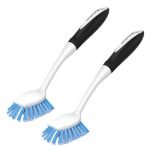
- Lift out the lower mesh filter and rinse it under warm running water, using a sturdy scrub brush to dislodge stuck food bits without damaging the fine mesh.
- Rinse the filter cavity in the dishwasher base to remove any remaining debris, then reinstall the filter and upper assembly.
- Remove the upper and lower spray arms, rinse them under water, and use a paperclip or toothpick to clear clogs from the spray holes, which improve water distribution for even cleaning. Run a short cycle with no dishes to test water flow from the spray arms after cleaning.
Deep Cleaning for Limescale, Grease, and Odor Control
Even with regular filter cleaning, mineral deposits from hard water, grease, and detergent residue build up in hard-to-reach areas of your dishwasher over time, reducing performance and causing odors. Deep clean your KitchenAid dishwasher every 1 to 2 months, or more frequently if you have hard water (signs include white film on dishes or glassware after cycles).
When to Run a Deep Clean Cycle
If you notice any of the following signs, it’s time for a deep clean: dishes come out with a cloudy or spotted film, the dishwasher emits a sour or rotten smell even after running empty, or drying performance has declined. Homes with hard water may need to deep clean monthly to prevent limescale buildup that clogs spray jets and damages the heating element.
Top Cleaning Products for KitchenAid Dishwashers
Two products stand out for deep cleaning, both safe for all KitchenAid models and formulated to avoid damaging rubber seals or plastic components:
- Affresh W10549851 Dishwasher Cleaner Tablets: These manufacturer-formulated tablets are designed to dissolve limescale, grease, and odor-causing residue in all dishwasher models. Drop one tablet in the empty dishwasher (no pre-rinsing needed) and run the hottest available cycle for a no-mess deep clean. They are ideal for monthly maintenance and work well for all KitchenAid models, including stainless steel interior units.
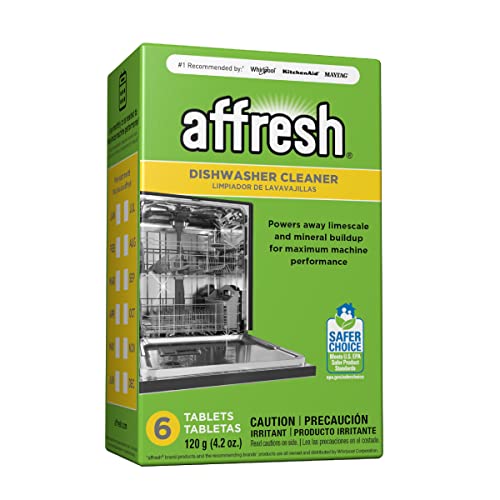 Drop one tablet in the empty dishwasher monthly to dissolve hidden buildup and eliminate odors.
 - Finish Dishwasher Cleaner Liquid: For heavy limescale buildup common in hard water areas, Finish’s liquid formula penetrates deep into the dishwasher’s interior, including the drain hose and spray arm cavities, to dissolve stubborn mineral deposits. Pour 8 oz (half the bottle) into the bottom of the empty dishwasher and run the hottest cycle for a thorough clean. One bottle provides a 3-month supply for regular upkeep.
 Use Finish liquid quarterly for heavy limescale buildup in hard water areas.
While white vinegar is a popular natural alternative for deep cleaning, avoid using it weekly, as its mild acidity can degrade rubber gaskets and plastic components over time with repeated exposure. Occasional use (every 2 to 3 months) is safe for most models.
Cleaning Hard-to-Reach Interior Areas
In addition to using a deep clean product, wipe out the detergent dispenser monthly to remove old, caked-on detergent that can cause clogs and poor dispensing. Check the drain hose (located under the sink connected to the dishwasher) for kinks or clogs if you notice standing water at the bottom of the dishwasher after cycles. The EPA’s Energy Star program emphasizes that regular maintenance reduces strain on your dishwasher’s motor and heating element, cutting unnecessary energy use over the appliance’s lifespan.
Replacing Common Wear Parts to Extend Lifespan
Even with perfect routine care, dishwasher parts wear out over time due to constant exposure to water, heat, and detergent. Replacing worn components as soon as you notice issues prevents further damage to other parts and restores full performance. All parts listed below are cross-compatible with most KitchenAid, Whirlpool, and Kenmore dishwasher models.
Lower Rack Wheels (Rust-Resistant Replacements)
The most commonly replaced part for KitchenAid dishwashers, lower rack wheels, fail due to constant water exposure and weight stress from loaded dishes. Signs you need to replace them include the lower rack sticking or jamming when sliding in and out, visible cracks or missing wheels, or the rack tilting to one side. Rust-resistant construction is critical for longevity, as cheap plastic wheels degrade quickly in wet environments.
- For a durable, long-lasting option, this 4-pack of upgraded W10195416 lower rack wheels is made of rust-proof plastic that fits most KitchenAid full-size models, and installs in minutes without tools.
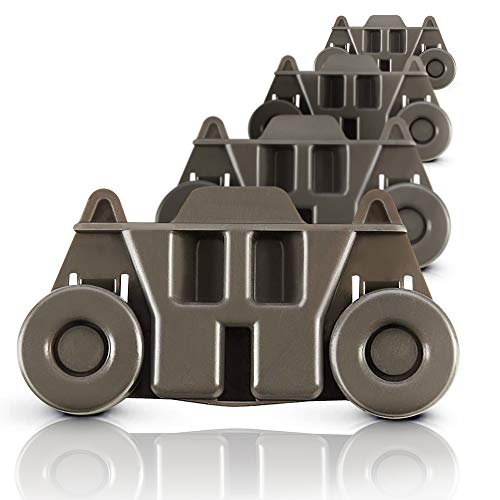 Replace worn lower rack wheels to restore smooth gliding and prevent rack jams.
 - For a compatible alternative, this 4-pack of W10195417 upgraded wheels fits a wider range of part numbers (AP4538395, PS2579553, and more) and is designed to match the exact dimensions of original KitchenAid wheels for a seamless fit.
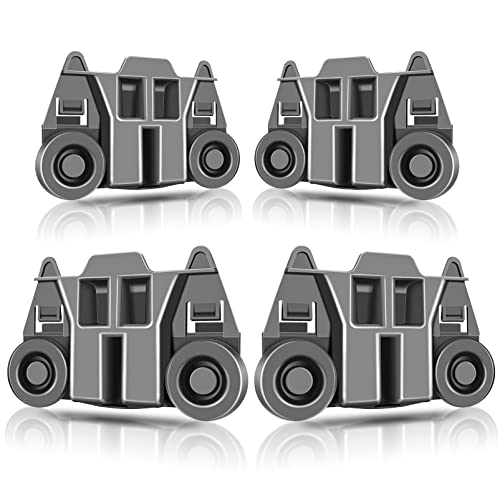 Upgraded wheels resist cracking and wear, even with frequent heavy loads.
Upper Rack Adjuster
The upper rack adjuster, which lets you raise or lower the top rack to accommodate tall pots below, is a common wear point for KitchenAid models manufactured after 2015. Signs of failure include the upper rack sagging, refusing to stay in the height position you set, or being unable to fit large items in the lower rack. This upgraded WPW10546503 adjuster is compatible with popular models including KDTE334GPS0 and KDTM354DSS4, and restores full rack adjustability in minutes with no specialized tools.
 A broken upper rack adjuster limits loading flexibility and can cause dishes to block spray arms.
Upper Rack Wheels
Worn upper rack wheels cause the top rack to sag or get stuck when sliding in and out, leading to uneven cleaning on the top level and potential damage to dishes. This 4-pack of 8268743 replacement wheels fits most KitchenAid, Whirlpool, and Kenmore top racks, and is made of durable plastic that resists wear from frequent use.
 Replace all upper rack wheels at once for consistent, smooth gliding performance.
Silverware Basket
A cracked or broken silverware basket is more than a nuisance: loose utensils can fall through gaps in the basket and block spray arms, leading to poor cleaning and even damage to the spray arm motor. This universal WP8562043 replacement basket fits most KitchenAid and Whirlpool models, requires no tools to install, and has a spacious design that holds all standard utensils without overcrowding.
 An intact silverware basket prevents utensils from blocking spray arms and causing poor cleaning.
Door Balance Link Kit
If your KitchenAid dishwasher door slams shut, won’t stay open when loading dishes, or is unusually heavy to open, the door balance link is likely broken. A faulty link puts extra strain on the door hinges, which can lead to misalignment, leaks, and even door failure over time. This 8194001 replacement kit fits most KitchenAid, Whirlpool, and Kenmore models, and restores smooth, balanced door operation in minutes.
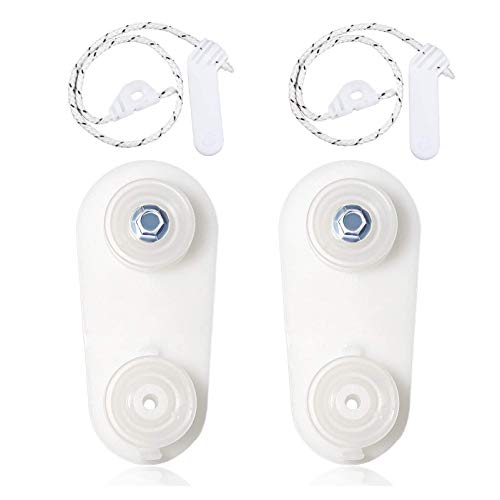 A broken door balance link makes loading and unloading dishes difficult and can cause long-term hinge damage.
Kick Plate Clips
The kick plate, the plastic panel at the bottom front of your dishwasher, protects internal components from dust, debris, and foot traffic. If the clips holding it in place break, the plate will rattle during cycles or fall off completely, exposing sensitive parts to damage. These universal Impresa kick plate clips fit all major KitchenAid, Whirlpool, and Kenmore models, and snap into place with no tools needed for a secure fit.
 Secure kick plates protect internal components and eliminate annoying rattling during cycles.
Troubleshooting Common Performance Issues
If you notice a drop in cleaning performance, start with these quick fixes before calling a professional:
Dishes Coming Out Dirty or Spotted
First, clean the filter and spray arms to rule out clogs. If cleaning is still poor, check your water heater temperature: KitchenAid dishwashers require water of at least 120°F (49°C) to effectively dissolve detergent and remove grease. If your water heater is set lower, adjust it slightly (do not exceed 140°F to avoid scalding risk). For hard water homes, run a deep clean cycle with Affresh or Finish to remove limescale from spray jets.
Persistent Bad Odors
Musty smells almost always come from trapped food in the gasket, filter, or detergent dispenser, or mold growth from excess moisture. Clean all three areas, run a deep clean cycle, and leave the door ajar between uses to let air circulate. If odors persist, check the drain hose under your sink for kinks that cause standing water to sit in the dishwasher base.
Rack Jam or Poor Sliding
If racks stick or are hard to slide, first clear any debris from the rack tracks. If the problem continues, replace worn rack wheels with the compatible sets listed above.
Door Won’t Stay Open
A door that slams shut or won’t stay open is almost always caused by a broken door balance link. Replace the 8194001 kit to restore smooth operation.
Safety Tips for DIY Maintenance
- Always unplug your dishwasher or turn off its circuit breaker before removing any interior components (filters, spray arms, rack parts) to avoid electric shock.
- Wear gloves when handling cleaning products, even non-toxic formulas, to avoid skin irritation. Never mix different cleaning products (e.g., vinegar and bleach), as this can create toxic fumes.
- Keep all dishwasher detergent and cleaning products out of reach of children and pets. Install child-proof cabinet locks on under-sink storage to prevent accidental access.
- Always verify your dishwasher’s model number (printed on the door edge or side interior panel) before purchasing replacement parts to ensure compatibility. KitchenAid full-size models start with model prefixes KDT, KDF, or KUD.
- For added child safety, install kitchen cabinet safety latches on lower cabinets near the dishwasher to prevent kids from accessing sharp utensils or heavy dishes during loading and unloading.
Frequently Asked Questions
How often should I clean my KitchenAid dishwasher filter?
Clean the filter monthly for optimal performance. If you run the dishwasher daily or have hard water, clean it every two weeks to prevent clogs.
How often should I use Affresh dishwasher cleaner tablets?
Use Affresh tablets once a month for routine deep cleaning. If you have hard water or notice odors, use them every two weeks for extra buildup removal.
Can I use vinegar to clean my KitchenAid dishwasher?
Yes, but only occasionally (every 2 to 3 months). Pour 1 cup of white vinegar into the bottom of the empty dishwasher and run the hottest cycle. Avoid weekly use, as vinegar’s acidity can degrade rubber gaskets over time.
What are signs I need to replace dishwasher rack wheels?
Signs include the rack sticking or jamming when sliding, visible cracks or missing wheels, or the rack tilting to one side when loaded. Replacing wheels promptly prevents damage to the rack and other components.
How do I replace dishwasher wheels on KitchenAid racks?
Most rack wheels snap or slide into place with no tools needed. Remove the lower rack fully, press the old wheel out of its bracket, and snap the new wheel into place. For upper rack wheels, you may need a screwdriver to remove the old wheel’s retaining clip.
Can I use Finish dishwasher cleaner for deep cleaning?
Yes, Finish liquid is formulated for heavy limescale and grease removal. Use it quarterly for routine deep cleaning, or monthly if you have hard water, to maintain peak performance and eliminate odors.
How do dishwasher kick plate clips help maintenance?
Kick plate clips secure the front access panel under the dishwasher, protecting internal components from dust, debris, and foot traffic. Replacing broken clips eliminates rattling during cycles and prevents damage to sensitive internal parts.
What dishwasher parts are compatible with KitchenAid models?
Parts including rack wheels, upper rack adjusters, door balance links, silverware baskets, and kick plate clips are cross-compatible with most KitchenAid, Whirlpool, and Kenmore models. Always verify your model number before purchasing to ensure a proper fit.
Conclusion
Proper KitchenAid dishwasher maintenance doesn’t require professional expertise or expensive tools—just consistent, small habits and timely part replacements when needed. Monthly filter cleaning, weekly gasket wiping, and quarterly deep cleaning with a product like Affresh or Finish will prevent 90% of common performance issues, from spotty dishes to foul odors. When wear parts like rack wheels, adjusters, or balance links fail, replacing them with compatible, durable components restores full function without the cost of a full appliance replacement. For added safety, secure detergent and cleaning supplies out of kids’ reach with child safety locks for cabinets and keep the area around the dishwasher tidy with a professional kitchen cleaning brush to wipe down spills quickly. By following these tips, your KitchenAid dishwasher will deliver spotless, dry dishes, avoid costly repairs, and last for a decade or more. For high-quality, tested replacement parts compatible with your KitchenAid model, browse our curated selection to keep your appliance running at peak performance.

Hi, I’m Daniel Brooks—a food lover and kitchen gear enthusiast. I enjoy testing cookware, utensils, and gadgets to see what really works in everyday cooking. At PlugChef.com, I share honest reviews, comparisons, and simple guides to help you choose the best tools for a safer, smarter, and more enjoyable kitchen.
Related posts:
 Best Tea Instead of Coffee: Discover Delicious Caffeine-Free Alternatives
 Philips Kitchen Appliances Cleaning Comparison: Top Solutions for Effortless Maintenance
 Best Vacuum Sealers for Food: Top Picks for Ultimate Freshness
 Best Gluten Free Bread Mix for Bread Machine: Top Picks for Tasty Loaves
 Kitchen Cleaning Brush Scrubber: Top Picks for Effortless Dishwashing
 Kitchen Cabinet Cleaning Brush: Ultimate Tools for Deep, Easy Kitchen Cleaning