
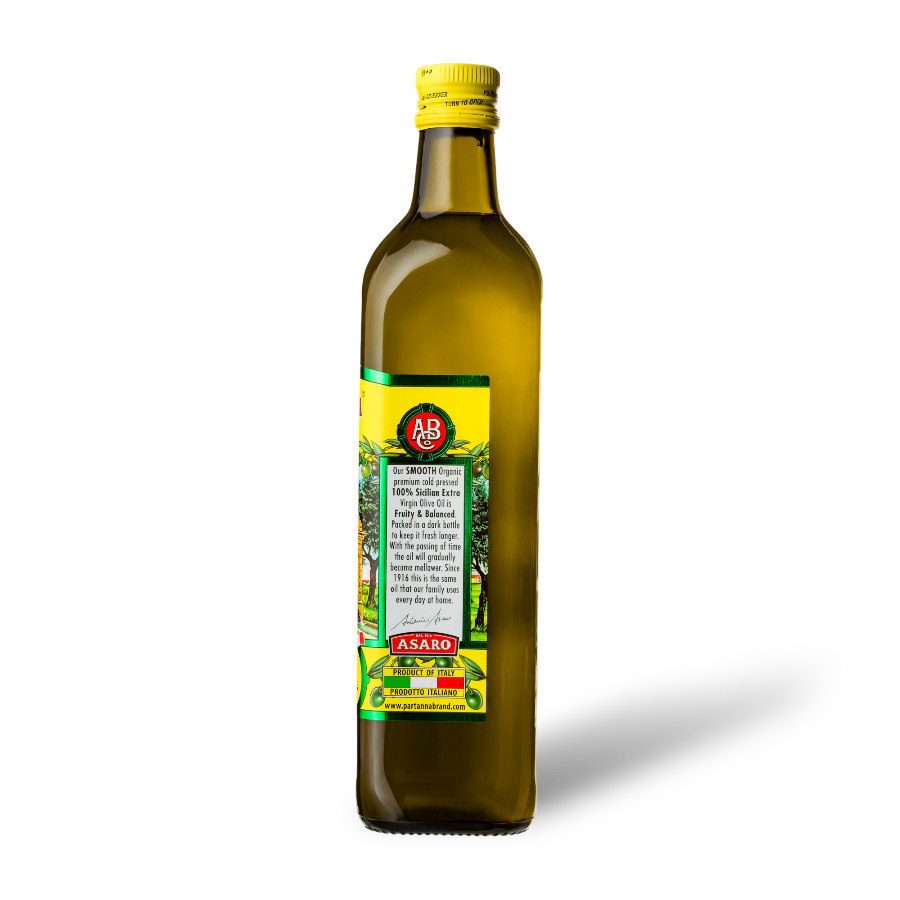
Have you ever wondered if the Partanna olive oil in your kitchen is truly authentic? With so many brands claiming to offer the best quality, it’s easy to feel unsure about what you’re really getting.
You deserve to know if your olive oil is genuine, fresh, and worth every drop. You’ll discover the truth behind Partanna olive oil—what makes it real, how to spot fakes, and why it matters for your health and taste. Keep reading to protect your pantry and enjoy every meal with confidence.
Origins Of Partanna Olive Oil
The origins of Partanna olive oil reveal much about its authenticity and quality. Understanding where it comes from helps you appreciate why it stands out on your kitchen shelf. Let’s look closer at its roots and history to see why this olive oil carries a genuine reputation.
Geographical Roots
Partanna olive oil comes from the town of Partanna in Sicily, Italy. This region’s climate is ideal for olive growing, with hot summers and mild winters. The soil here is rich in minerals, which gives the olives a unique flavor profile.
If you’ve ever visited or tasted Sicilian olives, you know they have a distinct, robust taste. That flavor comes straight from Partanna’s land and weather conditions. Knowing the geography helps you understand why this olive oil tastes so fresh and vibrant.
Historical Production
Partanna has a long history of olive oil production, dating back centuries. Families in this area have passed down traditional pressing techniques through generations. This tradition ensures that each bottle contains oil made with care and expertise.
Imagine a local farmer carefully picking olives by hand, then pressing them within hours to maintain freshness. That hands-on approach is why you can trust Partanna olive oil to be real and pure. How often do you find olive oil with such a deep connection to its roots?
Characteristics Of Authentic Partanna Olive Oil
Authentic Partanna olive oil stands out for its unique qualities. These traits come from the specific olive varieties and the careful production process. Recognizing these characteristics helps confirm its genuineness and appreciate its true value.
Flavor Profile
Partanna olive oil offers a fresh, fruity taste. It often carries hints of green apple, artichoke, and a slight bitterness. The flavor is balanced, not too strong or too mild. This oil finishes with a gentle peppery note that lingers on the tongue. Such a profile reflects the natural olives and careful pressing.
Color And Texture
The color of real Partanna olive oil is bright green with golden hues. Its texture is smooth but slightly thick, showing high quality. This richness comes from the oil’s natural antioxidants. The oil shines with a clean and clear appearance, without cloudiness or sediment. These visual cues help identify its authenticity.
Harvesting Methods
Harvesting for Partanna olive oil happens early in the season. Olives are picked by hand to avoid damage. Quick processing after harvesting preserves freshness and flavor. Cold pressing is the preferred method to keep nutrients intact. These traditional methods ensure the oil’s purity and quality.
Common Signs Of Counterfeit Olive Oil
Spotting counterfeit olive oil can be tricky, but knowing what to look for helps you protect your kitchen and your health. Fake olive oil often hides behind subtle signs that you might miss if you’re not paying close attention. Let’s break down the common signs to watch out for so you can make smarter choices.
Packaging Differences
Authentic olive oil usually comes in dark glass bottles or tins to protect it from light, which can spoil the oil. If you find clear plastic or flimsy packaging, it’s a warning sign that the oil might not be genuine.
Also, check the cap or seal. A broken or loose seal could mean the oil has been tampered with or refilled. Real brands often have tight, secure seals that show they care about quality.
Price Discrepancies
Genuine Partanna olive oil comes at a price reflecting its quality and production process. If you see a bottle selling for much less than usual, ask yourself why.
Cheap olive oil is often a red flag. It might be diluted with cheaper oils or made from lower-grade olives. Don’t let a tempting price tag fool you into buying something that could harm your health or ruin your recipes.
Labeling Red Flags
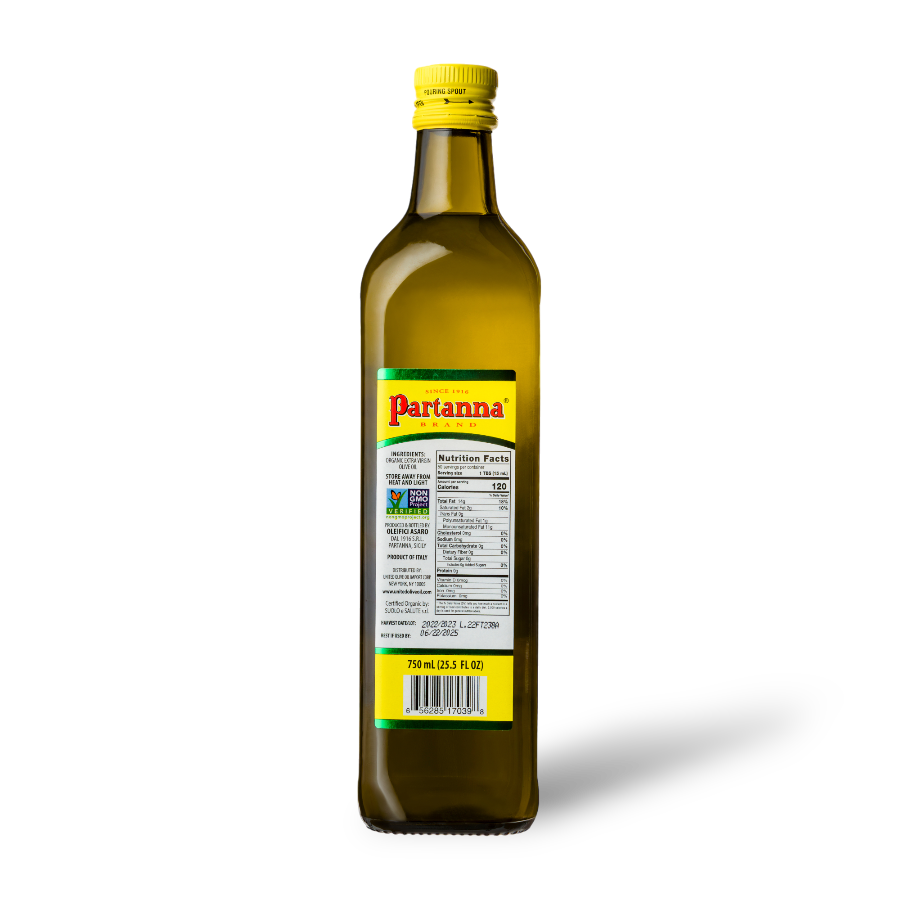
Labels offer important clues about authenticity. Look for detailed information such as the harvest date, origin, and certification seals.
Vague labels or missing key details should raise suspicion. If the label claims “extra virgin” but lacks certification or has spelling errors, it’s wise to be cautious.
Have you ever checked a label closely before buying? It might be the difference between a great olive oil and a fake that tastes off or harms your cooking.

Credit: www.walmart.com
Testing The Authenticity
Testing Partanna olive oil’s authenticity involves checking its color, aroma, and taste. Genuine oil has a fresh, fruity smell and a smooth, slightly bitter flavor. Confirming the label and origin helps ensure it is real Partanna olive oil.
Testing the authenticity of olive oil is crucial if you want to ensure you’re getting the real deal. Is that golden liquid in your kitchen truly pure, or is it a blend of lesser oils? If you’re a fan of Partanna Olive Oil, you might wonder if it lives up to its reputation. Here’s how you can test its authenticity.Chemical Analysis
A chemical analysis can reveal a lot about the composition of olive oil. Labs can test for fatty acid profiles, sterols, and other components. If the olive oil is real, its chemical makeup will match what is expected for pure olive oil. While you might not have a lab at home, many brands, including Partanna, often publish their chemical analysis results for transparency. This shows a commitment to quality and can give you peace of mind.Sensory Evaluation
Sensory evaluation is all about using your senses to judge the quality of olive oil. Real olive oil should have a fresh, fruity aroma and a balanced taste of bitter and peppery notes. Pour a small amount into a glass, warm it with your hands, and take a deep sniff. Does it smell fresh and inviting? When you taste it, pay attention to the flavors and the slight burn at the back of your throat — a hallmark of high-quality olive oil. If the oil tastes bland or greasy, it might not be authentic.Certification Marks
Look for certification marks when buying olive oil. These marks indicate the oil has met certain standards. Labels like PDO (Protected Designation of Origin) or PGI (Protected Geographical Indication) can be found on genuine products. Partanna Olive Oil, for example, may carry these marks, assuring you it’s sourced and produced following strict guidelines. Checking for these certifications can be a simple yet effective step in verifying the authenticity of your olive oil.Reputable Sources To Buy Partanna Olive Oil
Finding genuine Partanna olive oil can feel tricky, especially with so many options out there. Knowing where to buy it from reputable sources ensures you get the real, high-quality product that lives up to its name. Let’s look at some places where you can confidently purchase authentic Partanna olive oil.
Trusted Retailers
Specialty food stores and well-known gourmet retailers often stock authentic Partanna olive oil. These shops usually have strict quality controls and source their products directly from trusted producers. Visiting a trusted retailer means you can often ask questions and even get tasting advice from knowledgeable staff.
If you’ve ever bought olive oil from a local gourmet market, you know how reassuring it is to see clear labeling and certifications. Does your neighborhood store carry Mediterranean products? That might be a good place to start your search.
Online Marketplaces
Shopping online offers access to a wide range of sellers offering Partanna olive oil. However, not all online listings guarantee authenticity. Look for sellers with high ratings, detailed product descriptions, and customer reviews that mention the oil’s flavor and packaging.
Marketplaces like Amazon or specialty food websites often provide certifications and origin details. Have you checked if the seller offers batch numbers or harvest dates? Those details can help confirm the oil’s authenticity.
Local Producers
Buying directly from local producers or cooperatives in Sicily is a great way to ensure you get genuine Partanna olive oil. Many producers sell their oil through their own websites or at local markets, allowing you to trace the product back to its source.
When I visited Sicily, I found that speaking directly with producers gave me confidence in the oil’s quality. Could reaching out to these producers online give you the same assurance before you buy? It’s worth exploring their websites or social media pages for direct purchase options.
Credit: partannafoods.com
Impact Of Fake Olive Oil On Consumers
Fake olive oil is more than just a label issue—it directly affects you as a consumer in several serious ways. Understanding the impact helps you make smarter choices and avoid hidden risks in your kitchen and health. Let’s look closely at how counterfeit olive oil can change your experience and what it means for your wellbeing and wallet.
Health Concerns
Fake olive oil often contains lower-quality oils mixed with chemicals or additives. These can cause allergic reactions or digestive problems you might not expect from a simple cooking oil. Have you ever noticed unusual symptoms after using olive oil? It could be linked to these hidden ingredients.
Consuming adulterated oil regularly may increase your risk for heart problems and inflammation. Genuine olive oil is known for its antioxidants and healthy fats, but fake versions lack these benefits and might even harm you. Protecting your health starts with knowing what’s really in your bottle.
Economic Effects
Buying fake olive oil means you pay premium prices for inferior products. This hurts your budget over time, especially if you use olive oil frequently. Imagine spending on a product that doesn’t deliver the value you expect—how does that affect your trust in food brands?
On a larger scale, counterfeit oils undermine honest producers who work hard to maintain quality. This damages local economies and can lead to job losses in regions known for authentic olive oil production. Your choice as a buyer influences not just your kitchen but entire communities.
Culinary Quality
Fake olive oil changes the taste and aroma of your dishes. You might find your salads or sautés lacking the vibrant, fruity notes that real olive oil brings. Have you ever wondered why a recipe doesn’t turn out as flavorful as it should? The oil could be the culprit.
Cooking with genuine olive oil enhances texture and depth of flavor, making meals more enjoyable. Using fake oil can ruin your culinary efforts and leave you disappointed. Don’t let poor quality oil steal the joy from your cooking adventures.

Credit: www.walmart.com
Frequently Asked Questions
Is Partanna Olive Oil Authentic And Pure?
Partanna olive oil is authentic, made from Sicilian olives. It undergoes strict quality checks to ensure purity and freshness. The brand is trusted for producing genuine extra virgin olive oil with natural flavors and health benefits.
Where Does Partanna Olive Oil Come From?
Partanna olive oil originates from Sicily, Italy. This region is famous for its ideal climate and soil, producing high-quality olives. The oil reflects traditional Italian olive oil craftsmanship and rich Mediterranean flavors.
How To Verify If Partanna Olive Oil Is Real?
Check the label for certification seals and origin details. Authentic Partanna oil has a clear, golden-green color and a fresh, fruity aroma. Purchase from reputable sellers to avoid counterfeit products.
What Makes Partanna Olive Oil Special?
Partanna olive oil uses handpicked olives and cold-press extraction. This preserves antioxidants, vitamins, and natural taste. Its unique Sicilian terroir gives it a distinct, robust flavor loved worldwide.
Conclusion
Partanna olive oil is a genuine product with a rich history. It comes from olives grown in Sicily’s unique climate. The oil is made using traditional methods that keep its quality high. Many people trust Partanna for its pure taste and health benefits.
Choosing real olive oil matters for cooking and nutrition. Always check labels and buy from trusted sources. This way, you enjoy the true flavor and benefits of olive oil. Partanna stands as a reliable choice for anyone seeking authentic olive oil.

Hi, I’m Daniel Brooks—a food lover and kitchen gear enthusiast. I enjoy testing cookware, utensils, and gadgets to see what really works in everyday cooking. At PlugChef.com, I share honest reviews, comparisons, and simple guides to help you choose the best tools for a safer, smarter, and more enjoyable kitchen.
Related posts:
 What Type of Cooking Utensils are Safe: Expert Picks
 What Innovations Could Blenders Make: Unleashing Future Tech
 Smart Strategies to Organize a Small Kitchen: Maximize Space
 How to Organize a Kitchen Cabinet: Expert Tips & Tricks
 How to Organize Kitchen Drawers: Expert Tips and Tricks
 How to Organize a Corner Kitchen Cupboard: Expert Tips

