
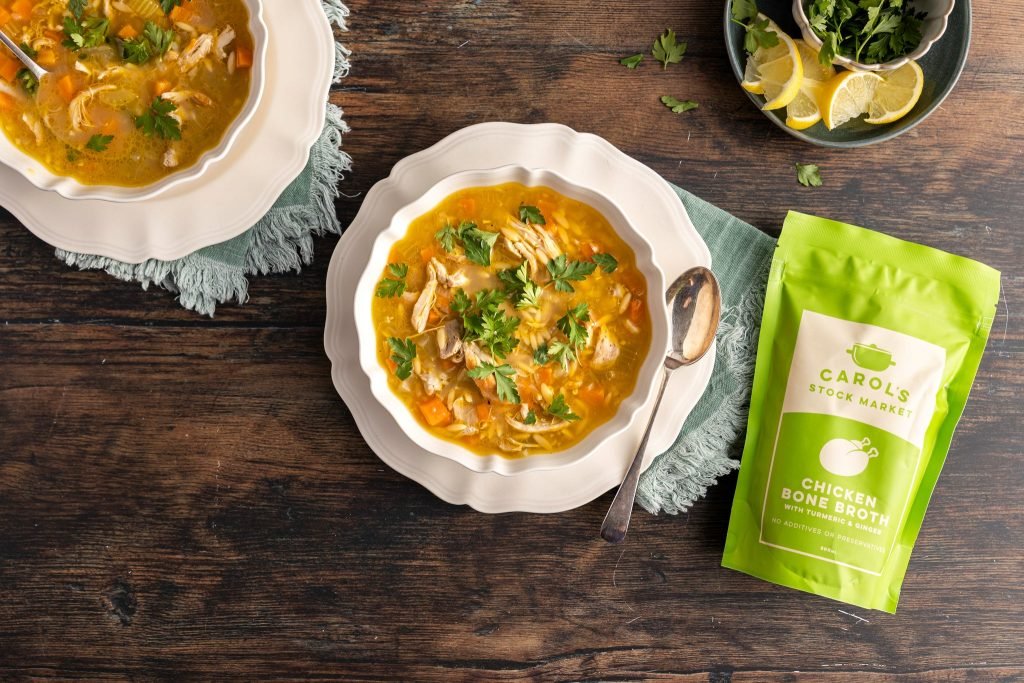
If you want to boost your meals with rich flavor and powerful nutrition, chicken bone broth is your secret weapon. Not only does it add a deep, comforting taste, but it also supports your health in ways you might not expect.
Imagine turning simple dishes into something extraordinary with just one ingredient. You’ll discover easy and delicious recipes using chicken bone broth that will transform your cooking and nourish your body. Ready to make your meals both tasty and healthy? Let’s dive in.

Credit: frejafoods.com
Benefits Of Chicken Bone Broth
Chicken bone broth is more than just a comforting base for soups and stews. It offers a range of benefits that can positively impact your health and cooking. Understanding these benefits can help you appreciate why adding chicken bone broth to your recipes is a smart choice for both flavor and nutrition.
Nutritional Value
Chicken bone broth is packed with essential nutrients extracted from bones, cartilage, and marrow during the simmering process. It contains collagen, amino acids, minerals like calcium and magnesium, and gelatin. These nutrients support your body’s building blocks and provide nourishment that many other broths lack.
Have you noticed how a simple cup of bone broth can feel so satisfying? That’s because of the rich proteins and minerals working quietly to support your body from within.
Health Advantages
Regular consumption of chicken bone broth can support joint health thanks to collagen and gelatin. These components help maintain cartilage and may reduce joint pain over time. The broth also supports gut health by sealing the gut lining and promoting better digestion.
Feeling sluggish or dealing with seasonal colds? Bone broth’s natural nutrients can boost your immune system and help you recover faster. It’s a gentle yet powerful way to care for your body daily.
Flavor Enhancement
Chicken bone broth adds a deep, rich flavor to dishes that water or regular broth can’t match. It enhances the taste of soups, sauces, and even rice or grains without overpowering other ingredients. This means you can cook with less salt and still achieve a satisfying flavor.
Next time you make a stew or risotto, try swapping water with chicken bone broth. You might be surprised how much more vibrant and complex your dish tastes.
Simple Soups With Bone Broth
Simple soups made with chicken bone broth bring comfort and nutrition to your table without much fuss. Bone broth adds a rich, savory base that enhances every ingredient you add. These soups can be ready in under 30 minutes and are perfect for busy days or when you need a warm, nourishing meal.
Classic Chicken Soup
This is the ultimate go-to soup that’s both soothing and easy to make. Use shredded chicken, carrots, celery, and onions, then pour in your chicken bone broth. Let it simmer just long enough for the veggies to soften and the flavors to blend.
Adding fresh herbs like parsley or thyme gives the soup a fresh, vibrant taste. You can also toss in some egg noodles or rice for extra heartiness. Have you tried making this with homemade broth? The depth of flavor is unbeatable.
Vegetable Broth Soup
If you want a lighter option, the vegetable broth soup is a great choice. Simply sauté your favorite vegetables—zucchini, bell peppers, spinach, or mushrooms—then add the warm bone broth.
Season with salt, pepper, and a splash of lemon juice to brighten the flavors. It’s an easy way to get your greens while benefiting from the nourishing properties of bone broth. Do you notice how bone broth adds a subtle richness to even simple veggie soups?
Spicy Bone Broth Soup
Looking to add some heat? Spice up your bone broth soup with chili flakes, fresh ginger, and garlic. Start with sautéing the aromatics, then pour in the broth and add diced chicken or tofu.
Finish with a handful of chopped cilantro and a squeeze of lime for a punch of freshness. This soup wakes up your taste buds and warms you up from the inside out. What’s your favorite way to add spice to a comforting soup?
Hearty Stews And Casseroles
Hearty stews and casseroles warm the soul and satisfy the hunger. These dishes combine rich flavors and nourishing ingredients. Chicken bone broth enhances their depth, adding a savory touch. Perfect for cozy evenings or family gatherings. Let’s explore some delightful recipes.
Beef And Bone Broth Stew
This stew is a classic comfort food. Tender beef chunks melt in your mouth. The bone broth adds a rich and savory base. Include carrots, potatoes, and peas. Simmer until all flavors blend beautifully. Serve hot with crusty bread.
Chicken And Vegetable Casserole
This casserole is a wholesome dish. Use chicken pieces and fresh vegetables. The bone broth infuses the mix with flavor. Layer chicken, broccoli, and carrots in a baking dish. Top with cheese for a golden crust. Bake until everything is tender.
Root Vegetable Stew
This stew is perfect for vegetable lovers. Combine potatoes, carrots, and parsnips. The bone broth enhances the earthy flavors. Add herbs like thyme and rosemary. Simmer until the vegetables are soft. Serve with a sprinkle of parsley.
Savory Sauces And Gravies
Savory sauces and gravies transform simple meals into memorable dishes. Using chicken bone broth adds a deep, natural flavor that enhances every bite. These sauces become richer and more satisfying without relying on heavy cream or artificial additives.
Rich Pan Sauce
After searing meat, don’t let those flavorful browned bits go to waste. Pour a splash of chicken bone broth into the hot pan to loosen the caramelized bits stuck at the bottom. Stir gently to create a silky sauce that clings to your meat perfectly.
Add a knob of butter and a teaspoon of mustard for extra richness. You can also toss in chopped shallots or garlic for a punch of flavor. This quick pan sauce elevates weeknight dinners effortlessly.
Classic Brown Gravy
Brown gravy is a staple for many comfort meals, but using chicken bone broth makes it taste homemade and fresh. Start by melting butter and whisking in flour to make a roux. Slowly add warm chicken bone broth while stirring constantly to avoid lumps.
Simmer gently until thickened, then season with salt, pepper, and a splash of soy sauce or Worcestershire sauce for depth. Pour this over mashed potatoes or roasted chicken and watch how it changes the whole meal.
Herb-infused Sauce
Herbs brighten sauces and add layers of flavor. Simmer chicken bone broth with fresh herbs like thyme, rosemary, or sage for 10-15 minutes to infuse the liquid. Strain the broth and reduce it slightly to concentrate the taste.
Finish with a squeeze of lemon juice or a drizzle of olive oil to balance the flavors. This sauce pairs beautifully with grilled vegetables or roasted meats. Have you tried customizing sauces with your favorite herbs yet?
Nutritious Rice And Grain Dishes
Rice and grain dishes become more flavorful and nutritious with chicken bone broth. This broth adds richness and depth to simple recipes. It also boosts protein, collagen, and minerals.
Using bone broth instead of water enhances texture and taste. It turns everyday grains into hearty meals. These recipes work well for lunch or dinner.
Bone Broth Risotto
Use chicken bone broth instead of regular stock or water. It creates a creamy, rich risotto. The broth adds natural flavors that blend well with cheese and herbs.
- Sauté onions and garlic in olive oil.
- Toast arborio rice until lightly golden.
- Slowly add warm bone broth, stirring often.
- Cook until rice is soft and creamy.
- Finish with parmesan and fresh parsley.
Quinoa With Bone Broth
Cook quinoa in chicken bone broth for extra taste. The broth infuses the grains with savory notes. It also makes quinoa softer and more digestible.
- Rinse quinoa under cold water.
- Boil bone broth and pour over quinoa.
- Simmer until liquid is absorbed.
- Fluff with a fork and season to taste.
- Add vegetables or nuts for texture.
Pilaf Variations
Pilafs become more vibrant using chicken bone broth. It enriches the grains and complements spices perfectly. Try different combinations to suit your palate.
| Ingredients | Flavor Additions |
|---|---|
| Brown rice or bulgur | Sauteed onions, garlic, and cumin |
| Barley or farro | Carrots, celery, and fresh thyme |
| Wild rice | Mushrooms, sage, and toasted almonds |
Cook grains in bone broth and stir in chosen flavorings. Serve warm for a satisfying, healthy side or main dish.
Creative Bone Broth Drinks
Chicken bone broth isn’t just for soups and stews—you can turn it into refreshing and nourishing drinks that fuel your day. These creative bone broth drinks offer a tasty way to enjoy its health benefits while keeping things exciting. Whether you want a smoothie, a warming tea, or a quick shot, there’s a bone broth drink for every mood.
Bone Broth Smoothies
Think smoothies are just for fruit and yogurt? Try blending your chicken bone broth with veggies like spinach or kale, a splash of apple juice, and a pinch of ginger. The broth adds a rich, savory depth that balances the sweetness, making it a hearty option for breakfast or a post-workout boost.
Adding bone broth to your smoothie can surprise your taste buds and add protein. Have you ever thought about swapping water or milk for broth in your favorite green smoothie? It’s a simple way to get extra nutrients without extra effort.
Spiced Bone Broth Tea
Warm up your day with a cup of spiced bone broth tea. Heat the broth and add spices like cinnamon, turmeric, and a touch of black pepper for a comforting drink that supports your immune system. It’s a soothing alternative to traditional teas and a great way to sip your way to wellness.
Try brewing this tea in the morning or before bed. The spices not only add flavor but also offer anti-inflammatory benefits. What’s your favorite spice to add to a warm drink that instantly lifts your mood?
Savory Bone Broth Shots
Need a quick pick-me-up? Sip a small shot of warm bone broth infused with garlic, chili flakes, or fresh herbs like rosemary or thyme. These savory shots pack a punch of flavor and nutrients, perfect for a mid-afternoon boost or to start your day on a healthy note.
They’re easy to prepare and can be customized to your taste. Have you tried a bone broth shot before? It’s like a concentrated burst of nourishment that’s both bold and comforting.
Tips For Cooking With Bone Broth
Cooking with chicken bone broth can transform your dishes, adding rich flavor and extra nutrients. Knowing how to handle and use it properly makes all the difference in your recipes. Here are some practical tips to help you get the best results every time.
Storage And Handling
Keep your bone broth fresh by storing it in airtight containers. You can refrigerate it for up to 5 days or freeze it for several months. Portioning broth into ice cube trays before freezing makes it easy to add small amounts to recipes without waste.
When reheating, avoid boiling the broth vigorously as it can affect the texture and taste. Instead, warm it gently on the stove or in the microwave. Have you noticed how a gentle simmer preserves the broth’s natural depth?
Flavor Pairings
Chicken bone broth pairs well with herbs like thyme, rosemary, and parsley. Adding garlic or ginger boosts flavor without overpowering the broth’s natural taste. Think about the dish you’re making—do you want the broth to be a subtle background or the star of the show?
Vegetables such as carrots, celery, and onions complement bone broth beautifully. Try adding a splash of soy sauce or a squeeze of lemon to brighten the flavors. What new combination can you experiment with in your next recipe?
Boosting Nutrient Content
Bone broth is already nutrient-rich, but you can enhance it by adding nutrient-dense ingredients. Toss in leafy greens like spinach or kale near the end of cooking to keep their vitamins intact. You can also stir in turmeric or black pepper for anti-inflammatory benefits.
Want to make your meals more filling and nutritious? Add beans, lentils, or quinoa to the broth for a wholesome boost. How often do you think about maximizing the health benefits of your cooking broth?

Credit: frejafoods.com

Credit: frejafoods.com
Frequently Asked Questions
What Are The Best Recipes Using Chicken Bone Broth?
Chicken bone broth enhances soups, stews, risottos, and sauces. It adds rich flavor and nutrients. Try chicken noodle soup, bone broth risotto, or savory gravies for a delicious boost.
How Does Chicken Bone Broth Improve Recipe Flavor?
Chicken bone broth adds deep, savory, and umami flavors. It enriches dishes with natural gelatin and minerals. This creates a fuller, more complex taste in recipes like soups and casseroles.
Can Chicken Bone Broth Be Used In Everyday Cooking?
Yes, chicken bone broth is versatile for daily meals. Use it as a base for soups, cooking grains, or sautéing vegetables. It boosts nutrition and flavor in many recipes effortlessly.
Is Chicken Bone Broth Healthy In Recipes?
Chicken bone broth is packed with collagen, minerals, and amino acids. It supports joint health, digestion, and immunity. Adding it to recipes makes meals more nutritious and beneficial.
Conclusion
Chicken bone broth adds rich flavor and nutrition to meals. You can use it in soups, stews, and sauces. It makes dishes taste better and feel comforting. This broth is easy to prepare at home or buy ready-made. Cooking with bone broth helps you enjoy healthy and tasty food.
Try these recipes to bring warmth and depth to your table. Simple, delicious, and good for your body. Give chicken bone broth a place in your kitchen. You’ll enjoy every bite and feel the benefits too.

Hi, I’m Daniel Brooks—a food lover and kitchen gear enthusiast. I enjoy testing cookware, utensils, and gadgets to see what really works in everyday cooking. At PlugChef.com, I share honest reviews, comparisons, and simple guides to help you choose the best tools for a safer, smarter, and more enjoyable kitchen.
Related posts:
 What Type of Cooking Utensils are Safe: Expert Picks
 What Innovations Could Blenders Make: Unleashing Future Tech
 Smart Strategies to Organize a Small Kitchen: Maximize Space
 How to Organize a Kitchen Cabinet: Expert Tips & Tricks
 How to Organize Kitchen Drawers: Expert Tips and Tricks
 How to Organize a Corner Kitchen Cupboard: Expert Tips

