How to Cook Chayote Vegetable: Easy & Delicious Recipes Revealed

If you’ve ever walked past the pale green, pear-shaped chayote in the produce section without a second glance, you’re not alone — this underrated vegetable is one of the most versatile, low-effort ingredients you can add to your meal rotation. Also called vegetable pear or mirliton, chayote has a mild, slightly sweet, crisp flavor that works equally well in raw salads, hearty soups, quick stir-fries, and roasted side dishes, and it’s packed with fiber, vitamin C, and potassium for a low-calorie nutrient boost. Whether you’re a complete beginner to cooking with chayote or just looking for new ways to use it, this guide covers everything you need to know to select, prep, cook, and enjoy this hidden gem of a vegetable, plus 4 easy, delicious recipes you can make in 30 minutes or less.

Whole unpeeled chayote squash on a wooden cutting board, next to a small paring knife Whole chayote, also called vegetable pear or mirliton, has a mild, crisp texture perfect for both raw and cooked dishes.

What Is Chayote?

Chayote (Sechium edule) is a member of the Cucurbitaceae family, the same group of plants that includes squash, cucumbers, melons, and pumpkins. Native to southern Mexico, it has been cultivated for thousands of years and is a staple ingredient in Latin American, Caribbean, Filipino, and Southeast Asian cuisines. While botanically a fruit, chayote is almost always used as a vegetable in cooking, thanks to its mild, neutral flavor and crisp, juicy texture. In practice, chayote’s biggest appeal is its versatility: it takes on the flavor of any seasoning, sauce, or ingredient it’s paired with, making it perfect for everything from no-cook salads to slow-simmered stews. It’s also low in calories, fat-free, and a good source of dietary fiber, vitamin C, potassium, and folate, making it a great choice for anyone looking to add more nutrient-dense veggies to their meals without extra prep work. Per University of Minnesota Extension guidance on chayote cultivation and use, it’s also easy to grow in warm climates, making it a popular staple for home gardeners.

Selecting and Storing Fresh Chayote

Choosing a good chayote is the first step to great flavor and texture. Look for specimens that feel firm and heavy for their size, with smooth, pale green skin free of soft spots, deep cuts, or mold. Small surface scratches are completely normal and don’t affect the interior flesh, but avoid any chayotes that feel light for their size, as this indicates dry, overripe interior flesh. Fresh chayote should have a mild, fresh scent — pass on any with a sour or fermented smell. Proper storage will keep chayote fresh for weeks. Store unpeeled whole chayotes in the crisper drawer of your refrigerator for up to 2 weeks. Once peeled and cut, store pieces in an airtight container with a damp paper towel placed on top to prevent wilting; they will last 3-5 days in the fridge. For longer storage, peel, cube, and blanch chayote in boiling water for 2 minutes, then drain, cool, and freeze in an airtight bag for up to 6 months. A common mistake is leaving cut chayote uncovered in the fridge, which leads to wilting and a slightly sour off-flavor within 48 hours. It also works perfectly in hearty veggie stews for extra fiber and texture.

Prep 101: Peeling, Seeding, and Cutting Chayote

Prepping chayote is quick and straightforward, with just a few key steps to get the best texture:

  1. Wash the chayote thoroughly under cold running water to remove any dirt, wax, or pesticide residue from the skin.
  2. Use a sharp vegetable peeler or paring knife to remove the thin outer skin. While the skin is edible, it has a tough, slightly bitter texture that most people prefer to remove for cooked and raw dishes.
  3. Cut the chayote in half lengthwise, then use a small spoon to scoop out the soft seed cavity. The seed is edible and has a mild, nutty flavor, but removing it creates a smoother texture in most recipes, especially soups and salads.
  4. Cut the flesh into your desired shape: ½-inch cubes for soups and stews, thin matchsticks for stir-fries, ¼-inch slices for roasting or salads. Pro tip: Chayote releases a milky, slightly sticky sap when cut that can cause mild skin irritation or itching for some people, so wearing disposable gloves while prepping is a simple hack to avoid discomfort.

Easy Chayote Cooking Methods

Chayote’s mild flavor and fast cook time make it incredibly versatile, and it works with nearly every basic cooking method. Below are the 3 easiest, most popular ways to cook chayote, with exact cook times and best-use cases for each.

Boiling and Steaming

Boiling and steaming are the best methods for dishes where you want tender, soft chayote, like soups, mashed chayote, or baby food. For boiling: Peel, seed, and cut chayote into uniform ½-inch cubes or slices. Bring a large pot of salted water to a rolling boil, add chayote, and cook for 8-10 minutes, until tender when pierced with a fork but still slightly firm. Drain and use as desired. For steaming: Place cut chayote in a steamer basket over 1-2 inches of boiling water, cover, and steam for 7-9 minutes. Pro tip: Steaming preserves more of chayote’s crisp texture and nutrients than boiling, so it’s the better choice for dishes where you want a slight crunch, like salads or stir-fries. Avoid overcooking: mushy chayote loses its mild flavor and becomes unappealing in texture.

Peeled and seeded chayote cubes in a metal steamer basket over a pot of boiling water Steaming chayote preserves its crisp texture and mild flavor better than boiling for most recipes.

Sautéing and Stir-Frying

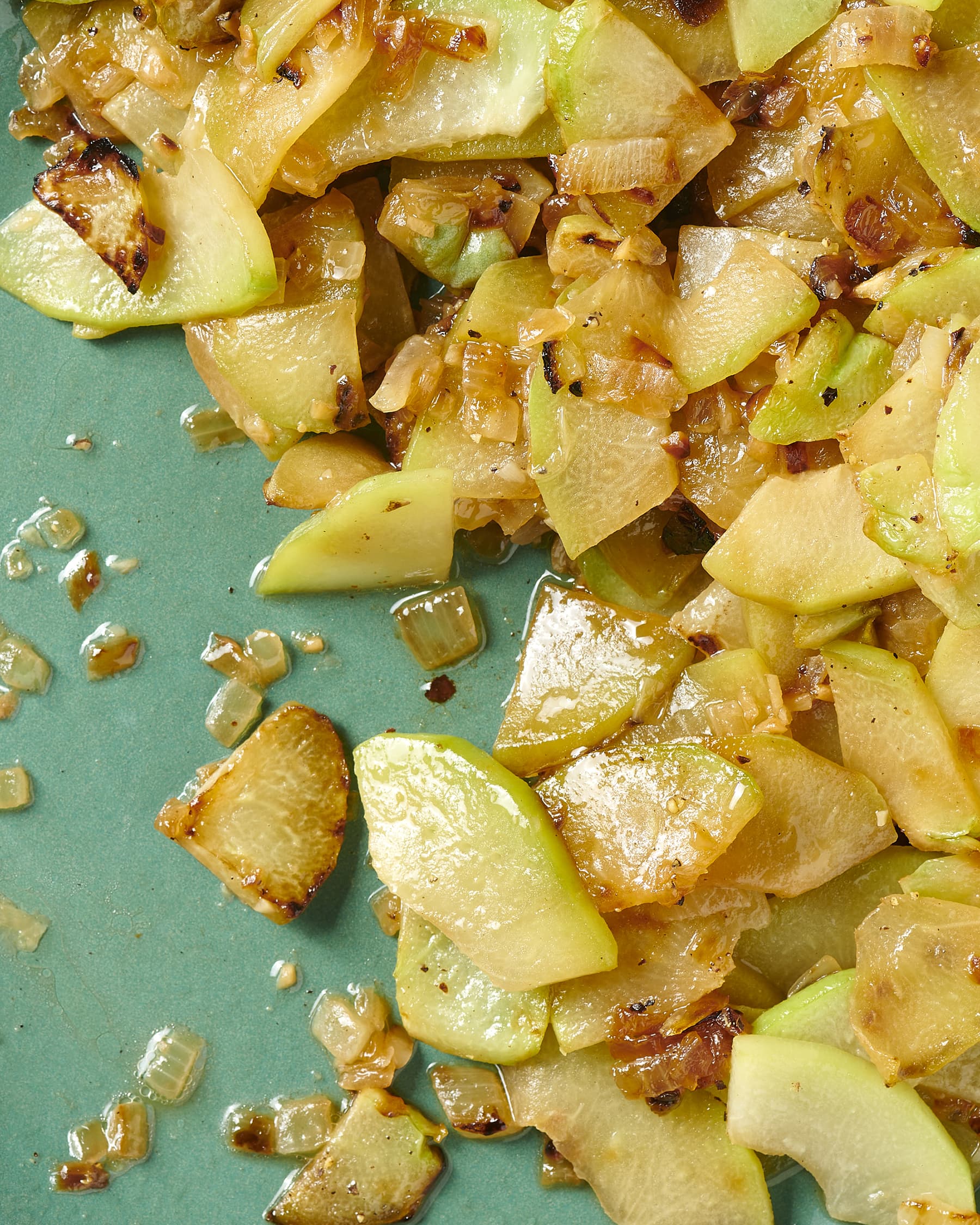
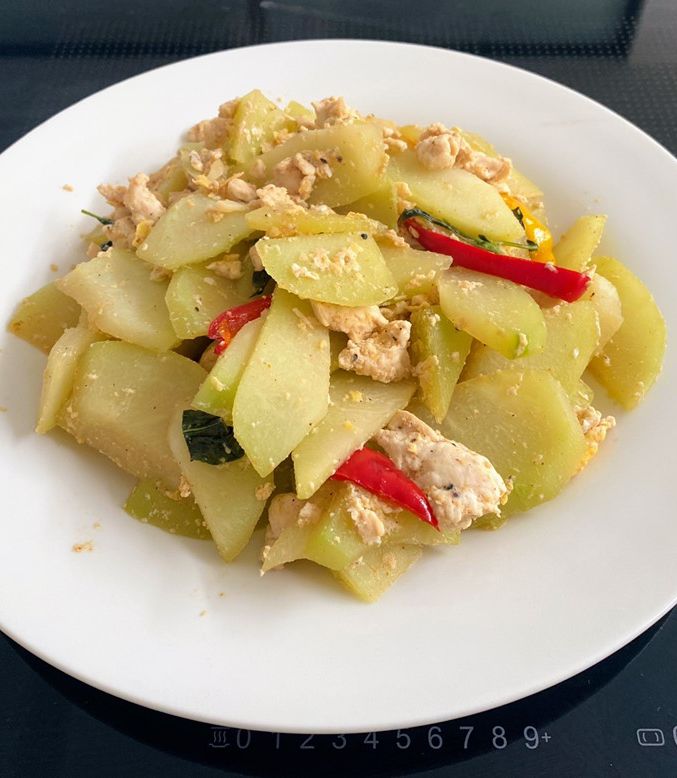
Sautéing and stir-frying are the fastest ways to cook chayote, and they lock in its subtle sweetness while adding a light, crispy texture. Step-by-step: 1. Peel, seed, and cut chayote into thin matchsticks or ¼-inch slices for even cooking. 2. Heat 1-2 tablespoons of high-heat oil (avocado oil works great) in a large skillet or wok over medium-high heat. 3. Add aromatics like minced garlic, ginger, or sliced onion if using, and sauté for 30 seconds until fragrant. 4. Add chayote in a single layer — don’t overcrowd the pan, or it will steam instead of sear — and cook for 5-7 minutes, stirring occasionally, until tender-crisp and lightly golden on the edges. 5. Season with salt, pepper, and any desired sauces (soy sauce, chili garlic sauce, lime juice) before serving. Pro tip: For extra crispness, pat the cut chayote dry with a paper towel before adding it to the hot pan to remove excess surface moisture.

Stir-fried chayote slices with garlic and soy sauce in a black wok on a stovetop Stir-frying chayote over high heat keeps it crisp and locks in its subtle sweetness.

Roasting

Roasting is a hands-off method that brings out chayote’s natural subtle sweetness and adds a crispy, caramelized exterior, making it perfect for side dishes, taco toppings, or grain bowls. Step-by-step: 1. Preheat oven to 425°F (220°C). Line a baking sheet with parchment paper for easy cleanup. 2. Peel, seed, and cut chayote into ½-inch cubes or wedges. 3. Toss chayote with 1 tablespoon of oil, salt, pepper, and any desired spices (chili powder, cumin, smoked paprika work great). 4. Spread in a single layer on the baking sheet, and roast for 20-25 minutes, flipping halfway through, until golden brown and tender on the inside with crispy edges. Pro tip: Don’t overcrowd the baking sheet, or the chayote will steam instead of roast. For extra flavor, toss with a squeeze of fresh lime juice and chopped cilantro right after removing from the oven.

4 Simple, Delicious Chayote Recipes

All of these recipes serve 4, take 30 minutes or less from start to finish, and use minimal ingredients for maximum flavor.

1. Quick Raw Chayote Lime Salad

This refreshing, no-cook salad is perfect for hot summer days, and takes 10 minutes to throw together. Ingredients: 1 medium chayote, peeled, seeded, and cut into thin matchsticks; ¼ cup thinly sliced red onion; ¼ cup chopped fresh cilantro; 1 jalapeño, seeded and minced (optional, for heat); juice of 2 limes; 2 tablespoons olive oil; ½ teaspoon salt; ¼ teaspoon black pepper. Steps: 1. Add all prepped chayote, onion, cilantro, and jalapeño to a large bowl. 2. In a small bowl, whisk together lime juice, olive oil, salt, and pepper until combined. 3. Pour dressing over the chayote mixture and toss to coat evenly. 4. Let sit for 5 minutes to let flavors meld before serving. Pro tip: For extra crunch, add ½ cup of diced jicama or sliced radishes to the salad. Serve alongside sweet and savory shrimp bowls for a fresh, balanced meal.

2. Garlic Butter Sautéed Chayote

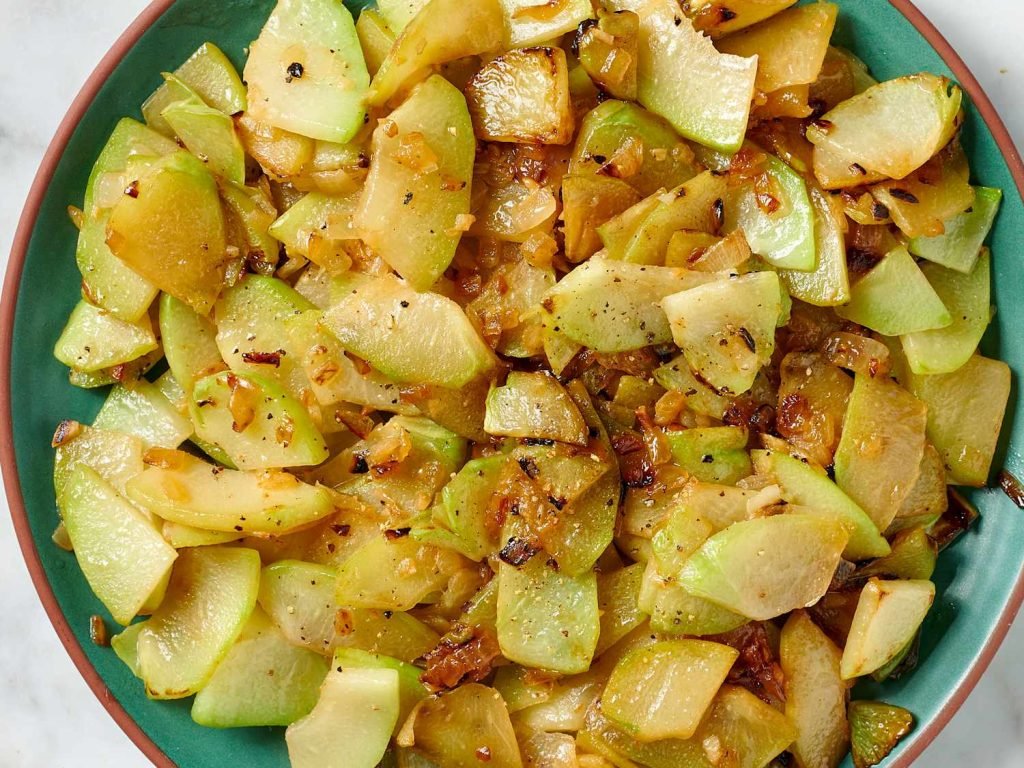
This savory, 15-minute side dish pairs with almost any main course, from chicken to steak to tofu. Ingredients: 2 medium chayotes, peeled, seeded, and cut into ¼-inch slices; 3 tablespoons unsalted butter; 3 cloves garlic, minced; ¼ teaspoon salt; ¼ teaspoon black pepper; 1 tablespoon chopped fresh parsley (optional, for garnish). Steps: 1. Heat butter in a large skillet over medium heat until melted and foaming. 2. Add minced garlic and sauté for 30 seconds until fragrant, being careful not to burn it. 3. Add chayote slices in a single layer, and cook for 6-8 minutes, stirring occasionally, until tender-crisp and lightly golden on the edges. 4. Season with salt and pepper, garnish with parsley if desired, and serve warm. Pro tip: For a richer flavor, add a squeeze of fresh lemon juice and a pinch of red pepper flakes at the end of cooking. Pair with crispy spicy chicken for a fast, flavorful weeknight dinner.

3. Creamy Chayote and Potato Soup

This comforting, dairy-free soup is hearty enough for a main course, and freezes well for meal prep. Ingredients: 2 medium chayotes, peeled, seeded, and cut into ½-inch cubes; 2 medium russet potatoes, peeled and cut into ½-inch cubes; 1 medium yellow onion, diced; 3 cloves garlic, minced; 4 cups low-sodium vegetable broth; 1 teaspoon dried thyme; ½ teaspoon salt; ¼ teaspoon black pepper; 1 tablespoon olive oil. Steps: 1. Heat olive oil in a large pot over medium heat. Add onion and sauté for 5 minutes until soft and translucent, then add garlic and sauté for 30 seconds until fragrant. 2. Add chayote, potatoes, vegetable broth, and thyme, and bring to a boil. 3. Reduce heat to low, cover, and simmer for 15-20 minutes, until chayote and potatoes are completely tender when pierced with a fork. 4. Use an immersion blender to puree the soup until smooth (or blend in batches in a standard blender), then season with salt and pepper to taste. 5. Serve hot, topped with crusty bread or a side of savory brunch bites for a cozy weekend meal.

4. Easy Roasted Chayote with Chili and Lime

This crispy, tangy side dish comes together in 25 minutes, and works for everything from taco night to grilled fish dinners. Ingredients: 3 medium chayotes, peeled, seeded, and cut into ½-inch wedges; 1 tablespoon avocado oil; 1 teaspoon chili powder; ½ teaspoon cumin; ¼ teaspoon salt; ¼ teaspoon black pepper; juice of 1 lime; 2 tablespoons chopped fresh cilantro (optional). Steps: 1. Preheat oven to 425°F (220°C) and line a baking sheet with parchment paper. 2. In a large bowl, toss chayote wedges with avocado oil, chili powder, cumin, salt, and pepper until evenly coated. 3. Spread wedges in a single layer on the baking sheet, and roast for 20-25 minutes, flipping halfway through, until golden and crispy on the edges and tender inside. 4. Remove from oven, toss with fresh lime juice and cilantro if desired, and serve immediately. Pro tip: For a hearty weeknight meal, serve these roasted wedges alongside tender braised beef in tacos for a fresh, crunchy contrast to rich, savory meat.

Flavor Pairings to Elevate Chayote

Chayote’s mild, slightly sweet, and crisp flavor makes it a blank canvas for nearly any seasoning or ingredient combination. Use these pairings to build dishes that fit your favorite cuisine profile.

Herbs, Spices, and Aromatics

Fresh herbs add bright, fresh notes that cut through chayote’s subtle sweetness: cilantro works especially well in Latin American and Southeast Asian dishes, while parsley is a great neutral option for European-style preparations. Basil adds a sweet, peppery note that pairs beautifully with chayote in Italian-inspired stir-fries, and dill’s light tangy flavor works well in creamy chayote salads or potato dishes. For warm, depth-forward flavor, pair chayote with spices like cumin (ideal for Mexican and Indian curries), black pepper (a universal booster for savory dishes), garlic powder (great for quick roasted or sautéed prep), and mild chili flakes (perfect for adding gentle heat to stir-fries or roasted wedges). Aromatics like garlic, ginger, onion, and lemongrass also pair seamlessly with chayote in almost any cooking method.

Protein and Cuisine Pairings

Chayote’s neutral flavor makes it a perfect complement to almost any protein:

  • Chicken: Mild, lean chicken pairs perfectly with chayote in stir-fries, soups, and roasted dishes, especially when seasoned with soy sauce, ginger, and garlic for an Asian-inspired twist.
  • Fish: Light, flaky white fish like cod or tilapia works well with chayote in ceviche or steamed dishes, as the chayote’s crisp texture contrasts nicely with the tender fish.
  • Pork: Rich, savory pork is a classic pairing for chayote in Latin American stews and adobo dishes, as the pork’s fat balances the chayote’s mild sweetness.
  • Tofu: Firm tofu absorbs chayote’s subtle flavor and adds extra protein to vegetarian stir-fries, curries, and soups.
  • Eggs: Soft scrambled or fried eggs work beautifully with sautéed chayote for a quick, protein-packed breakfast or brunch.

Pro Tips for Perfect Chayote Every Time

The key to great chayote is balancing its natural crispness with tenderness — you never want it mushy, but you also don’t want it raw and tough. Use these tips to get perfect results every time.

Avoid Common Cooking Mistakes

The most common mistake home cooks make with chayote is overcooking it, which turns it mushy and eliminates its mild, slightly sweet flavor. To avoid this, always test for tenderness 1-2 minutes before the minimum cook time listed in your recipe: a fork should slide in easily but meet slight resistance. If you’re cooking chayote with other vegetables, add it halfway through cooking, as it cooks much faster than hardy veggies like potatoes or carrots. Another common error is overcrowding the pan when sautéing or stir-frying, which causes the chayote to steam instead of sear, leading to a soggy texture. Cook in batches if you’re making a large amount, and leave space between each piece for even browning. For even cooking, always cut chayote into uniform pieces — smaller cubes cook faster than large wedges, so adjust cook time accordingly.

Texture Hacks for Crisp or Tender Results

If you prefer a crisp, fresh texture for raw or lightly cooked chayote: rinse cut pieces in cold water before using to remove excess sap, pat dry thoroughly with a paper towel, and add a splash of lemon juice or vinegar to salads to keep the flesh firm. For tender, melt-in-your-mouth chayote for soups or mashed dishes: blanch peeled, cubed chayote in boiling water for 2 minutes before adding it to your recipe, which helps it break down faster and evenly. To keep sautéed chayote crisp, avoid covering the pan while cooking — the same trick used to get golden, crispy pizza crusts works here too.

Frequently Asked Questions

What does chayote taste like?

Chayote has a very mild, slightly sweet, and crisp flavor, often compared to a cross between cucumber and zucchini, but with a more subtle, neutral taste that takes on the flavor of whatever seasonings or sauces it’s cooked with. It has no strong or bitter flavor when fresh and prepped correctly.

What is the best way to cook chayote for beginners?

For first-time chayote cooks, steaming or roasting are the easiest, most forgiving methods. Steaming takes 7-9 minutes and requires minimal active time, while roasting takes 20-25 minutes and requires almost no monitoring — just toss with oil and spices, pop it in the oven, and flip halfway through. Both methods preserve chayote’s texture and flavor without risk of overcooking if you check for tenderness early.

Can you eat chayote raw?

Yes! Raw chayote has a crisp, refreshing texture similar to jicama or cucumber, and its mild flavor makes it perfect for salads, slaws, crudité platters with dip, or as a crunchy topping for tacos and bowls. Just be sure to peel it fully before eating raw, as the skin is tough and can have a slightly bitter taste.

Should you peel chayote before cooking?

Peeling is recommended for most cooked and raw dishes, as the thin outer skin is tough, slightly bitter, and can have an unpleasant texture. The skin is edible, so you can leave it on if you’re roasting whole chayote halves, but for most other preparations, peeling will give you a much better final texture and flavor.

Can you substitute chayote for zucchini?

Yes, chayote works as a 1:1 substitute for zucchini in almost any recipe, including stir-fries, soups, salads, and roasted dishes. The only difference is that chayote has a slightly firmer, crisper texture than zucchini, so it will take 1-2 minutes longer to cook in most preparations.

How long does cooked chayote last in the fridge?

Cooked chayote will last 3-4 days in an airtight container in the refrigerator. For longer storage, you can freeze cooked chayote for up to 3 months — just make sure it’s fully cooled before freezing, and reheat gently on the stovetop or in the microwave to avoid a mushy texture.

Conclusion

Chayote is one of the most underrated, versatile vegetables you can add to your kitchen rotation — it’s affordable, packed with nutrients, easy to prep, and works in everything from 10-minute raw salads to hearty weeknight soups and roasted side dishes. With the simple tips and easy recipes in this guide, you’ll never look past that pale green pear-shaped squash in the produce section again. This week, try one of the recipes above to see how easy it is to cook chayote at home. If you love it, experiment with your own flavor combinations — it pairs well with almost any seasoning or protein you have on hand. For more easy, tested recipes for weeknight meals, sides, and treats, browse our full collection of simple, kitchen-tested dishes for every occasion.