
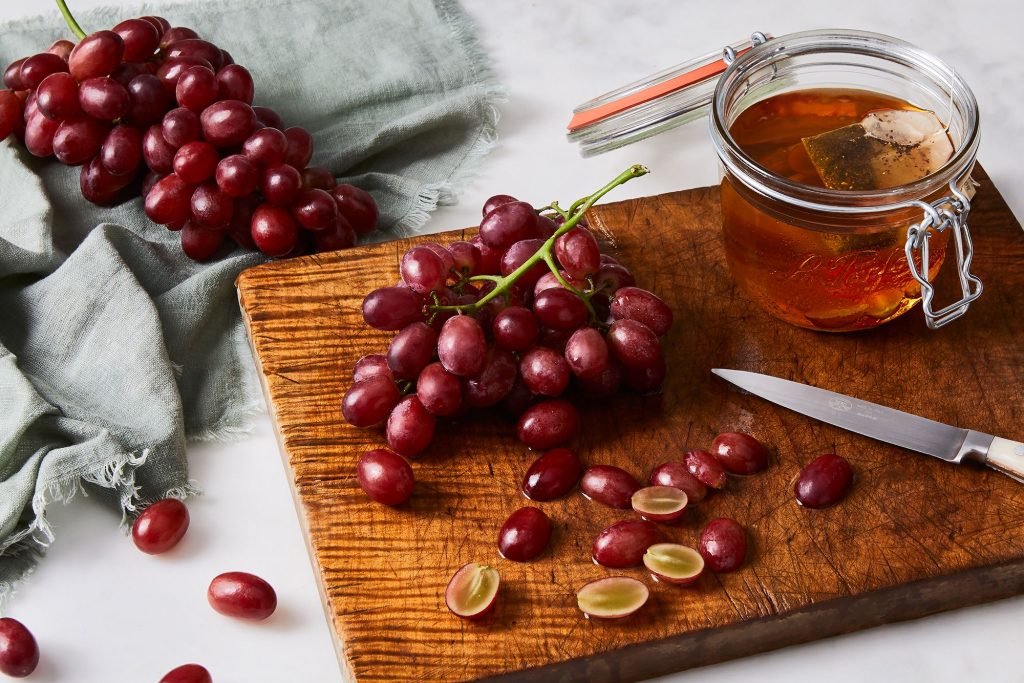
You’ve just brought home a bunch of fresh grapes, and now you want to keep them juicy and delicious for as long as possible. But did you know that storing grapes the wrong way can make them spoil faster or lose their flavor?
You might be tossing them in the fridge without a second thought, but there’s a smarter way to handle these sweet treats. You’ll discover simple tips that will help your grapes stay fresh, tasty, and ready to enjoy whenever you want.
Keep reading, and you’ll never waste grapes again!

Credit: www.express.co.uk
Choosing Fresh Grapes
Choosing fresh grapes is the first key step to enjoying their sweet flavor and keeping them fresh longer at home. You want grapes that are firm, plump, and free from any signs of spoilage. Paying attention to the type of grape and its specific storage needs will also help maintain their quality.
Signs Of Fresh Grapes
Look for grapes that feel firm and taut when you gently squeeze them. Avoid grapes that are soft, shriveled, or have wrinkles as these are signs of aging or dehydration.
Check the color closely. Fresh grapes display vibrant and consistent coloring, depending on their variety. Brown spots, mold, or sticky residue are clear indicators to skip those bunches.
Fresh stems are usually green and flexible, not dry or brittle. If the stem looks brown or shriveled, the grapes may have been stored too long.
Types Of Grapes And Storage Needs
Seedless grapes generally last longer and store well in the fridge for up to two weeks. Red and green seedless grapes are perfect for snacking and salads.
Concord grapes, known for their deep purple color and strong flavor, have a shorter shelf life and require cooler storage. You’ll want to consume them within a few days for the best taste.
Keep in mind that grapes with thicker skins tend to stay fresh longer than those with thin skins. Adjust your storage time accordingly.
Do you pay attention to the grape variety when buying? It can make a real difference in how you store and enjoy your grapes.
Preparing Grapes For Storage
Preparing grapes for storage is a simple yet crucial step to keep them fresh and tasty for longer. Proper preparation helps prevent mold growth and spoilage, saving you from throwing away spoiled fruit. Taking a little extra care now means your grapes will stay crisp and juicy when you’re ready to enjoy them.
Cleaning Without Damage
Cleaning grapes requires a gentle touch. Rinse them under cool, running water to remove dirt and pesticides without bruising the fruit. Avoid soaking grapes in water because they absorb moisture easily, which can lead to faster spoilage.
Use your fingers to lightly rub the grapes while rinsing to help remove residues. If you want to be extra thorough, try using a mixture of water and a splash of vinegar, then rinse again with plain water to remove any vinegar taste. This helps kill bacteria but doesn’t harm the delicate skin.
Removing Damaged Grapes
Carefully inspect your bunches and remove any grapes that are soft, shriveled, or moldy. One bad grape can quickly spoil the whole bunch, so don’t hesitate to pull out the damaged ones. This step might seem tedious, but it’s key to extending the shelf life of your grapes.
Think about the last time you stored fruit and discovered mold—didn’t it start with just one spoiled piece? Taking a moment to sort your grapes before storage saves you from that unpleasant surprise. Keep only firm, healthy grapes and store them away from moisture to keep them fresh longer.
Ideal Storage Conditions
Storing grapes properly ensures they stay fresh and tasty. Grapes thrive in specific conditions that preserve their natural flavor and texture. Understanding ideal storage conditions can help you enjoy your grapes longer.
Temperature And Humidity
Grapes prefer cool environments. Store them at a temperature between 30°F and 32°F. This range slows down spoilage and keeps them crisp. Humidity is crucial too. Grapes need high humidity, around 90-95%. This prevents them from drying out. A refrigerator crisper drawer is perfect for maintaining these conditions.
Best Containers For Grapes
Choose containers that allow air circulation. Use perforated plastic bags or mesh bags. These options prevent moisture build-up. Avoid airtight containers. They trap moisture and cause mold. Remove any damaged grapes before storing. This prevents spoilage from spreading.
Common Storage Mistakes
Storing grapes might seem simple, but many make common mistakes that spoil the fruit fast. These errors reduce freshness, taste, and texture. Knowing what to avoid helps keep grapes delicious longer. Two big issues are moisture build-up and crushing. Both can ruin grapes quickly.
Avoiding Moisture Build-up
Moisture causes grapes to rot or grow mold. Keeping grapes dry is crucial. Do not wash grapes before storing. Wash them only just before eating.
Store grapes in a breathable container. Avoid sealed plastic bags that trap moisture. Use containers with small holes or vented bags. This stops water from collecting and spoiling the fruit.
Preventing Crushing And Bruising
Grapes bruise easily from pressure. Bruises cause soft spots and faster decay. Handle grapes gently to keep them firm.
Do not pile grapes too high. Heavy weight crushes grapes at the bottom. Spread grapes in a single layer or shallow container. Use soft padding like paper towels to protect delicate grapes.
Extending Grapes’ Shelf Life
Grapes are delicate fruits that spoil quickly without proper care. Extending their shelf life helps reduce waste and keeps them fresh longer. Storing grapes the right way preserves their taste and texture. Small changes in handling make a big difference.
Freezing Grapes Properly
Freezing is an easy way to store grapes for months. It keeps them fresh and ready to eat anytime. Follow these steps to freeze grapes correctly:
- Wash grapes gently under cold water.
- Pat dry with a clean towel to remove moisture.
- Remove grapes from stems to freeze individually.
- Place grapes on a baking sheet in a single layer.
- Freeze until grapes are solid, about 2-3 hours.
- Transfer frozen grapes to airtight freezer bags or containers.
Frozen grapes are great as snacks or for smoothies. They keep their flavor and texture well when frozen this way.
Using Grapes In Preserves And Snacks
Turning grapes into preserves or snacks extends their shelf life without freezing. Preserves lock in flavor and nutrients. Simple recipes make it easy to enjoy grapes later.
- Make grape jam or jelly using fresh grapes, sugar, and pectin.
- Dry grapes to create homemade raisins by using a dehydrator or oven.
- Mix grapes with nuts and cheese for quick, healthy snacks.
- Freeze grape juice in ice cube trays for a refreshing treat.
These options provide tasty ways to enjoy grapes longer. They reduce waste and add variety to your diet.

Credit: parade.com
Signs Grapes Have Gone Bad
Knowing when grapes have gone bad can save you from unpleasant bites and potential stomach troubles. Grapes may look harmless on the outside, but subtle signs can reveal they are no longer safe to eat. Paying attention to these signals helps you enjoy fresh fruit without wasting your money or risking your health.
Visual And Texture Changes
Check your grapes for any unusual spots or discoloration. If you see brown or black patches, it often means mold or rot has started. A powdery white coating can also indicate mold growth, which you should avoid.
Texture is just as important. Grapes should feel firm and plump. If they are soft, shriveled, or sticky, it means they have lost moisture and freshness. Sometimes grapes may even burst, which is a clear sign they are past their prime.
When To Discard Grapes
Deciding when to throw grapes away isn’t always obvious. If most of the grapes in a bunch show signs of mold or softness, it’s safer to discard the entire bunch. Eating just the good-looking ones isn’t worth the risk because mold can spread unseen.
Have you ever tried washing grapes and noticed a strange smell? That’s a strong sign they should be tossed out immediately. Your sense of smell is a powerful tool—trust it when the grapes smell sour or fermented.

Credit: www.youtube.com
Frequently Asked Questions
How Long Can Grapes Be Stored Fresh?
Grapes stay fresh for up to two weeks in the refrigerator. Keep them unwashed in a ventilated container to maintain freshness and prevent mold growth.
Should Grapes Be Washed Before Storage?
It’s best to wash grapes right before eating. Washing before storage adds moisture, which can cause mold and spoilage faster.
What Is The Ideal Temperature To Store Grapes?
Store grapes at 32°F to 36°F (0°C to 2°C). This temperature range helps preserve their texture and flavor for longer periods.
Can Grapes Be Frozen For Later Use?
Yes, grapes freeze well and can be stored for months. Freeze them spread out on a tray, then transfer to airtight bags.
Conclusion
Proper grape storage keeps them fresh and tasty longer. Keep grapes dry and cold to avoid spoilage. Store them unwashed in a breathable container inside the fridge. Check grapes often and remove any spoiled ones quickly. These simple steps help you enjoy fresh grapes every time.
Try these tips to keep grapes crisp and sweet. Your snacks stay healthy and delicious with good storage. Easy to follow. Easy to enjoy.

Hi, I’m Daniel Brooks—a food lover and kitchen gear enthusiast. I enjoy testing cookware, utensils, and gadgets to see what really works in everyday cooking. At PlugChef.com, I share honest reviews, comparisons, and simple guides to help you choose the best tools for a safer, smarter, and more enjoyable kitchen.
Related posts:
 What Type of Cooking Utensils are Safe: Expert Picks
 What Innovations Could Blenders Make: Unleashing Future Tech
 Smart Strategies to Organize a Small Kitchen: Maximize Space
 How to Organize a Kitchen Cabinet: Expert Tips & Tricks
 How to Organize Kitchen Drawers: Expert Tips and Tricks
 How to Organize a Corner Kitchen Cupboard: Expert Tips

