
Beef tenderloin is the gold standard for special-occasion meals: lean, tender, and delicately flavored, it’s a versatile centerpiece that works for everything from intimate anniversary dinners to holiday feasts. But its mild, low-fat profile means sides can make or break the dish — too bold, and they’ll overpower the meat; too plain, and the meal will feel flat. Whether you’re planning a formal dinner party or a casual weeknight steak night, the right accompaniments will elevate your tenderloin from simple to spectacular, balancing texture, acidity, and richness to create a cohesive, memorable plate. This guide covers the best side categories, pro prep tips, common mistakes to avoid, and wine pairings to round out your gourmet meal.
What Makes a Great Side Dish for Beef Tenderloin?
Unlike fattier, more intensely flavored cuts like ribeye or sirloin, beef tenderloin has a subtle, clean beef taste and a melt-in-your-mouth texture that benefits from sides that complement, not compete. The best pairings follow three core rules:
- Balance richness with acidity: Tenderloin is lean, so sides with bright, acidic elements (lemon juice, balsamic vinegar, fresh herbs) cut through any residual richness from butter or seasoning and refresh the palate between bites.
- Contrast textures: Pair the soft, tender beef with sides that have crispy, chewy, or crunchy elements to add interest to every bite.
- Avoid overpowering seasonings: Skip heavy barbecue sauces, intensely spiced rubs, or overly salty sides that will mask the tenderloin’s delicate flavor. Stick to fresh, bright ingredients and subtle seasoning to let the meat shine. A common mistake home cooks make is defaulting to heavy, cheesy sides for "gourmet" meals, but these often weigh down the plate and compete with the beef. Opt for balanced, layered flavors instead for a more polished result. For food safety, the USDA recommends cooking whole beef cuts like tenderloin to a minimum internal temperature of 145°F (63°C) followed by a 3-minute rest time, which preserves juiciness while eliminating harmful bacteria. USDA Beef Cooking Guidelines
Classic Vegetable Sides
Vegetables add color, freshness, and bright, earthy flavors that cut through the beef’s richness without weighing down the meal. These tested pairings work for every occasion, from casual weeknights to formal dinners.
Roasted Asparagus
Roasted asparagus is a no-fail classic that adds a crisp, slightly smoky sweetness to your plate. To prep, trim the woody ends of 1 pound of asparagus, toss with 1 tablespoon olive oil, ½ teaspoon kosher salt, and ¼ teaspoon black pepper, and roast at 425°F (220°C) for 12–15 minutes until tender-crisp. For extra gourmet flair, top with shaved Parmigiano-Reggiano and a drizzle of balsamic glaze after roasting. The key to perfect texture is avoiding overcooking: asparagus should have a slight crunch, not turn mushy, to contrast the soft beef. For evenly mashed potatoes to serve alongside, use a sturdy veggie scrub brush to clean potato skins without peeling, preserving nutrients and texture.
Garlic Mashed Potatoes
Creamy, mild garlic mashed potatoes are a beloved comfort side that pairs seamlessly with tenderloin. For the best flavor, roast a whole head of garlic (cut the top off, drizzle with olive oil, wrap in foil, roast at 400°F for 40 minutes) instead of using raw garlic, which yields a mellow, buttery sweetness that won’t overpower the meat. Mash 2 pounds of peeled Yukon Gold potatoes with the roasted garlic, ¼ cup warm whole milk, 2 tablespoons unsalted butter, salt, and pepper to taste. For extra richness, stir in 2 tablespoons of sour cream or a handful of shredded sharp cheddar.
Sautéed Wild Mushrooms
Earthy, umami-packed sautéed mushrooms add a savory depth that enhances the beef’s natural flavor. Use a mix of cremini, shiitake, and oyster mushrooms for layered taste, and cook 2 tablespoons of butter over medium-high heat. Avoid crowding the pan — this steams the mushrooms instead of searing them, so they won’t get that signature golden, crispy edge. Add 2 minced garlic cloves and 1 teaspoon of fresh thyme during the last minute of cooking, and finish with a splash of soy sauce for extra depth. They work equally well served alongside the beef or spooned over top for extra flavor.
Crispy Roasted Brussels Sprouts
For a slightly bitter, crunchy contrast to rich beef, roasted Brussels sprouts are a standout choice. Trim the ends and halve 1 pound of Brussels sprouts, toss with olive oil, salt, pepper, and optional smoked paprika, and roast at 425°F for 20–25 minutes, tossing halfway, until the outer leaves are crispy and the centers are tender. Finish with a drizzle of balsamic glaze and toasted pecans for a sweet-savory crunch that balances the meal perfectly.
Fresh Salad Options
Light, acidic salads add a refreshing counterpoint to rich tenderloin, cutting through richness and cleansing the palate between bites. These options work for both warm and cold servings, and can be prepped ahead of time for easy hosting.
Peppery Arugula and Shaved Parmesan Salad
Baby arugula’s sharp, peppery bite pairs beautifully with the tenderloin’s mild flavor, while salty shaved Parmigiano-Reggiano adds umami depth. Toss 5 ounces of arugula with a simple vinaigrette of 2 tablespoons extra virgin olive oil, 1 tablespoon fresh lemon juice, ½ teaspoon Dijon mustard, salt, and pepper, then top with ¼ cup shaved parmesan and toasted pine nuts. This salad is light enough that it won’t fill guests up before the main course, making it ideal for multi-course meals.
Roasted Beet and Goat Cheese Salad
Earthy, sweet roasted beets and creamy, tangy goat cheese create a bold, colorful contrast to the beef. Wrap 2 medium beets in foil and roast at 400°F for 45 minutes, then peel and cube once cool. Toss with 4 cups of mixed greens, 4 ounces of crumbled goat cheese, ¼ cup of toasted walnuts, and a honey-balsamic vinaigrette (whisk together 1 part honey, 2 parts balsamic vinegar, 3 parts olive oil). Skip canned beets, which are soggy and lack the bright, fresh flavor of roasted fresh beets. If you’re serving a pre-dinner charcuterie board to pair with your wine, our guide to cutting cheese for boards ensures perfect, uniform slices that complement your meal’s flavor profile.
Balsamic Mixed Greens with Fresh Herbs
For a versatile, crowd-pleasing salad, use a mix of romaine, spinach, and radicchio for varied texture, then toss with sliced shallots, fresh basil, and a classic balsamic vinaigrette. Add seasonal variations to match your meal: sliced strawberries in spring, pomegranate arils in winter, or grilled peaches in summer. The bright acidity of the vinaigrette cuts through the beef’s richness, while the mix of greens adds a fresh, crisp element.
Rich and Creamy Sides
If you’re hosting a formal event or serving a lean, simply seasoned tenderloin, rich, creamy sides add indulgent depth that balances the meat’s mild flavor. These dishes are best paired with simply prepared tenderloin, so the meal doesn’t feel overly heavy.
Truffle Mac and Cheese
Elevate classic mac and cheese with a hint of truffle for a luxurious, gourmet side. Cook 1 pound of cavatappi pasta al dente, then toss with a cheese sauce made from 2 tablespoons of butter, 2 tablespoons of flour, 2 cups of whole milk, 1 cup of shredded Gruyère, 1 cup of sharp cheddar, and 1 teaspoon of truffle oil (use sparingly, as too much will overpower the beef). Top with panko breadcrumbs and bake at 375°F for 20 minutes until golden and bubbly. Skip pre-shredded cheese, which contains anti-caking agents that make the sauce grainy.
Creamed Spinach
This French bistro classic is a nutritious, flavorful side that pairs perfectly with tenderloin. Sauté 1 pound of fresh spinach in 1 tablespoon of butter until fully wilted, then drain excess liquid to avoid a watery sauce. Stir the spinach into a sauce made with 2 tablespoons of butter, 2 tablespoons of flour, 1 cup of heavy cream, ¼ teaspoon of nutmeg, salt, and pepper. The mild, velvety spinach adds a pop of color and nutrients without competing with the beef.
Gratin Dauphinois
This French potato classic has a crispy, golden top and a creamy, tender interior that pairs beautifully with simply seared tenderloin. Use a mandoline to thinly slice 2 pounds of Yukon Gold potatoes for even cooking, then layer with 1 cup of heavy cream, 1 cup of grated Gruyère, 2 minced garlic cloves, salt, pepper, and a pinch of nutmeg. Bake at 375°F for 45–50 minutes until bubbling and golden. For extra depth, sprinkle with smoked paprika before baking.
Creamy Parmesan Polenta
For a gluten-free alternative to potatoes, creamy parmesan polenta is a subtle, comforting side that won’t overpower the beef. Bring 4 cups of low-sodium chicken or vegetable broth to a boil, then whisk in 1 cup of stone-ground polenta. Reduce heat to low and cook for 30–40 minutes, stirring occasionally, until thick. Stir in ½ cup of grated Parmesan, 2 tablespoons of butter, salt, and pepper to taste. The mild, creamy corn flavor balances the beef’s savoriness perfectly.
Grain and Legume Pairings
Hearty grains and legumes add texture, protein, and earthy depth to your meal, making them ideal for health-conscious guests or casual weeknight meals. These sides are filling without being heavy, and work equally well with grilled or pan-seared tenderloin.
Wild Rice Pilaf with Toasted Almonds
Nutty, chewy wild rice adds a satisfying texture contrast to tender beef. Rinse 1 cup of wild rice, then cook in 2 cups of low-sodium broth for 45 minutes until tender. Sauté 1 diced onion, 2 diced celery stalks, and 1 diced carrot in 1 tablespoon of butter until soft, then stir in the cooked rice, ¼ cup of toasted sliced almonds, and ¼ cup of dried cranberries for a hint of sweetness. For a shorter cook time, use a 50/50 mix of wild and brown rice.
Lemony Herb Quinoa Salad
Light, fluffy quinoa is a versatile gluten-free base for a bright, refreshing side. Rinse 1 cup of quinoa, then cook in 2 cups of water for 15 minutes, fluff with a fork. Toss with ¼ cup of chopped fresh parsley, 2 tablespoons of chopped mint, ¼ cup of diced cucumber, 2 tablespoons of extra virgin olive oil, 1 tablespoon of lemon juice, salt, and pepper. Add crumbled feta or chickpeas for extra protein if desired.
Hearty French Lentil Stew
Earthy, protein-packed lentils add heartiness to your meal without the heaviness of starchy sides. Simmer 1 cup of brown lentils with 3 cups of low-sodium broth, 1 diced onion, 2 diced celery stalks, 1 diced carrot, 2 tablespoons of tomato paste, 1 teaspoon of smoked paprika, and 1 bay leaf for 30–35 minutes until tender but not mushy. The subtle smoky flavor pairs beautifully with grilled or Cajun-spiced tenderloin. Use a professional kitchen cleaning brush to scrub lentils and grains before cooking to remove any debris or dust.
Sauces and Condiments
A well-chosen sauce adds moisture, depth, and brightness to your tenderloin, tying all the flavors of the plate together. These easy-to-make options work with every preparation style, from simply seared to heavily seasoned.
Red Wine Reduction
This classic, glossy sauce adds rich, slightly sweet depth to simply seasoned tenderloin. Simmer 1 cup of dry red wine (Cabernet or Merlot work best), ½ cup of beef broth, 1 minced shallot, 1 sprig of fresh thyme, and 1 teaspoon of Dijon mustard in a small saucepan over medium heat until reduced by half. Strain, then whisk in 1 tablespoon of cold butter for a smooth finish. Keep heat low while reducing to avoid bitterness.
Horseradish Cream
This cool, spicy sauce cuts through the beef’s richness and adds a bright, tangy kick. Mix ½ cup of sour cream, 2 tablespoons of prepared horseradish (adjust to taste for spice level), 1 teaspoon of lemon juice, ¼ teaspoon of salt, and 1 teaspoon of chopped fresh chives. Chill for 30 minutes before serving to let the flavors meld. It works equally well served on the side or spread directly on sliced tenderloin.
Fresh Chimichurri
This bright, herbaceous Argentinian sauce adds a tangy, fresh contrast to rich or grilled tenderloin. Blend 1 cup of packed fresh parsley, ¼ cup of fresh oregano, 4 minced garlic cloves, 2 tablespoons of red wine vinegar, ½ cup of extra virgin olive oil, ½ teaspoon of red pepper flakes, and salt to taste. Let it sit for 1 hour before serving to let the flavors develop. It’s especially delicious paired with Cajun-spiced or bacon-wrapped tenderloin.
Classic Béarnaise Sauce
For a truly luxurious, restaurant-quality meal, béarnaise sauce is a perfect pairing for simply seared tenderloin. Melt ½ cup of unsalted butter slowly and keep warm. In a small saucepan, whisk 3 egg yolks with 1 tablespoon of white wine vinegar, 1 tablespoon of water, and 1 teaspoon of chopped tarragon over low heat until thickened, then slowly whisk in the warm butter until smooth. Strain, season with salt and a pinch of cayenne, and serve immediately. The key to success is keeping heat very low and whisking constantly to avoid scrambling the eggs.
Wine Pairing Recommendations
The right wine will elevate your entire meal, balancing the flavors of the tenderloin and its sides. Unlike fattier cuts, tenderloin’s mild flavor pairs well with a wide range of reds, whites, and rosés, depending on your preparation and side choices.
Red Wine Pairings
Medium to full-bodied reds with moderate tannins are the classic choice for beef tenderloin, as their structure cuts through the meat’s richness without overpowering its delicate flavor. Cabernet Sauvignon, with dark fruit notes and firm tannins, is a foolproof option for simply grilled or pan-seared tenderloin. Merlot, with softer plum and cherry notes, works well for more delicate preparations with herb or mushroom sides. Pinot Noir, with bright acidity and subtle earthy notes, pairs beautifully with mushroom or truffle sides. For smoky or Cajun-spiced tenderloin, try a Syrah, with its peppery, black fruit notes that complement bold seasonings.
White and Rosé Wine Options
Don’t rule out whites or rosés for your tenderloin meal! Full-bodied oaked Chardonnay, with buttery, toasty notes, pairs perfectly with creamy sides like mashed potatoes or gratin. Viognier, with floral aromas and stone fruit flavors, adds a bright, fragrant contrast to the meal. Dry rosé, with bright acidity and red fruit notes, is an incredibly versatile choice that works with almost any tenderloin preparation, especially in warm weather. Serve reds slightly below room temperature (60–65°F) and whites chilled to 50–55°F for the best flavor.
Pairing for Specific Preparations
Match your wine to your seasoning and sides for a cohesive pairing. For peppercorn-crusted tenderloin, choose a Zinfandel with its subtle spice and jammy fruit notes. For bacon-wrapped tenderloin, a Bordeaux blend with structured tannins balances the bacon’s saltiness. For tenderloin served with fresh chimichurri or herb sauces, a light Gamay or Beaujolais works perfectly. If you’re unsure, a versatile Pinot Noir or dry rosé is a safe, crowd-pleasing choice for any menu.
Pro Tips for a Cohesive Gourmet Meal
Creating a polished, restaurant-quality meal at home is easier than you think with these simple, tested tips.
Balance Flavors and Textures
Aim for a mix of creamy, crispy, chewy, and fresh elements across your sides to avoid a one-note meal. For example, pair creamy garlic mashed potatoes with crispy roasted Brussels sprouts and fresh arugula salad for a balanced plate. Avoid serving multiple heavy, creamy sides (like mac and cheese plus gratin) which will make the meal feel dense and overwhelming.
Prep Ahead Where Possible
Most sides can be prepped 1–2 days in advance to reduce stress on the day of your event. Roast vegetables, make sauces, and cook grains ahead of time, then reheat before serving. Mashed potatoes can be made up to 2 days in advance, stored in the fridge, and reheated with a splash of milk to restore their creamy texture. Salads can be prepped up to 24 hours in advance, stored undressed, and tossed with vinaigrette right before serving to avoid sogginess.
Elevate Presentation and Cleanup
For a gourmet feel, plate sides neatly alongside sliced tenderloin, and garnish with fresh herbs like parsley, chives, or thyme for a pop of color. For a personal, polished touch, try engraving a wooden serving board to present sliced tenderloin or individual side portions for guests. After your meal, a high-quality kitchen cleaning brush makes quick work of scrubbing roasted veggie residue, cheese sauce from pots, and wine stains from countertops, so you can spend more time with guests. If you’re cooking with little ones nearby, install no-drill child safety locks on lower cabinets to keep cleaning supplies and sharp utensils out of reach.
Frequently Asked Questions
What are the most popular classic sides for beef tenderloin?
The most popular classic pairings include garlic mashed potatoes, roasted asparagus, sautéed mushrooms, and creamed spinach. These sides complement the tenderloin’s mild, lean flavor without overpowering it, and work for both casual weeknight meals and formal dinner parties. They’re also easy to scale for large groups, making them ideal for holiday meals and dinner parties.
Can I serve salad with beef tenderloin?
Absolutely. Light, acidic salads like arugula with lemon vinaigrette or roasted beet and goat cheese salad add a fresh, bright contrast to the rich beef, cutting through its richness and refreshing the palate between bites. Avoid heavy, creamy dressed salads (like Caesar or ranch) which can compete with the main dish and make the meal feel heavy.
What starch sides go well with beef tenderloin?
The best starch sides are mild and creamy, so they don’t overpower the tenderloin’s delicate flavor. Top options include garlic mashed potatoes, creamy polenta, gratin dauphinois, and wild rice pilaf. For gluten-free diets, quinoa salad, lentil stew, or roasted sweet potatoes work perfectly, as they add texture and nutrients without heaviness.
How do I avoid overpowering the beef’s delicate flavor with sides?
Stick to sides with balanced, subtle seasoning, and avoid overly bold flavors like heavy barbecue sauce, intensely spiced rubs, or overly salty condiments. Use acid (lemon juice, vinegar), fresh herbs, and umami elements (mushrooms, parmesan) to enhance flavors without masking the beef’s natural taste. Always taste your sides before serving to adjust seasoning as needed.
Final Thoughts
Beef tenderloin is one of the most versatile, crowd-pleasing cuts of beef, and it pairs with a huge range of sides, from light, fresh salads to indulgent, creamy classics. The key to a perfect meal is balancing flavors, textures, and richness to create a cohesive plate that lets the beef shine while keeping every bite interesting. Don’t be afraid to mix and match sides based on your preferences, dietary needs, and the occasion — a simple weeknight meal might call for roasted veggies and mashed potatoes, while a formal dinner party might feature truffle mac and a red wine reduction. For more gourmet meal inspiration and kitchen tips to make hosting easier, explore our full library of cooking guides and kitchen essentials.
 Seared and sliced beef tenderloin arranged with complementary side dishes for a gourmet meal
Credit: foodmymuse.com
Seared and sliced beef tenderloin arranged with complementary side dishes for a gourmet meal
Credit: foodmymuse.com
 Cajun seasoned beef tenderloin served with rich, creamy side pairings
Credit: www.mydiaryofus.com
Cajun seasoned beef tenderloin served with rich, creamy side pairings
Credit: www.mydiaryofus.com
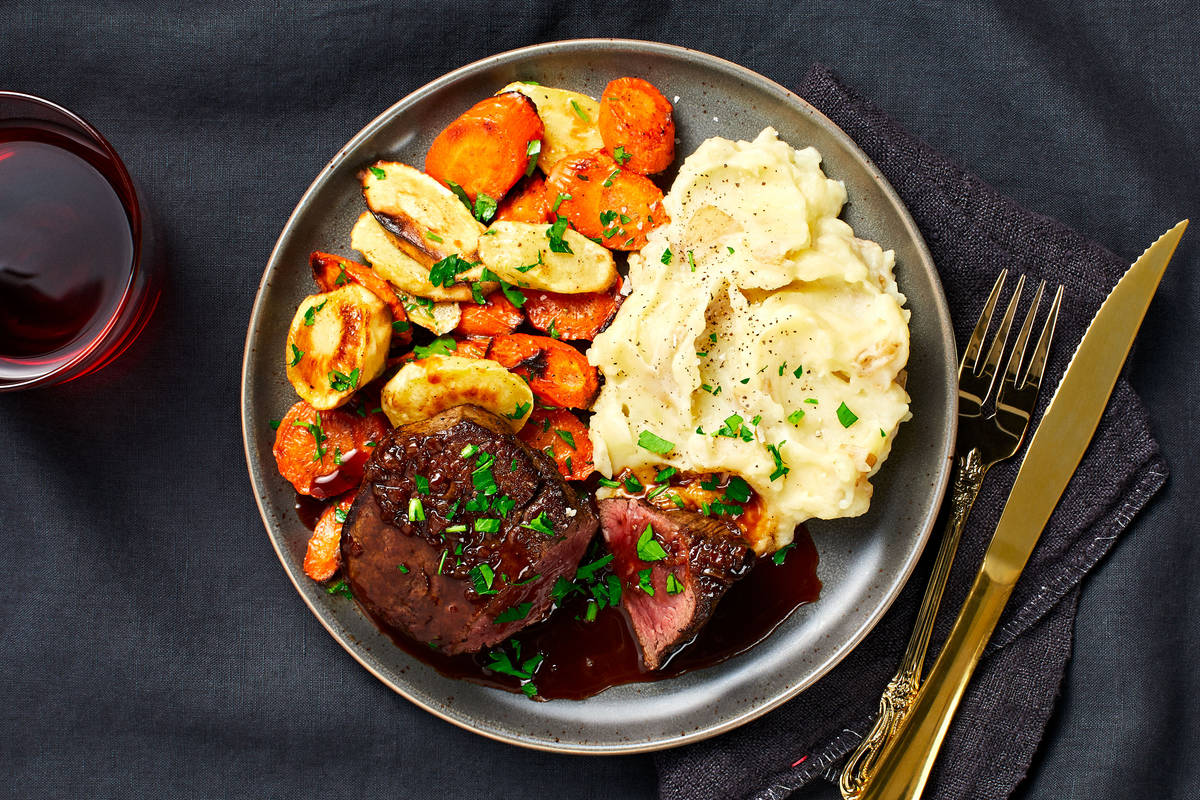 Oven-roasted beef tenderloin plated with brown butter roasted vegetables
Credit: www.hellofresh.com Simplify post-feast cleanup with our heavy-duty cleaning brushes, designed to tackle even the toughest roasted veggie and cheese sauce residue in seconds.
Oven-roasted beef tenderloin plated with brown butter roasted vegetables
Credit: www.hellofresh.com Simplify post-feast cleanup with our heavy-duty cleaning brushes, designed to tackle even the toughest roasted veggie and cheese sauce residue in seconds.

I’m Abby Lu, a passionate home cook who loves simplifying everyday meals. At PlugChef.com, I share product reviews and cooking guides to help you find the best tools for your kitchen.
Related posts:
 Seville Expandable Cabinet And Pantry Organizer: Space Savior
 Glideware Pull Out Cabinet Organizer for Pots & Pans: Space Saver
 Small 3-Tier Shelf Organizer: Maximize Space Effortlessly
 Trader Joe’S Spicy Lentil Wrap: Delicious, Healthy, and Quick Meal!
 Easy Way to Peel Pumpkin: Quick Tips for Effortless Prep
 How Long Do Grapes Last: Ultimate Freshness Guide Revealed

