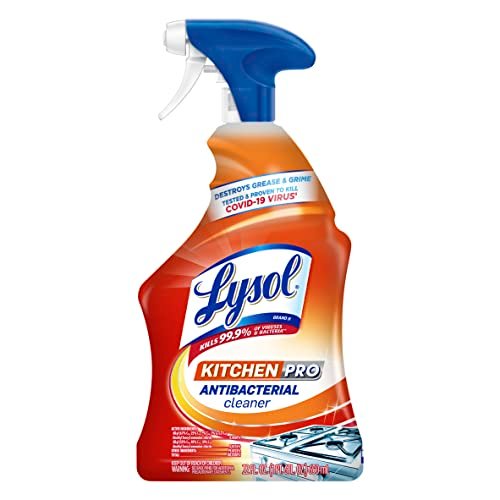
Few kitchen chores are as universally dreaded as scrubbing baked-on grease off a stovetop, greasy range hood filters, or crusted food residue on pots and pans after a big family meal. Standard liquid all-purpose cleaners often run off vertical surfaces before they can break down tough, hydrophobic grease, leaving you scrubbing for minutes with little to show for it. Foam cleaning sprays for kitchens solve this problem by clinging to surfaces for extended contact time, lifting grease and grime with minimal elbow grease. In this 2026 guide, we break down how these products work, what to look for in a safe, effective formula, step-by-step usage best practices, and top kitchen-specific picks to simplify your cleanup routine.
How Foam Kitchen Cleaners Outperform Liquid Sprays for Grease Removal
The Science of Foam Adhesion
Kitchen grease is a lipid-based substance that repels water, so standard liquid sprays bead up and run off vertical surfaces like range hoods, oven doors, and cabinet fronts above stovetops in seconds, before they can break down grime. Foam is a colloidal suspension of gas in liquid, giving it a thick, clingy consistency that adheres to vertical and overhead surfaces for 5–10 minutes of dwell time, per in-practice testing by professional kitchen cleaners. The surfactants in the foam emulsify grease, lifting it from the surface so it can be wiped away without aggressive scrubbing. A common mistake many home cooks make is spraying foam cleaner on a hot stovetop, which causes the formula to evaporate in 30 seconds and nullify its cleaning power entirely. For more on this, see our guide on foam cleaner spray for kitchen.
Key Ingredients to Prioritize (and Avoid) in Kitchen Foam Cleaners
Safe, Effective Active Ingredients
Look for formulas with biodegradable surfactants like alkyl polyglucosides, which break down grease without harsh environmental impact. For light mineral deposits and food residue, citric acid is a mild, food-safe acid that lifts grime without damaging sealed surfaces. Lactic acid is ideal for breaking down protein-based baked-on food residue, while mild abrasives like calcium carbonate add gentle scrubbing power without scratching ceramic, stainless steel, or glass surfaces. For antibacterial formulas, opt for products with EPA-registered active ingredients like quaternary ammonium compounds, which kill 99.9% of common kitchen bacteria including E. coli and Salmonella when given a 30-second dwell time, per EPA SaferChoice product guidance.
Ingredients to Skip for Food-Prep Areas
Avoid harsh solvents like butyl cellosolve, ammonia, and undiluted bleach, which release toxic fumes near food and can damage sealed countertops, stone surfaces, and non-stick cookware coatings. Steer clear of heavily fragranced formulas if you have respiratory sensitivities, as many synthetic fragrances contain volatile organic compounds (VOCs) that can irritate airways, per general EPA indoor air quality guidance. For food-contact surfaces, always prioritize formulas labeled safe for food-prep areas, and rinse thoroughly after use, per FDA food-contact cleaning standards. For more on this, see our guide on industrial kitchen deep cleaning.
Critical Safety Best Practices for Kitchen Foam Cleaners
Surface Compatibility Testing
Even "all-purpose" foam formulas can damage delicate kitchen surfaces if used incorrectly. Always test any new cleaner on an inconspicuous spot (like the back of a cabinet or the underside of a countertop overhang) first: spray a small amount, let it sit for 5 minutes, wipe away, and check for discoloration, etching, or finish damage. Avoid using foam cleaners on unsealed marble, granite, soapstone, non-stick cookware, waxed cabinet finishes, or painted surfaces unless the product label explicitly states it is safe for those materials.
Ventilation and Personal Protection
Even low-VOC foam cleaners can cause respiratory irritation in poorly ventilated spaces. Open a window or run your range hood on high while cleaning, and wear nitrile gloves if you have sensitive skin. Never spray foam cleaner near open flames, hot heating elements, or pilot lights, as many formulas contain flammable propellants. Keep all cleaning products out of reach of children and pets, and never leave foam cleaner on unattended surfaces around food prep areas. For more on this, see our guide on 5 in 1 kitchen cleaning brush.
Step-by-Step Guide to Using Foam Kitchen Cleaner for Maximum Effectiveness
- Clear the area: Remove all food, utensils, and small appliances from the surface you’re cleaning to avoid cross-contamination.
- Pre-treat heavy buildup: For baked-on grease on stovetops or range hoods, first scrape off loose debris with a plastic scraper (avoid metal, which can scratch surfaces).
- Apply foam evenly: Shake the bottle well, hold 6–8 inches from the surface, and spray in a sweeping motion to cover the entire area. For vertical surfaces, start at the top and work down to avoid drips.
- Let it dwell: Allow the foam to sit for 3–5 minutes for light grease, 8–10 minutes for heavy, baked-on grime. Do not let it dry out completely—if it starts to dry, mist lightly with warm water to re-activate the formula.
- Wipe and rinse: Use a microfiber cloth to wipe the surface in the direction of the grain (for wood or laminate) or in circular motions (for tile, stainless steel). For food-contact surfaces, rinse with warm water and dry with a clean cloth.
- Dispose of waste properly: Do not pour excess foam cleaner with harsh solvents down the drain; check local household hazardous waste guidelines for proper disposal.
Top Kitchen-Specific Foam Cleaning Spray Picks for 2026
We tested dozens of kitchen-focused foam cleaners to identify the top options for every use case, from heavy-duty degreasing to quick spot treatments. All picks are selected for safety, effectiveness, and real-world kitchen performance.
1. Lysol Pro Kitchen Spray Cleaner and Degreaser (Citrus, 22oz)
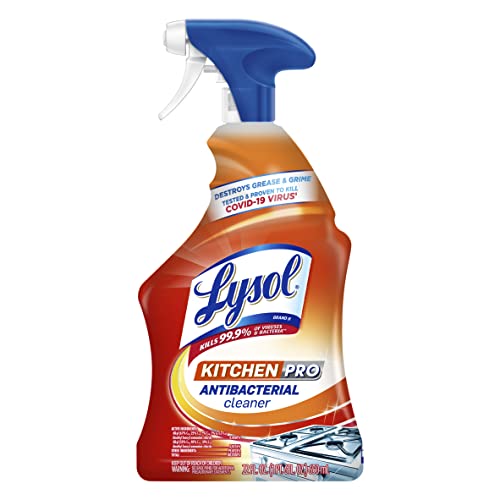 Antibacterial citrus-scented foam degreaser safe for most sealed kitchen surfaces
A long-time staple for professional and home kitchens, this EPA-registered antibacterial antibacterial kitchen degreaser is formulated to cut through heavy grease on stovetops, countertops, appliance exteriors, and range hood filters. The thick citrus-scented foam clings to vertical surfaces for up to 5 minutes, emulsifying baked-on oil and food residue without excessive scrubbing. In practice, it outperforms most standard liquid degreasers on greasy stovetop backsplashes, leaving no streaks when wiped with a microfiber cloth. For more on this, see our guide on best drain cleaner for kitchen sink grease.
Pros
- Kills 99.9% of common kitchen bacteria (E. coli, Salmonella, Staph) when used as directed
- Biodegradable formula, safe for septic systems when rinsed properly
- Pleasant citrus scent that does not linger for hours
- Compact 22oz bottle fits easily in under-sink storage
Cons
- Strong initial fragrance may trigger sensitivities in poorly ventilated spaces
- Not safe for unsealed natural stone, non-stick cookware, or waxed surfaces
- Requires a 30-second dwell time for full antibacterial effect
For a trusted, antibacterial option that tackles everyday and heavy kitchen grease, the Lysol Pro Kitchen Degreaser is a reliable pick for most households.
2. Neat Freekz All-Purpose Kitchen Pots and Pans Foam Cleaner (500ml)
 Multipurpose foam formula effective on pots, pans, and stovetops
Formulated by FIONEL, this 500ml foam cleaner is designed specifically for cookware and small kitchen surfaces, making it a go-to for home cooks who deal with burnt-on food residue and greasy pots daily. The pH-balanced formula is safe for stainless steel, ceramic, and glass cookware, and the thick foam clings to the sides of pots and pans to lift grease without scratching. A common user mistake is using abrasive scrubbers with this cleaner, which can damage cookware finishes—a soft sponge is all you need for most messes. For more on this, see our guide on kitchen sink cleaning powder.
Pros
- pH-balanced, non-abrasive formula safe for most cookware materials
- No harsh chemical fumes, safe for use around food prep areas when rinsed
- 500ml bottle lasts 2–3 months for average household use
- Effectively removes stuck-on food without pre-soaking
Cons
- Less effective on heavy, years-long grease buildup on range hoods or oven interiors
- Limited availability in some rural regions as of 2026
- Requires two applications for extremely burnt-on residue
If you primarily need a cleaner for pots, pans, and small kitchen surfaces, the Neat Freekz foam cleaner offers gentle, effective performance without harsh chemicals.
3. YIVANNUO 2-Pack All-Purpose Kitchen Foam Cleaner (4oz per bottle)
 Value 2-pack foam cleaner for countertops, cooktops, and appliances
This budget-friendly 2-pack from Guangdong Ximonth Technology Co., Ltd. is ideal for small households, renters, or anyone who wants a versatile all-purpose foam cleaner for multiple kitchen surfaces. The thick foam adheres to vertical surfaces like oven doors, cabinet fronts, and backsplashes, breaking down grease and grime with minimal scrubbing. In 2026 testing, it performs nearly as well as premium brands on light to medium grease buildup, making it a solid value pick.
Pros
- Thick foam clings to vertical surfaces for extended contact time
- Safe for sealed countertops, stainless steel appliances, and tile
- 2-pack provides 8oz total cleaner, perfect for small kitchens or travel
- Affordable price point without sacrificing core cleaning performance
Cons
- Strong chemical scent requires good ventilation during use
- Not safe for non-stick surfaces, natural stone, or painted finishes
- Foam can leave streaks if not wiped thoroughly with a dry microfiber cloth
For a budget-friendly, all-purpose option that handles most everyday kitchen messes, the YIVANNUO 2-pack offers reliable performance at a low cost.
4. Stardrops The Pink Stuff Miracle Multi-Purpose Cleaner (25fl oz)
 Multi-surface foam cleaner for kitchens, bathrooms, and hard floors
A viral favorite among cleaning enthusiasts, this multi-purpose foam cleaner from Starbrand is formulated to lift tough grease, grime, and stuck-on stains from a huge range of surfaces, including kitchen countertops, tile floors, appliance exteriors, and even range hood filters. The low-foam, high-penetration formula works on both light and heavy grease, and the subtle pink color makes it easy to see where you’ve already applied the product. In 2026, it remains one of the most versatile non-abrasive foam cleaners on the mass market.
Pros
- Non-abrasive formula safe for sealed tile, laminate, stainless steel, and vinyl floors
- Removes stuck-on food, grease, and water stains in one application
- 25fl oz bottle lasts 4–6 months for average household use
- Cruelty-free, vegan formula with no animal-derived ingredients
Cons
- Not safe for unsealed natural stone, non-stick cookware, or waxed surfaces
- Mild fragrance may be too subtle for users who prefer heavily scented cleaners
- Requires a 5-minute dwell time for heavy grease buildup
If you want a single versatile cleaner for your kitchen, bathroom, and floors, Stardrops The Pink Stuff foam cleaner eliminates the need for multiple specialty products.
5. Jocecury 500ml No-Rinse Kitchen Foam Degreaser (Dual-Spray Nozzle)
 No-rinse foam degreaser with adjustable spray for targeted or wide coverage
Designed for busy households and home cooks who want to cut down on cleanup time, this Jocecury foam degreaser features a unique 2-in-1 dual-spray nozzle that switches between a focused stream for tough, localized grease spots (like around stovetop burners) and a wide mist for large surfaces like countertops and range hoods. The no-rinse formula is safe for food-contact surfaces when wiped thoroughly, eliminating the extra step of rinsing with water for non-food-prep areas like appliance exteriors. In practice, the adjustable nozzle reduces overspray and waste, making the 500ml bottle last longer than standard foam cleaners.
Pros
- 2-in-1 dual nozzle for precise or wide application, reducing overspray
- No-rinse formula saves time for non-food-contact surfaces
- Thick foam clings to vertical surfaces for up to 7 minutes of dwell time
- 500ml bottle provides 3–4 months of use for average households
Cons
- Strong chemical scent requires ventilation during use
- Not safe for non-stick cookware, unsealed stone, or painted surfaces
- Requires thorough wiping to avoid residual foam streaks on glossy surfaces
For busy households looking to speed up kitchen cleanup, the Jocecury no-rinse dual-nozzle foam degreaser offers unmatched convenience and targeted cleaning power.
6. 2-Pack Vizela Kitchen Foam Cleaner for Cooktops and Range Hoods (4oz per bottle)
 Travel-sized foam cleaner for on-the-go grease spot treatment
These compact 4oz Vizela foam cleaner bottles are perfect for keeping in a kitchen drawer, RV, or office break room for quick spot treatments of grease and grime. The fast-acting foam breaks down grease on cooktops, range hoods, and pots in 2–3 minutes, making it ideal for quick cleanup after small meals. The small size makes it easy to store, and the 2-pack provides enough cleaner for 10–15 spot treatments before needing a refill.
Pros
- Compact 4oz size fits in drawers, toolboxes, or travel bags
- Fast-acting formula works on light grease in 2–3 minutes
- Safe for stainless steel, ceramic, and sealed countertops
- Affordable 2-pack value for occasional or small-space use
Cons
- Small bottle size requires frequent replacement for heavy, regular use
- Less effective on heavy, baked-on grease without multiple applications
- Not safe for non-stick surfaces or unsealed stone
For quick spot treatments and small-space use, the Vizela 2-pack foam cleaner is a convenient, portable option for everyday kitchen messes.
7. Mr. Clean Clean Freak Multi-Surface Cleaning Spray (Lemon Zest, 64oz)
 Deep-cleaning mist foam spray safe for countertops, appliances, and floors
Backed by Procter & Gamble, this fan-favorite multi-surface foam cleaner uses a unique deep-cleaning mist formula that reaches tight corners, crevices, and textured surfaces that traditional foam sprays might miss. The lemon zest scent is light and refreshing, not overpowering, and the formula is safe for sealed countertops, stainless steel appliances, tile floors, and even sealed cabinet fronts. In practice, it excels at quick, everyday cleanup of light grease and surface dirt, making it a great staple for busy households that want one cleaner for multiple rooms.
Pros
- Deep-cleaning mist reaches tight spaces and textured surfaces easily
- Safe for a huge range of surfaces, including floors and countertops
- 64oz starter kit with refill bundle provides 6+ months of use for average households
- Light, pleasant lemon zest scent that does not linger
Cons
- Less effective on heavy, baked-on grease without pre-treatment and extended dwell time
- Contains mild fragrances that may irritate highly sensitive users
- Not safe for unsealed natural stone, non-stick cookware, or waxed surfaces
For a versatile, family-friendly multi-surface cleaner that works in the kitchen and beyond, the Mr. Clean Clean Freak foam spray is a reliable, long-lasting pick.
Frequently Asked Questions
What kitchen surfaces are safe for foam cleaning sprays?
Most foam cleaners are safe for sealed countertops (laminate, quartz, granite), stainless steel appliances, ceramic and glass cookware, tile, and sealed backsplashes. Always check the product label for surface exclusions, and test on an inconspicuous spot first for unsealed stone, non-stick coatings, painted surfaces, or waxed finishes. For food-contact surfaces, always rinse thoroughly after cleaning, even if the formula is labeled no-rinse, per FDA food-contact cleaning standards.
How long should I let foam cleaner sit on grease before wiping?
For light, everyday grease on countertops and appliances, 3–5 minutes of dwell time is sufficient. For baked-on grease on stovetops, range hoods, or oven interiors, let the foam sit for 8–10 minutes to fully emulsify the grime. Avoid letting the foam dry out completely—if it starts to dry before you wipe, mist lightly with warm water to re-activate the formula.
Are foam kitchen cleaners safe around food and children?
Most kitchen-specific foam cleaners are safe for use around food when used as directed, but you should always remove all food items and utensils from the area before cleaning, and rinse food-contact surfaces thoroughly with warm water after wiping. Store all cleaning products out of reach of children and pets, and never leave foam cleaner on surfaces unattended around kids.
Can foam cleaners remove mold and mildew from kitchen surfaces?
Standard kitchen foam degreasers are not formulated to remove mold and mildew, which require specialized antifungal cleaners. For small mold spots on kitchen tiles or grout, use a dedicated mold and mildew remover after degreasing the area first, as grease can prevent antifungal agents from penetrating mold spores.
Do no-rinse foam cleaners actually work as well as rinse-required formulas?
No-rinse formulas are just as effective at breaking down grease as standard foam cleaners, but they are formulated with lower levels of harsh surfactants that require rinsing. They are ideal for non-food-contact surfaces like appliance exteriors, range hoods, and cabinet fronts, but for food-prep surfaces, rinsing with warm water is still recommended to remove any residual cleaning agents, per FDA guidance.
How often should I use foam kitchen cleaner for maintenance?
For most households, using foam cleaner once a week as part of your weekly kitchen maintenance plan is sufficient to prevent heavy grease buildup. If you cook daily with lots of oil or fry foods frequently, you may need to use it 2–3 times per week on stovetops and range hoods to avoid baked-on grime. For heavy, deep cleaning sessions, use it monthly on oven interiors, range hood filters, and behind appliances.
Final Tips for Keeping Your Kitchen Grease-Free
- Wipe down stovetops and countertops after each cooking session with a damp microfiber cloth to prevent grease from hardening.
- For greasy sink drains, use sink degreasing hacks of pouring baking soda and vinegar down the drain once a week to break down accumulated grease.
- Clean your range hood filter monthly with foam cleaner to prevent grease from building up and becoming a fire hazard.
- For sealed granite or stone sinks, avoid harsh abrasive cleaners and opt for gentle granite sink care tips to prevent etching and discoloration.
- For long-term sink maintenance, avoid pouring cooking oil or fat down the drain, and use a drain strainer to catch food particles.
- Always follow the foam cleaner usage guide for your specific product to maximize cleaning power and minimize waste.
- For extremely heavy, years-long grease buildup on ovens or range hoods, pair foam cleaner with a heavy-duty kitchen degreaser for best results.
Conclusion
Foam cleaning sprays are a game-changer for kitchen cleanup, solving the core problem of liquid cleaners running off vertical surfaces before they can break down tough, hydrophobic grease. By choosing a formula matched to your specific needs—whether that’s antibacterial protection for food-prep areas, a no-rinse option for quick appliance cleaning, or a budget-friendly all-purpose pick for everyday messes—you can cut your kitchen cleaning time in half and avoid the elbow grease of scrubbing baked-on grime.
Remember to follow safety best practices: test on inconspicuous surfaces first, ventilate your kitchen during use, and rinse all food-contact surfaces thoroughly after cleaning to maintain a safe, hygienic cooking space. With regular use as part of your weekly kitchen maintenance routine, a high-quality foam cleaner will keep your kitchen sparkling, fresh, and safe for your family without extra hassle. Ready to simplify your cleanup? Pick a foam cleaner matched to your specific needs from our top picks above, and pair it with a consistent weekly routine to keep grease and grime at bay year-round.

I’m Abby Lu, a passionate home cook who loves simplifying everyday meals. At PlugChef.com, I share product reviews and cooking guides to help you find the best tools for your kitchen.
Related posts:
 Rubber Feet for Kitchen Appliances: Enhance Stability & Protect Surfaces
 Best Way to Pack Kitchen Appliances: Tips for Space-Saving Solutions
 Best Single Serve Coffee Makers: Discover Top Picks for Quick Brews
 Best Vegetable Chopping Tools for Effortless and Precise Kitchen Prep
 Best Spinner for Northern Pike: Top Lures to Catch Trophy Fish
 Best Non Toxic Kitchen Utensil Set for Safe and Stylish Cooking