
If you’ve ever stood in the dairy aisle staring at a tub of crème fraîche and a container of sour cream, wondering which one to grab for your recipe, you’re not alone. Both are tangy, creamy cultured dairy products that look nearly identical at a glance, but swapping one for the other can mean the difference between a silky, restaurant-quality sauce and a curdled, grainy mess, or a perfectly tangy dip and a bland, overly rich topping. For more everyday cooking tips to simplify your kitchen routine, check out our go-to resource for home cooks. This guide breaks down every key difference between crème fraîche and sour cream, from their origins and production methods to their best use cases, nutritional profiles, and substitution hacks, so you can pick the right product for every dish with confidence.
Origins & Production Methods
While both crème fraîche and sour cream are made by fermenting dairy cream with live bacterial cultures, their distinct characteristics stem from centuries of regional tradition and modern production standards.
Traditional French Crème Fraîche
Crème fraîche originated in French farmhouse kitchens centuries ago, where it was made by leaving fresh heavy cream to ferment naturally at cool room temperature for 12–24 hours. This slow, uncontrolled fermentation allowed native lactic acid bacteria to develop a mild, buttery tang and thick, velvety texture, without the need for added stabilizers. For generations, crème fraîche was a staple of French home cooking, used to finish sauces, top desserts, and add richness to soups. Its name literally translates to "fresh cream" in French, a nod to its short ingredient list and minimal processing.
Eastern European Sour Cream
Sour cream has roots in Eastern European and Russian culinary traditions, where it was developed as a way to preserve fresh cream before refrigeration. By adding specific bacterial cultures to pasteurized cream and fermenting it at warmer temperatures for 4–6 hours, producers created a thicker, tangier product with a longer shelf life than unfermented cream. It quickly became a kitchen essential across the region, used as a topping for hearty stews, a base for cold dips, and a tangy addition to baked goods. Its sharper flavor comes from the faster fermentation process, which produces more lactic acid than the slow fermentation used for crème fraîche.
Modern Commercial Production Standards
In the U.S., commercial production of both products follows FDA standards of identity for cultured dairy, which set minimum fat content requirements and fermentation guidelines to ensure consistency across brands. Traditional crème fraîche contains a minimum of 30% milk fat, while standard sour cream has a minimum of 18% milk fat. Many commercial sour cream brands add gums, starches, or preservatives to improve texture and extend shelf life, while authentic crème fraîche typically contains only two ingredients: cultured heavy cream and live bacterial cultures.
Side-by-Side Texture & Flavor Comparison
The most noticeable differences between the two products are their texture and flavor, which dictate how they perform in recipes. Use the table below for a quick, at-a-glance comparison:
| Attribute | Crème Fraîche | Sour Cream |
|---|---|---|
| Minimum fat content (US standards) | 30% | 18% |
| Fermentation time | 12–24 hours | 4–6 hours |
| Tang level | Mild, buttery, low acidity | Sharp, zesty, high acidity |
| Heat tolerance | High (won’t curdle below boiling point) | Low (curdles above 160°F / 71°C) |
| Common added ingredients | Rarely has stabilizers (traditional versions) | Often contains gums, starches, or preservatives in commercial versions |
| Best use case | Hot sauces, soups, baked goods, delicate desserts | Cold toppings, dips, dressings, hearty savory dishes |
Why The Flavor Profiles Differ
The difference in tang comes down to fermentation time and bacterial strains: crème fraîche’s slow fermentation produces less lactic acid, resulting in a subtle, nutty, buttery flavor that won’t overpower delicate dishes. Sour cream’s faster fermentation creates more lactic acid, giving it the sharp, bright sourness that cuts through rich, fatty, or spicy foods. The higher fat content of crème fraîche also gives it a luxuriously smooth, velvety mouthfeel that feels almost like melted butter, while sour cream has a thicker, slightly denser texture that can feel slightly grainy if it contains added stabilizers.
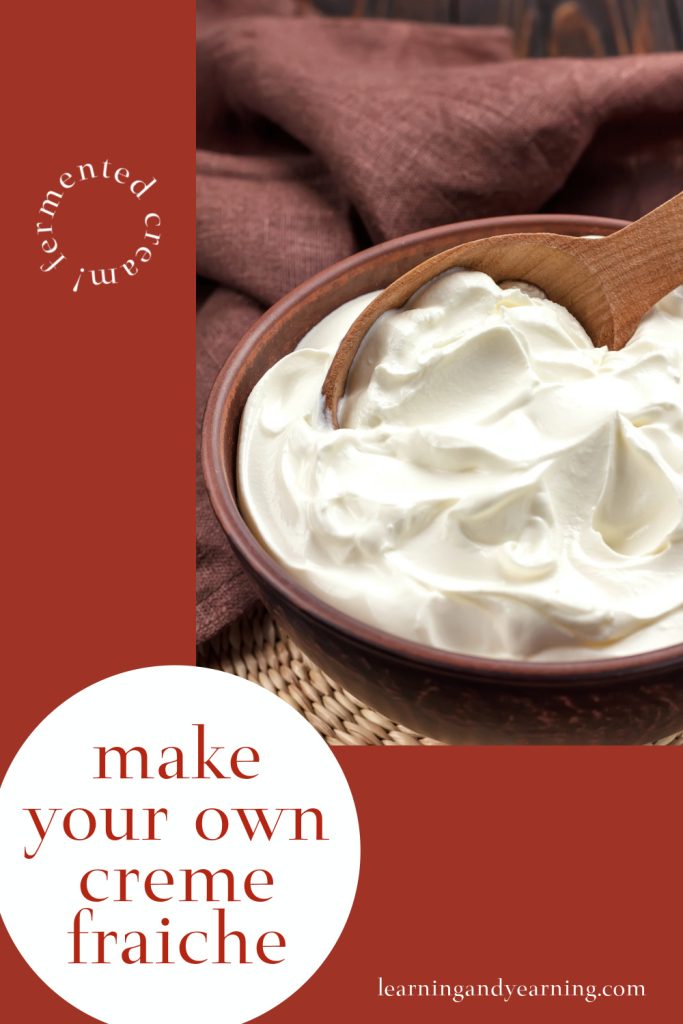 Side-by-side of the two products, highlighting their similar appearance but distinct textures and consistency
Image source: learningandyearning.com
Side-by-side of the two products, highlighting their similar appearance but distinct textures and consistency
Image source: learningandyearning.com
Best & Worst Culinary Use Cases For Each
Understanding how each product behaves in cooking and cold applications will help you avoid common kitchen mistakes and get the best flavor from your dishes.
High-Heat Cooking & Sauces
Crème fraîche is the clear winner for hot dishes: its high fat content and low acidity mean it won’t curdle even when brought to a gentle boil, making it perfect for creamy soups, pan sauces, stroganoff, and baked casseroles. A common mistake home cooks make is adding cold sour cream directly to a hot sauce, which causes the proteins to denature and split instantly, leaving you with a grainy, separated mess. If you must use sour cream in a hot dish, temper it first by mixing a small spoonful of the warm cooking liquid into the sour cream to raise its temperature gradually, then stir the mixture back into the pot. Even with tempering, sour cream is not ideal for dishes that require a long simmer, as it will eventually separate.
Cold Dishes, Toppings & Dips
Sour cream’s sharp, bright tang makes it the go-to choice for cold applications: it’s the classic topping for loaded baked potatoes, tacos, chili, and nachos, and works perfectly as a base for creamy dips, dressings, and cold soups like gazpacho. Crème fraîche’s mild, rich flavor is better suited for delicate cold dishes like fruit parfaits, cucumber soup, or as a topping for light desserts like fresh berries or pound cake, where you don’t want the tang to overpower the other ingredients.
Baking Applications
Both products add moisture and tenderness to baked goods, but they produce slightly different results. Crème fraîche’s high fat content creates tender, moist cakes, scones, and muffins with a rich, buttery flavor, without making them dense. Sour cream adds a pleasant tang and moisture to baked goods, but its higher acidity can activate baking soda more aggressively, leading to a denser crumb if you use too much. For traditional tangy baked goods like coffee cake or banana bread, sour cream is the better pick; for rich, tender desserts like cheesecake or shortbread, crème fraîche is ideal.
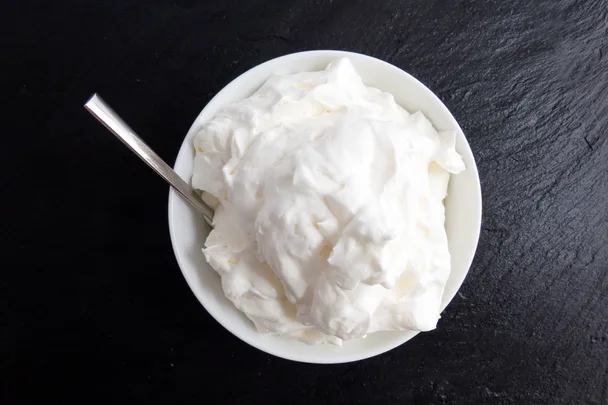 Crème fraîche stirred into a warm sauce, showing its smooth, split-free texture when heated
Image source: www.newidea.com.au
Crème fraîche stirred into a warm sauce, showing its smooth, split-free texture when heated
Image source: www.newidea.com.au
Nutritional & Dietary Considerations
Neither crème fraîche nor sour cream is a nutrient-dense staple, but their slight nutritional differences may matter if you have specific dietary goals.
Calories, Fat & Macronutrients
Per standard 2-tablespoon serving, full-fat crème fraîche typically contains roughly 90–110 calories and 9–11g of fat, while full-fat sour cream with no added fillers usually has 40–50 calories and 4–5g of fat. Low-fat or fat-free sour cream varieties often contain added sugars, modified food starch, or gums to replicate the texture of full-fat versions, which can increase the carbohydrate and added sugar content significantly. Crème fraîche is almost always sold as full-fat, with no low-fat variants widely available.
Vitamins, Minerals & Probiotics
Both products contain small amounts of calcium and vitamin A, which support bone and eye health, but they are not significant sources of these nutrients. Both also contain live active cultures that support gut health, per University of Minnesota Extension food safety guidelines, though the specific bacterial strains vary by brand and fermentation method. Neither product is a meaningful source of protein or fiber.
Health Trade-Offs
Crème fraîche’s higher fat content can help you feel fuller for longer, but it is higher in saturated fat, so it should be consumed in moderation if you are managing cholesterol or heart health. Sour cream’s lower fat content makes it a better pick if you are tracking calories, but be sure to check the label for added fillers if you are avoiding processed ingredients. For people with mild lactose intolerance, both products are lower in lactose than regular milk, but individual tolerance varies, so test small amounts first to avoid digestive discomfort.
Storage, Shelf Life & Food Safety
Proper storage will extend the life of both products and keep them safe to eat. Storing these products correctly is part of a broader kitchen organization routine that keeps your ingredients fresh and your workspace efficient.
Proper Storage Tips
Keep both crème fraîche and sour cream refrigerated at a consistent 40°F (4°C) or below at all times. Store them in their original airtight containers, or transfer to a clean, sealed container if the original packaging is damaged. Always use clean utensils when scooping out product, as introducing crumbs, food particles, or bacteria from dirty utensils can speed up spoilage. Seal containers tightly after each use to prevent the products from absorbing odors from other foods in your fridge.
Shelf Life & Spoilage Signs
Unopened, both products will last 2–3 weeks past their sell-by date if kept consistently cold. Once opened, consume within 7–10 days for peak flavor and safety. Signs of spoilage include an off, rotten smell (distinct from their normal mild tang), pink, gray, or green discoloration, or visible mold growth. Never leave either product at room temperature for more than 2 hours, as the live cultures will over-ferment and spoil quickly.
Freezing For Long-Term Storage
Both products can be frozen for up to 3 months, but freezing will alter their texture: the liquid and solid components will separate when thawed, leaving a grainy, lumpy consistency. Stir vigorously to recombine as much as possible, and use thawed product only in cooked dishes (like soups or sauces) where texture is less noticeable, rather than as a cold topping or dip.
Substitution Guide: When To Swap & How To Adjust
You can substitute one for the other in most recipes, but small adjustments will help you get closer to the intended flavor and texture.
1:1 Swaps For Cold Applications
For cold dishes like dips, dressings, or toppings, you can swap crème fraîche for sour cream (or vice versa) in equal amounts with no adjustments needed. The only difference will be the tang level: crème fraîche will make the dish milder and richer, while sour cream will make it brighter and sharper.
Adjustments For Hot Dishes
If you are substituting sour cream for crème fraîche in a hot recipe, always temper the sour cream first to avoid curdling, as outlined in the high-heat cooking section above. If you are substituting crème fraîche for sour cream in a hot recipe, no adjustments are needed, as crème fraîche will hold up perfectly to heat.
Adjusting Flavor To Match
If you want to mimic the tang of sour cream using crème fraîche, mix 1 teaspoon of lemon juice or white vinegar per cup of crème fraîche and let it sit for 5 minutes to thicken and develop a sharper flavor. If you want to mimic the mild richness of crème fraîche using sour cream, mix 1 part sour cream with 1 part heavy cream and a tiny pinch of sugar to cut the sharpness. Note that these hacks work for most recipes, but they will not replicate the exact traditional flavor of dishes that rely on a specific product, like Russian borscht (which traditionally uses sour cream) or French onion soup (which traditionally uses crème fraîche).
Common Buying Mistakes To Avoid
Not all crème fraîche and sour cream are created equal, and a few simple label checks can help you avoid buying a product that won’t work for your recipe:
- Don’t assume all "crème fraîche" is authentic: In the U.S., the term "crème fraîche" is not strictly regulated, so some commercial versions add stabilizers, gums, or even sour cream to cut costs. Look for labels that list only "cultured heavy cream" as the ingredient for the most authentic, additive-free product.
- Avoid low-fat versions for cooking: Fat-free or low-fat sour cream and crème fraîche almost always curdle when heated, no matter what the label claims, because the fat is what prevents the proteins from denaturing at high temperatures. Stick to full-fat versions for any hot dish.
- Check for added fillers in sour cream: Many mass-market sour cream brands include modified food starch, carrageenan, or added sugars to improve texture and flavor. If you want a clean, pure tang, look for versions with a short ingredient list (ideally just cultured cream and salt).
If you’re stocking your kitchen with high-quality ingredients, just like you’d check for rust-free kitchen tools to avoid unwanted additives in your cooking, always scan the label of cultured dairy products for unnecessary fillers before buying.
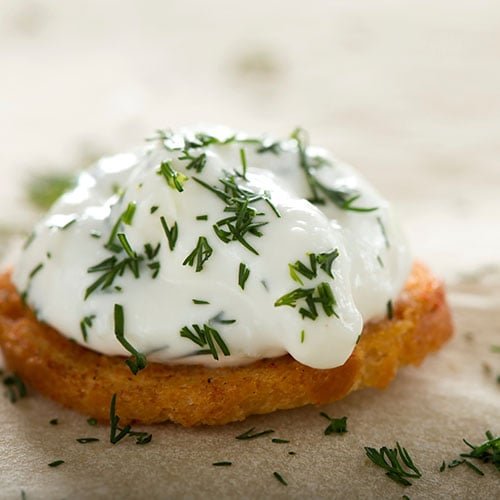
 Both products work well as bases for flavored dips and spreads when mixed with herbs or spices
Image source: www.yahoo.com
Both products work well as bases for flavored dips and spreads when mixed with herbs or spices
Image source: www.yahoo.com
Frequently Asked Questions
What Is The Main Difference Between Crème Fraîche And Sour Cream?
The core differences come down to fat content, fermentation time, and tang level. Crème fraîche has a higher fat content (minimum 30% per traditional French standards, 30% for US commercial versions following FDA guidelines), is fermented for longer, and has a mild, buttery tang. Sour cream has a lower fat content (minimum 18% in the U.S.), ferments faster, and has a sharp, bright sour flavor. Crème fraîche also rarely contains added stabilizers, while many commercial sour cream varieties include gums or starches to thicken the texture.
Can I Substitute Crème Fraîche For Sour Cream In Recipes?
Yes, in most cases, though the swap will change the flavor and texture slightly. Crème fraîche is richer and less tangy, so your dish will have a more muted, creamy flavor rather than a bright sour punch. For hot dishes, crème fraîche is actually a better choice than sour cream because it won’t curdle when heated. If you need to mimic sour cream’s tang with crème fraîche, mix 1 teaspoon of lemon juice or white vinegar per cup of crème fraîche and let it sit for 5 minutes to thicken and develop a sharper flavor.
Is Crème Fraîche Healthier Than Sour Cream?
There is no one-size-fits-all answer, as it depends on your dietary needs. Crème fraîche is higher in fat and calories, which makes it more indulgent but less ideal if you’re strictly limiting fat intake. Traditional crème fraîche also rarely contains added fillers, while many low-fat or fat-free sour cream varieties include added sugars, modified food starch, or gums to replicate the texture of full-fat versions. Both products contain small amounts of calcium, vitamin A, and live probiotic cultures that support gut health, but they are not significant sources of essential nutrients, so they should be enjoyed in moderation as flavor enhancers rather than nutritional staples.
How Does Crème Fraîche Affect Cooking Compared To Sour Cream?
Crème fraîche’s high fat content and low acidity make it extremely heat-stable: it won’t curdle even when brought to a gentle boil, making it ideal for creamy soups, pan sauces, stroganoff, and baked casseroles. Sour cream, by contrast, has a higher acid content and lower fat, so its proteins denature and curdle when heated above 160°F (71°C). If you want to use sour cream in a hot dish, temper it first by mixing a small spoonful of the warm cooking liquid into the sour cream to raise its temperature gradually, then stir the mixture back into the pot to avoid splitting.
Final Verdict: Which One Should You Choose?
Both crème fraîche and sour cream are versatile, tangy cultured dairy products that add richness and brightness to a huge range of dishes, but they are not interchangeable in every scenario. If you’re cooking at high heat, want a mild, velvety rich flavor, or are making a delicate dessert, crème fraîche is the better pick. If you need a sharp, tangy topping for savory dishes, a base for cold dips and dressings, or a lower-fat option, sour cream is the way to go. For the best results, always check the ingredient label to avoid unwanted fillers, store both products in a cold, airtight container, and use them within 7–10 days of opening for peak flavor. Ready to test these differences in your kitchen? Try swapping crème fraîche for sour cream in your next batch of creamy potato soup for a split-free, richer result, or dollop sour cream on your next batch of easy roasted side dishes for a bright, tangy kick. If you’re prepping ingredients for your recipe, make sure your properly sanitized prep surfaces are free of bacteria to keep your food safe. For more guides to mastering common kitchen ingredients, browse our full library of cooking resources for fresh, tested recipes and hacks.

I’m Abby Lu, a passionate home cook who loves simplifying everyday meals. At PlugChef.com, I share product reviews and cooking guides to help you find the best tools for your kitchen.
Related posts:
 How to Make a Fruit Basket for a Gift: Easy DIY Guide
 Do You Need a Basket? Essential Guide for Air Fryers
 Small Kitchens With Black Appliances: Maximizing Style
 Allied Blenders And Distillers IPO: Investment Insights
 Whirlpool 4 Piece Kitchen Appliance Package: Ultimate Upgrade
 Kitchen Sink Cleaning: Ultimate Tips for a Sparkling Shine

