
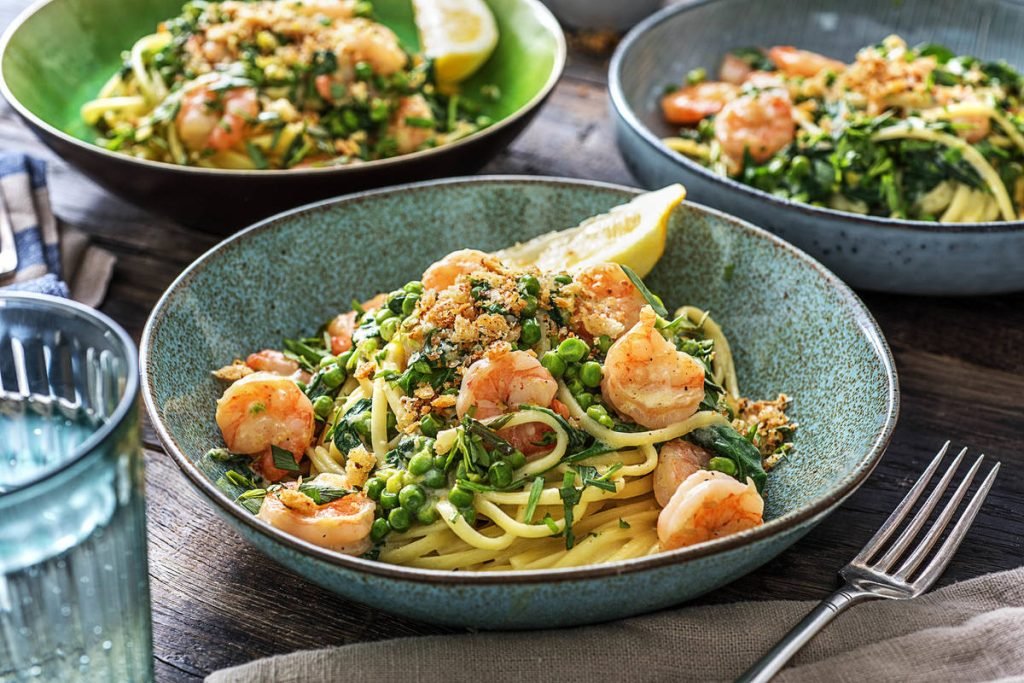
There’s nothing quite like a restaurant-quality pasta dish that comes together in 30 minutes flat, and this creamy shrimp and asparagus pasta delivers exactly that. Tender, perfectly cooked shrimp, crisp-tender bright green asparagus, and a rich, velvety garlic-parmesan sauce coat every strand of pasta for a balanced, crowd-pleasing meal that works for busy weeknights, casual dinner parties, or even a special date night in. Unlike many creamy pasta recipes that require fancy techniques or hard-to-find ingredients, this one relies on simple, fresh components and straightforward steps that even novice cooks can nail on the first try. Best of all, it’s easily customizable to fit dietary preferences, from gluten-free to dairy-free, so everyone at your table can enjoy a generous serving.
Why This Creamy Shrimp and Asparagus Pasta Is a Weeknight Win
This dish earns its spot as a go-to weeknight staple for a handful of practical reasons. It requires minimal active prep time, uses just one main skillet and a pot for pasta, and scales effortlessly to feed two people or a group of eight without extra effort. The combination of lean protein from shrimp, fiber and vitamins from asparagus, and carbs from pasta makes it a balanced, satisfying meal that doesn’t leave you feeling heavy afterward. It also reheats beautifully for next-day lunch leftovers, and the mild, crowd-pleasing flavor profile works for picky eaters and adults alike. There’s no need for specialty equipment or hard-to-source ingredients — you likely have everything you need in your kitchen already.
Core Ingredients for Success
Fresh, high-quality ingredients are the foundation of this dish, and small swaps can make a big difference in texture and flavor. Below is a breakdown of what to use, and why each component matters.
Shrimp & Fresh Produce
Opt for 31-40 count raw shrimp (peeled, deveined, tail-off for ease or tail-on for presentation) — frozen works perfectly if thawed fully in the refrigerator overnight, never at room temperature, to avoid bacterial growth. For asparagus, choose medium-thick spears with tight, closed tips; avoid limp, woody stalks or super thin pencil asparagus that overcooks instantly. Use a sturdy kitchen scrub brush to remove any dirt or sand from the spears before trimming the woody ends.
Pasta Options
Fettuccine is the classic choice for this recipe, as its wide, flat surface holds creamy sauce far better than thin spaghetti. That said, linguine, pappardelle, or even short pasta like penne work well if that’s what you have on hand. For gluten-free diets, use a high-quality brown rice or chickpea pasta that holds up to heavy, rich sauce without falling apart. Eight ounces of dry pasta feeds 4 people as a main course; scale up to 12 ounces for 6 servings.
Creamy Sauce Base
Heavy cream (36% fat) is ideal for a thick, silky sauce that won’t separate when heated; light cream or half-and-half works for a lighter version but may require a small cornstarch slurry to thicken properly. Freshly grated parmesan is non-negotiable — pre-shredded parmesan contains anti-caking agents that create a grainy, lumpy sauce. Unsalted butter lets you control the salt level of the dish, and fresh garlic (not jarred) adds the brightest, most vibrant flavor.
Seasonings & Finishes
Kosher salt and freshly cracked black pepper form the base seasoning, while a pinch of red pepper flakes adds subtle, optional heat. Fresh lemon zest and juice cut through the richness of the cream to keep the dish from feeling heavy, and fresh parsley or basil adds a bright, herbaceous finish. Optional add-ins like toasted pine nuts or panko breadcrumbs add a satisfying crunchy contrast to the soft pasta and shrimp.
Step-by-Step Preparation Guide
Following these precise steps will ensure your shrimp stay tender, your asparagus stays crisp, and your sauce stays silky every time.
1. Prep Shrimp Safely for Perfect Texture
Start by patting shrimp completely dry with paper towels — this is the #1 mistake home cooks make, as wet shrimp steam instead of searing in the pan, leading to a rubbery texture. Always adhere to USDA food safety guidelines for seafood to minimize risk of foodborne illness. Shrimp should be cooked to an internal temperature of 145°F, with opaque flesh and a firm, pink texture. Toss the prepped shrimp with a pinch of salt, black pepper, a drizzle of olive oil, and a squeeze of lemon juice if desired, and set aside while you prep the other ingredients.
2. Cook Asparagus to Crisp-Tender Perfection
Trim the woody ends of the asparagus by snapping them where they naturally break — the tougher end will snap off cleanly, leaving the tender spear behind. Rinse thoroughly under cold water, then pat dry. You can either blanch the asparagus in boiling salted water for 2 minutes, then shock in ice water to lock in its bright green color, or sauté it in a hot pan with a splash of olive oil for 3-4 minutes until just tender. Asparagus is a nutrient-dense vegetable, packed with vitamins A, C, and K, as well as folate and fiber, per the Academy of Nutrition and Dietetics. Avoid overcooking, as it will turn mushy when mixed with the hot sauce later.
3. Build the Silky, Curdle-Free Cream Sauce
While the asparagus cooks, bring a large pot of salted water to a rolling boil for the pasta. In a separate large skillet, melt 2 tablespoons of unsalted butter over medium-low heat, then add 3-4 cloves of minced garlic and sauté for 30 seconds, just until fragrant — don’t let it brown, as burnt garlic will make the sauce taste bitter. Pour in 1 cup of heavy cream, stirring gently, and bring to a bare simmer — never let the sauce boil, as high heat will cause the dairy to curdle. Stir in 1/2 cup freshly grated parmesan, a pinch of salt and black pepper, and a squeeze of fresh lemon juice, then reduce heat to the lowest setting to keep warm. A professional kitchen cleaning brush cuts through buttery sauce residue on pans without scratching non-stick cookware, making post-cook cleanup effortless.
4. Combine Everything for Even Coating
Cook the pasta according to package directions until al dente (it should have a slight firmness in the center when bitten). Reserve 1/2 cup of starchy pasta cooking water before draining — this is the secret to a perfectly emulsified sauce that clings to every strand of pasta. Add the drained pasta, cooked asparagus, and cooked shrimp to the skillet with the cream sauce, tossing gently over low heat for 1-2 minutes until everything is evenly coated. If the sauce is too thick, add a splash of reserved pasta water 1 tablespoon at a time until you reach your desired consistency.
Customization Ideas for Every Taste
One of the best parts of this recipe is how flexible it is to fit dietary needs and personal flavor preferences. Try these swaps and add-ins to make it your own:
- Gluten-free: Use brown rice, chickpea, or quinoa pasta instead of wheat-based options.
- Dairy-free: Substitute heavy cream with full-fat canned coconut cream or cashew cream, and use nutritional yeast or vegan parmesan in place of dairy parmesan.
- Vegetarian: Swap shrimp for marinated and pan-seared chickpeas, cubed firm tofu, or sliced cremini mushrooms for extra umami.
- Extra veggies: Toss in a handful of baby spinach, halved cherry tomatoes, or roasted red peppers in the last minute of cooking for added color and nutrition.
- Spicier kick: Increase the red pepper flakes, or add a dash of your favorite hot sauce to the sauce for extra heat.
Serving, Storage & Reheating Tips
Garnish & Side Pairings
Finish the dish with a sprinkle of freshly grated parmesan, a handful of chopped fresh parsley, and a light drizzle of extra lemon zest for brightness. For sides, a crisp arugula salad with lemon vinaigrette cuts through the richness of the creamy sauce, while crusty garlic bread is perfect for mopping up every last drop. For a casual dinner party, pair this pasta with a simple charcuterie board spread for a low-fuss, impressive meal. For beverages, crisp, acidic white wines like Sauvignon Blanc or unoaked Chardonnay pair perfectly with the rich sauce and delicate shrimp. Non-alcoholic options include sparkling water with a lime twist or lightly sweetened iced tea. For a special presentation, serve the pasta on an engraved wooden cutting board for a rustic, restaurant-worthy touch.
Reheating Without Losing Creaminess
Leftovers reheat best on the stovetop over low heat, with a splash of heavy cream or reserved pasta water added to loosen the sauce as it warms. Avoid microwaving on high, as this will cause the sauce to separate and the shrimp to become rubbery. If the sauce does split, stir in a teaspoon of cold butter while reheating to bring it back to a smooth consistency.
Leftover Safety
Store leftovers in an airtight container in the refrigerator for up to 3 days. If you want to keep the dish longer, freeze the sauce, cooked shrimp, and asparagus separately from the pasta, as frozen pasta can become mushy when thawed. Always reheat leftovers to an internal temperature of 165°F before serving. For quick post-dinner cleanup, a compact cleaning brush set handles everything from scrubbing prep bowls to washing sauce-covered pans. This dish is a hit with kids and adults alike, and if you’re cooking with little helpers, secure lower cabinet doors with child-safe kitchen latches to keep sharp utensils out of reach.
Frequently Asked Questions
Can I use frozen shrimp for this recipe?
Yes! Thaw frozen shrimp fully in the refrigerator overnight, never at room temperature, and pat them completely dry before cooking to avoid steaming. Pre-peeled, deveined frozen shrimp works best for convenience.
How do I prevent the creamy sauce from curdling?
The two most common causes of curdling are boiling the sauce after adding the cream, and adding cold ingredients to a hot pan. Always keep the sauce at a low simmer, not a rolling boil, and add room-temperature cream and grated parmesan gradually, stirring constantly.
Can I make this recipe ahead of time?
You can prep all ingredients up to 24 hours in advance: trim the asparagus, peel and devein the shrimp, and grate the parmesan. Store each component separately in the refrigerator. When you’re ready to eat, cook the pasta, shrimp, and asparagus, then toss with the pre-made sauce for a 15-minute dinner.
Is this recipe kid-friendly?
Yes, the mild, creamy flavor and tender texture make it a hit with most kids. To reduce the garlic and red pepper flake heat, use less garlic and skip the spice entirely for younger eaters.
Can I substitute the heavy cream?
Yes, for a lighter sauce, use half heavy cream and half low-fat milk, or substitute full-fat canned coconut cream for a dairy-free option. Note that lighter creams and non-dairy alternatives may separate if boiled, so keep the heat low when simmering the sauce.
Final Thoughts
Creamy shrimp and asparagus pasta is the perfect low-effort, high-reward dinner for anyone craving a flavorful, satisfying meal without hours of time in the kitchen. With its balanced mix of lean protein, fresh veggies, and rich, comforting sauce, it checks all the boxes for a weeknight staple that feels far more special than your average pasta night. The simple steps and flexible customization options mean you can tailor it to your taste and dietary needs every time you make it. If you’re looking for more quick, easy, and delicious weeknight recipes to add to your rotation, browse our full library of tested, crowd-pleasing easy weeknight recipes to keep dinner stress-free and delicious all month long.
 A vibrant, restaurant-quality take on creamy shrimp and asparagus pasta, ready to serve in 30 minutes.
Credit: anoregoncottage.com
A vibrant, restaurant-quality take on creamy shrimp and asparagus pasta, ready to serve in 30 minutes.
Credit: anoregoncottage.com
 Fresh shrimp are sautéed just until pink and opaque to keep them tender and juicy.
Credit: www.reddit.com
Fresh shrimp are sautéed just until pink and opaque to keep them tender and juicy.
Credit: www.reddit.com
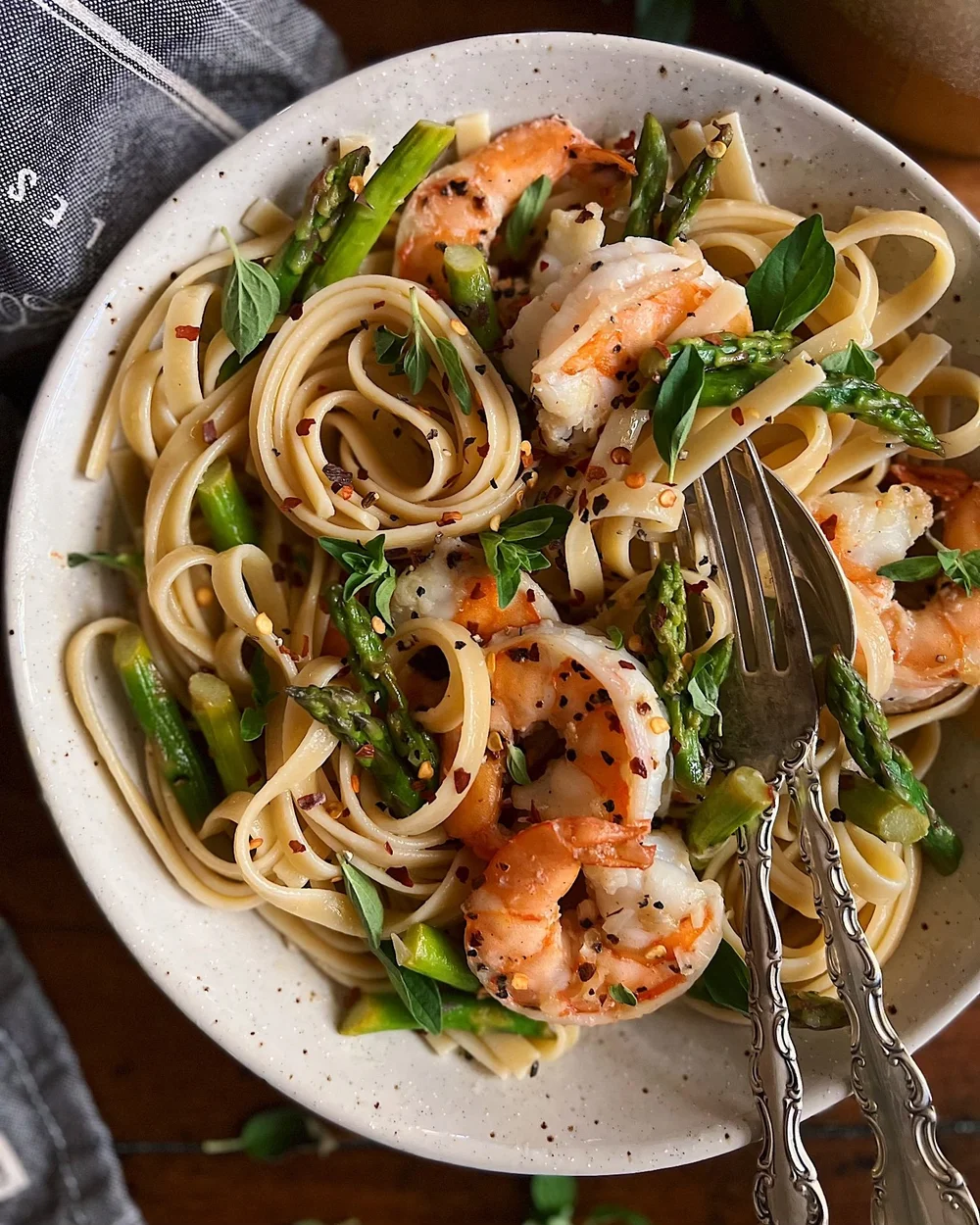 Fresh parsley and grated parmesan add a pop of color and salty finish to the finished dish.
Credit: www.danieladish.com
Fresh parsley and grated parmesan add a pop of color and salty finish to the finished dish.
Credit: www.danieladish.com
Estimated Nutrition Per Serving
This recipe yields 4 main-course servings. Exact nutritional values will vary based on ingredient brands, pasta portion size, and any custom add-ins, but standard preparations average:
- 520 calories per serving
- 28g of lean protein
- 42g of carbohydrates
- 26g of fat
- 4g of dietary fiber
- 380mg of sodium (assuming unsalted butter and moderate added salt) For precise tracking, input your exact ingredients into a trusted nutrition calculator. This balanced mix of seafood protein, fiber-rich asparagus, and energizing carbs makes it a satisfying meal that won’t leave you feeling weighed down, and the moderate calorie count fits easily into most dietary plans.
For even faster cleanup after cooking, a heavy-duty non-stick safe scrub brush cuts through stuck-on dairy and garlic residue without scratching your favorite pans, so you can get to eating (or prepping your next meal) in minutes.

I’m Abby Lu, a passionate home cook who loves simplifying everyday meals. At PlugChef.com, I share product reviews and cooking guides to help you find the best tools for your kitchen.
Related posts:
 Seville Expandable Cabinet And Pantry Organizer: Space Savior
 Glideware Pull Out Cabinet Organizer for Pots & Pans: Space Saver
 Small 3-Tier Shelf Organizer: Maximize Space Effortlessly
 Trader Joe’S Spicy Lentil Wrap: Delicious, Healthy, and Quick Meal!
 Easy Way to Peel Pumpkin: Quick Tips for Effortless Prep
 How Long Do Grapes Last: Ultimate Freshness Guide Revealed

