
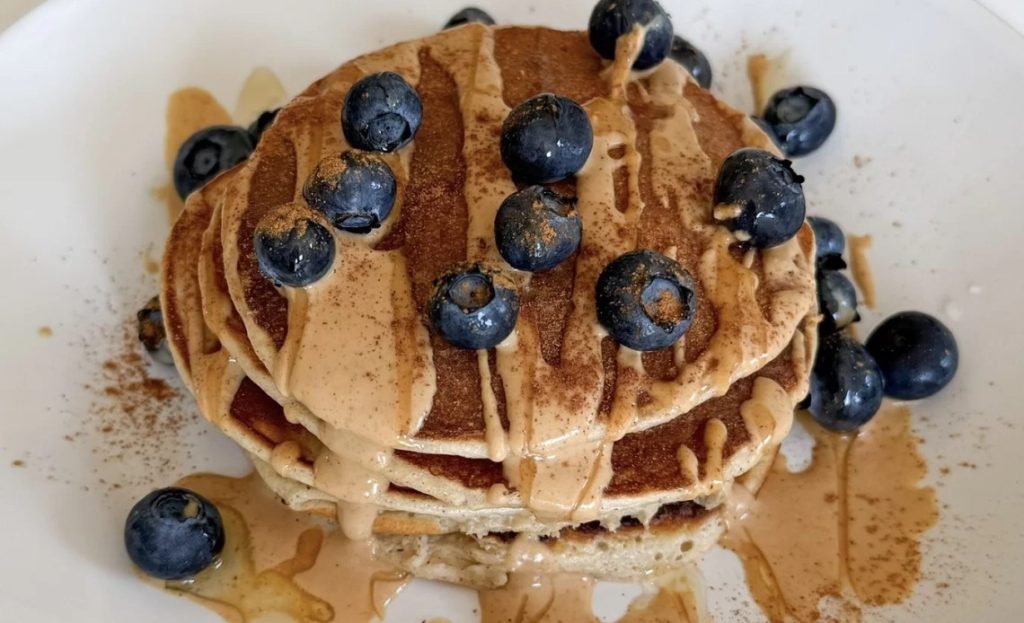
Looking for a tasty way to boost your protein intake without sacrificing flavor? Cottage cheese high protein pancakes might be exactly what you need.
These pancakes are soft, fluffy, and packed with the kind of protein that helps fuel your day and support your muscles. If you want a breakfast that keeps you full longer and gives you energy, keep reading. You’ll discover a simple recipe and tips to make these pancakes a regular part of your morning routine.
Get ready to transform your breakfast with a dish that’s as delicious as it is nutritious!
Benefits Of Cottage Cheese
Cottage cheese is a popular ingredient for healthy meals. It offers many benefits that improve overall nutrition. This makes it perfect for high protein pancakes. Its unique qualities support a balanced diet and help maintain energy throughout the day.
High Protein Content
Cottage cheese contains a large amount of protein in each serving. Protein helps build and repair body tissues. It also keeps you full for longer periods. This makes it ideal for breakfast pancakes that provide lasting energy.
Rich In Nutrients
This dairy product is packed with important vitamins and minerals. It includes calcium, phosphorus, and B vitamins. These nutrients support strong bones and healthy metabolism. Eating cottage cheese boosts overall health and wellness.
Supports Muscle Repair
The protein in cottage cheese helps muscles recover after exercise. It contains casein protein, which digests slowly. This provides a steady supply of amino acids to muscles. Perfect for those who exercise and want to improve muscle strength.

Credit: pandapantry.co
Why Choose High Protein Pancakes
Choosing high protein pancakes, especially those made with cottage cheese, can change the way you fuel your day. These pancakes pack a powerful punch of protein that supports more than just your taste buds. They provide real benefits that you’ll feel from morning until night.
Muscle Growth Support
Protein is essential for building and repairing muscles. Cottage cheese is rich in casein protein, which digests slowly and keeps your muscles fueled longer. Eating high protein pancakes after a workout can help speed up recovery and boost muscle growth.
Have you noticed how your muscles feel more energized and less sore when you eat enough protein? These pancakes can give you that edge without extra effort.
Sustained Energy Release
Unlike regular pancakes loaded with simple carbs, high protein pancakes release energy steadily. This means you avoid sudden energy crashes that leave you tired before lunchtime. The combination of protein and slow-digesting carbs in cottage cheese pancakes keeps your energy balanced.
Imagine powering through your morning tasks without reaching for another snack in an hour. That steady energy can improve your focus and mood throughout the day.
Better Satiety
Feeling full longer helps you avoid overeating and unnecessary snacking. Protein-rich pancakes fill you up more effectively than traditional pancakes. This can support weight management and help maintain a healthy eating routine.
Next time you’re tempted by a mid-morning snack, ask yourself if you had enough protein earlier. Choosing cottage cheese high protein pancakes might just keep those hunger pangs at bay.
Key Ingredients For Muscle Fuel
Building muscle requires more than just regular workouts; what you eat plays a huge role in your progress. Cottage cheese high protein pancakes are a smart choice because they combine ingredients that fuel muscle growth and repair. Let’s look closely at the key ingredients that make these pancakes a powerhouse for your muscles.
Cottage Cheese
Cottage cheese packs a punch with its high protein content, especially casein protein that digests slowly. This means it keeps your muscles fed with amino acids over time, which is crucial after a workout or as a steady protein source throughout the day.
Besides protein, it contains calcium and vitamins that support bone health and muscle function. Using cottage cheese in pancakes adds creaminess without needing extra fats, making your meal both nutritious and delicious.
Eggs And Flour Options
Eggs contribute not only protein but also essential nutrients like vitamin B12 and choline, important for muscle and brain health. They help bind the pancake batter while boosting the overall protein content.
Choosing the right flour matters too. Whole wheat or oat flour increases fiber and nutrients, while almond or coconut flour can add healthy fats and keep the carbs low. What flour suits your goals and taste best?
Natural Sweeteners
Sweetening your pancakes naturally keeps your meal healthier and supports steady energy levels. Honey, maple syrup, or mashed bananas provide sweetness without the crash that comes from refined sugar.
These options also add small amounts of vitamins and antioxidants, helping you recover from workouts better. Have you tried swapping sugar for a natural sweetener in your recipes yet?
Step-by-step Recipe
If you crave a nutritious breakfast, try cottage cheese high protein pancakes. These fluffy delights are easy to make. Follow this step-by-step recipe to create a delicious and protein-packed meal.
Preparing The Batter
Begin with gathering ingredients. You need cottage cheese, eggs, oats, and baking powder. Mix them in a blender. Blend until smooth. This ensures a lump-free batter. The cottage cheese adds creaminess and protein. Oats provide fiber and a hearty texture. Adjust the consistency with a splash of milk if needed.
Cooking Tips
Preheat a non-stick skillet over medium heat. Lightly grease it with cooking spray or a bit of butter. Pour small portions of batter onto the skillet. Cook until bubbles form on the surface. Flip and cook the other side until golden brown. Maintain a steady temperature. This prevents burning and ensures even cooking.
Serving Suggestions
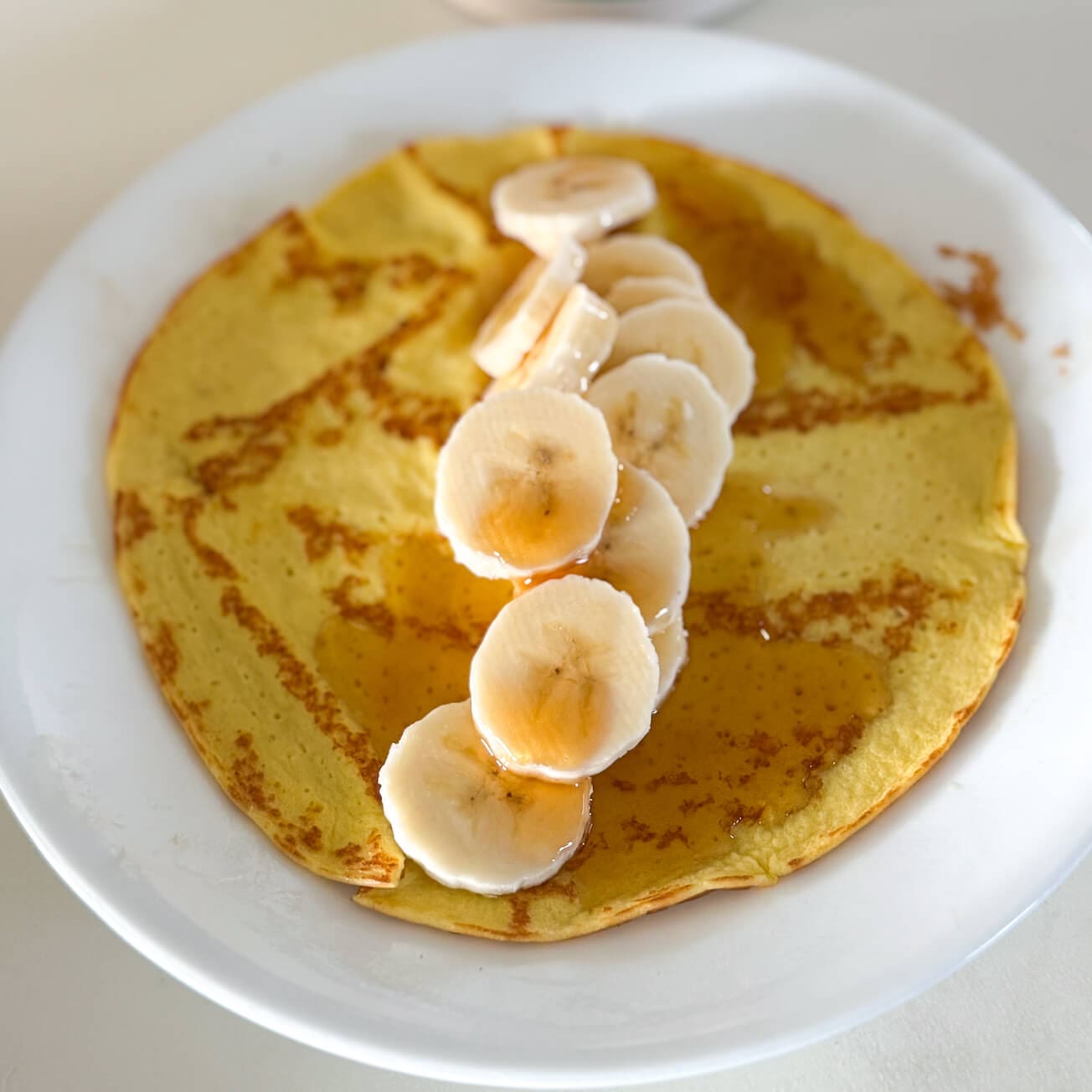
Serve pancakes warm. Top with fresh fruits like berries or banana slices. Drizzle with honey or maple syrup for sweetness. Add a dollop of Greek yogurt for extra protein. Sprinkle with nuts for a crunchy texture. Enjoy a balanced, nutritious breakfast. Perfect for starting your day with energy.
Variations And Add-ins
Adding variety to your cottage cheese high protein pancakes keeps breakfast exciting and boosts their nutritional value. You can easily customize these pancakes to suit your taste and dietary needs by mixing in different ingredients. Let’s look at some tasty options that you can try right away.
Fruits And Nuts
Fresh fruits like blueberries, strawberries, or sliced bananas bring natural sweetness and a burst of flavor to your pancakes. Adding nuts such as walnuts, almonds, or pecans gives a satisfying crunch and extra protein. Imagine biting into a pancake with juicy berries and crunchy nuts—doesn’t that sound delicious and healthy?
Try folding these in gently before cooking or sprinkle them on top after. You can also toast the nuts first to deepen their flavor. What fruit and nut combos excite your palate the most?
Protein Powders
If you want to increase the protein content even more, adding a scoop of protein powder is an easy fix. Choose flavors like vanilla or chocolate to complement the mild taste of cottage cheese. Mixing protein powder into the batter can make your pancakes more filling and help you stay energized longer.
Be careful not to add too much powder, or the texture might become dry. Start with a small amount and adjust according to your preference. Have you experimented with protein powders in your pancake recipes before?
Flavor Enhancers
Simple additions like cinnamon, vanilla extract, or lemon zest can transform your pancakes without extra calories. A pinch of cinnamon adds warmth, while vanilla extract gives a sweet aroma that enhances the overall taste. Lemon zest offers a fresh zing that brightens the flavor profile.
Don’t hesitate to mix and match these flavor enhancers to find your favorite combination. Sometimes, a little twist is all you need to make your breakfast stand out. What flavor boost would you try first?
Credit: skinnyfitalicious.com
Meal Timing And Benefits
Timing your meals can change how your body uses nutrients, especially protein. Cottage cheese high protein pancakes offer a flexible option that fits into different parts of your day. Understanding when to eat them can help you get the most from this tasty, protein-packed treat.
Pre-workout Fuel
Eating cottage cheese high protein pancakes before a workout gives your body a steady source of energy. The mix of protein and carbs helps keep your muscles ready and your stamina high. Have them about 60 minutes before exercising to avoid feeling heavy but still get enough fuel.
Think about your last workout—did you feel sluggish or energized? Changing your pre-workout meal to include these pancakes might improve your focus and power during training.
Post-workout Recovery
After exercise, your muscles need protein to repair and grow. These pancakes provide high-quality protein that jumpstarts recovery quickly. Pair them with some fruit or honey to replenish your energy and help your muscles bounce back faster.
Have you noticed how some snacks leave you feeling satisfied while others don’t? Choosing cottage cheese pancakes post-workout can help reduce muscle soreness and speed up healing.
All-day Muscle Support
Eating protein at regular intervals keeps your muscles nourished throughout the day. These pancakes make a great snack or meal any time you need a protein boost. Their balanced nutrients help maintain muscle mass, especially if you’re active or trying to lose weight.
Wonder how you can keep muscle energy consistent without constant snacking? Cottage cheese pancakes might be the answer to steady, effective muscle support all day long.
Credit: crystelmontenegrohome.com
Frequently Asked Questions
What Makes Cottage Cheese Pancakes High In Protein?
Cottage cheese is rich in casein protein, which boosts protein content. Combined with eggs and flour, it creates a protein-packed pancake.
Are Cottage Cheese Pancakes Suitable For Weight Loss?
Yes, they are low in carbs and high in protein. This combination supports muscle growth and helps control appetite during weight loss.
How To Make Cottage Cheese Pancakes Fluffy?
Use baking powder for fluffiness and whisk eggs until light. Let the batter rest for a few minutes before cooking.
Can I Use Low-fat Cottage Cheese In Pancakes?
Absolutely. Low-fat cottage cheese works well and reduces calorie content while maintaining high protein levels in your pancakes.
Conclusion
Cottage cheese high protein pancakes make a tasty, healthy choice. They keep you full longer and help build muscle. Simple ingredients come together for a quick breakfast. You can enjoy them any day of the week. Try adding fruits or nuts for extra flavor.
These pancakes fit well in a balanced diet. Give them a try and enjoy a fresh start!

Hi, I’m Daniel Brooks—a food lover and kitchen gear enthusiast. I enjoy testing cookware, utensils, and gadgets to see what really works in everyday cooking. At PlugChef.com, I share honest reviews, comparisons, and simple guides to help you choose the best tools for a safer, smarter, and more enjoyable kitchen.
Related posts:
 What Type of Cooking Utensils are Safe: Expert Picks
 What Innovations Could Blenders Make: Unleashing Future Tech
 Smart Strategies to Organize a Small Kitchen: Maximize Space
 How to Organize a Kitchen Cabinet: Expert Tips & Tricks
 How to Organize Kitchen Drawers: Expert Tips and Tricks
 How to Organize a Corner Kitchen Cupboard: Expert Tips

