
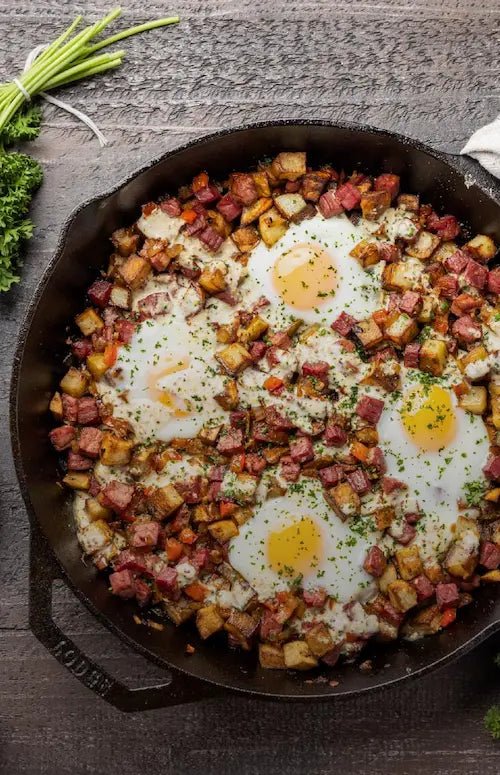
Few breakfast tools deliver consistent, flavorful results like a well-seasoned cast iron skillet—but only if you know how to avoid the most common pitfall: stuck-on egg residue that turns a quick breakfast into a 20-minute scrubbing session. If you’ve ever pulled a crispy-edged fried egg only to leave half the white in the pan, or struggled with gummy, uneven scrambled eggs, this updated 2026 guide eliminates guesswork with pro tips from test kitchens and daily cast iron users, so you can master cooking eggs in cast iron for non-stick, restaurant-quality results every morning.
Unlike PFOA-coated non-stick aluminum pans that degrade at high heat, cast iron retains temperature 2–3x longer than stainless steel, distributes heat evenly to avoid hot spots, and develops a naturally non-stick polymerized patina that improves with every use. It’s also oven-safe, so you can start eggs on the stovetop and finish them under the broiler for frittatas and omelets without switching pans. For home cooks looking for a durable, chemical-free breakfast workhorse, cast iron is an unmatched investment that will last for decades with proper care. For more on this, see our guide on cooking eggs cast iron skillet.
Choosing the Right Cast Iron Pan for Egg Cooking
The right pan makes all the difference for egg cooking, as size, weight, and base material impact heat retention, ease of use, and non-stick performance over time.
Size and Weight Considerations
Pick a pan size that matches your typical serving size: 8-inch skillets are ideal for 1–2 eggs, perfect for solo cooks or couples. 10-inch pans work for 2–3 eggs or small family breakfasts, while 12-inch skillets are best for 4+ servings or one-pan meals with sides. Weight matters too: heavier 3–5 lb pans retain heat better, reducing temperature fluctuations when you add cold eggs, but can be hard to maneuver for cooks with wrist strain. Lighter 2–3 lb cast iron heats faster but often has hot spots, so you’ll need to rotate the pan halfway through preheating to distribute heat evenly. Enameled cast iron is a low-maintenance option for cooks who don’t want to manage a seasoning layer, but it lacks the natural non-stick patina of raw cast iron, so you’ll need to use more fat to avoid sticking. For more on this, see our guide on cook eggs on cast iron.
Pre-Seasoned vs. Raw (Bare) Cast Iron
Pre-seasoned pans come with a factory-applied polymerized oil layer, so they’re ready to use out of the box and ideal for beginners. The initial layer is thin, though, so you’ll need to build up the patina with regular use, especially for egg cooking, to get reliable non-stick performance. Raw (unseasoned) cast iron has no factory coating, so you’ll need to apply 3–4 layers of seasoning before first use, but you can build a perfectly customized non-stick surface tailored to your cooking style. Vintage cast iron made before the 1960s has a smoother machined surface than modern mass-produced pans, so it’s often more non-stick for eggs out of the box if you find it at a thrift store.
Prepping Your Skillet for Non-Stick Egg Results
Proper pre-cooking prep is the difference between eggs that slide right out and a pan covered in stuck-on residue. Even a well-seasoned skillet will cause sticking if you skip these two critical steps. For more on this, see our guide on cook eggs in cast iron.
Building and Maintaining a Non-Stick Seasoning Layer
Seasoning is the process of polymerizing thin layers of oil on the cast iron surface to create a smooth, non-stick, rust-resistant barrier. For egg cooking specifically, use oils with high smoke points: avocado, grapeseed, or refined coconut oil work better than flaxseed (a common outdated recommendation), which can flake and chip over time with repeated heating. To build a base layer: coat the entire skillet (inside, outside, and handle) with a thin layer of oil, then wipe off all excess with a lint-free cloth—any puddles will turn sticky instead of polymerized. Bake upside down in a 450°F oven for 1 hour, turn off the oven, and let the pan cool completely inside to set the layer. Repeat 3–4 times for a strong base, then cook fatty foods like bacon or sausage 2–3 times to build up the patina faster for egg cooking. For brand-specific guidance, refer to Lodge's official cast iron care recommendations, as seasoning processes can vary slightly by manufacturer.
Pre-Cooking Skillet Prep (The Step Most People Skip)
Even a perfectly seasoned pan will cause sticking if you don’t prep it right before cooking. First, preheat the skillet on low-medium heat for 2–3 minutes to evaporate any residual moisture that can cause sticking when you add cold eggs. Next, add 1–2 tsp of your chosen fat (butter, oil, bacon grease) and swirl to coat the entire cooking surface, including the sides. Wait 30 seconds for the fat to warm through before adding eggs—cold fat will cause the eggs to seize and stick immediately. A common mistake is preheating the pan on high, which burns the fat and creates a sticky, bitter residue that coats the eggs. For more on this, see our guide on pink cast iron cookware set.
 Credit: littlespoonfarm.com
Crack eggs into a bowl first to avoid shell fragments and ensure even cooking.
Credit: littlespoonfarm.com
Crack eggs into a bowl first to avoid shell fragments and ensure even cooking.
Best Fats for Cooking Eggs in Cast Iron
The fat you choose impacts both non-stick performance and flavor, and the right choice depends on your cooking style and taste preferences.
Butter, Oil, and Fat Blends for Optimal Release and Flavor
Butter adds a rich, creamy flavor and helps eggs brown beautifully, but it has a low smoke point of 350°F, so it burns quickly if the pan is too hot. Neutral oils like avocado, canola, or grapeseed have smoke points over 500°F, so they won’t burn at medium heat and create a reliable barrier between the egg and the pan to prevent sticking. In practice, a 1:1 blend of butter and oil gives the best of both worlds: you get buttery flavor without the burn risk. For high-heat cooking to get extra-crispy fried egg edges, use pure avocado oil, which has the highest smoke point of any cooking oil. For more on this, see our guide on cast iron skillet flaxseed oil.
Bacon Grease, Lard, and Other Savory Fats
Saved bacon grease is a game-changer for breakfast eggs, as it adds a smoky, savory depth that neutral fats can’t match. It’s also already polymerized from previous cooking, so it boosts your pan’s seasoning layer as you cook. Lard works similarly, with a mild, rich flavor and a 370°F smoke point. Both fats are shelf-stable for 3–6 months in an airtight container in the fridge, so you can keep a jar on hand for quick breakfasts. For cooks avoiding saturated fats, use avocado oil and add a pinch of smoked paprika for a similar smoky flavor without the saturated fat content.
Temperature Control for Perfect Egg Texture
Cast iron’s high heat retention means small temperature adjustments have big impacts on egg texture. Too hot, and eggs burn or stick; too cold, and they cook unevenly or turn gummy.
The Low-Medium Heat Rule for All Egg Styles
For almost all egg cooking, preheat the skillet on low or medium-low (300–325°F for electric stoves, 2–3 on gas burners) for 2–3 minutes before adding fat. Adding cold eggs straight from the fridge causes temperature shock, which makes the proteins seize and stick, so let eggs sit at room temperature for 5 minutes before cooking for best results. Use an infrared thermometer for precision if you want consistent results: 325°F is the ideal temperature for fried and scrambled eggs, while 350°F works for omelets and frittatas. For food safety, always cook eggs until the whites are fully set and yolks reach 145°F for soft-cooked preparations, per USDA's safe egg cooking guidelines to avoid risk of salmonella.
Avoiding the #1 Overheating Mistake
If you see wisps of smoke coming from the pan, it’s over 400°F, which will burn the fat and damage your seasoning layer. Immediately move the pan to a cool burner, wipe out the burnt fat with a paper towel, let it cool for 2 minutes, then add fresh fat and reduce heat before adding eggs. Never preheat an empty cast iron pan on high, as this can warp the pan over time and create permanent hot spots.
Cooking Every Egg Style Perfectly in Cast Iron
Cast iron’s even heat makes it ideal for every egg style, from crispy fried eggs to fluffy scrambles and oven-baked frittatas.
Sunny-Side Up and Over-Easy Fried Eggs
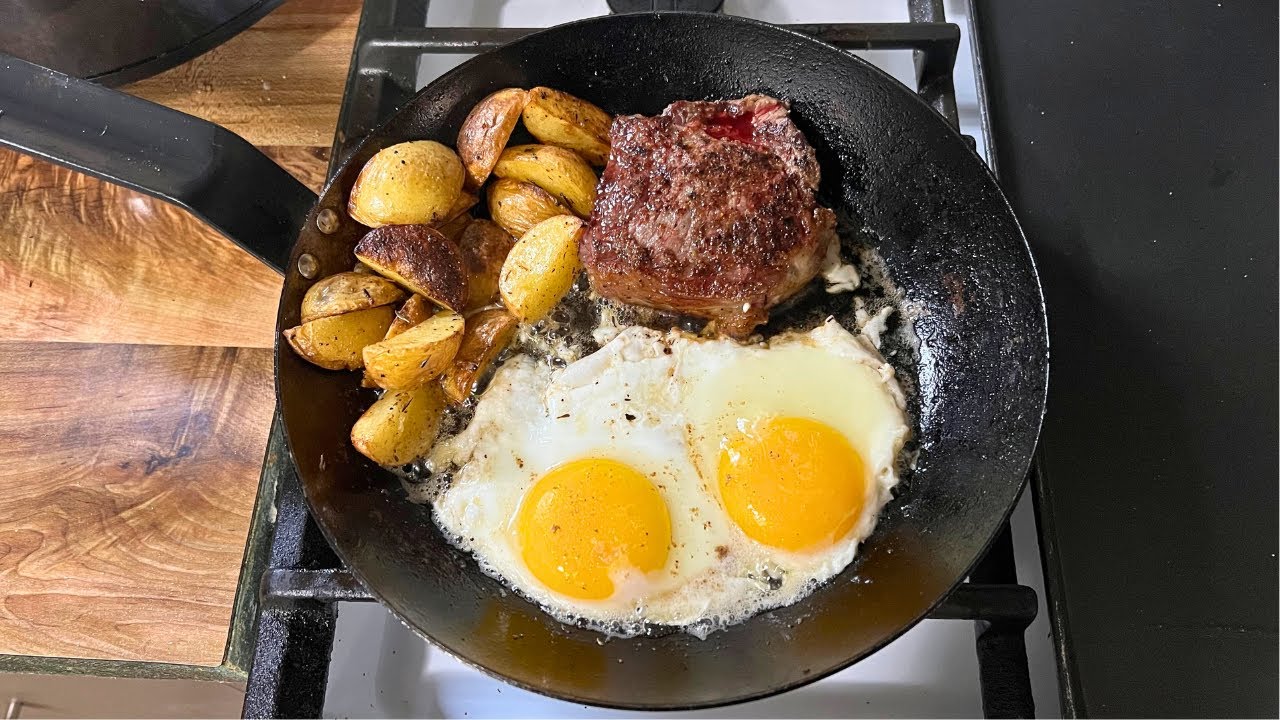
For crispy, lacy edges and a tender, runny yolk, add eggs to the prepped pan, then immediately reduce heat to low and cover with a lid for 1–2 minutes to steam the top of the white until it’s just set. For over-easy, flip carefully with a thin silicone spatula (to avoid scratching the seasoning) and cook 30 seconds more for a runny yolk, 1 minute for over-medium, or 2 minutes for over-hard. A common mistake is flipping too early: wait until the white is completely set around the edges before flipping, otherwise the yolk will break.
Fluffy, Creamy Scrambled Eggs
The low-and-slow method is key to avoiding rubbery, dry scrambled eggs. Whisk eggs with a pinch of salt and 1 tbsp of milk or cream per 2 eggs before adding to the pan. Stir gently every 10–15 seconds with a silicone spatula, scraping the bottom of the pan to prevent sticking. Remove from heat when the eggs are mostly set but still slightly glossy—they’ll finish cooking from residual heat, so you don’t end up with overcooked, dry eggs. For extra flavor, add a handful of shredded cheddar or fresh chives in the last 30 seconds of cooking.
Omelets and Frittatas (Stovetop to Oven)
Cast iron’s oven-safe design eliminates the need to transfer eggs to a separate baking dish for baked egg dishes. For omelets, pour beaten eggs into the prepped pan, let set for 1 minute, then add fillings (cheese, cooked veggies, diced meat) to one half, fold the other half over, and cook 1 more minute on low heat, or place under the broiler for 1 minute for a golden, puffed top. For frittatas, cook any raw fillings (diced potatoes, onions, peppers) in the pan first until tender, pour in beaten eggs mixed with cheese and herbs, then bake until set. The table below outlines cook times and temperatures for consistent results:
| Egg Style | Stovetop Cook Time | Oven Time (if applicable) | Ideal Heat Level |
|---|---|---|---|
| Sunny-side up | 2-3 minutes | None | Low (325°F) |
| Over-easy/over-medium | 3-4 minutes total | None | Low (325°F) |
| Scrambled | 3-5 minutes | None | Low-medium |
| Omelet | 3-4 minutes | 1 minute under broiler (optional) | Low-medium |
| Frittata | 5 minutes (stovetop) | 12-15 minutes at 375°F | Medium (350°F) |
 Credit: www.youtube.com
Cooking fried eggs on low-medium heat with a lid yields set whites and runny yolks without sticking.
Credit: www.youtube.com
Cooking fried eggs on low-medium heat with a lid yields set whites and runny yolks without sticking.
Troubleshooting Common Cast Iron Egg Cooking Issues
Even experienced cooks run into occasional issues with cast iron egg cooking. These fixes address the most common problems:
Sticking Eggs
Sticking is almost always caused by an under-seasoned pan, overheating, or insufficient fat. If your pan is new or recently restored, build 3–4 more layers of seasoning before cooking eggs. Preheat on low-medium, use 1–2 tsp of fat, and let the fat warm for 30 seconds before adding eggs. If eggs do stick, don’t scrape them—add a splash of water, let simmer for 30 seconds, and the residue will lift easily.
Uneven Cooking or Hot Spots
Thin, low-quality cast iron often has hot spots that cause some parts of the egg to cook faster than others. Preheat on low-medium for 2–3 minutes, rotating the pan halfway through to distribute heat evenly. For thin pans, use a heat diffuser to eliminate hot spots entirely.
Burnt or Rubbery Eggs
Burnt eggs come from cooking on too high heat, while rubbery eggs are a sign of overcooking. Stick to low-medium heat, and remove scrambled eggs from the pan when they’re still slightly glossy—they’ll finish cooking from residual heat. For fried eggs, use a lid to steam the top of the white instead of flipping multiple times, which can overcook the yolk.
Residue or Stuck-On Bits After Cooking
Clean the pan while it’s still warm (not hot, to avoid burns) using hot water and a stiff-bristled cleaning brush. For tough stuck bits, add ½ cup of water to the warm pan, bring to a simmer for 2 minutes, then scrape with the brush. The old "never use soap on cast iron" rule is outdated for modern, well-seasoned pans: mild dish soap will not strip polymerized seasoning, and it helps remove residual egg proteins that can cause sticking or off-flavors. Dry the pan thoroughly on low heat for 2 minutes, then apply a thin layer of oil to prevent rust.
Maintaining Your Cast Iron for Long-Term Non-Stick Performance
Proper care keeps your cast iron skillet smooth, non-stick, and rust-free for decades. Follow these simple steps after every use:
Daily Cleaning and Care
After cooking, while the pan is still warm, scrub with hot water and an abrasive scrub brush to remove all food bits. For stuck-on residue, use coarse kosher salt as a gentle abrasive—it won’t damage the seasoning. Never soak the pan for long periods, and never put it in the dishwasher. Dry completely on low heat for 2–3 minutes, then apply a micro-thin layer of oil to the entire surface (inside and out) to prevent rust. If you have young children in the kitchen, install cabinet safety latches to keep hot pans and cleaning supplies out of reach while you cook.
Re-Seasoning When Needed
If food starts sticking consistently, or you see small rust spots, it’s time to re-season. Wash the pan with hot water and a brush, dry completely, then coat with a thin layer of avocado oil, wiping off all excess with a paper towel (this step is critical—puddles of oil will turn sticky instead of polymerized). Bake upside down in a 450°F oven for 1 hour, with a foil-lined rack below to catch drips. Let cool completely in the oven before storing. For cooks who make eggs 3+ times a week, re-season every 2–3 months to maintain the non-stick surface. For renters who can’t drill into cabinets, no-drill cabinet locks are a simple, damage-free way to keep dangerous items out of little hands.
Boosting Flavor in Your Cast Iron Egg Breakfasts
Cast iron’s heat retention makes it perfect for building layered, complex flavors that you can’t get with other cookware.
Aromatics and Spices for Layered Flavor
Bloom aromatics and spices in the pan before adding eggs to infuse every bite with flavor. Start by heating fat in the skillet, then add diced onions, shallots, or garlic and cook for 2–3 minutes until soft and fragrant. Add spices like smoked paprika, cumin, or chili flakes for 30 seconds to release their oils, then add your eggs. The eggs will absorb all that aromatic flavor as they cook. For an umami boost, add a splash of soy sauce or a pinch of MSG to the eggs before cooking—cast iron’s even heat cooks them evenly without curdling.
One-Pan Breakfast Sides to Pair with Eggs
Cast iron’s oven-safe design lets you cook sides alongside eggs for a no-fuss, easy-cleanup breakfast. Try crispy breakfast potatoes (diced, cooked in the same pan for 15 minutes at 400°F before adding eggs), sautéed spinach or mushrooms, or roasted cherry tomatoes. All these sides pick up the pan’s seasoned flavor, so you only have one pan to wash. For easy brunch hosting, pair your cast iron eggs with a homemade charcuterie board using perfectly cut cheese slices for a balanced, impressive meal.
 Credit: www.reddit.com
Cast iron skillets let you cook eggs and sides together for a one-pan, easy cleanup breakfast.
Credit: www.reddit.com
Cast iron skillets let you cook eggs and sides together for a one-pan, easy cleanup breakfast.
Frequently Asked Questions
How do you prevent eggs from sticking in cast iron?
The three most common causes of sticking are an under-seasoned pan, overheating, or insufficient fat. Build 3–4 layers of seasoning on a new or restored pan, preheat on low-medium for 2–3 minutes before adding fat, and use 1–2 tsp of butter, oil, or bacon grease to coat the entire surface. Let the fat warm for 30 seconds before adding eggs, and avoid moving the eggs until the whites are fully set around the edges.
Is it safe to use soap on cast iron when cooking eggs?
Yes, the old "never use soap on cast iron" rule is outdated for modern, well-seasoned pans. Mild dish soap will not strip polymerized seasoning layers, and it helps remove residual egg proteins that can cause sticking or off-flavors. Just avoid abrasive scrubbers that can scratch the seasoning, and always dry the pan thoroughly after washing.
Can you cook eggs in enameled cast iron?
Yes, enameled cast iron (which has a glass-like coating over the metal) works well for eggs, but it lacks the natural non-stick patina of raw cast iron, so you’ll need to use more fat and avoid overheating to prevent sticking. It’s a great option for people who don’t want to maintain a seasoning layer, but raw cast iron will give you better non-stick results over time.
How long should eggs cook in cast iron?
Cook time varies by style and desired doneness: sunny-side up eggs take 2–3 minutes on low heat, over-easy takes 3–4 minutes total (including 30 seconds on the second side), scrambled eggs take 3–5 minutes with gentle stirring, and frittatas take 12–15 minutes in a 375°F oven. Always cook eggs until the whites are fully set for food safety.
Is cooking eggs in cast iron safe for daily use?
Yes, cast iron is completely safe for daily egg cooking. It adds a small, bioavailable amount of dietary iron to your food, which is beneficial for many people, especially those with iron deficiencies. Just maintain the seasoning layer and clean the pan properly after each use to prevent rust and off-flavors.
Can you cook eggs in a rusty cast iron pan?
No, avoid cooking eggs (or any food) in a pan with active rust, as rust can flake into your food and cause off-flavors. Restore the pan first by scrubbing off the rust with steel wool, washing with mild soap, drying thoroughly, then applying 3–4 layers of seasoning before cooking eggs again.
Conclusion
Mastering cast iron egg cooking comes down to three simple rules: build a solid seasoning layer, control your heat, and use enough fat. With these tips, you’ll never deal with stuck-on egg residue again, and you’ll get fluffy scrambles, crispy fried eggs, and evenly cooked frittatas every morning. If you’re still building your cast iron cookware collection, check out our blog for more easy breakfast hacks to simplify your morning routine, or browse our child safety resources to keep your cooking space secure for young kids. Ready to upgrade your morning routine? Grab your cast iron skillet tonight and try a perfect fried egg for breakfast tomorrow.

I’m Abby Lu, a passionate home cook who loves simplifying everyday meals. At PlugChef.com, I share product reviews and cooking guides to help you find the best tools for your kitchen.
Related posts:
 How to Make a Fruit Basket for a Gift: Easy DIY Guide
 Do You Need a Basket? Essential Guide for Air Fryers
 How to Adjust Syrup Dispenser Pressure: Expert Tips
 Appliance Play Food Kitchen Toys: Ignite Imaginative Play
 How Long Do Beauty Blenders Last: Expert Tips Unveiled
 Philips Kitchen Appliances Compact Pasta And Noodle Maker: Effortless Homemade Pasta

