
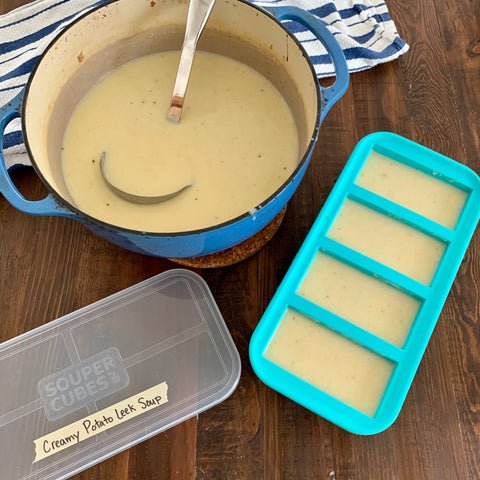
Potato soup is the ultimate cold-weather comfort food—rich, creamy, and perfect for meal prep or using up leftover spuds. But if you’ve ever pulled a container of frozen potato soup from the freezer only to find it grainy, separated, or watery, you’ve probably asked yourself: Can I freeze potato soup without ruining it? The short answer is yes, with a few small, tested tweaks to your prep, storage, and reheating process. Below, we’ll walk through exactly how to freeze potato soup to lock in flavor and texture, avoid common pitfalls, and reheat it to taste just as good as the day you made it.
Can You Freeze Potato Soup? The Short Answer
Yes, freezing potato soup is completely safe and a great way to reduce food waste and cut down on future meal prep time. Per USDA food safety guidelines, frozen potato soup stays safe to eat indefinitely when stored at 0°F (-18°C) or below, though it retains peak flavor and texture for 2 to 3 months. View full USDA freezing safety guidance here. The biggest changes you’ll notice after freezing are slight texture shifts from potatoes and potential separation from dairy—both of which are easy to prevent with the right prep steps.
How Potato Soup Ingredients Impact Freezing Success
Not all potato soup ingredients hold up equally well to freezing, so adjusting your recipe slightly will make a big difference in the final result.
Ingredients That Freeze Well
Starchy potato varieties like Russets or Yukon Golds hold their shape far better after freezing than waxy red potatoes, which release more moisture and turn grainy when thawed. Other freezer-friendly add-ins include:
- Aromatics like onion, celery, and carrot, which maintain their flavor and firmness
- Low-sodium broth or stock, which stays rich and adds depth without becoming overly salty (freezing concentrates salt, so low-sodium options are ideal)
- Cooked bacon, ham, or other pre-cooked meats, which retain their taste and texture
- Hardy fresh herbs like thyme, rosemary, and bay leaves, which infuse the soup with flavor as it thaws
- Plain cooked potatoes (if adding extra to your soup) that are slightly undercooked before freezing
Ingredients to Skip for Freezing
Some ingredients break down or separate badly when frozen and thawed, so it’s best to leave them out of your pre-frozen soup base:
- Dairy products (heavy cream, milk, sour cream, half-and-half) which separate and curdle as fat solidifies at freezer temperatures
- Soft cheeses (like cream cheese or goat cheese) which turn rubbery and grainy when thawed
- Leafy greens (spinach, kale, arugula) which turn mushy and lose their bright color and crunch
- Thickening agents like cornstarch or flour, which break down and make soup watery after thawing
- Raw potatoes, which develop ice crystals that rupture cell walls, leading to a grainy, watery texture
- Soft fresh herbs (parsley, chives, cilantro) which lose their bright flavor and turn brown when frozen
The good news? You can still include most of these ingredients by adding them fresh after you reheat the soup, which preserves their texture and flavor.
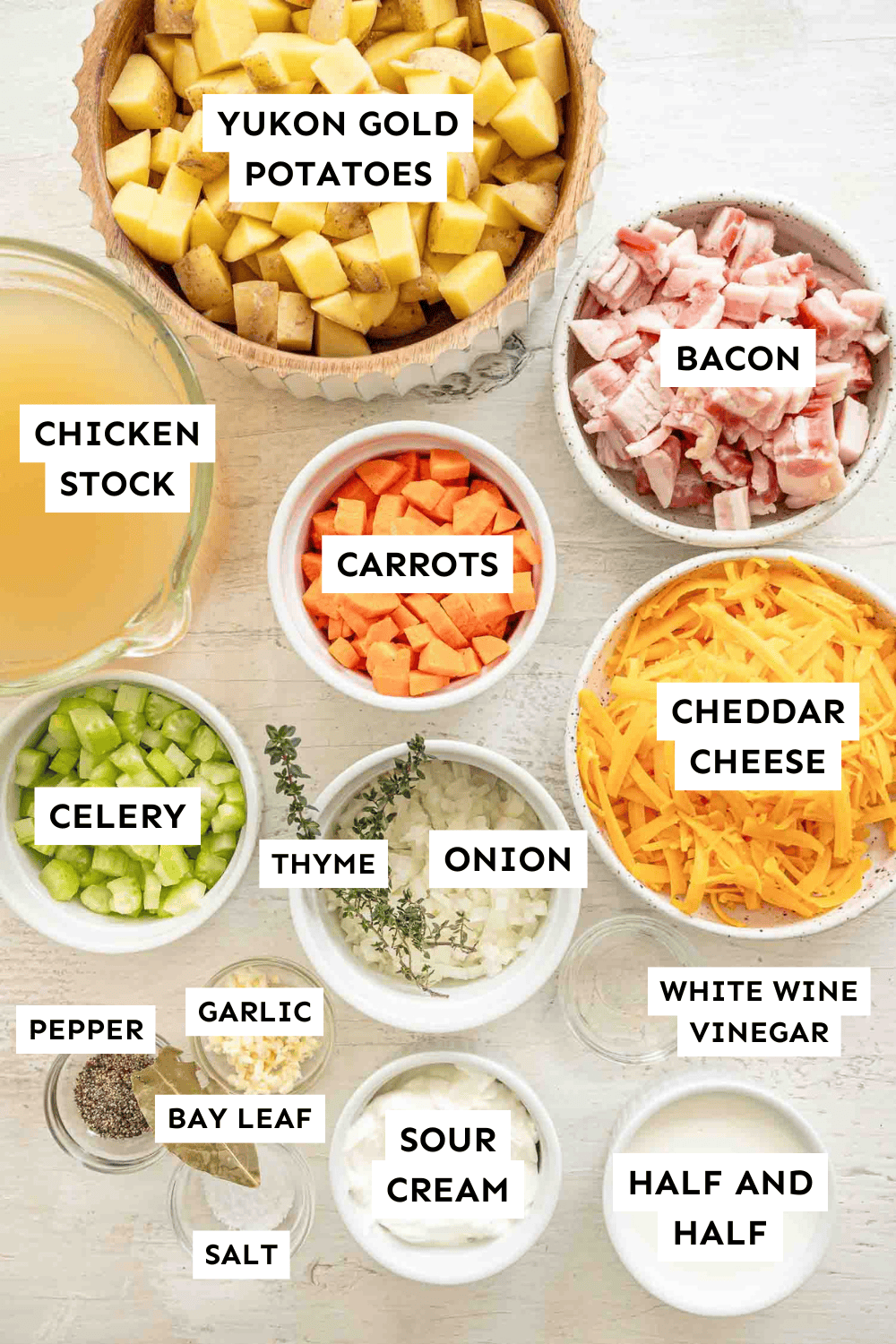 Credit: thrivinghomeblog.com
Fresh potatoes, cheddar cheese, bacon, and aromatics prepped for a creamy potato soup base.
Credit: thrivinghomeblog.com
Fresh potatoes, cheddar cheese, bacon, and aromatics prepped for a creamy potato soup base.
Step-by-Step Prep to Lock In Flavor and Texture
The way you prepare soup before freezing has a far bigger impact on its final quality than the freezing process itself. Follow these steps for consistent, delicious results every time.
Cool Soup Fully Before Freezing
Never place hot or warm potato soup directly in the freezer—this raises the internal temperature of your freezer, causing other items to partially thaw and increasing the risk of ice crystal formation on your soup. The USDA recommends not leaving perishable foods like soup at room temperature for more than 2 hours total (1 hour if your kitchen is above 90°F/32°C) to avoid bacterial growth. To cool soup quickly and safely: let it sit, uncovered, at room temperature for 20-30 minutes, stirring occasionally to release steam. If you’re short on time, place the pot in a sink filled with ice water, stirring gently every 5 minutes, to cut cooling time to 15-20 minutes. Once the soup is completely cool to the touch (below 70°F/21°C), it’s ready to portion and freeze. A common mistake is covering the pot while it cools, which traps steam and slows down the process—leave the lid off until it’s fully cooled.
Portion for Your Household’s Needs
Before you freeze, think about how you’ll use the soup later to avoid wasting pre-portioned servings. For single servings, pack 1 cup of soup per container; for family meals, 4-cup portions work best. If you’re using freezer bags, fill them with your desired portion size, squeeze out all excess air, and lay them flat to freeze—this saves freezer space and cuts thawing time in half. No matter what container you use, leave ½ inch of headspace at the top to allow the soup to expand as it freezes; filling containers to the brim will cause them to crack or leak. Once your soup is portioned, you’ll likely have pots, pans, and prep tools to tackle—a durable kitchen cleaning brush with handle makes quick work of stuck-on potato and vegetable residue.
Pick the Right Freezer-Safe Containers
The container you choose will directly impact how well your soup holds up in the freezer. Opt for one of these options for best results:
- BPA-free airtight plastic containers: Lightweight, stackable, and reusable, these are ideal for frequent meal preppers. Look for containers labeled "freezer-safe" to avoid cracking or leaking at low temperatures.
- Glass mason jars: Great for avoiding plastic waste, but be sure to leave ½ inch of headspace and avoid filling jars to the top, as liquid expands when frozen and can cause glass to break. Use wide-mouth jars for easier filling and thawing.
- Heavy-duty freezer bags: The most space-efficient option, perfect for crowded freezers. Squeeze out as much air as possible before sealing to prevent freezer burn, and lay bags flat to freeze for easy stacking.
- Vacuum-sealed bags: The gold standard for long-term storage, as they remove all air from the bag, eliminating ice crystal formation and freezer burn entirely.
Avoid thin plastic containers or regular zip-top bags, as they are not designed for freezer temperatures and will let in air, leading to spoiled-tasting soup.

Thawing and Reheating for Perfect Results Every Time
Even perfectly prepped frozen soup can turn out poorly if thawed or reheated incorrectly. Follow these steps to keep its creamy texture and bright flavor intact.
Safe Thawing Methods
Proper thawing is just as important as proper freezing to avoid foodborne illness and preserve texture. The USDA recommends thawing frozen soup in the refrigerator overnight, as this keeps the soup at a safe temperature (below 40°F/4°C) and prevents bacterial growth. If you’re short on time, you can skip thawing entirely and reheat frozen soup directly on the stove over low heat, stirring frequently and adding a splash of broth to reach your desired consistency. Avoid thawing soup on the countertop at room temperature, as it can sit in the "danger zone" (40°F-140°F/4°C-60°C) for too long, increasing the risk of foodborne illness. If you need to thaw soup quickly, use your microwave’s defrost setting in 30-second bursts, stirring between each burst to ensure even thawing. If you have young children in the home, store frozen soup portions on an upper shelf out of reach, and use child-proof drawer locks with no screws on lower freezer drawers to prevent accidental access to frozen items or hot soup during reheating.
Reheating Without Grainy or Separated Texture
The way you reheat frozen potato soup will make or break its final texture. Follow these tips for best results:
- Reheat on the stovetop over low to medium heat, stirring frequently to prevent potatoes from breaking down into mush and dairy from curdling. If you frozen the base without dairy, add your cream, milk, or sour cream in the last 2 minutes of reheating, stirring constantly to keep the mixture smooth.
- If your soup has separated after thawing, use an immersion blender to re-emulsify it back to a smooth, creamy consistency. This works for both fully pureed and chunky potato soups.
- For chunky soups with whole potato and vegetable pieces, simmer on low for 5-7 minutes to warm through without overcooking the vegetables.
- When reheating in the microwave, heat in 1-minute intervals, stirring between each, to avoid hot spots that can scorch the soup or cause dairy to separate. Cover the bowl with a microwave-safe lid or paper towel to prevent splatters.
- If the soup is too thick after thawing, add a splash of low-sodium broth or water to reach your desired consistency.
After reheating, wipe up any splatters with a sturdy kitchen cleaning scrub brush to avoid sticky residue on countertops or stove tops.
Refresh Seasonings After Thawing
Freezing dulls the bright, bold flavors of herbs, salt, and spices, so always taste your soup before serving and adjust as needed. A pinch of black pepper, a squeeze of fresh lemon juice, or a sprinkle of grated Parmesan can wake up muted flavors without overpowering the potato base. If you prefer a herb-forward soup, add fresh chives, parsley, or dill right before serving to add a pop of color and freshness. A dash of hot sauce or Worcestershire sauce is also a great way to add depth if your soup tastes flat after thawing.
Troubleshooting Common Freezer Issues
Even with perfect prep, you may run into small issues with frozen potato soup. Here’s how to fix them, and avoid them in the future:
Watery soup after thawing
Cause: You added too much broth before freezing, or ice crystals ruptured potato cell walls, releasing excess moisture. Fix: Simmer the soup uncovered over low heat for 5-10 minutes to evaporate excess liquid. For future batches, freeze soup slightly thicker than your desired final consistency, as it will thin slightly when reheated.
Grainy or mushy potato texture
Cause: You used waxy red potatoes, or overcooked potatoes before freezing. Fix: Use an immersion blender to smooth out the texture, or stir in a splash of heavy cream and 1 tablespoon of softened cream cheese to bind the mixture. For future batches, undercook potatoes by 1-2 minutes before freezing, as they will continue to cook when reheated.
Separated or curdled dairy
Cause: You froze soup with dairy already added, or reheated it too quickly over high heat. Fix: Whisk in a small cornstarch slurry (1 tsp cornstarch mixed with 1 tbsp cold water) while reheating over low heat to re-emulsify the mixture. For future batches, always add dairy after reheating, never before freezing.
Freezer burn on the surface
Cause: Air got into the container or bag, causing ice crystals to form on the soup’s surface. Fix: Scrape off the top freezer-burned layer—the soup underneath is still safe to eat. For future batches, remove as much air as possible from freezer bags, use airtight containers, and store soup for no longer than 3 months for best quality. If you need to re-emulsify separated soup in a blender, a professional-grade kitchen cleaning brush will make cleaning the blender jar far easier after use.
Pro Tips for Long-Term Storage and Flavor Retention
To get the most out of your frozen potato soup, follow these extra tips:
- Use a "first in, first out" system: label all portions with the date frozen, and rotate older batches to the front of your freezer to use first.
- Never refreeze thawed soup: once thawed, store it in the refrigerator and use it within 3-4 days.
- Add a single sprig of fresh thyme or a dried bay leaf to each container before freezing—it will infuse the soup with subtle flavor as it thaws, no extra seasoning needed.
- For busy households, pre-portioned frozen potato soup is a lifesaver on hectic weeknights, and a complete kitchen cleaning brush set cuts down on post-meal cleanup time significantly. For more meal prep inspiration, browse our library of quick and easy dinner recipes to pair with your frozen potato soup. If you have young kids in the home, install kitchen safety locks for kids on lower cabinets to keep them away from hot soup or cleaning supplies stored out of sight.
According to the University of Minnesota Extension, most creamy and broth-based soups maintain their best quality for 2 to 3 months in the freezer, after which flavor and texture may start to decline gradually. Explore their full guide to freezing soups and stews.
 Credit: heidishomecooking.com
Fresh toppings added after reheating restore brightness and texture to frozen potato soup.
Credit: heidishomecooking.com
Fresh toppings added after reheating restore brightness and texture to frozen potato soup.
Frequently Asked Questions
Can I freeze homemade potato soup safely?
Yes, homemade potato soup is completely safe to freeze as long as you follow proper food safety guidelines. Cool the soup completely before storing it in airtight, freezer-safe containers, and freeze for up to 3 months for peak quality. Per USDA guidance, the soup will remain safe to eat indefinitely if kept at 0°F (-18°C) or below, though flavor and texture will decline after 3 months.
How long does frozen potato soup last in the freezer?
Frozen potato soup retains its best flavor and texture for 2 to 3 months, per guidance from the University of Minnesota Extension. While it remains safe to eat indefinitely when stored at 0°F (-18°C) or below, you may notice gradual declines in quality, such as watery texture or muted flavor, after the 3-month mark.
How do I reheat frozen potato soup properly?
For best results, thaw the soup in the refrigerator overnight, then reheat on the stovetop over low to medium heat, stirring frequently to prevent sticking and texture changes. If you’re short on time, you can reheat frozen soup directly from the freezer on the stove, adding a splash of broth to thin it as it warms. Avoid boiling the soup, as high heat will cause potatoes to break down into mush and dairy to curdle. Microwaving works for single servings: heat in 1-minute intervals, stirring between each, to ensure even warming.
Does freezing affect potato soup texture?
Yes, freezing can cause minor texture changes in potato soup, primarily from ice crystals rupturing potato cell walls and dairy separating during thawing. These changes are easy to mitigate: use starchy potatoes, undercook them slightly before freezing, skip adding dairy before freezing, and reheat gently over low heat. If the soup turns grainy after thawing, an immersion blender will smooth it back out to a creamy consistency.
Can I freeze potato soup with dairy?
It’s not recommended to freeze potato soup with dairy (heavy cream, milk, sour cream, cheese) already added, as dairy tends to separate and curdle when frozen and thawed. For best results, freeze the plain potato and vegetable base, then add your dairy of choice after reheating for a smooth, creamy texture. If you do accidentally freeze soup with dairy, you can re-emulsify it by whisking in a small cornstarch slurry while reheating over low heat.
Can I freeze potato soup with cheese?
Yes, but with caveats. Shredded hard cheeses (like cheddar or Parmesan) hold up better to freezing than soft cheeses (like cream cheese or goat cheese), which turn rubbery when thawed. For best results, freeze the soup base without cheese, then stir in shredded cheese after reheating, letting it melt into the soup for a smooth, creamy texture.
Conclusion
Freezing potato soup is a simple, effective way to cut down on meal prep time, reduce food waste, and have a comforting, ready-to-eat meal on hand for busy days. By cooling your soup fully before freezing, portioning it into airtight containers, skipping dairy and thickeners in the pre-frozen base, and reheating gently, you can preserve almost all of the fresh, creamy flavor and texture of homemade potato soup. Avoid common pitfalls like freezing soup with dairy, filling containers to the brim, or thawing on the countertop, and you’ll enjoy perfectly textured soup every time. Ready to simplify your meal prep even more? Check out our full collection of easy cooking guides and kitchen hacks for more time-saving tips for your kitchen.

I’m Abby Lu, a passionate home cook who loves simplifying everyday meals. At PlugChef.com, I share product reviews and cooking guides to help you find the best tools for your kitchen.
Related posts:
 What Oil to Use on Cutting Board: Best Options Revealed
 Is Teak Wood Good for Cooking Utensils: Discover Benefits
 How to Cut Skirt Board for Stair: Expert Tips & Techniques
 Can I Put Wood Cutting Board in Dishwasher? Essential Tips
 First Aid Kit Supplies Refills: Essential Items You Must Restock
 10 Person First Aid Kit: Essential Gear for Emergencies

