
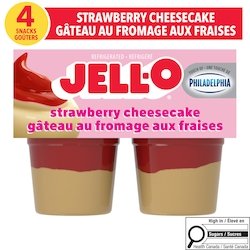
Have you ever tossed half-eaten pudding cups in the trash, or wished you had grab-and-go snacks prepped for busy weeks? Freezing pudding cups seems like a simple fix for waste and meal prep, but many home cooks worry about ruining the creamy texture or risking foodborne illness in the process. This guide covers everything you need to know to freeze pudding cups safely, minimize texture changes, and pick the best varieties for freezing, with step-by-step instructions and expert food safety guidance.
Is Freezing Pudding Cups Actually Safe?
As with all perishable foods, freezing pudding cups carries minimal food safety risk when handled correctly, per official USDA guidance for thawing frozen dairy products. The freezing process inhibits bacterial growth, so properly stored pudding cups remain safe to eat for months. The only major risks come from improper thawing (such as leaving cups at room temperature for extended periods) or cross-contamination during prep, both of which are easy to avoid with basic food safety practices. If you’re prepping pudding cups as grab-and-go snacks for little ones, pair them with toddler-safe cabinet latches to keep perishable treats out of reach when not supervised.
Which Pudding Types Freeze Best?
Not all puddings hold up equally well to freezing, and picking the right variety is the first step to avoiding disappointing, grainy results after thawing. Use the table below to check how your favorite pudding type will perform in the freezer:
| Pudding Type | Freeze Suitability | Expected Post-Thaw Texture | Notes |
|---|---|---|---|
| Custard-based (vanilla, chocolate, butterscotch) | Excellent | Mostly smooth, minor graininess possible | Best choice for freezing, holds flavor well even after 2 months |
| Gelatin-based (fruit, lime, strawberry) | Excellent | Firm, bouncy, minimal texture change | Retains shape perfectly, ideal for make-ahead lunchbox snacks |
| Dairy-free (coconut, oat, almond milk) | Very Good | Smooth, minor separation possible | Less whey separation than cow’s milk puddings, great for vegan options |
| Rice or tapioca pudding | Fair | Slightly gummy, softer grains | Freeze only if you prefer softer texture, not recommended for crisp grain lovers |
| Mousse or whipped cream-based pudding | Poor | Watery, separated, icy | Air bubbles and dairy fat separate drastically when frozen, avoid freezing |
| Pudding with fresh fruit or crunchy mix-ins | Fair | Soggy mix-ins, muted fruit flavor | Add fresh toppings only after thawing for best results |
A common mistake home cooks make is assuming all pudding varieties freeze the same. In practice, homemade custard pudding cups freeze better than many store-bought varieties with added stabilizers, as commercial brands often contain ingredients that separate more noticeably when thawed. Avoid freezing puddings with large amounts of fresh fruit, whipped cream, or crunchy cookie crumbles, as these ingredients turn mushy or icy in the freezer.
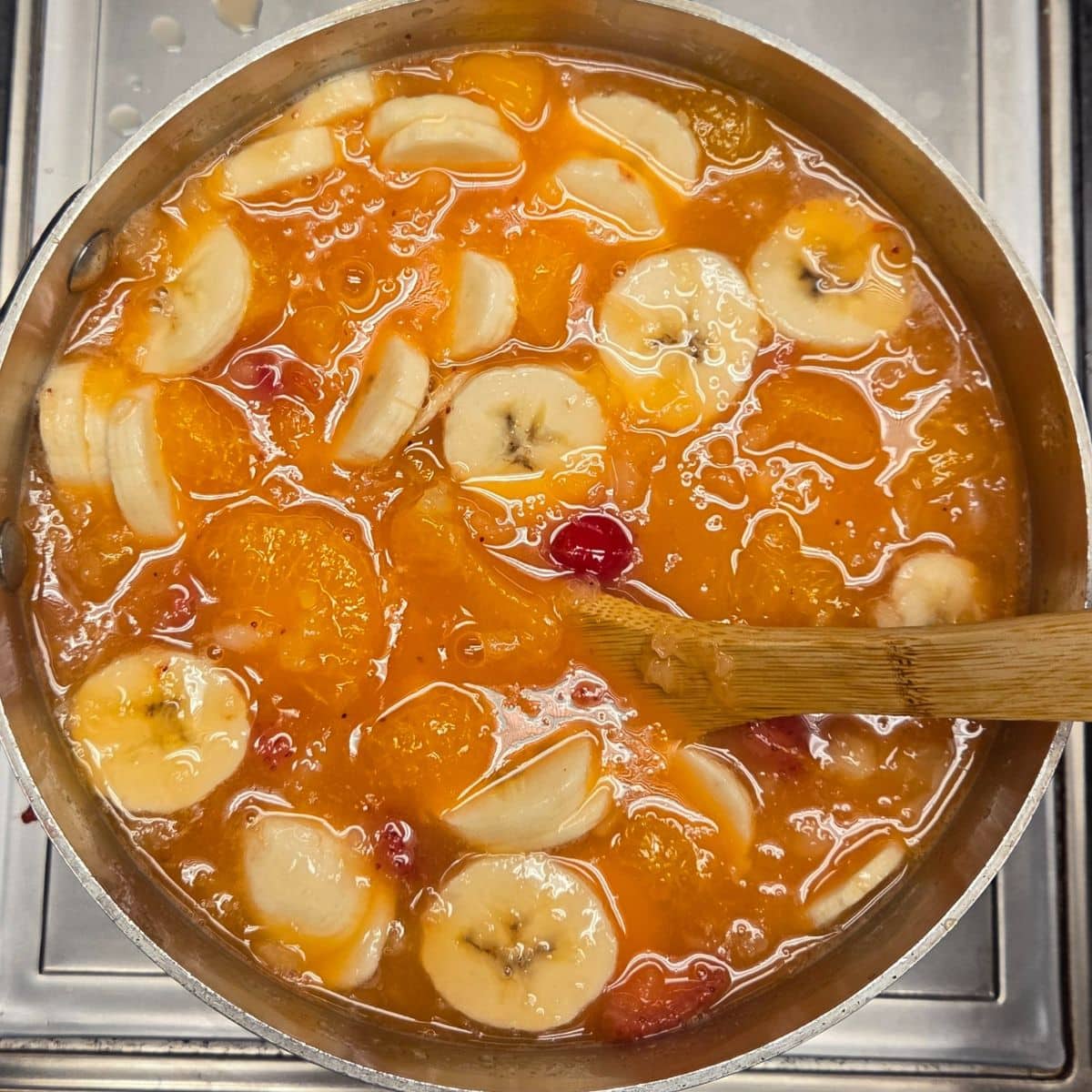 Gelatin-based fruit pudding cups are one of the best varieties for freezing, as they retain their shape and texture after thawing
Credit: momsdinner.net
Gelatin-based fruit pudding cups are one of the best varieties for freezing, as they retain their shape and texture after thawing
Credit: momsdinner.net
How Freezing Impacts Pudding Texture & Flavor
Freezing creates small ice crystals from the liquid content in pudding, and the size of these crystals depends entirely on how fast you freeze the cups. Slow freezing (such as storing cups in the freezer door, where temperatures fluctuate) creates large, sharp crystals that pierce the starch and protein structure of the pudding, leading to grainy, watery texture after thawing. Fast, even freezing creates tiny, unobtrusive crystals that cause minimal texture damage.
Flavor changes are usually mild for most puddings, but delicate flavors like lemon, raspberry, or coconut may fade slightly after extended storage. Strong, bold flavors like chocolate, butterscotch, or maple remain almost identical to fresh. Dairy-based puddings may also experience slight whey separation, where clear liquid pools at the top of the cup after thawing — this is normal and can be fixed by stirring.
Step-by-Step Guide to Freezing Pudding Cups
Proper prep is the difference between perfectly creamy thawed pudding and a disappointing, icy mess. Follow these steps for consistent results:
- Prep the cups first: Remove all perishable toppings, including whipped cream, fresh fruit, crunchy cookie crumbles, and sprinkles, which will turn soggy or icy in the freezer. If you’re freezing store-bought pudding cups still in their original plastic packaging, you can leave them sealed, but for best results, remove the lid, press a piece of plastic wrap directly onto the pudding surface to prevent freezer burn, then reseal the lid tightly.
- Package for airtight storage: Transfer cups to airtight plastic or glass containers, or heavy-duty freezer bags. Squeeze out as much excess air as possible to avoid freezer burn, and leave ½ inch of headspace at the top of containers to account for liquid expansion during freezing.
- Label and date: Write the type of pudding and freeze date on the container lid with a permanent marker. For a reusable option, write dates on an engraved wooden cutting board you keep dedicated to freezer storage.
- Freeze in the coldest spot: Place cups in a single layer in the back of your freezer, where temperatures stay most consistent (avoid the door, where temps fluctuate every time you open it). Freeze for at least 4 hours before stacking other items on top.
If you’re prepping snacks for kids or meal prep for the week, portion pudding into individual containers to avoid thawing more than you need at once.
Ideal Freezer Settings & Storage Timeframes
The FDA recommends maintaining home freezers at 0°F (-18°C) to safely preserve all perishable foods, including dairy-based puddings, for extended periods without spoilage, per official federal food safety guidelines. If your freezer doesn’t have a built-in thermometer, pick up an inexpensive standalone gauge to confirm temperatures are consistent, especially if you store large amounts of food at once.
For peak quality:
- Homemade pudding cups without preservatives: 1 month maximum
- Store-bought pudding cups with added stabilizers: 1–2 months maximum
Pudding cups stored beyond these timeframes are still safe to eat if they show no signs of spoilage, but you will notice significant flavor fading and texture degradation.
Safe Thawing Methods to Avoid Texture Loss & Foodborne Illness
Improper thawing is one of the most common causes of ruined pudding cups and food safety risks. A frequent misconception is that frozen pudding cups can be thawed on the countertop for speed, but this raises the internal temperature of the dairy into the 40°F–140°F bacterial "danger zone" where bacteria multiply rapidly, per USDA guidance. Stick to one of these two safe methods:
- Refrigerator thawing (best for quality): Move frozen pudding cups to the refrigerator 8–12 hours before you plan to eat them (usually the night before works for individual cups). This slow, controlled thaw preserves the creamy texture and keeps the pudding at a safe temperature below 40°F.
- Cold water thawing (for faster results): Seal pudding cups in a waterproof plastic bag to prevent water from seeping in, then submerge in a bowl of cold water. Change the water every 30 minutes to keep it cold, and the cups will thaw in 1–2 hours total.
Once thawed, consume pudding cups within 24 hours for the best flavor and safety. Do not refreeze thawed cups, as this will ruin texture and increase bacterial risk.
Pro Tips to Minimize Texture Changes After Thawing
Even with perfect prep, thawed pudding may have minor texture changes that are easy to fix with these simple tricks:
- Stir thawed pudding gently but thoroughly for 30–60 seconds to re-emulsify separated dairy and restore a smooth consistency.
- If the texture is too thin or grainy, blend briefly with an immersion blender for 10 seconds to break up ice crystals.
- For overly thin pudding, stir in 1 teaspoon of heavy cream or a cornstarch slurry (mix 1 tsp cornstarch with 1 tsp cold water first to avoid lumps) to thicken it back to its original consistency.
- Always add fresh toppings (whipped cream, fresh fruit, cookie crumbles) right before serving to avoid sogginess.
Wipe down all prep surfaces with a heavy-duty kitchen scrub brush after handling dairy-based puddings to avoid cross-contamination with other foods.
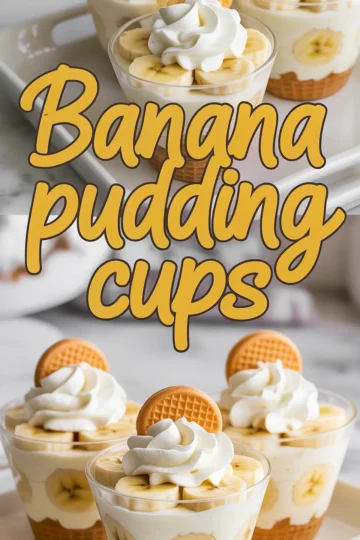 Dairy-based banana pudding cups may separate slightly after thawing, but gentle stirring restores their smooth, creamy consistency
Credit: emmascakestudio.com
Dairy-based banana pudding cups may separate slightly after thawing, but gentle stirring restores their smooth, creamy consistency
Credit: emmascakestudio.com
Common Freezing Mistakes to Avoid
Even experienced home cooks make these common errors that ruin pudding cups:
- Skipping the plastic wrap layer: Failing to press plastic wrap directly onto the pudding surface before sealing the container leads to freezer burn on the top layer that can’t be fully reversed after thawing.
- Freezing in the door of the freezer: Temperatures in the door fluctuate every time you open the freezer, causing ice crystals to form and melt repeatedly, which damages the pudding’s texture.
- Thawing at room temperature: As mentioned earlier, this creates a food safety risk and leads to soggy, unevenly thawed pudding with watery edges.
- Freezing puddings with non-freezable mix-ins: Fresh berries, wafer cookies, and soft candies turn mushy or icy in the freezer. Add these only after thawing for the best texture.
- Refreezing thawed pudding: Each freeze-thaw cycle breaks down the starch and protein structure of the pudding, leading to a watery, grainy texture and increased bacterial risk. Freeze in single-serve portions upfront to avoid leftovers.
- Not cleaning containers before use: Leftover food residue or soap scum on storage containers can introduce off-flavors to your pudding. Always wash and dry containers thoroughly with a professional kitchen cleaning brush before filling to avoid this issue.
If you’re storing frozen pudding cups in a bottom freezer drawer accessible to young children, add no-screw drawer locks to prevent unsupervised access to frozen treats.
 Custard-based pudding cups with crunchy mix-ins freeze best when you add the cookie topping only after thawing to avoid sogginess
Credit: www.kyleecooks.com
Custard-based pudding cups with crunchy mix-ins freeze best when you add the cookie topping only after thawing to avoid sogginess
Credit: www.kyleecooks.com
Frequently Asked Questions
Can you freeze homemade pudding cups safely?
Yes, homemade pudding cups freeze just as safely as store-bought versions, as long as you follow standard food safety protocols. Homemade puddings without preservatives will stay at peak quality for up to 1 month in the freezer, slightly shorter than commercial varieties with added stabilizers.
Can you freeze pudding cups in their original packaging?
Unopened, sealed store-bought pudding cups can be frozen directly in their original packaging, but for best results, remove the lid, press a piece of plastic wrap directly onto the pudding surface to prevent freezer burn, then reseal the lid. Opened cups should be transferred to airtight containers or heavy-duty freezer bags to avoid air exposure.
What happens if you thaw pudding cups at room temperature?
Thawing at room temperature raises the internal temperature of the pudding into the 40°F–140°F bacterial "danger zone," where pathogens multiply rapidly, increasing the risk of foodborne illness. It also leads to soggy, unevenly thawed pudding with watery edges. Always thaw in the refrigerator or cold water instead.
Can you refreeze thawed pudding cups?
No, refreezing thawed pudding cups is not recommended. Each freeze-thaw cycle breaks down the protein and starch structure of the pudding, leading to watery, grainy texture, and also increases bacterial growth risk. Freeze pudding in single-serve portions upfront to avoid leftovers.
What should you do if thawed pudding has separated or turned grainy?
Gently stir the pudding thoroughly for 30–60 seconds to re-emulsify separated dairy. If it remains grainy, blend briefly with an immersion blender for 10 seconds, or stir in 1 teaspoon of heavy cream or a cornstarch slurry (1 tsp cornstarch mixed with 1 tsp cold water) to restore a smooth, creamy consistency.
Final Verdict: Is Freezing Pudding Cups Worth It?
Freezing pudding cups is a safe, effective way to reduce food waste, prep make-ahead snacks, and keep a sweet treat on hand for busy weeks. While minor texture changes are inevitable for most pudding varieties, following the steps above will minimize graininess and separation, especially for sturdy custard and gelatin-based options. Avoid freezing whipped-topping or fresh-fruit-heavy puddings if you prioritize a perfect fresh texture, and always adhere to safe thawing guidelines to avoid foodborne illness. For an easy family dessert, pair thawed pudding cups with pre-sliced charcuterie cheese and fresh fruit for a no-fuss spread. For more tested kitchen storage hacks, kid-friendly snack ideas, and guides to keeping your kitchen safe and organized, browse our full blog library for expert, easy-to-follow guidance.

I’m Abby Lu, a passionate home cook who loves simplifying everyday meals. At PlugChef.com, I share product reviews and cooking guides to help you find the best tools for your kitchen.
Related posts:
 Seville Expandable Cabinet And Pantry Organizer: Space Savior
 Glideware Pull Out Cabinet Organizer for Pots & Pans: Space Saver
 Small 3-Tier Shelf Organizer: Maximize Space Effortlessly
 Trader Joe’S Spicy Lentil Wrap: Delicious, Healthy, and Quick Meal!
 Easy Way to Peel Pumpkin: Quick Tips for Effortless Prep
 How Long Do Grapes Last: Ultimate Freshness Guide Revealed

