
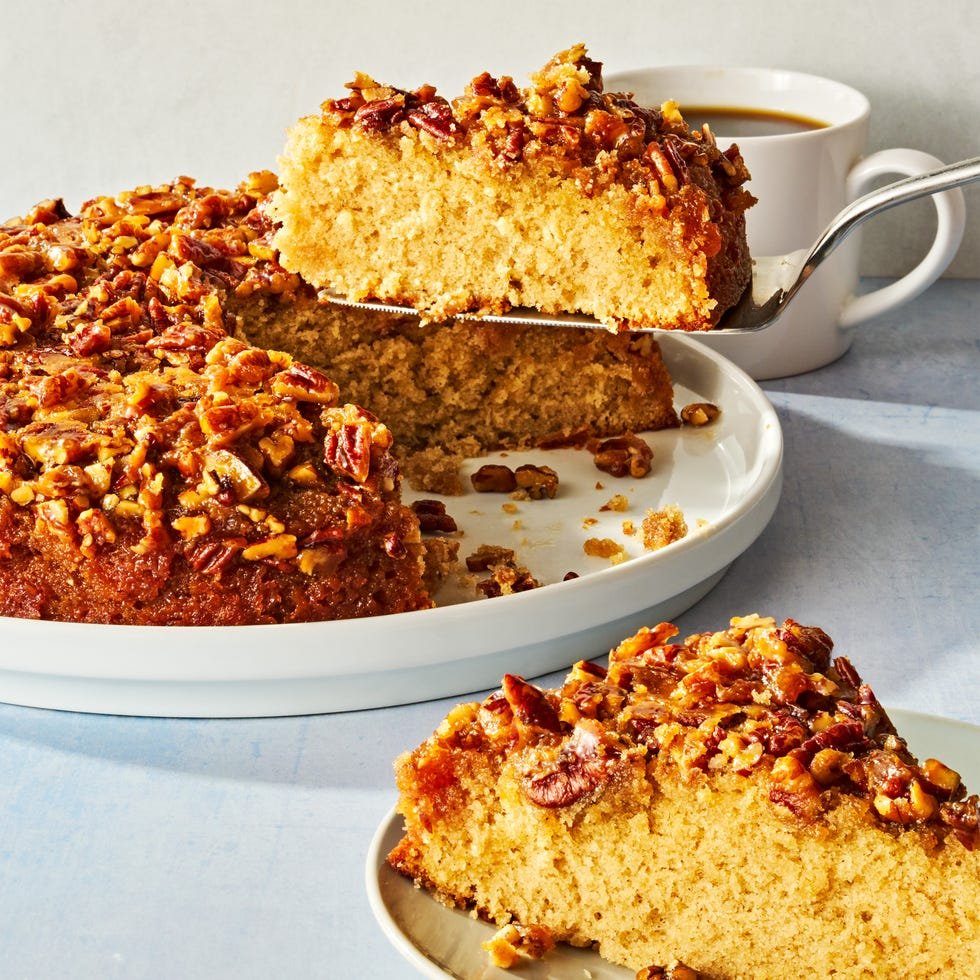
Imagine biting into a dessert that combines the rich, nutty flavor of pecan pie with the soft, moist texture of cake—all flipped upside down for a delightful surprise. If you love pecan pie but want to try something new and exciting, this Pecan Pie Cake Upside Down recipe is made just for you.
It’s easy to make, irresistibly delicious, and perfect for impressing your family and friends. Keep reading, and you’ll discover how to create this mouthwatering treat that will quickly become your new favorite dessert.
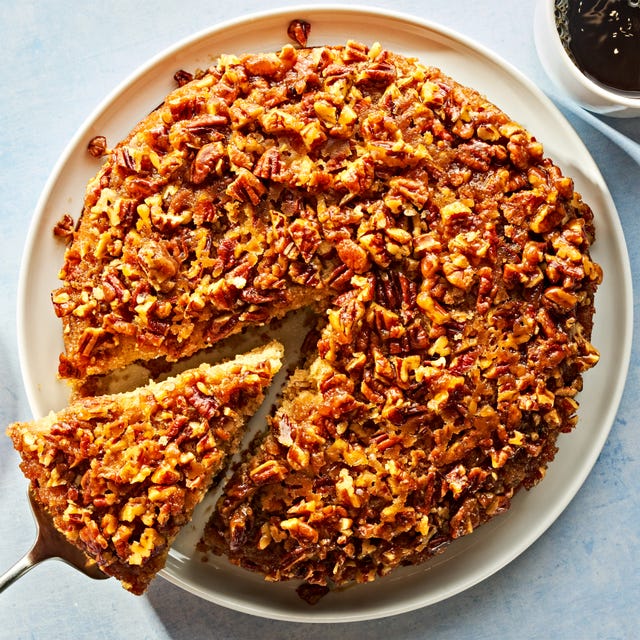
Credit: www.delish.com
Pecan Pie Cake Upside Down Basics
The Pecan Pie Cake Upside Down is a delightful twist on two classic desserts. It combines the rich, nutty flavor of pecan pie with the moist, tender crumb of a cake. Understanding the basics will help you create this delicious treat with confidence and ease.
Key Ingredients
- Pecans:Fresh or toasted pecans add crunch and that signature nutty taste.
- Brown sugar:This is essential for the caramelized topping that makes the cake irresistible.
- Butter:Use unsalted butter to control the saltiness and enrich the flavor.
- Eggs:They provide structure and moisture to the cake.
- Flour:All-purpose flour works best to give the cake a tender crumb.
- Vanilla extract:Just a splash enhances the sweetness and depth.
- Corn syrup or honey:These add that gooey, sticky texture reminiscent of classic pecan pie.
Have you ever wondered why the topping always sticks perfectly to the cake when flipped? The right balance of sugar and butter in the topping is key. It creates a glossy, sticky layer that’s both beautiful and delicious.
Essential Tools
- Oven-safe skillet or cake pan:A heavy-bottomed pan helps distribute heat evenly.
- Mixing bowls:Several sizes for combining ingredients smoothly without mess.
- Spatula:Flexible for spreading the topping evenly and folding batter gently.
- Measuring cups and spoons:Accurate measurements keep your cake consistent every time.
- Wire rack:Allows the cake to cool properly and prevents sogginess.
When I first made this cake, I used a regular baking dish instead of an oven-safe skillet. The heat didn’t distribute evenly, and the topping didn’t caramelize right. This taught me that the right tools are not just nice to have—they make or break your final result.
Preparing The Pecan Topping
Preparing the pecan topping sets the tone for a delicious Pecan Pie Cake Upside Down. This topping adds a rich, crunchy layer that complements the moist cake below. The key lies in selecting the best pecans and creating a smooth caramel glaze. These elements work together to create a perfect balance of flavors and textures.
Choosing The Right Pecans
Pick fresh, whole pecans for the best taste and crunch. Avoid pecans that look shriveled or have dark spots. Roasted pecans add a deeper flavor, but raw pecans work well too. Lightly chopping the nuts helps them spread evenly over the cake. This way, every bite has a satisfying nutty crunch.
Making The Caramel Glaze
The caramel glaze binds the pecans and adds a sweet, sticky shine. Use brown sugar for a rich, molasses flavor. Melt butter and sugar together slowly over low heat. Stir constantly to prevent burning. Once melted, add a pinch of salt to balance the sweetness. Pour the warm glaze over the pecans before baking. This step creates a glossy, irresistible topping that hardens slightly as it cools.
Mixing The Cake Batter
Mixing the cake batter for your Pecan Pie Cake Upside Down is a crucial step that sets the foundation for both flavor and texture. Getting this right means your cake will rise beautifully and taste incredible. Let’s dive into what makes a batter perfect and how you can tweak it to suit your taste and achieve the best results.
Flavor Enhancements
Your batter is more than just flour and eggs; it’s the canvas for flavor. Adding a pinch of cinnamon or nutmeg can complement the pecan topping beautifully. A splash of vanilla extract isn’t just traditional—it deepens the overall flavor.
Consider a teaspoon of bourbon or a bit of maple syrup in the batter to echo the richness of the pecan pie topping. These simple additions can turn an ordinary cake into something memorable. Have you ever tried adding a hint of orange zest? It brightens the flavor and adds a fresh twist.
Texture Tips
Texture can make or break your upside-down cake experience. For a tender crumb, don’t overmix the batter once you add the flour. Mixing just until combined keeps the cake light.
Use room temperature ingredients—eggs and butter blend more smoothly, giving you a better structure. If you want a moister cake, try adding a dollop of sour cream or yogurt. It sounds unusual, but it really keeps the cake soft and adds subtle tanginess.
Have you noticed how some cakes feel dense and heavy? That often happens when the batter is too thick. If your batter seems stiff, add a tablespoon or two of milk to loosen it up. This small adjustment can improve the texture dramatically.

Credit: www.delish.com
Assembling The Upside Down Cake
Assembling the pecan pie upside down cake is the key to a delicious dessert. This step shapes the look and taste of the cake. The right assembly creates a beautiful top layer of caramelized pecans. This layer blends perfectly with the soft cake below.
Layering Techniques
Start with a layer of melted butter and brown sugar at the bottom of the pan. Spread chopped pecans evenly over this sticky base. This forms the sweet, crunchy topping after baking.
Next, pour the cake batter gently over the pecans. Pour slowly to avoid moving nuts around. The batter should cover the nuts completely but not mix with them.
Use a spatula to smooth the surface of the batter. This helps the cake bake evenly and rise well. The layers stay distinct for a clean upside down effect.
Preventing Sticking
Grease the pan thoroughly with butter or non-stick spray. This helps the cake release smoothly after baking. Line the pan with parchment paper for extra protection.
Let the cake cool for about 10 minutes before flipping. This short wait helps the caramel set and reduces breakage. Use a large plate to invert the cake carefully.
Run a knife around the pan edges to loosen the cake if needed. This step prevents tearing or sticking. Handle the pan gently to keep the topping intact.
Baking And Cooling
Baking and cooling your Pecan Pie Cake Upside Down correctly can make all the difference between a sticky mess and a beautifully glazed dessert. The right baking time ensures the flavors meld perfectly, while proper cooling helps the cake release easily from the pan. Let’s dive into the details that will help you get this just right.
Optimal Baking Time
Finding the perfect baking time is key to achieving that moist, tender crumb with a caramelized pecan topping. Usually, this cake takes about 35 to 45 minutes at 350°F (175°C), but ovens vary, so keep an eye on it starting around 30 minutes.
Look for these signs that your cake is done:
- The edges should pull slightly away from the pan.
- The top should be golden brown and bubbly.
- A toothpick inserted in the center comes out mostly clean, with just a few moist crumbs.
Have you noticed how baking even a few minutes longer can dry out a cake? It’s tempting to keep it in for that extra color, but balance is crucial here.
Cooling For Perfect Release
After baking, patience is your best tool. Let the cake cool in the pan for about 10 to 15 minutes. This resting time lets the caramel set slightly, so it won’t stick badly when flipped.
Try flipping the cake onto a serving plate while it’s still warm but not hot. If it resists, gently run a knife around the edges to loosen it. Cooling completely in the pan might cause the topping to stick too much, making it harder to release.
Have you ever rushed this step and ended up with a broken topping? Waiting just a little can save you that frustration and keep your cake looking stunning.
Serving Suggestions
Serving Pecan Pie Cake Upside Down offers many tasty possibilities. The rich flavors and crunchy pecans make it a treat on its own. A thoughtful presentation can make it even more special. Choosing the right drink can enhance the overall experience. Here are some easy ways to serve this dessert to impress guests or enjoy alone.
Plating Ideas
- Place a slice on a white plate to highlight the colors.
- Add a dollop of whipped cream on the side for creaminess.
- Drizzle caramel or chocolate sauce over the top for extra sweetness.
- Sprinkle chopped pecans around the plate for a crunchy touch.
- Serve with fresh fruit like sliced apples or berries for freshness.
Pairing With Beverages
- Serve with a cup of hot coffee to balance the sweetness.
- Try black tea or chai tea for warm, spiced flavors.
- Enjoy with a glass of cold milk for a classic combo.
- Offer dessert wine like a sweet Riesling or Moscato.
- For adults, a small glass of bourbon pairs well with pecans.
Variations To Try
Try adding chocolate chips or caramel drizzle for extra sweetness and texture. Swapping pecans with walnuts or adding a dash of cinnamon can create new flavors. Use maple syrup instead of corn syrup to give a richer taste to the cake.
Variations to try with pecan pie cake upside down can add depth. Experimenting with different ingredients can bring a new twist. You can personalize your cake to suit your taste. Here are some exciting variations to explore.Adding Spices
Enhance flavors by adding spices to your pecan pie cake. A pinch of cinnamon can bring warmth and comfort. Nutmeg offers a hint of earthiness. Ginger adds a touch of zest and spice. Cloves deliver a sweet yet spicy kick. Experiment with different spice combinations for unique flavors.Alternative Nuts And Toppings
Try using different nuts for a new taste experience. Walnuts provide a rich, buttery flavor. Almonds add a delicate crunch and sweetness. Cashews offer a creamy texture and mild taste. For toppings, consider drizzling caramel sauce. A sprinkle of sea salt can elevate sweetness. Fresh berries make a colorful, tangy addition.Troubleshooting Tips
Troubleshooting your Pecan Pie Cake Upside Down can save you from a disappointing dessert experience. Small mistakes often affect the texture and appearance, but most problems have simple fixes. Let’s look at the common issues and how you can solve texture problems to get that perfect slice every time.
Common Issues
One frequent problem is the topping sticking to the pan instead of the cake. This usually happens when the pan isn’t properly greased or lined. Another issue is uneven baking, which can leave parts of the cake raw or overly brown.
Have you ever found your pecan topping sinking into the batter? This happens if the batter is too thin or poured too quickly. Also, your cake might collapse or be too dense if the leavening agents are not measured correctly or if the batter is overmixed.
Fixing Texture Problems
If your cake turns out dense or heavy, try using a lighter flour like cake flour instead of all-purpose. This creates a softer crumb. Also, be careful not to overmix the batter; stir just until the ingredients combine.
For a moist but not soggy cake, check the baking time and temperature. Oven temperatures vary, so use an oven thermometer to ensure accuracy. If your cake is dry, adding a bit of sour cream or yogurt to the batter can improve moisture without making it greasy.
Have you noticed your topping getting soggy? Try baking the pecan topping separately or adding it halfway through baking to keep it crisp. Adjusting these small steps can dramatically improve your Pecan Pie Cake Upside Down’s texture and taste.
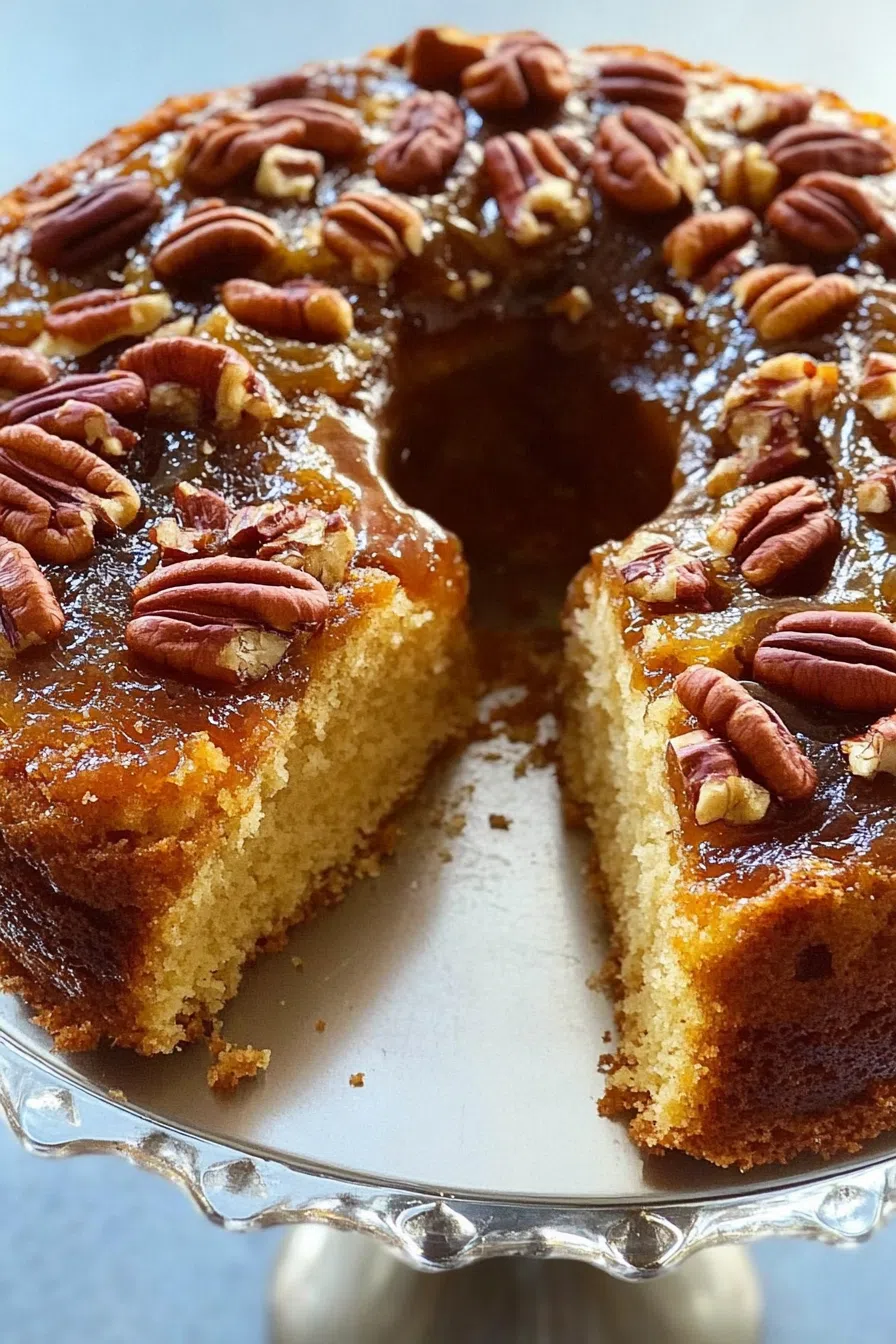
Credit: nodashofgluten.com
Frequently Asked Questions
What Is Pecan Pie Cake Upside Down?
Pecan pie cake upside down is a dessert combining pecan pie flavors with a moist cake base. It is baked with caramelized pecans on top, then flipped to reveal a glossy, nutty topping. This dessert offers a rich, sweet, and crunchy experience.
How Do You Make Pecan Pie Cake Upside Down?
To make it, prepare a buttery cake batter and pour it over caramelized pecans in a pan. Bake until golden and set. After baking, invert the cake onto a serving plate to showcase the caramelized pecan topping. Serve warm or at room temperature.
Can Pecan Pie Cake Upside Down Be Made Gluten-free?
Yes, pecan pie cake upside down can be made gluten-free. Use gluten-free flour blends in place of regular flour. Ensure all other ingredients like baking powder and flavorings are gluten-free. This allows those with gluten sensitivities to enjoy this dessert safely.
What Is The Best Way To Serve Pecan Pie Cake Upside Down?
Serve pecan pie cake upside down warm or at room temperature. Add a scoop of vanilla ice cream or a dollop of whipped cream for extra creaminess. It pairs well with coffee or tea, making it perfect for dessert or special occasions.
Conclusion
Pecan Pie Cake Upside Down brings a sweet twist to dessert time. Its rich flavors blend the best of cake and pie. Everyone will enjoy the crunchy pecans and soft cake layers. This treat suits any occasion, from family dinners to special events.
Baking it at home is simple and fun for all skill levels. Try this recipe to add a new favorite to your dessert list. A perfect way to share joy and tasty moments with loved ones.

Hi, I’m Daniel Brooks—a food lover and kitchen gear enthusiast. I enjoy testing cookware, utensils, and gadgets to see what really works in everyday cooking. At PlugChef.com, I share honest reviews, comparisons, and simple guides to help you choose the best tools for a safer, smarter, and more enjoyable kitchen.
Related posts:
 What Type of Cooking Utensils are Safe: Expert Picks
 What Innovations Could Blenders Make: Unleashing Future Tech
 Smart Strategies to Organize a Small Kitchen: Maximize Space
 How to Organize a Kitchen Cabinet: Expert Tips & Tricks
 How to Organize Kitchen Drawers: Expert Tips and Tricks
 How to Organize a Corner Kitchen Cupboard: Expert Tips

