
If you’re looking to add something delicious and healthy to your meals, black rice and coconut milk might be exactly what you need. This unique combination offers a rich, creamy flavor that’s both comforting and exotic.
Imagine a dish that’s not only tasty but also packed with nutrients to fuel your body. Whether you want a satisfying dessert or a wholesome breakfast, black rice and coconut milk can surprise your taste buds and boost your energy.
Keep reading, and discover how this simple pairing can transform your eating experience.
Black Rice Benefits
Black rice offers a unique blend of taste and health benefits. It stands out due to its rich color and dense nutrients. This rice type is not just a food choice but a health booster. Its benefits make it popular worldwide.
Nutritional Profile
Black rice contains high levels of fiber and protein. It is rich in iron, vitamin E, and essential minerals. The rice has fewer calories than white rice. It is also low in fat and free from cholesterol.
Antioxidant Properties
The deep purple color of black rice comes from anthocyanins. These compounds act as powerful antioxidants. They help fight free radicals in the body. Antioxidants protect cells and reduce inflammation.
Health Advantages
- Supports heart health by lowering bad cholesterol.
- Helps control blood sugar levels.
- Improves digestion due to high fiber content.
- Boosts immune system with antioxidants and vitamins.
- Aids in weight management by promoting fullness.

Credit: www.prepmyrecipe.com
Coconut Milk Nutrition
Coconut milk is a creamy liquid extracted from the white flesh of mature coconuts. It is a popular ingredient in many cuisines and offers several nutritional benefits. Understanding its nutritional content helps appreciate why it pairs well with black rice in healthy dishes.
Healthy Fats
Coconut milk contains medium-chain triglycerides (MCTs), a type of healthy fat. These fats are easier to digest and provide quick energy. MCTs may support brain function and boost metabolism. Unlike long-chain fats, they are less likely to be stored as body fat.
Vitamins And Minerals
This milk is rich in important vitamins and minerals. It provides iron, magnesium, potassium, and phosphorus. These nutrients help maintain healthy bones, muscles, and blood pressure. Coconut milk also contains small amounts of vitamins C, E, and B-complex, which support the immune system.
Dairy-free Alternative
Coconut milk is an excellent dairy-free option for those with lactose intolerance or milk allergies. It offers a creamy texture similar to cow’s milk without causing digestive issues. This makes it suitable for vegan and plant-based diets. It can be used in cooking, baking, or as a beverage substitute.
Choosing Ingredients
Black rice and coconut milk create a delicious pairing. Black rice offers a nutty flavor and chewy texture. Coconut milk adds creaminess and a hint of sweetness.
Choosing the right ingredients is key to a delicious dish. Black rice and coconut milk create a rich, creamy texture. They also add unique flavors. Let’s explore how to select these ingredients for the best results.Selecting Quality Black Rice
Choose black rice with a deep, dark color. This indicates freshness and quality. Check for a glossy finish. It should be free from dust and debris. Organic black rice is a healthy option. It ensures no harmful chemicals are present.Fresh Vs. Canned Coconut Milk
Fresh coconut milk offers a richer taste. It enhances the dish’s creaminess. Choose fresh if you can. If not, canned coconut milk works too. Ensure it is unsweetened and full-fat. This gives the best texture and flavor. Check the expiration date for quality assurance.Optional Add-ins
Add-ins can elevate your dish. Consider adding a pinch of salt. It balances the sweetness. Add vanilla extract for a warm aroma. Fresh fruits like mango or berries give a tropical twist. Nuts or seeds add crunch. They also boost nutrition. Choose add-ins that suit your taste.Preparing Black Rice
Preparing black rice properly is key to enjoying its unique nutty flavor and chewy texture. This ancient grain demands a bit more care than white rice but rewards you with a rich and satisfying base for dishes like black rice and coconut milk pudding. Let’s break down how to get your black rice ready perfectly every time.
Washing And Soaking
Start by rinsing your black rice under cold water to remove any dust or impurities. You’ll notice the water turns slightly dark—that’s normal and simply the natural pigment washing off.
Soaking black rice for at least 30 minutes softens the grains and shortens cooking time. If you soak it overnight, the texture becomes even better, almost like a tender bite that’s perfect for creamy recipes.
Have you tried soaking rice before cooking? It can completely change the way it cooks and tastes.
Cooking Techniques
Use a ratio of about 1 cup black rice to 2 1/4 cups water or broth. Bring the liquid to a boil, then reduce to a simmer and cover the pot.
Cooking black rice usually takes between 30 to 40 minutes. Keep an eye on it—too much water and it gets mushy; too little and it stays hard.
Some cooks like to toast the rice in a dry pan before boiling. This adds a deeper, nuttier flavor that complements coconut milk beautifully.
Achieving Perfect Texture
Once cooked, let the rice sit covered for 10 minutes. This resting period helps the grains firm up and absorb any leftover moisture.
Fluff the rice gently with a fork to separate the grains. You want chewy, distinct grains—not sticky clumps.
If you’re aiming for a creamy dish, try adding a bit of coconut milk during the resting phase. It seeps in and gives you that luscious texture without overcooking the rice.
Making Coconut Milk Mixture
Making the perfect coconut milk mixture is key to enhancing the natural richness of black rice dishes. The right blend brings out a creamy texture while balancing flavors that complement the nutty undertones of black rice. Paying attention to sweetness, flavor boosts, and the mixture’s thickness can turn a simple recipe into a memorable experience.
Balancing Sweetness
Too much sugar can overpower the subtle earthiness of black rice, while too little can leave the dish tasting bland. Start with a small amount of natural sweeteners like palm sugar or honey and adjust as you go. Taste frequently—you want a gentle sweetness that highlights the coconut without stealing the show.
Have you ever tried using a pinch of salt with sweetness? It can enhance flavors and prevent the mixture from feeling one-dimensional. This small trick can make a big difference in your coconut milk blend.
Flavor Enhancements
Add depth to your coconut milk by infusing it with vanilla beans, pandan leaves, or even a hint of ginger. These subtle additions can elevate the dish and add complexity without overwhelming the delicate black rice.
- Vanilla bean: Scrape seeds and stir into warm coconut milk for a sweet, fragrant note.
- Pandan leaves: Tie and simmer with the milk for a fresh, herbal aroma.
- Ginger: Add thin slices during heating for a mild spicy kick.
Try experimenting with these ingredients to find your favorite flavor profile. What combination would surprise your taste buds today?
Consistency Tips
The thickness of your coconut milk mixture affects the overall mouthfeel of the dish. If the mixture is too thin, the black rice can feel dry; too thick, and it may become heavy.
To get it just right, gently simmer the coconut milk over low heat to reduce it slightly, stirring frequently to prevent burning. If you need to thin it out, add a splash of water or more coconut milk gradually.
Remember, the goal is a silky texture that coats each grain of black rice lightly. How do you prefer the texture—rich and creamy or light and refreshing?
Combining Ingredients
Combining black rice with coconut milk creates a rich, creamy dish that balances nutty and sweet flavors perfectly. This process requires attention to detail to ensure the rice absorbs the coconut milk without becoming mushy. Let’s break down how you can achieve that ideal texture and taste in your kitchen.
Mixing Rice With Coconut Milk
Start by rinsing the black rice thoroughly to remove excess starch. This helps the grains stay separate and not clump together.
Next, place the rinsed rice in a pot and pour in coconut milk along with a bit of water. The ratio is important—too much coconut milk can make the dish overly rich, while too little won’t deliver enough creaminess.
Season lightly with a pinch of salt to enhance the natural flavors. Have you noticed how a small pinch can bring out the sweetness in coconut milk?
Simmering Process
Bring the mixture to a gentle simmer over medium heat. Stir occasionally to prevent the rice from sticking to the bottom.
Lower the heat and cover the pot, allowing the rice to cook slowly. This slow simmering lets the rice absorb the coconut milk gradually, creating a tender, creamy texture.
Keep an eye on the liquid level and add a splash of water if it looks like it’s drying out before the rice is fully cooked.
Cooling And Serving
Once cooked, remove the pot from heat and let the rice sit covered for about 10 minutes. This resting time lets the flavors meld and the texture firm up slightly.
Serve warm or at room temperature, topped with fresh fruit or a sprinkle of toasted coconut for an added crunch.
Have you tried letting your rice cool before serving? It changes the experience, making each bite more flavorful and satisfying.
Serving Suggestions
Serving black rice and coconut milk opens up many delicious possibilities. This dish has a creamy texture and a naturally sweet, nutty flavor that pairs well with a variety of toppings and sides. How you serve it can transform the experience from simple comfort food to an elegant dessert or a nutritious breakfast.
Toppings And Garnishes
Add texture and bursts of flavor by topping your black rice and coconut milk with fresh or dried fruits. Sliced mango, toasted coconut flakes, and pomegranate seeds add color and crunch.
- Chopped nuts like almonds, pistachios, or cashews for extra richness
- A drizzle of honey or maple syrup for natural sweetness
- Fresh herbs such as mint or basil to brighten the dish
Think about how contrasting textures and flavors can elevate each bite. Have you tried adding a sprinkle of cinnamon or a dash of sea salt? They bring surprising depth.
Pairing Ideas
Pair black rice and coconut milk with tropical fruits for a refreshing balance. Pineapple, kiwi, and papaya complement the creamy richness perfectly.
For a more substantial meal, serve it alongside grilled chicken or fish with a squeeze of lime. The light, zesty protein cuts through the sweetness beautifully.
Consider a hot cup of ginger tea or a cold glass of lime-infused water to complete your serving. What drink would you choose to enhance this dish’s flavors?
Presentation Tips
Use clear glass bowls or jars to showcase the striking purple-black color of the rice and the creamy white coconut milk. Layering the ingredients creates a visually appealing effect.
Garnish with edible flowers or a sprinkle of colorful seeds for a special touch. Small details make the dish feel more inviting and thoughtful.
Try serving in small portions with a spoonful of topping on each side to encourage sharing and tasting. How could you make your presentation more memorable for your guests?
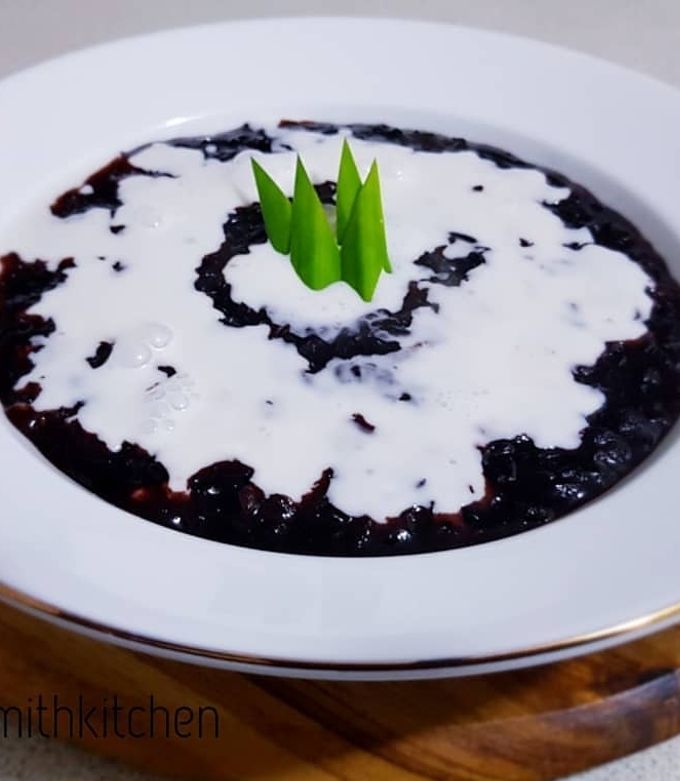
Credit: cookpad.com
Storing And Reheating
Storing and reheating black rice and coconut milk properly can make a big difference in taste and texture. If you don’t handle leftovers right, you might end up with a mushy mess or lose the rich flavors that make this dish special. Let’s look at how to keep your black rice and coconut milk fresh and tasty for your next meal.
Refrigeration Guidelines
Cool your black rice and coconut milk quickly after cooking to prevent bacteria growth. Use an airtight container to keep moisture and odors out. Avoid leaving the dish out at room temperature for more than two hours.
Place the container on the middle shelf of your fridge where the temperature is stable. If you store it correctly, you preserve the creamy texture of coconut milk and the chewy bite of black rice. Ever noticed how leftovers can sometimes taste bland? Proper refrigeration helps keep those flavors sharp.
Shelf Life
Black rice and coconut milk usually last 3 to 4 days in the fridge. If you notice a sour smell or slimy texture, it’s time to toss it. Don’t risk your health by eating spoiled food, even if it looks fine.
For longer storage, freezing is an option, but coconut milk’s texture may change slightly. Freeze in small portions to thaw only what you need. This way, you avoid waste and maintain freshness.
Best Reheating Methods
Reheat gently to avoid curdling the coconut milk or drying out the rice. Using a microwave, add a splash of water or coconut milk before heating and stir halfway through. This keeps the dish moist and creamy.
On the stove, warm it over low heat, stirring often. This method gives you more control and prevents burning. Have you tried reheating black rice and coconut milk with a bit of fresh lime juice? It brightens the flavors and feels like a fresh dish.
Variations To Try
Black rice and coconut milk create a rich and creamy base that welcomes a variety of flavors. Trying different variations can keep this dish exciting and suited to your taste. Whether you prefer something fruity, spicy, or just a little sweeter, there’s a twist here waiting for you to try.
Adding Fruits
Fresh or dried fruits add natural sweetness and a pop of color to your black rice and coconut milk dish. Mango slices or pineapple chunks give a tropical vibe that pairs perfectly with the creamy texture. Berries like blueberries or raspberries introduce a slight tartness that balances the richness.
You can also sprinkle in dried fruits such as raisins or chopped dates for chewy bites throughout. Have you thought about mixing in pomegranate seeds? Their crunch adds an unexpected texture that livens up every spoonful.
Spice Infusions
Spices can transform your dish into something with depth and warmth. Try stirring in a cinnamon stick while cooking for a subtle, cozy flavor. Cardamom pods or a pinch of nutmeg can add an exotic twist that feels special but isn’t overpowering.
If you like a little heat, a dash of ginger or even a hint of black pepper can awaken your taste buds. Have you experimented with vanilla bean? It pairs beautifully with coconut milk, giving your dish a smooth, fragrant finish.
Alternative Sweeteners
Switching up your sweetener changes the flavor profile and can make your dessert more wholesome. Instead of white sugar, try honey or maple syrup for a richer, more complex sweetness. Coconut sugar blends seamlessly and adds a caramel note that complements the black rice.
For a lighter option, stevia or agave nectar work well without the added calories. Which sweetener fits your lifestyle and taste best? Testing different ones might reveal a new favorite you hadn’t considered before.
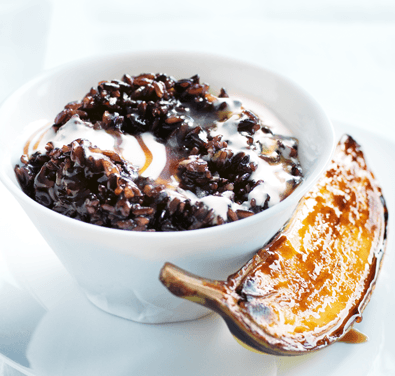
Credit: www.sunrice.com.au
Frequently Asked Questions
What Are The Health Benefits Of Black Rice And Coconut Milk?
Black rice is rich in antioxidants and fiber. Coconut milk provides healthy fats and vitamins. Together, they support digestion, boost immunity, and improve heart health. This combination makes a nutritious and tasty dish suitable for a balanced diet.
How Do You Cook Black Rice With Coconut Milk?
Rinse black rice thoroughly. Cook it in water until tender. Add coconut milk and simmer gently. Sweeten with sugar or honey if desired. Stir occasionally until the mixture thickens. Serve warm for a creamy and flavorful dessert or side dish.
Can Black Rice And Coconut Milk Aid Weight Loss?
Yes, black rice’s fiber promotes fullness, reducing overeating. Coconut milk contains medium-chain fats that boost metabolism. Combined, they help control appetite and support fat burning. This makes them a good addition to a weight management plan when eaten in moderation.
Is Black Rice With Coconut Milk Gluten-free?
Yes, both black rice and coconut milk are naturally gluten-free. This makes the dish safe for people with gluten intolerance or celiac disease. Always check labels on added ingredients to ensure no gluten contamination.
Conclusion
Black rice and coconut milk make a tasty and healthy pair. This combo offers good nutrients and a unique flavor. You can enjoy it as a dessert or a meal. It is easy to prepare and suits many diets. Try this mix for a new, simple dish.
Taste and health in one bowl. Give it a chance and enjoy the benefits today.

Hi, I’m Daniel Brooks—a food lover and kitchen gear enthusiast. I enjoy testing cookware, utensils, and gadgets to see what really works in everyday cooking. At PlugChef.com, I share honest reviews, comparisons, and simple guides to help you choose the best tools for a safer, smarter, and more enjoyable kitchen.
Related posts:
 What Type of Cooking Utensils are Safe: Expert Picks
 What Innovations Could Blenders Make: Unleashing Future Tech
 Smart Strategies to Organize a Small Kitchen: Maximize Space
 How to Organize a Kitchen Cabinet: Expert Tips & Tricks
 How to Organize Kitchen Drawers: Expert Tips and Tricks
 How to Organize a Corner Kitchen Cupboard: Expert Tips

