
A cutting board is one of the most used, most overlooked tools in any kitchen—and one of the highest-risk surfaces for cross-contamination. Whether you’re a home cook prepping weeknight vegetables or a commercial chef processing hundreds of pounds of raw meat daily, the simple act of washing your cutting board with detergent and rinsing it thoroughly is the foundation of kitchen food safety. This guide breaks down exactly how to execute this step correctly for every board material, avoids common costly mistakes, and aligns with 2026 food safety standards for both home and commercial use.
Understanding Cutting Board Materials & Their Cleaning Needs
The material of your cutting board directly impacts how detergent interacts with its surface, how thoroughly you need to rinse, and what aftercare is required to maintain hygiene and longevity. Choosing the right board for your use case is the first step to making the wash-and-rinse process as effective as possible.
Wood & Bamboo Cutting Boards
Wood and bamboo are popular for their knife-friendly surfaces and natural aesthetic, but their porous structure requires special care during cleaning. These materials absorb small amounts of water and detergent if left submerged or exposed for too long, which can lead to warping, cracking, and trapped bacteria. When washing, use only a small amount of detergent, scrub gently with a soft sponge, and rinse immediately to avoid over-saturation. Avoid soaking these boards entirely, even for cleaning, as this breaks down the natural fibers that make them resistant to knife marks.
Plastic & Composite Cutting Boards
Plastic and composite cutting boards are non-porous, making them resistant to water absorption and easy to sanitize. They are the preferred choice for raw meat prep in many commercial kitchens, as they can withstand harsh sanitizing solutions without damage. The main drawback is that deep knife marks can create hidden crevices where bacteria and food residue hide, even after washing and rinsing. When rinsing these boards, pay extra attention to grooves and scored areas to ensure no soap or debris remains trapped.
Glass & Stone Cutting Boards
Glass and stone cutting boards are fully non-porous, so they will not absorb water, detergent, or food particles at all. This makes them extremely easy to clean and sanitize, but their hard, unforgiving surface dulls knife edges quickly, so they are best reserved for light use like cutting bread or produce. When rinsing these boards, use warm water to avoid soap streaks, and dry immediately to prevent water spots from hard water buildup.
The Critical Role of Detergent in Cutting Board Cleaning
Detergent is not just for removing visible food scraps—its active surfactants break down grease, food proteins, and invisible biofilms that plain water cannot dissolve. These biofilms are thin layers of bacteria that cling to cutting board surfaces, even after a water-only rinse, and are a leading cause of cross-contamination. According to the U.S. Food and Drug Administration, cutting boards are classified as food contact surfaces, meaning they require regular cleaning with detergent to remove these harmful residues U.S. Food and Drug Administration food contact surface guidance.
For all board types, use a mild, fragrance-free, food-safe dish soap. Avoid harsh degreasers, antibacterial soaps with unregulated added chemicals, or scented detergents, as these can leave residues that transfer to food and alter flavor, or even leach harmful compounds into porous wood and bamboo. You only need 1–2 drops of detergent per board: excess soap creates more suds to rinse off, and increases the risk of leftover residue even after a thorough rinse. Scrub gently with a soft, non-abrasive sponge to lift debris without scratching the board surface.

Proper Rinsing Techniques: The Step Most People Rush
Rinsing is just as important as the detergent wash step, if not more so. Leftover detergent residue can cause digestive discomfort, alter the flavor of acidic foods like tomatoes or citrus, and create a sticky surface that attracts new bacteria. A common mistake in both home and commercial kitchens is rinsing quickly with cold water to speed up prep, but cold water prevents soap from fully dissolving, leaving a film on the board even after you think you’re done.
To rinse correctly, use warm running water (not hot, which can warp wood, and not cold, which leaves soap residue). Hold the board under the stream and wipe all surfaces, including edges, corners, and any textured areas, with a clean sponge or your hand to dislodge suds and debris. Run your finger over the entire surface after rinsing: if you feel any slipperiness or see remaining bubbles, rinse for another 10–15 seconds. For plastic boards with deep knife marks, use a clean brush to scrub inside grooves to ensure no soap is trapped. For wood boards, limit rinsing to 10–15 seconds total to avoid over-soaking.
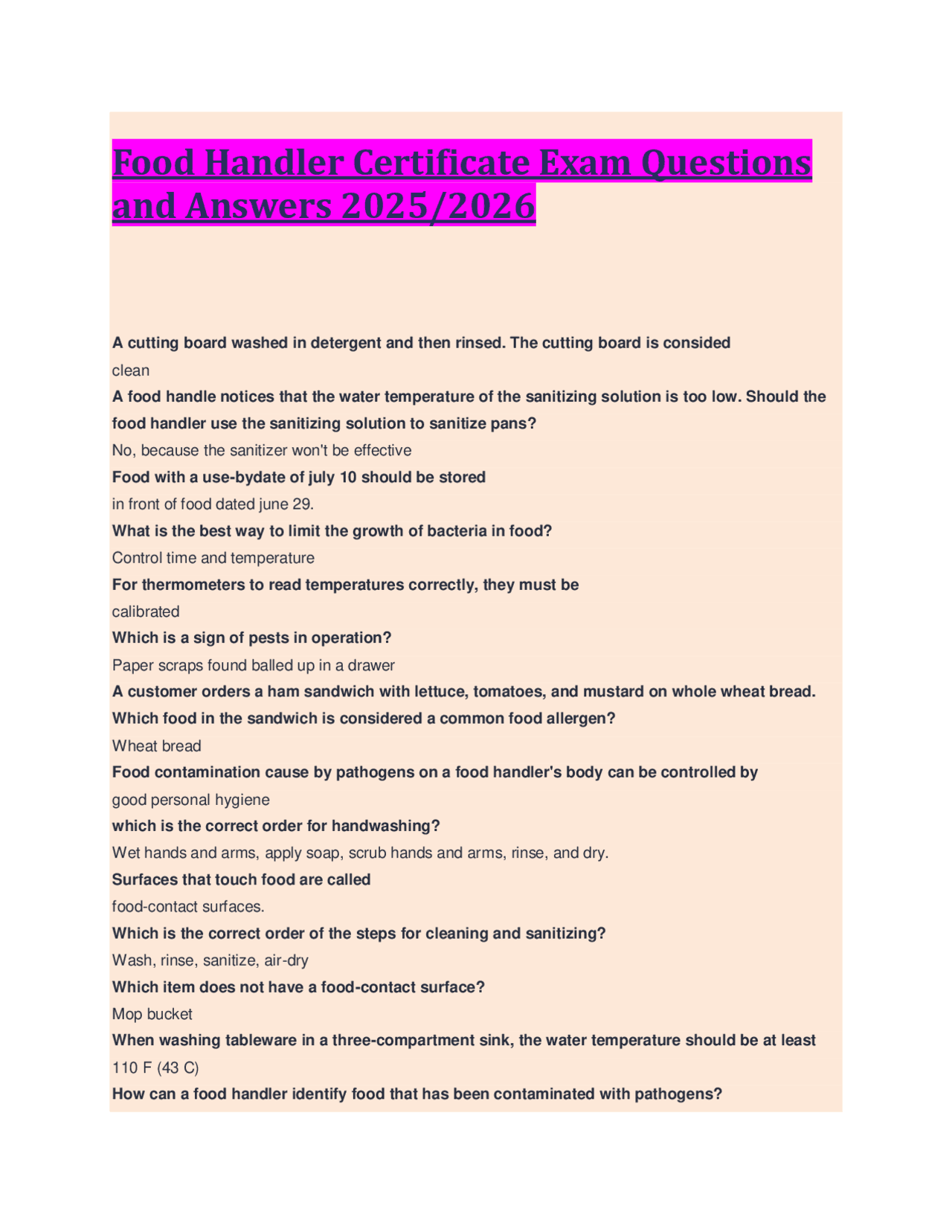 Properly cleaned and rinsed cutting board ready for food prep
Credit: www.docsity.com
Properly cleaned and rinsed cutting board ready for food prep
Credit: www.docsity.com
Drying & Storage: The Final Barrier Against Bacteria
How you dry and store your cutting board after washing and rinsing determines whether it stays hygienic for years or develops mold, warping, and bacteria buildup within weeks.
Air Drying vs. Towel Drying
Air drying is the best option for all board types, especially wood and bamboo. Place the board upright on a dish rack in a well-ventilated area to allow air to circulate on both sides, which prevents moisture from getting trapped and causing warping or mold. If you need to dry the board quickly (e.g., for immediate reuse), use a clean, lint-free microfiber towel to pat it completely dry. Avoid using old, damp dish towels, as these carry bacteria that can transfer back to the board surface. Towel drying is acceptable for plastic and glass boards, but air drying is still preferred for maximum hygiene.
Optimal Storage Practices
Always store cutting boards in a vertical, upright position to allow full air circulation. Never stack heavy items on top of cutting boards, as this traps moisture and can cause cracks or warping over time. Keep boards away from direct heat sources like ovens, dishwashers, or stovetops, as high heat will dry out wood and cause plastic to warp. For commercial kitchens, store cutting boards in a designated area separate from raw food prep zones to avoid cross-contamination, and keep them at least 6 inches off the ground per health code standards.
Material-Specific Maintenance to Extend Board Life
Proper maintenance after washing and rinsing will keep your cutting board in good condition for years, and reduce the number of deep crevices where bacteria can hide:
- Wood & bamboo: Apply a food-grade mineral oil once a month to prevent the wood from drying out and cracking. Never use cooking oil (like olive or vegetable oil), as it will turn rancid over time and leave off-flavors on food.
- Plastic & composite: Inspect the board for deep knife marks every 3 months. If the grooves are deep enough to catch a fingernail, the board can no longer be fully cleaned, and should be replaced per CDC guidance for food contact surfaces.
- Glass & stone: No oil or special treatment is required, but inspect regularly for chips or cracks that can create bacteria harboring spots, and avoid dropping the board to prevent breakage.
Common Mistakes That Compromise Cutting Board Hygiene
Even with the best intentions, small errors in your washing and rinsing routine can leave your cutting board harboring harmful bacteria. Avoid these frequent pitfalls:
- Skipping the detergent step: Rinsing with only water does not break down grease, food proteins, or biofilms, leaving harmful bacteria like Salmonella and E. coli on the surface.
- Using too much detergent: Excess soap leaves residue that can cause food to taste soapy, even after rinsing, and can irritate digestive systems for people with sensitivities.
- Rinsing with cold water: Cold water prevents soap from fully dissolving, leaving a sticky film on the board that attracts new bacteria.
- Storing the board while damp: Moisture trapped between stored boards or against cabinet surfaces creates ideal conditions for mold, mildew, and bacterial growth, and causes wood to warp.
- Using the same board for raw meat and ready-to-eat foods without washing in between: Even after washing, residual bacteria from raw meat can transfer to produce or cooked foods if you do not follow up with a sanitizing step.
- Using abrasive scrubbers on wood or bamboo: Steel wool or harsh scouring pads scratch the surface, creating deep grooves where bacteria can hide and are impossible to fully remove.
 Color-coded boards reduce cross-contamination risk between raw and ready-to-eat foods
Credit: www.laborlawcenter.com
Color-coded boards reduce cross-contamination risk between raw and ready-to-eat foods
Credit: www.laborlawcenter.com
Frequently Asked Questions
Is a cutting board washed in detergent and rinsed ServSafe compliant?
For commercial food service operations, 2026 ServSafe guidelines require a three-step process: wash with detergent, rinse, then sanitize with an approved food-contact sanitizer. A simple wash and rinse removes visible debris and some bacteria, but sanitization is required to kill remaining pathogens and meet health code standards for food service.
What is the correct order of cleaning and sanitizing a cutting board?
The standard approved order is: 1. Scrape off all visible food debris. 2. Wash the board thoroughly with hot water and mild detergent to break down grease and biofilms. 3. Rinse completely with clean running water to remove all soap residue. 4. Apply an approved food-contact sanitizer (follow manufacturer dilution instructions) and let it air dry for the required contact time (usually 1–5 minutes). 5. Allow the board to air dry completely before storage.
Should I wash my cutting board with soap after every use?
Yes. According to the Centers for Disease Control and Prevention, all cutting boards should be washed with hot water and detergent after every single use, even if they appear clean. Invisible bacteria and food residue can remain on the surface after cutting even produce, and can transfer to other foods during subsequent uses CDC food safety basics.
Is a detergent wash and rinse enough for home use?
For most home use cases (e.g., cutting only vegetables, bread, or cooked meats), a thorough wash with detergent and rinse is sufficient for hygiene. However, if you use the board for raw meat, poultry, or seafood, the CDC recommends following the wash/rinse step with a sanitizing solution (1 tablespoon unscented bleach per 1 gallon of water, or a commercial food sanitizer) to kill remaining harmful bacteria.
Can I put my cutting board in the dishwasher after washing with detergent?
Only plastic and composite cutting boards are generally dishwasher safe. Wood and bamboo boards should never be put in the dishwasher, as the high heat and prolonged water exposure will cause warping, splitting, and cracking. Even for plastic boards, hand washing with detergent is gentler and extends the board’s lifespan.
Final Tips for Safe, Long-Lasting Cutting Board Care
Taking 30 seconds to properly wash your cutting board with detergent and rinse it thoroughly after every use is one of the easiest ways to protect your family from foodborne illness and keep your kitchen tools in great condition for years. For commercial food service teams, stay up to date on 2026 local health code requirements for cutting board sanitization to avoid costly violations.
Conclusion
Washing your cutting board with detergent and rinsing it thoroughly is a small, simple step that delivers massive returns for kitchen safety and tool longevity. It removes invisible bacteria, breaks down greasy food residue, prevents cross-contamination, and keeps your board looking and performing like new for years. By avoiding common mistakes like rushing the rinse step or storing the board while damp, you can eliminate nearly all cutting board-related food safety risks in your kitchen. For home cooks, this routine takes less than a minute per use, and for commercial teams, it is a non-negotiable step to pass health inspections and keep customers safe.

Hi, I’m Daniel Brooks—a food lover and kitchen gear enthusiast. I enjoy testing cookware, utensils, and gadgets to see what really works in everyday cooking. At PlugChef.com, I share honest reviews, comparisons, and simple guides to help you choose the best tools for a safer, smarter, and more enjoyable kitchen.
Related posts:
 How to Make a Fruit Basket for a Gift: Easy DIY Guide
 Do You Need a Basket? Essential Guide for Air Fryers
 Blenders That Fit Mason Jars: Perfect Match for Smoothies
 Member’S Mark Kitchen Appliances: Elevate Your Culinary Space
 Whittier Small Appliance Sewing & Vacuum: Your Ultimate Guide
 How Can I Hide My Appliances in a Small Kitchen: Clever Tips

