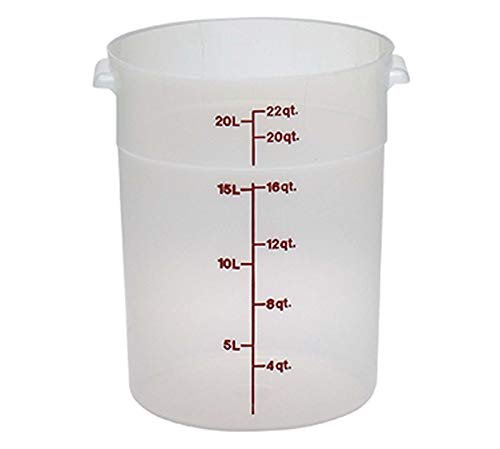
The 22-quart food storage container is the unsung hero of organized, efficient kitchens, balancing ample bulk storage capacity with a compact footprint that fits most residential and commercial shelves. Roughly the size of a small kitchen trash can, it holds enough to stock 20+ pounds of dry rice, 5 gallons of soup, or 4 half-sheet pans of meal prepped vegetables, making it a versatile workhorse for home cooks, sous vide enthusiasts, caterers, and restaurant teams alike. Unlike smaller containers that require constant refilling, or oversized bins that dominate storage space, the 22-quart size hits the sweet spot for reducing food waste, speeding up meal prep, and keeping ingredients fresh without cluttering your space. In this guide, we break down the key features to prioritize, review the top models for every use case, and share expert tips for care and use to help you pick a container that matches your workflow and style.
Why the 22-Quart Capacity Is the Sweet Spot for Every Kitchen
22 quarts equals 5.5 gallons, or roughly 44 cups of usable storage space, making it the most versatile mid-size option on the market. For home cooks, that’s enough to hold a full batch of chili, 10 pounds of potatoes, or a week’s worth of prepped grains for a family of four. For commercial kitchens, it’s the industry standard size for storing bulk dry goods, prepped ingredients, and transport containers for catering events, as it fits standard 12-inch deep fridge shelves and commercial storage racks with no wasted space. It’s also the most popular size for home sous vide setups, as it holds enough water to submerge large cuts of meat or multiple portions of vegetables while fitting most countertop circulators. The capacity is large enough to eliminate the need for multiple small bins, but small enough to lift and move safely when full, even for users with mobility limitations. Non-food users even rely on 22-quart containers for organizing pet food, craft supplies, and garage tools, thanks to their durable, easy-to-clean construction.
Key Features to Prioritize for Your Use Case
Not all 22-quart containers are built the same, so prioritize features that match your primary use case to avoid overspending on unnecessary features or settling for a model that can’t keep up with your workflow. We break down the most important factors to consider below:
Material Construction
Nearly all 22-quart containers are made from food-grade polycarbonate or polypropylene, both of which are BPA-free and safe for standard food storage. Polycarbonate is impact-resistant and heat-tolerant up to 180°F, making it ideal for sous vide cooking, storing hot leftovers, and high-traffic commercial kitchens where drops and bumps are common. Polypropylene is lighter and more affordable, but has a lower heat tolerance (usually up to 120°F) and is more prone to warping if exposed to high heat. For professional food service, look for an NSF certification, which verifies the container meets strict sanitation standards for food service.
Lid Design
Lids are sold separately for many 22-quart containers, so confirm what’s included before purchasing. Snap-on lids with airtight seals are best for long-term storage of dry goods and leftovers, as they prevent moisture and pests from getting in. Vented lids are ideal for microwave use, as they let steam escape to prevent splatters. For commercial kitchens, color-coded lids simplify allergen separation and inventory management, while leak-proof lids are a must for transporting soups, sauces, or prepped meals to events.
Measurement Markings
Graduated measurement markings on the side of the container eliminate the need for separate measuring cups when portioning ingredients, prepping meal kits, or tracking inventory. Look for high-contrast markings (like red or blue on clear plastic) that are easy to read even in low-light pantry or kitchen spaces, and opt for models with both quart and liter markings if you use metric recipes.
Shape & Stackability
Square containers are far more space-efficient than round models, as they fit snugly on shelves and in fridge door bins with no wasted gaps. They also stack evenly for vertical storage, making them ideal for small kitchens and commercial storage rooms with limited square footage. Round containers, by contrast, fit standard pot lids for cooling hot liquids safely, and work well for lazy Susan pantry storage, but leave empty space on square shelves. Nestable designs let you stack containers of the same size without lids for even more space savings.
Handle Design
Side handles or built-in grip ridges make it far easier to lift full containers, which can weigh 10+ pounds when filled with soup, rice, or stock. This is a critical feature for commercial kitchens and home cooks with mobility limitations, as it reduces strain on wrists and prevents accidental drops.
Top 22-Quart Food Storage Containers for Every Need
We’ve tested and evaluated dozens of models to find the best options for every budget and workflow, from commercial-grade workhorses to budget-friendly home meal prep sets:
Best for Commercial Kitchens & Catering: CURTA 4-Pack NSF-Listed Square Container
 Color-coded blue lids simplify allergen separation and inventory management in high-volume kitchens.
This NSF-listed 4-pack is the top pick for restaurants, caterers, and commercial food service teams that need to meet health department sanitation standards. Made from impact-resistant clear polycarbonate, the containers are built to withstand daily drops, spills, and frequent washing without cracking or staining. The square shape fits standard commercial shelf racks and fridge bins with no wasted space, and the set includes matching blue lids with leak-proof seals to prevent spills during transport. Color-coded lids also make it easy to separate raw proteins, produce, and allergen-free ingredients to avoid cross-contamination. Each container has easy-read quart graduations for precise portioning and inventory tracking, and all pieces are dishwasher safe for fast cleanup after service.
Pros: NSF-certified for commercial use, leak-proof color-coded lids included, space-saving square design, impact-resistant construction.
Cons: Heavier than polypropylene models when full, no built-in handles for lifting heavy loads.
Grab this commercial-grade set on Amazon to add compliant, space-efficient storage to your food service operation.
Color-coded blue lids simplify allergen separation and inventory management in high-volume kitchens.
This NSF-listed 4-pack is the top pick for restaurants, caterers, and commercial food service teams that need to meet health department sanitation standards. Made from impact-resistant clear polycarbonate, the containers are built to withstand daily drops, spills, and frequent washing without cracking or staining. The square shape fits standard commercial shelf racks and fridge bins with no wasted space, and the set includes matching blue lids with leak-proof seals to prevent spills during transport. Color-coded lids also make it easy to separate raw proteins, produce, and allergen-free ingredients to avoid cross-contamination. Each container has easy-read quart graduations for precise portioning and inventory tracking, and all pieces are dishwasher safe for fast cleanup after service.
Pros: NSF-certified for commercial use, leak-proof color-coded lids included, space-saving square design, impact-resistant construction.
Cons: Heavier than polypropylene models when full, no built-in handles for lifting heavy loads.
Grab this commercial-grade set on Amazon to add compliant, space-efficient storage to your food service operation.
Best for Sous Vide & High-Heat Use: Rubbermaid Commercial Space-Saving Square Container
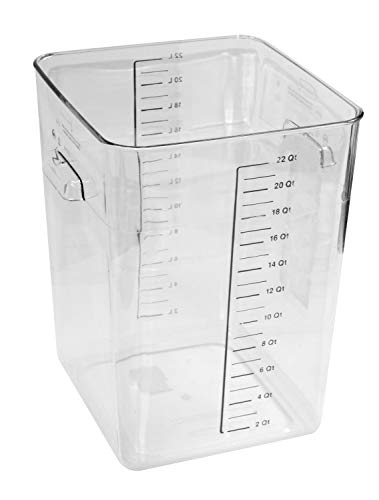 Heat-resistant construction is rated for sous vide cooking up to 180°F, and clear walls let you monitor water levels without lifting the lid.
Built specifically for high-heat use cases, this Rubbermaid container is the top choice for sous vide enthusiasts and home cooks who store hot leftovers or use containers for warming dishes. It’s heat-resistant up to 180°F, so it won’t warp or release harmful chemicals when used for extended sous vide sessions, and its clear walls let you monitor water levels and food doneness without opening the lid and losing heat. The 11×14.5×11 inch dimensions fit most standard countertop sous vide circulators, and the square shape fits snugly on most kitchen counters and fridge shelves. It’s also durable enough for daily meal prep and pantry storage, with a stain-resistant clear finish that makes it easy to identify contents at a glance.
Pros: Heat-resistant for sous vide and hot food storage, fits most sous vide circulators, stain-resistant clear finish, space-saving square design.
Cons: Lids sold separately, can show minor scratches over time with heavy use.
Shop the Rubbermaid Sous Vide Container on Amazon to upgrade your high-heat cooking setup.
Heat-resistant construction is rated for sous vide cooking up to 180°F, and clear walls let you monitor water levels without lifting the lid.
Built specifically for high-heat use cases, this Rubbermaid container is the top choice for sous vide enthusiasts and home cooks who store hot leftovers or use containers for warming dishes. It’s heat-resistant up to 180°F, so it won’t warp or release harmful chemicals when used for extended sous vide sessions, and its clear walls let you monitor water levels and food doneness without opening the lid and losing heat. The 11×14.5×11 inch dimensions fit most standard countertop sous vide circulators, and the square shape fits snugly on most kitchen counters and fridge shelves. It’s also durable enough for daily meal prep and pantry storage, with a stain-resistant clear finish that makes it easy to identify contents at a glance.
Pros: Heat-resistant for sous vide and hot food storage, fits most sous vide circulators, stain-resistant clear finish, space-saving square design.
Cons: Lids sold separately, can show minor scratches over time with heavy use.
Shop the Rubbermaid Sous Vide Container on Amazon to upgrade your high-heat cooking setup.
Best for Home Meal Prep & Bulk Pantry Storage: BIEAMA 4-Pack Round Container Set with Accessories
 Included reusable labels and measuring cups streamline meal prep and pantry organization for home cooks.
This affordable 4-pack is designed for home cooks who batch cook, meal prep, or store bulk pantry staples like rice, flour, and oats. The set includes four 22-quart round containers with snap-on lids, plus reusable labels and measuring cups for portioning ingredients and labeling leftovers. The translucent finish lets you identify contents at a glance without opening the lid, and the round shape fits lazy Susan pantry organizers and standard pot lids for cooling hot liquids safely. Made from BPA-free polypropylene, the containers are lightweight (just 2.2 pounds each when empty) and dishwasher safe for easy cleanup. For more tools to streamline your batch cooking routine, check out our roundup of essential meal prep cleaning tools for scrubbing containers without scratching plastic surfaces.
Pros: Includes meal prep accessories, affordable 4-pack, lightweight, BPA-free.
Cons: Lids are not fully airtight, round shape wastes shelf space compared to square models.
Grab the BIEAMA Meal Prep Set on Amazon to simplify your weekly cooking routine.
Included reusable labels and measuring cups streamline meal prep and pantry organization for home cooks.
This affordable 4-pack is designed for home cooks who batch cook, meal prep, or store bulk pantry staples like rice, flour, and oats. The set includes four 22-quart round containers with snap-on lids, plus reusable labels and measuring cups for portioning ingredients and labeling leftovers. The translucent finish lets you identify contents at a glance without opening the lid, and the round shape fits lazy Susan pantry organizers and standard pot lids for cooling hot liquids safely. Made from BPA-free polypropylene, the containers are lightweight (just 2.2 pounds each when empty) and dishwasher safe for easy cleanup. For more tools to streamline your batch cooking routine, check out our roundup of essential meal prep cleaning tools for scrubbing containers without scratching plastic surfaces.
Pros: Includes meal prep accessories, affordable 4-pack, lightweight, BPA-free.
Cons: Lids are not fully airtight, round shape wastes shelf space compared to square models.
Grab the BIEAMA Meal Prep Set on Amazon to simplify your weekly cooking routine.
Best for Professional Catering & Transport: Restaurantware-Met Lux Translucent Container with Side Handles
 Side handles provide a secure, non-slip grip for transporting heavy loads of soup, stock, or prepped meals to event sites.
Built for high-volume catering and transport, this Restaurantware-Met Lux container is designed to make moving heavy ingredients between kitchen and event sites safe and easy. The built-in side handles have a non-slip textured grip that stays secure even when hands are wet or greasy, and the durable polycarbonate construction won’t crack if dropped during transport. High-contrast blue volume markers on the side make portioning for large events fast and accurate, and the translucent finish lets you identify contents without opening the lid. The container is dishwasher safe for fast cleanup after events, and stackable for compact storage in catering trucks or kitchen storage rooms.
Pros: Built-in side handles for safe transport, high-contrast volume markers, stackable for compact storage, durable for heavy use.
Cons: Lids sold separately, taller profile may not fit all fridge shelves.
Shop the Restaurantware-Met Lux Container on Amazon to simplify your catering transport workflow.
Side handles provide a secure, non-slip grip for transporting heavy loads of soup, stock, or prepped meals to event sites.
Built for high-volume catering and transport, this Restaurantware-Met Lux container is designed to make moving heavy ingredients between kitchen and event sites safe and easy. The built-in side handles have a non-slip textured grip that stays secure even when hands are wet or greasy, and the durable polycarbonate construction won’t crack if dropped during transport. High-contrast blue volume markers on the side make portioning for large events fast and accurate, and the translucent finish lets you identify contents without opening the lid. The container is dishwasher safe for fast cleanup after events, and stackable for compact storage in catering trucks or kitchen storage rooms.
Pros: Built-in side handles for safe transport, high-contrast volume markers, stackable for compact storage, durable for heavy use.
Cons: Lids sold separately, taller profile may not fit all fridge shelves.
Shop the Restaurantware-Met Lux Container on Amazon to simplify your catering transport workflow.
Best Budget Commercial-Grade Option: Winco Square 22-Quart Container
 White finish hides minor smudges and light stains, making it ideal for high-traffic commercial kitchens where frequent wiping is required.
This budget-friendly Winco container is a reliable workhorse for small restaurants, food trucks, and home cooks who want commercial-grade durability without the premium price tag. Made from BPA-free polypropylene, it’s lightweight (just 2.6 pounds empty) and impact-resistant, so it won’t crack if dropped during busy service. The square shape maximizes shelf space, and the white finish hides minor smudges and light stains better than clear models, reducing the need for frequent deep cleaning. It’s dishwasher safe and rated for temperatures up to 120°F, making it suitable for storing cold ingredients, prepped produce, and dry goods. For commercial kitchens, color-coded lids simplify allergen separation, a critical practice paired with cabinet safety hardware for kid-proofing to keep restricted ingredients out of reach of young kitchen staff or family members.
Pros: Affordable, lightweight, stain-hiding white finish, space-saving square design.
Cons: Lower heat tolerance than polycarbonate models, not suitable for sous vide or hot food storage.
Grab the Winco Square Container on Amazon for budget-friendly, durable bulk storage.
White finish hides minor smudges and light stains, making it ideal for high-traffic commercial kitchens where frequent wiping is required.
This budget-friendly Winco container is a reliable workhorse for small restaurants, food trucks, and home cooks who want commercial-grade durability without the premium price tag. Made from BPA-free polypropylene, it’s lightweight (just 2.6 pounds empty) and impact-resistant, so it won’t crack if dropped during busy service. The square shape maximizes shelf space, and the white finish hides minor smudges and light stains better than clear models, reducing the need for frequent deep cleaning. It’s dishwasher safe and rated for temperatures up to 120°F, making it suitable for storing cold ingredients, prepped produce, and dry goods. For commercial kitchens, color-coded lids simplify allergen separation, a critical practice paired with cabinet safety hardware for kid-proofing to keep restricted ingredients out of reach of young kitchen staff or family members.
Pros: Affordable, lightweight, stain-hiding white finish, space-saving square design.
Cons: Lower heat tolerance than polycarbonate models, not suitable for sous vide or hot food storage.
Grab the Winco Square Container on Amazon for budget-friendly, durable bulk storage.
Best for Precision Portioning: Cambro Round Graduated Food Storage Container
 Dual-unit graduations in quarts and liters make portioning ingredients for recipes and inventory tracking fast and accurate.
Built with Cambro’s signature Camwear polycarbonate, this round container is the top pick for professional chefs and home bakers who need precise portioning for recipes, inventory management, and batch cooking. The impact-resistant construction won’t crack if dropped, and the translucent finish lets you see stock, soup, or grain levels at a glance without opening the lid. Graduated markings are printed in both quarts and liters for easy conversion, and the round shape fits standard 22-quart pot lids for safely cooling hot liquids before refrigerating. It’s dishwasher safe and BPA-free, making it safe for all types of food storage.
Pros: Impact-resistant Camwear construction, dual-unit graduations, fits pot lids for cooling hot food, translucent finish for easy content ID.
Cons: Round shape leaves gaps in square shelf arrangements, heavier when full of liquid.
Shop the Cambro Round Graduated Container on Amazon to add precision portioning to your kitchen workflow.
Dual-unit graduations in quarts and liters make portioning ingredients for recipes and inventory tracking fast and accurate.
Built with Cambro’s signature Camwear polycarbonate, this round container is the top pick for professional chefs and home bakers who need precise portioning for recipes, inventory management, and batch cooking. The impact-resistant construction won’t crack if dropped, and the translucent finish lets you see stock, soup, or grain levels at a glance without opening the lid. Graduated markings are printed in both quarts and liters for easy conversion, and the round shape fits standard 22-quart pot lids for safely cooling hot liquids before refrigerating. It’s dishwasher safe and BPA-free, making it safe for all types of food storage.
Pros: Impact-resistant Camwear construction, dual-unit graduations, fits pot lids for cooling hot food, translucent finish for easy content ID.
Cons: Round shape leaves gaps in square shelf arrangements, heavier when full of liquid.
Shop the Cambro Round Graduated Container on Amazon to add precision portioning to your kitchen workflow.
Best for General Commercial & Home Use: Cambro Classic Series Square Container
 Clear square design fits standard commercial shelf racks and fridge shelves with no wasted space.
Cambro’s Classic Series square container is a versatile, all-purpose option for both professional chefs and home cooks who need a durable, no-fuss storage solution for everyday use. Made from the same impact-resistant Camwear polycarbonate as the brand’s graduated round container, it’s built to withstand daily drops, spills, and frequent washing without cracking or staining. The clear square shape fits snugly on standard 12-inch deep fridge shelves and commercial shelf racks, eliminating the wasted space that round containers leave in square storage areas. It’s BPA-free, dishwasher safe, and lightweight at just 2 pounds empty, making it easy to lift and move even when full of heavy ingredients like flour or potatoes. For home cooks, the clear finish makes it easy to identify contents at a glance, cutting down on time spent searching for ingredients during meal prep.
Pros: Impact-resistant Camwear construction, space-saving square shape, lightweight, versatile for home and commercial use.
Cons: No built-in graduations for portioning, lids sold separately.
Grab the Cambro Classic Square Container on Amazon to add durable, space-efficient storage to your kitchen.
Clear square design fits standard commercial shelf racks and fridge shelves with no wasted space.
Cambro’s Classic Series square container is a versatile, all-purpose option for both professional chefs and home cooks who need a durable, no-fuss storage solution for everyday use. Made from the same impact-resistant Camwear polycarbonate as the brand’s graduated round container, it’s built to withstand daily drops, spills, and frequent washing without cracking or staining. The clear square shape fits snugly on standard 12-inch deep fridge shelves and commercial shelf racks, eliminating the wasted space that round containers leave in square storage areas. It’s BPA-free, dishwasher safe, and lightweight at just 2 pounds empty, making it easy to lift and move even when full of heavy ingredients like flour or potatoes. For home cooks, the clear finish makes it easy to identify contents at a glance, cutting down on time spent searching for ingredients during meal prep.
Pros: Impact-resistant Camwear construction, space-saving square shape, lightweight, versatile for home and commercial use.
Cons: No built-in graduations for portioning, lids sold separately.
Grab the Cambro Classic Square Container on Amazon to add durable, space-efficient storage to your kitchen.
Best Value 2-Pack: Suclain Square Clear Container with Red Graduations
 High-contrast red graduations are easy to read even in low-light pantry or kitchen spaces, no need for separate measuring cups.
This 2-pack of Suclain containers is the best value for users who need to separate bulk ingredients like rice, flour, and beans, or split hot and cold foods for catering events. Made from durable clear polycarbonate, the containers are impact-resistant and heat-tolerant up to 180°F, making them suitable for sous vide cooking and storing hot leftovers. High-contrast red graduations on the side are easy to read even in dim lighting, and the square shape fits snugly on shelves and in fridge bins. The set includes matching red lids with leak-proof seals to keep contents fresh during transport.
Pros: High-contrast measurements, 2-pack for ingredient separation, heat-resistant for sous vide, affordable.
Cons: Polycarbonate not safe for microwave or stovetop use, red lids may not match all kitchen decor.
Grab the Suclain 2-Pack on Amazon to separate bulk ingredients without breaking the bank.
High-contrast red graduations are easy to read even in low-light pantry or kitchen spaces, no need for separate measuring cups.
This 2-pack of Suclain containers is the best value for users who need to separate bulk ingredients like rice, flour, and beans, or split hot and cold foods for catering events. Made from durable clear polycarbonate, the containers are impact-resistant and heat-tolerant up to 180°F, making them suitable for sous vide cooking and storing hot leftovers. High-contrast red graduations on the side are easy to read even in dim lighting, and the square shape fits snugly on shelves and in fridge bins. The set includes matching red lids with leak-proof seals to keep contents fresh during transport.
Pros: High-contrast measurements, 2-pack for ingredient separation, heat-resistant for sous vide, affordable.
Cons: Polycarbonate not safe for microwave or stovetop use, red lids may not match all kitchen decor.
Grab the Suclain 2-Pack on Amazon to separate bulk ingredients without breaking the bank.
Best for Round Container Lovers: CURTA 22-Quart Translucent Round 4-Pack
 Non-stick polypropylene surface makes cleaning sticky residues like sauce or batter effortless.
This 4-pack of CURTA round containers is the top pick for users who prefer the round shape for its ability to fit standard pot lids and lazy Susan pantry organizers. Made from BPA-free commercial-grade polypropylene, the containers are non-stick, making it easy to remove sticky residues like batter, sauce, or melted cheese without scrubbing. They’re freezer and dishwasher safe, and feature easy-read graduations for precise portioning. The translucent finish lets you identify contents at a glance, and the set includes matching blue lids with airtight seals to keep food fresh during storage. For commercial kitchens, the NSF listing ensures compliance with health department standards. All 22-quart containers on our list are BPA-free and meet FDA food safety standards for plastic food contact, per FDA guidelines for food-grade plastics.
Pros: NSF-listed, non-stick surface for easy cleaning, freezer safe, includes airtight lids, easy-read graduations.
Cons: Polypropylene not suitable for high-heat sous vide use, round shape wastes shelf space.
Grab the CURTA Round 4-Pack on Amazon to add durable, portioning-friendly round containers to your kitchen.
Non-stick polypropylene surface makes cleaning sticky residues like sauce or batter effortless.
This 4-pack of CURTA round containers is the top pick for users who prefer the round shape for its ability to fit standard pot lids and lazy Susan pantry organizers. Made from BPA-free commercial-grade polypropylene, the containers are non-stick, making it easy to remove sticky residues like batter, sauce, or melted cheese without scrubbing. They’re freezer and dishwasher safe, and feature easy-read graduations for precise portioning. The translucent finish lets you identify contents at a glance, and the set includes matching blue lids with airtight seals to keep food fresh during storage. For commercial kitchens, the NSF listing ensures compliance with health department standards. All 22-quart containers on our list are BPA-free and meet FDA food safety standards for plastic food contact, per FDA guidelines for food-grade plastics.
Pros: NSF-listed, non-stick surface for easy cleaning, freezer safe, includes airtight lids, easy-read graduations.
Cons: Polypropylene not suitable for high-heat sous vide use, round shape wastes shelf space.
Grab the CURTA Round 4-Pack on Amazon to add durable, portioning-friendly round containers to your kitchen.
Care & Maintenance to Extend Your Container’s Lifespan
With proper care, a high-quality 22-quart container can last 5+ years, even with daily commercial use. Follow these tips to keep your container in top condition:
Cleaning Best Practices
All 22-quart containers on our list are dishwasher safe, but for best results, place them on the top rack of your dishwasher to avoid exposure to high heat that can warp plastic. For hand washing, use a soft soft-grip cleaning brushes for plastic to remove stuck-on food without scratching the surface—abrasive scrubbers and steel wool can create tiny grooves that harbor bacteria and cause stains to set in faster. Avoid harsh chemical cleaners like bleach, which can degrade plastic over time and leave harmful residues.
Stain Removal Tips
Clear plastic containers are prone to staining from turmeric, tomato sauce, berry dyes, and coffee. For minor stains, soak the container in a mixture of warm water and 2 tablespoons of baking soda for 30 minutes before scrubbing with a soft sponge. For stubborn, set-in stains, make a paste of baking soda and water, apply it to the stained area, and let it sit for 1 hour before rinsing. Never use abrasive cleaners, as they will scratch the plastic and make future stains harder to remove. Pair bulk storage containers with a stiff-bristle brushes for pantry cleaning to sweep out pantry crumbs before refilling, keeping dry goods like rice and flour fresh longer.
Storage Tips
When not in use, nest containers of the same size without lids to save space in your pantry or storage room. Store lids separately to prevent warping of the seal, and keep containers away from direct sunlight, which can cause yellowing and degrade plastic over time. For home cooks with young children, store heavy full containers on lower shelves secured with no-drill safety latches for drawers to prevent dangerous tip-over accidents when stacked.
Common Mistakes to Avoid
Even the highest-quality 22-quart container will underperform if used incorrectly. Skip these common pitfalls to keep your food safe and your container lasting longer:
- Overfilling containers: Leave 1-2 inches of headspace when storing liquids or hot food, as liquids expand when frozen or heated. Overfilling can cause lids to pop off, spills, or even crack the container if the contents freeze and expand.
- Using the wrong container for high heat: Only use containers explicitly labeled microwave, oven, or sous vide safe for those tasks. Standard polypropylene containers can warp at 200°F, and even polycarbonate containers are not safe for microwave use unless labeled as such.
- Mismatching lids: Keep lids paired with their matching containers to ensure a proper seal. A loose or warped lid will let air and moisture in, causing food to spoil faster and increasing the risk of spills.
- Ignoring wear and tear: Toss any containers that are cracked, heavily stained, or have warped lids, as they can harbor harmful bacteria and compromise food safety. Even small cracks can expand over time, leading to leaks and contamination.
Frequently Asked Questions
What’s the actual usable capacity of a 22-quart food storage container?
While labeled 22 quarts, most containers have 1-2 quarts of dead space at the top when filled to the brim. For practical use, plan for roughly 20 quarts of usable space—enough to hold 20 pounds of dry rice, 5 gallons of soup, or 4 standard sheet pans of meal prepped vegetables.
Are 22-quart containers safe for storing hot food?
Most commercial-grade polycarbonate and polypropylene 22-quart containers are safe for hot food up to 180°F, but always check the manufacturer’s temperature rating before use. Never place these containers directly on a stovetop or in a microwave unless explicitly labeled microwave-safe, as high heat can warp the plastic or release harmful chemicals. All models on our list meet FDA food safety standards for plastic food contact, per FDA guidelines for food-grade plastics.
Can I use 22-quart containers for sous vide cooking?
Yes, many models are designed for sous vide use, as their durable construction withstands continuous exposure to 120-190°F water. Look for containers labeled heat-resistant, and ensure they’re tall enough to fully submerge your food and accommodate your sous vide circulator’s clamp. The standard 22-quart size is the most popular choice for home sous vide setups, as it fits most countertop circulators and holds enough water for large batches of protein or vegetables. After each sous vide session, use a brushes for cleaning cooking equipment to scrub food residue off your circulator and container for hassle-free cleanup.
How do I prevent stains on clear 22-quart containers?
To avoid stubborn stains from turmeric, tomato sauce, or berry dyes, rinse containers immediately after use with hot, soapy water. For existing stains, soak the container in a mixture of warm water and 2 tablespoons of baking soda for 30 minutes before scrubbing with a soft sponge. Avoid abrasive cleaners or bleach, as these can scratch the plastic and cause yellowing over time.
Do 22-quart containers come with lids?
It varies by brand and model. Some include snap-on lids with airtight seals, while others sell lids separately to let you mix and match sizes or colors for organization. If you need airtight storage for dry goods or leftovers, confirm the lid is included and rated for a leak-proof seal before purchasing.
What materials are 22-quart containers made from?
Nearly all 22-quart food storage containers are made from food-grade polycarbonate or polypropylene, both of which are BPA-free and safe for food contact. Polycarbonate is more impact-resistant and heat-tolerant, making it ideal for commercial and high-heat use cases, while polypropylene is lighter and more affordable for home use. For professional food service, look for containers with NSF certification, which verifies they meet strict sanitation standards set by NSF International.
Conclusion
Choosing the right 22-quart food storage container is one of the simplest, most cost-effective ways to cut down on food waste, speed up meal prep, and keep your kitchen organized—whether you’re running a busy restaurant, prepping weekly lunches for your family, or mastering sous vide cooking at home. The right model balances durability, capacity, and features that match your unique workflow: commercial teams will prioritize NSF certification and color-coded lids for compliance and allergen safety, sous vide lovers need heat-resistant polycarbonate construction, and home meal preppers will appreciate included accessories and lightweight designs. With proper care, a high-quality 22-quart container will last for years, making it a worthwhile investment for any kitchen. Ready to upgrade your storage setup? Pick the model that fits your needs, and enjoy a more efficient, organized cooking space for years to come.

I’m Abby Lu, a passionate home cook who loves simplifying everyday meals. At PlugChef.com, I share product reviews and cooking guides to help you find the best tools for your kitchen.
Related posts:
 Best Coffee Pods for Strong Coffee: Discover Top Bold Dark Roast Options
 Best Large Capacity Air Fryers: Discover Space-Saving, Multifunctional Cooking Solutions
 Black Stainless Steel Appliances Kitchen: Elevate Your Culinary Experience Today
 Storage for Small Kitchen Appliances: Maximize Space with Versatile Shelving Solutions
 Blenders Eclipse X2 Polarized Sunglasses: Ultimate UV Protection & Style
 Best Budget Espresso Machine: Top Picks for Affordable Coffee Lovers