

Have you ever shown up to a restaurant at 9 a.m. on a Sunday only to be told you can only order from the breakfast menu? Or missed out on a friend’s birthday reservation because you misjudged how long the brunch service window lasts? Brunch is one of the most popular weekend meals, blending the comfort of breakfast with the heartiness of lunch, but nailing the timing can make or break the experience.
This guide breaks down standard brunch start times in 2026, how timing shifts by venue, region, and occasion, and actionable tips for both guests and hosts to get the timing right every time. No more guessing, no more missed reservations, and no more showing up too early (or too late) to get the full brunch experience.
Brunch 101: What Defines This Hybrid Meal?
The Origin Story of Brunch
The term "brunch" was first coined in 1895 by British journalist Guy Beringer in an article for Hunter's Weekly, where he argued that a late-morning meal was the perfect alternative to the formal, heavy Sunday lunch for people who stayed out late on Saturday nights. The concept quickly caught on in the United States in the 1930s, as hotels began offering late-morning meals for leisure travelers, and it has since become a global weekend staple.
Brunch vs. Breakfast and Lunch: Key Differences
While brunch blends elements of both meals, it has distinct traits that set it apart. Brunch menus almost always include a mix of sweet (pancakes, pastries, French toast) and savory (eggs Benedict, quiche, sandwiches) options, whereas breakfast can be purely sweet or savory. Brunch also almost always includes alcoholic beverage options like mimosas and Bloody Marys as a standard offering, a feature rarely seen at traditional breakfast service. Unlike the quick, functional nature of weekday breakfast, brunch is designed to be a relaxed, social meal that lasts 2+ hours.
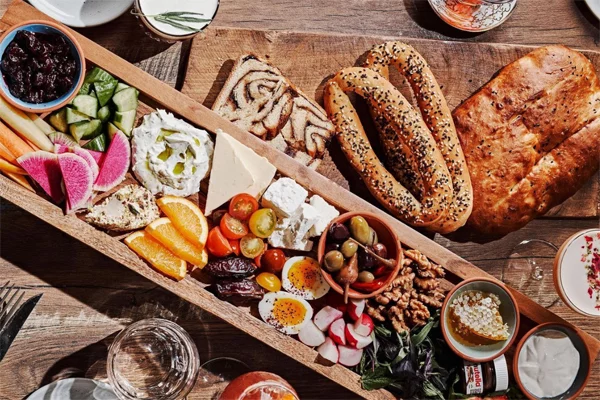 A classic restaurant brunch spread balances sweet and savory options for a range of preferences.
Credit: www.atlantaeats.com
A classic restaurant brunch spread balances sweet and savory options for a range of preferences.
Credit: www.atlantaeats.com
Standard Brunch Hours: What to Expect in 2026
Typical Opening Windows by Day of Week
For most casual and sit-down restaurants in North America, standard brunch hours run from 10:00 AM to 2:00 PM on weekdays, catering to remote workers and people with flexible schedules looking for a mid-morning break. Weekend brunch service is far more extended: most spots open their brunch menus at 10:30 AM and run until 3:00 PM or 4:00 PM on Saturdays and Sundays to accommodate large groups, post-brunch plans, and the relaxed weekend vibe. Fast-casual cafes and food halls often offer "brunch all day" on weekends, meaning their full breakfast and lunch menus are available from open to close for guests who want options outside the standard 10 a.m. to 2 p.m. window.
Brunch Hours by Venue Type
Exact start and end times vary widely based on the type of venue you’re visiting. The table below breaks down typical 2026 brunch hours across common venue types to help you plan your visit:
| Venue Type | Weekday Brunch Hours | Weekend Brunch Hours | Notes |
|---|---|---|---|
| Fast-casual café | 9am – 2pm | 8am – 3pm | Often serves full breakfast/lunch menu all day on weekends |
| Sit-down restaurant | 10am – 2pm | 10am – 4pm | Last seating is usually 30-45 minutes before closing |
| Hotel/resort brunch | 10am – 3pm | 9am – 5pm | Often includes extended hours for holiday weekends and special events |
| Food hall | 10am – 3pm | 9am – 4pm | Individual vendor hours may vary, but the hall is open during this window |
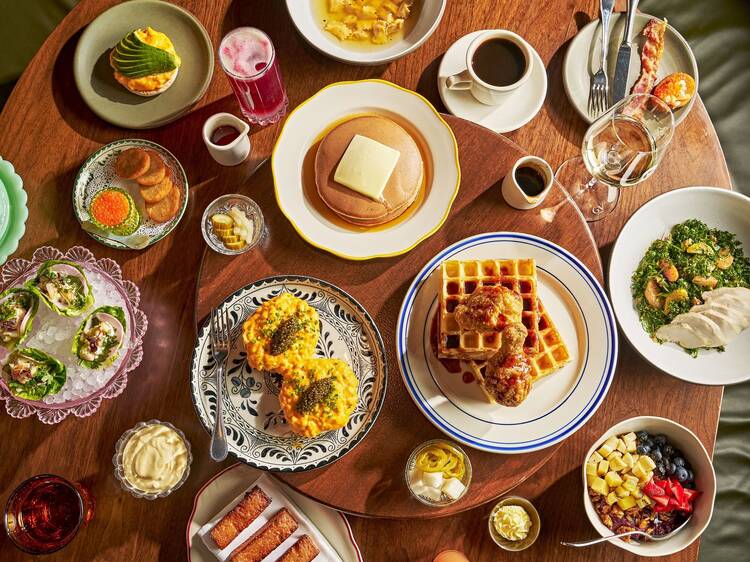 Outdoor patio brunch is a popular weekend option for groups looking for a casual, social atmosphere.
Credit: www.timeout.com
Outdoor patio brunch is a popular weekend option for groups looking for a casual, social atmosphere.
Credit: www.timeout.com
Key Factors That Shift Brunch Timing
Cultural and Regional Norms
Brunch timing varies dramatically across regions, aligned with local cultural habits around meal times. In the U.S. and Canada, brunch almost always starts between 10 a.m. and 11 a.m., but in Spain and Italy, brunch often starts at 12 p.m. (noon) and runs until 3 p.m., aligning with their later lunch culture. In Australia, brunch is a national cultural staple, with many cafes opening as early as 7 a.m. and serving brunch-style dishes until 2 p.m. In many East Asian cities like Tokyo and Seoul, brunch is a newer, Western-influenced trend, with most spots opening at 11 a.m. and closing by 2 p.m.
Local Laws and Licensing
Many regions have "blue laws" or alcohol service regulations that restrict when restaurants can serve alcoholic beverages, which directly impacts brunch start times. For example, some U.S. states and Canadian provinces do not allow alcohol sales before 11 a.m. on Sundays, so venues in these areas push their brunch start time to 11 a.m. on Sundays to offer their full brunch cocktail menu. Many venues adjust their offerings during these restricted windows, highlighting non-alcoholic mocktails and specialty coffee drinks to accommodate guests who don’t drink alcohol.
Special Events and Holiday Schedules
During high-demand holidays like Mother’s Day, Easter, New Year’s Day, and Valentine’s Day, most restaurants extend their brunch hours by 1-2 hours and require reservations 2-4 weeks in advance. Many venues also offer fixed-price holiday brunch menus with limited options to speed up service for large crowds. A common mistake guests make is showing up to a holiday brunch without a reservation, which can lead to wait times of 2 hours or more during peak hours. If you’re planning to attend a holiday brunch, book your table as early as possible and confirm the venue’s timing and menu ahead of time.
How to Time Your Brunch Perfectly (For Guests and Hosts)
For Brunch Guests: When to Arrive
If you’re attending a popular restaurant brunch on a weekend, arrive 15-30 minutes before the venue opens to beat the wait, or make a reservation 1-2 weeks in advance for groups of 4 or more to secure a spot during peak hours (11 a.m. to 1 p.m.). For private brunch events, arrive 5-10 minutes after the stated start time unless the host explicitly asks you to come early to help with setup or food prep. If you have dietary restrictions, alert the host or restaurant 24 hours in advance so they can accommodate you without delaying service for other guests.
For Brunch Hosts: Timing Your Event
Planning a private brunch? Follow these steps to get the timing right:
- Send a poll to guests 1-2 weeks in advance to find a time that works for the majority, accounting for travel time and any post-brunch plans.
- For a 2-hour brunch, plan to serve coffee, pastries, and cold dishes (fruit platters, salads) within 15 minutes of the stated start time, with hot savory dishes (omelets, pancakes, casseroles) served 30-45 minutes after arrival so they’re fresh.
- If you’re serving alcohol, wait to offer drinks until after the first round of food is served to avoid serving drinks on an empty stomach, which can leave guests feeling unwell later in the day.
For a low-stress hosting experience, opt for make-ahead brunch staples that can be prepped the night before and kept warm for guests. For boozy brunch upgrades, try pre-mixed brunch cocktails that can be served over ice as guests arrive to cut down on day-of mixing work. When hosting, follow University of Minnesota Extension's brunch hosting food safety guidelines to keep cold dishes chilled and hot dishes at safe temperatures throughout the event.
Brunch Timing Around the World
North America
In the U.S. and Canada, brunch is almost exclusively a weekend tradition, with most restaurants offering dedicated brunch menus only on Saturdays and Sundays. Common brunch hours run from 10 a.m. to 2 p.m., with trendy urban spots often opening earlier (9 a.m.) on weekends to accommodate early risers. In Mexico, brunch (often called almuerzo) is typically a later meal, starting at 1 p.m. and running until 4 p.m., with a focus on hearty dishes like chilaquiles, breakfast tacos, and horchata.
Europe
In the UK, brunch is a popular weekend family tradition, with cafes and bistros opening at 10 a.m. and serving until 3 p.m., with classic dishes including full English breakfast, avocado toast, and scones with clotted cream. In France, le brunch is usually a relaxed, 11 a.m. to 2 p.m. meal focused on pastries, quiche, fresh fruit, and coffee. In Scandinavia, brunch (called frokost) is often a casual, family-style meal served on weekends, with open-faced sandwiches, cured fish, and strong coffee.
Asia and Australia
In Australia, brunch is a core part of the country’s café culture, with many spots opening as early as 7 a.m. and serving dishes like avocado toast, flat whites, and acai bowls until 2 p.m. In Japan, Western-style brunch is popular in major cities like Tokyo, with spots opening at 10 a.m. and serving pancakes, eggs Benedict, and matcha-based cocktails until 2 p.m. Traditional Japanese restaurants may also offer a set asachiru (morning meal) starting at 8 a.m. with rice, miso soup, and grilled fish. In India, weekend brunch typically starts at 11 a.m. and runs until 2 p.m., with popular dishes including masala dosa, stuffed parathas, and masala chai.
Popular Brunch Activities to Pair With Your Timing
Iconic Brunch Drinks
Brunch drinks are a core part of the experience, with classic options including mimosas, Bloody Marys, and bellinis. In 2026, most venues offer low-ABV and non-alcoholic options as standard, including virgin mimosas, cold brew coffee cocktails, and sparkling fruit juices for guests who don’t drink alcohol. Many spots also offer build-your-own mimosa bars with a range of juices, fresh fruit, and herbs for guests to customize. A common mistake is ordering a heavy, sugary cocktail first thing, which can leave you feeling sluggish mid-meal; opt for a lighter option like a prosecco-based mimosa if you have plans after brunch.
Entertainment and Ambiance
Many popular brunch spots now offer themed experiences that extend their service window to 3-4 hours to accommodate extra entertainment. Common themed brunches include drag brunch, trivia brunch, and even silent disco brunch, which often require reservations weeks in advance. If you’re hosting a private brunch, low-key entertainment like a curated playlist or a quick group icebreaker game can keep the mood light without overwhelming your schedule.
Indoor vs. Outdoor Brunch Timing
Outdoor brunch is most popular in spring and summer, with many venues opening their patios at 10 a.m. on weekends to take advantage of cooler morning temperatures. If you’re hosting an outdoor brunch, plan to start 30 minutes earlier than you would indoors to account for guests lingering outside, and have a backup indoor space in case of unexpected rain. Indoor brunch is ideal for cooler months, with many venues offering cozy, heated spaces that operate on standard brunch hours.
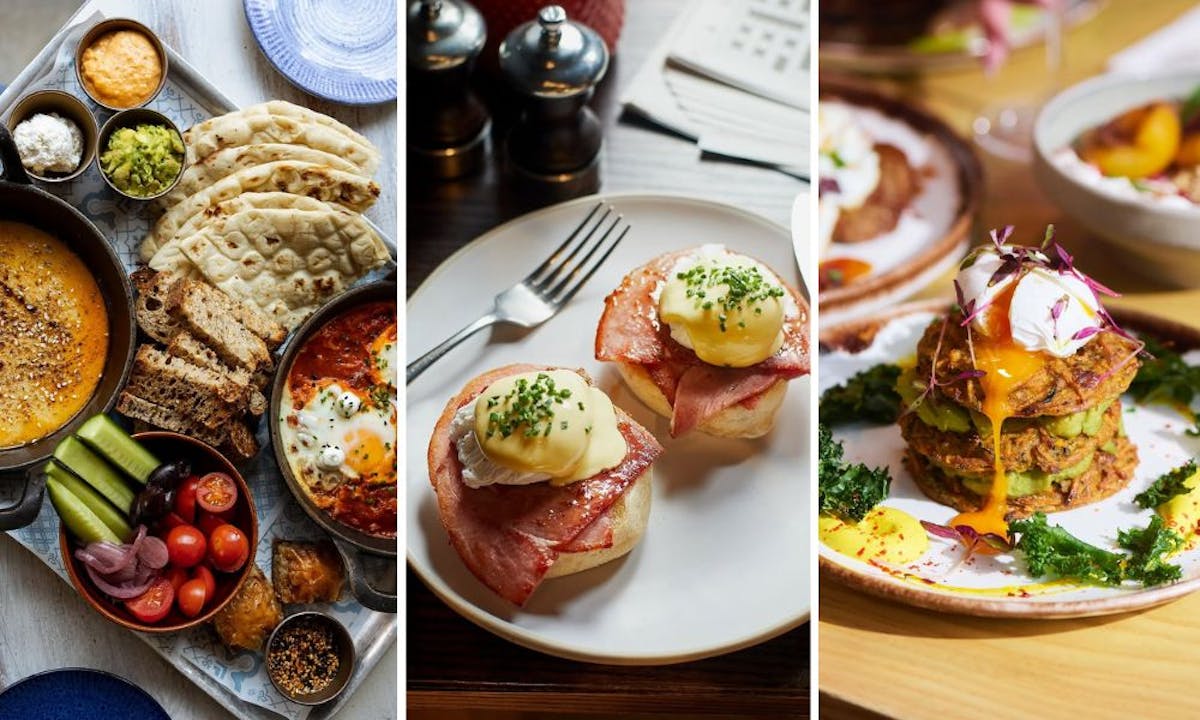 Outdoor group brunches are ideal for casual celebrations and weekend get-togethers.
Credit: www.squaremeal.co.uk
Outdoor group brunches are ideal for casual celebrations and weekend get-togethers.
Credit: www.squaremeal.co.uk
Frequently Asked Questions
What time does brunch usually start?
Most sit-down restaurants begin serving their dedicated brunch menu between 10:00 AM and 11:30 AM, with many fast-casual spots opening brunch service as early as 8:00 AM on weekends. Exact start times vary by venue type, location, and day of the week, so it’s always best to check the restaurant’s website or call ahead if you’re planning a visit for a specific time.
Is brunch served on weekends only?
While brunch is most popular on Saturdays and Sundays, many restaurants and cafes now offer brunch menus on weekdays, especially in urban areas with high foot traffic from remote workers and employees with flexible schedules. Some venues also serve brunch on holidays like Mother’s Day, Easter, and New Year’s Day, often with extended hours and special fixed-price menus.
How long does brunch usually last?
A standard restaurant brunch service runs for 4-6 hours total, with last seating usually 30-45 minutes before the stated closing time. For private brunch events, most hosts plan for 2-3 hours of service to give guests time to eat, socialize, and enjoy activities without feeling rushed.
What foods are common during brunch?
Brunch menus blend breakfast and lunch staples, with common dishes including eggs Benedict, pancakes, waffles, quiche, salads, sandwiches, and pastries. Many brunch spots also offer signature cocktails like mimosas, Bloody Marys, and bellinis, along with coffee, tea, and fresh juices. For a crowd-pleasing savory option, buffalo chicken casserole with pasta is a popular make-ahead brunch main that works for large groups. For guests avoiding heavy dishes, a fresh chicken salad with cucumbers makes a light, refreshing side.
Can I order breakfast items during brunch?
In most cases, yes. Many restaurants offer their full breakfast menu alongside their brunch specials during brunch hours, though some high-volume spots may limit breakfast items to only the most popular options (like eggs and pancakes) to speed up service. If you’re craving a specific breakfast dish, it’s always best to ask your server when you sit down.
Do I need a reservation for brunch?
For popular spots on weekends and holidays, reservations are highly recommended, especially for groups of 4 or more. Many restaurants open their reservation books 2-4 weeks in advance for holiday brunches, and walk-in waits can be 1-2 hours during peak times (11 a.m. to 1 p.m. on weekends). For casual fast-casual spots, reservations are usually not required, but arriving early is still recommended to beat the rush.
Conclusion
Brunch start times are fairly consistent across most of North America, with standard weekday service running from 10 a.m. to 2 p.m. and weekend service extending from 10 a.m. to 4 p.m. in most sit-down venues. Global timing varies based on local cultural norms and alcohol regulations, so it’s always best to check a venue’s website or call ahead if you’re unsure of their hours.
Whether you’re a guest planning a weekend outing or a host organizing a private event, timing your brunch to align with these standard windows will help you avoid long waits, get the full menu, and enjoy the relaxed, social vibe that makes brunch such a beloved meal. For low-stress hosting, opt for make-ahead dishes and pre-mixed drinks to cut down on day-of work, and don’t forget to account for your guests’ schedules and dietary needs when picking a time. For more tested hosting guides, seasonal recipe ideas, and timing tips for all your meal planning needs, check out our tested hosting guides for expert-backed content that takes the guesswork out of cooking and entertaining.

Hi, I’m Daniel Brooks—a food lover and kitchen gear enthusiast. I enjoy testing cookware, utensils, and gadgets to see what really works in everyday cooking. At PlugChef.com, I share honest reviews, comparisons, and simple guides to help you choose the best tools for a safer, smarter, and more enjoyable kitchen.
Related posts:
 How to Make a Fruit Basket for a Gift: Easy DIY Guide
 Cord Organizer for Kitchen Appliances: Tidy Up Effortlessly
 A Passive System-Dependent Recovery Process: Boost Appliance Lifespan
 Black Kitchen Cabinets With Black Appliances: Bold Elegance
 How to Clean Kitchen Sink Drain Naturally: Easy & Effective Tips
 Granite Sink Cleaner: The Best Way to Keep Your Sink Clean

