

You’re in the grocery store produce aisle, staring at a pile of tiny, crisp green cucumbers labeled three different ways, and you’re pretty sure they’re not just “small regular cucumbers.” You’re right: these little crunchy vegetables are purpose-bred cultivars with more official, marketing, and regional names than you’d expect, and they’re nothing like the large, seedy slicing cucumbers you’re used to. In this guide, we’ll break down every common name for mini cucumbers, clarify the confusing gherkin misnomer, compare them to regular cucumbers, and share practical tips for eating, growing, and storing them.
What Exactly Are Mini Cucumbers? (They’re Not Just Unripe Regular Cucumbers)
Mini cucumbers are distinct, cultivated varieties of Cucumis sativus bred specifically for their compact size, thin skin, and mild, sweet flavor. Unlike small regular slicing cucumbers that are just harvested early, true mini cucumber varieties are genetically designed to stay 3–6 inches long at full maturity, with very few small seeds and no tough, bitter skin. Most commercial mini varieties are parthenocarpic, meaning they produce fruit without pollination, which is why they’re almost always seedless. If you see “baby cucumbers” labeled in stores, these may be either true mini varieties or just small, immature regular cucumbers—so check the size and texture to tell the difference.
For more easy produce prep ideas and cooking inspiration, our kitchen inspiration hub has hundreds of tested guides for home cooks.
All the Common (and Surprising) Names for Mini Cucumbers
The names for these small cukes vary depending on whether you’re looking at a seed catalog, a grocery store label, or a farmer’s market stand. Below is a full breakdown of every term you’ll encounter.
Official Cultivar Names
These are the registered, breed-specific names used by growers and seed companies:
- Persian cucumbers: The most widely available variety, seedless, with ultra-thin, tender skin and a crisp, mildly sweet flavor.
- Japanese/Lebanese cucumbers: Nearly identical to Persian cucumbers, with a slightly sweeter, more aromatic profile.
- Boston Pickling cucumbers: Small, bumpy-skinned, and bred specifically for pickling, though they’re also great for fresh eating.
- Chinese long cucumbers: Slender, 4–6 inches long, with a crisp texture popular in East Asian cuisine.
- Lemon cucumbers: Round, yellow, and sweet, often sold as a specialty mini variety.
Grocery Store Marketing Names
Retailers use these terms to highlight use cases rather than distinct varieties:
- Snack cucumbers
- Seedless cucumbers
- Petite cucumbers
- Cocktail cucumbers
- Pickling cucumbers (when sold small)
Regional and Colloquial Names
- In the UK, Canada, and parts of the US, they’re almost universally called “baby cucumbers.”
- Some US regions refer to small pickling varieties as “cornichons,” though true cornichons are a specific French gherkin variety.
The Gherkin Misnomer: What’s the Real Difference?
You’ll often hear mini cucumbers called gherkins, but this is technically incorrect. True gherkins (also called West Indian gherkins, Cucumis sativus var. sativus) are a separate, smaller, bumpier variety that only grows 1–3 inches long and is almost exclusively used for pickling. Most store-bought “gherkins” are actually mini cucumber varieties, which is why the terms are so often used interchangeably.
How Mini Cucumbers Differ From Regular Slicing Cucumbers
The differences between mini and regular cucumbers go far beyond size, and impact how you use them in the kitchen:
| Feature | Mini Cucumbers | Regular Slicing Cucumbers |
|---|---|---|
| Typical Length | 3–6 inches | 8–12 inches |
| Skin Texture | Thin, tender, almost always edible (no peeling needed) | Thick, often waxed for shipping, may require peeling |
| Seed Count | Very few, tiny seeds (most are completely seedless) | Large, prominent seeds in the center that need scooping out |
| Flavor Profile | Mild, sweet, very low in bitter cucurbitacins | Can be bitter, especially in the skin and stem end |
| Best Uses | Fresh eating, snacking, pickling, charcuterie boards | Salads, sandwiches, slicing for burgers, cooked dishes |
| Harvest Timing | Picked young at peak tenderness | Picked mature when fully sized |
The lower cucurbitacin (bitter compound) content is why mini cucumbers are far less likely to have the unpleasant bitter aftertaste common in larger slicing varieties.
Popular Culinary Uses for Mini Cucumbers
Their crisp texture and mild flavor make mini cucumbers far more versatile than you might think.
Fresh Eating and No-Prep Snacks
Thanks to their thin, edible skin, mini cucumbers need no prep beyond a quick rinse. They’re perfect for on-the-go snacks, kid’s lunchboxes, or pairing with dips like hummus, tzatziki, or ranch. For a quick appetizer, slice them lengthwise and fill with cream cheese, tuna salad, or herbed goat cheese. Scrub store-bought mini cucumbers with a sturdy kitchen scrub brush to remove any residual wax or dirt before eating.
Pickling: Quick and Fermented Options
Mini cucumbers are the gold standard for pickling, as their small size absorbs brine evenly and stays crisp. For quick pickles, submerge them in a mix of vinegar, water, salt, sugar, and your choice of spices (dill, garlic, chili flakes work well) for 1–2 hours; they’ll keep in the fridge for up to 2 weeks. For fermented probiotic pickles, submerge them in a salt brine for 3–5 days at room temperature. A common mistake is leaving them in brine too long, which leads to mushy texture—stick to the recommended timelines for best results. If you have young kids at home, store pickled batches in a locked cabinet using no-drill child locks to keep them out of reach.
Salads, Rolls, and Charcuterie Boards
Their crisp crunch adds a fresh contrast to rich, salty, or creamy ingredients. Toss sliced mini cucumbers into green salads, add them to sushi or spring rolls, or pile them onto charcuterie boards alongside cheese, cured meats, and crackers. For tips on arranging the perfect spread, check out our guide to cutting cheese for charcuterie.
Cooked Dishes (Yes, Really!)
Mini cucumbers hold their crunch far better than regular slicing cucumbers when cooked lightly. Try grilling them with a drizzle of olive oil, tossing them into stir-fries, adding them to cold soups, or roasting them with garlic and herbs for a unique side dish.
Growing Mini Cucumbers at Home
Mini cucumbers are surprisingly easy to grow, even in small spaces, and produce a high yield of fruit over the summer.
Best Varieties for Home Gardens
- Persian: High yield, seedless, perfect for fresh eating.
- Spacemaster 80: A compact bush variety that doesn’t require a trellis, ideal for containers and small balconies.
- Boston Pickling: Prolific producer, perfect for small-batch pickling.
- Lemon: Sweet, round, and great for snacking, with a fun yellow color.
Planting and Care Requirements
- Choose a spot with 6+ hours of full sun daily.
- Use well-drained soil amended with compost, with a pH between 6.0 and 6.8 for optimal growth.
- Plant seeds or seedlings after your last local frost date, spacing plants 12–18 inches apart. Use a trellis for vining varieties to save space.
- Water consistently, providing 1–2 inches of water per week. Use a soaker hose instead of overhead watering to avoid wetting leaves, which prevents powdery mildew—a very common mistake for new cucumber growers.
- Mulch around plants to retain moisture and suppress weeds.
- Fertilize with a balanced organic fertilizer every 3–4 weeks.
For detailed, region-specific growing guidance, the University of Minnesota Extension recommends monitoring for pests like aphids and treating them early with insecticidal soap to avoid damage to plants.
Harvesting for Peak Flavor
Pick mini cucumbers when they reach 3–4 inches long, even if they’re smaller than you expect. Leaving them on the vine too long leads to bitter, seedy fruit. Harvest every 2–3 days to encourage continuous fruit production through the summer. For pickling varieties, pick them at 1–2 inches for the smallest, crispest pickles.
For scrubbing stubborn dirt off homegrown mini cucumbers with bumpy skin, a brush with a comfortable grip works better than a standard sponge.
Nutritional Benefits of Mini Cucumbers
Mini cucumbers are a low-effort, high-reward addition to a balanced diet, with a range of health benefits:
Low-Calorie, High-Nutrient Profile
According to the USDA FoodData Central database, 1 cup of sliced mini cucumbers contains just 8 calories, 0.1g of fat, 1.5g of net carbs, and 0.3g of protein. They’re a good source of key micronutrients:
- 10% of your daily vitamin K needs, for bone health and blood clotting
- 5% of your daily vitamin C needs, for immune support and skin health
- 4% of your daily potassium needs, for blood pressure regulation and fluid balance
- Small amounts of magnesium, manganese, and B vitamins
Hydration and Digestive Support
Mini cucumbers are 95% water, making them an excellent hydrating snack, especially in hot weather. The soluble fiber in their thin skin feeds beneficial gut bacteria, supports regular bowel movements, and they’re low-FODMAP, making them safe for people with IBS or sensitive digestive systems.
Antioxidant Content
Mini cucumbers contain beta-carotene, lutein, and flavonoids that reduce inflammation and support long-term eye health. Eating them unpeeled maximizes your intake of these nutrients, which are concentrated in the skin.
Mini cucumbers are also a great low-mess snack for toddlers, and pairing them with secure kitchen safety latches ensures cleaning supplies stay locked away while little ones eat.
Frequently Asked Questions
What are mini cucumbers called?
The most common names are Persian cucumbers, snack cucumbers, seedless cucumbers, and baby cucumbers (though “baby cucumber” can also refer to small, immature regular slicing cucumbers). True mini varieties are purpose-bred cultivars like Persian, Japanese, and Boston Pickling.
Are mini cucumbers different from regular cucumbers?
Yes. Mini cucumbers are smaller (3–6 inches vs 8–12 inches for regular), have thin edible skin, far fewer seeds, and a milder, sweeter flavor with less bitter cucurbitacins. They’re also often parthenocarpic (seedless) and harvested much earlier.
Can I use mini cucumbers in place of regular cucumbers?
Absolutely. They work in all the same applications, and their thin skin means no peeling is needed for most recipes. They’re especially well-suited for snacking, pickling, and dishes where a crisp, mild crunch is desired.
Why are mini cucumbers sweeter than regular cucumbers?
They have a lower concentration of cucurbitacins, the natural bitter compounds that build up in larger, mature cucumbers, especially in the skin and stem end. They also have a higher sugar-to-water ratio than mature slicing cucumbers.
Are mini cucumbers genetically modified?
Most commercially available mini cucumber varieties are bred using traditional cross-breeding methods, not genetic modification. A small number of hybrid varieties exist, but these are not classified as GMO by the USDA or FDA.
Do I need to peel mini cucumbers?
No. Their thin, tender skin is edible and packed with fiber and antioxidants. Just wash them thoroughly under running water before eating to remove any dirt or residual wax from shipping.
Can I freeze mini cucumbers?
Raw mini cucumbers do not freeze well, as their high water content makes them mushy when thawed. For freezing, pickle them first, or blend them into smoothies or cold soups before freezing.
Conclusion
Mini cucumbers go by dozens of names, from official cultivar names like Persian and Boston Pickling to grocery store terms like snack and cocktail cucumbers. They’re a versatile, low-calorie, nutrient-dense produce pick that’s easy to grow at home and works in countless recipes, from quick snacks to fermented pickles. Next time you’re in the produce aisle, you’ll be able to spot exactly what variety you’re picking up, no confusion required.
Ready to add more crisp, fresh flavor to your meals? Try quick-pickling a batch of mini cucumbers this weekend, or toss them into a salad for a low-effort, high-reward side dish. For more easy kitchen tips, produce guides, and tested recipes, explore our weekly cooking blog for fresh ideas.
 Miniature white cucumbers are a rare, sweet variety with pale, tender skin.
Credit: savvygardening.com
Miniature white cucumbers are a rare, sweet variety with pale, tender skin.
Credit: savvygardening.com
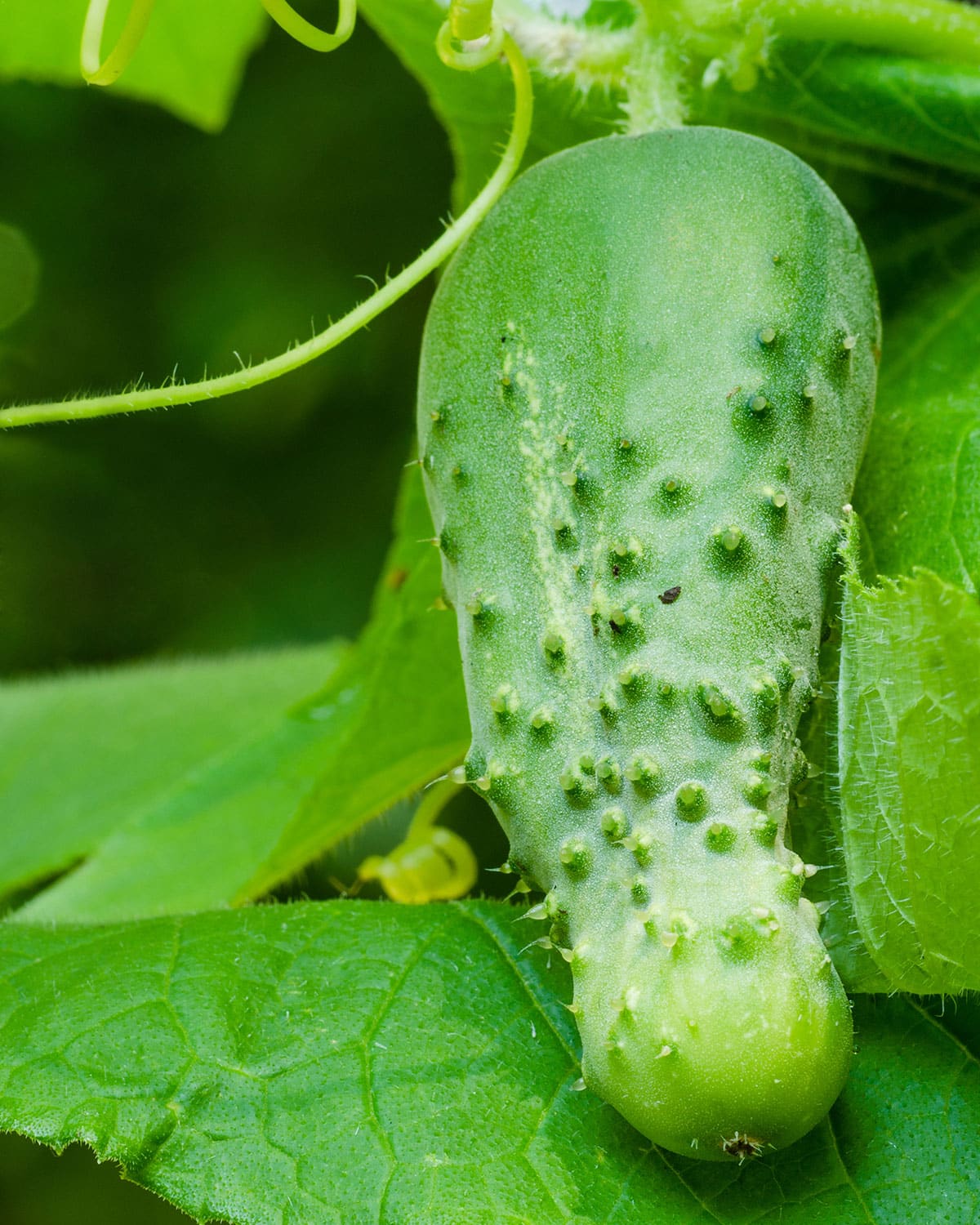 Boston pickling cucumbers are small, bumpy, and ideal for both quick and fermented pickles.
Credit: www.liveeatlearn.com
Boston pickling cucumbers are small, bumpy, and ideal for both quick and fermented pickles.
Credit: www.liveeatlearn.com
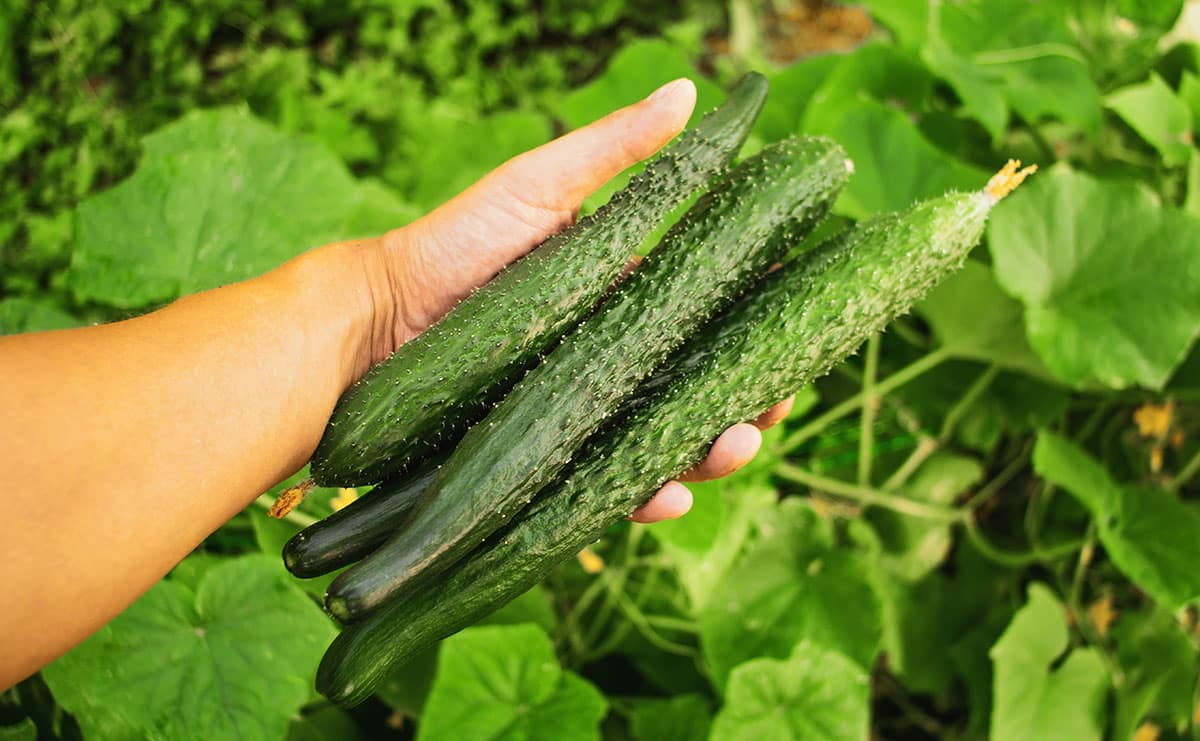 Chinese mini cucumbers are slender, crisp, and popular in East Asian cuisine.
Credit: www.liveeatlearn.com
Chinese mini cucumbers are slender, crisp, and popular in East Asian cuisine.
Credit: www.liveeatlearn.com
Frequently Asked Questions
What are mini cucumbers called?
Mini cucumbers go by dozens of common names depending on where you encounter them. The most widely recognized official cultivar names are Persian, Japanese, Boston Pickling, and Chinese long cucumbers. Retailers often label them as snack cucumbers, seedless cucumbers, or cocktail cucumbers to highlight their convenient use case, while home growers and casual shoppers frequently call them baby cucumbers or petite cucumbers. The term “gherkin” is often misused for mini cucumbers, but true gherkins are a separate, smaller variety reserved almost exclusively for pickling.
Are mini cucumbers genetically modified?
Most commercially available mini cucumber varieties are developed using traditional cross-breeding techniques, not genetic modification. The USDA and FDA do not classify standard mini cucumber cultivars like Persian or Boston Pickling as GMO. A small number of hybrid varieties exist for disease resistance, but these are not considered genetically engineered by regulatory standards.
Do I need to peel mini cucumbers before eating?
No. Their thin, tender skin is completely edible and packed with fiber and antioxidants like beta-carotene and lutein. Simply wash them thoroughly under running water to remove any residual wax, dirt, or pesticide residues before eating raw, adding to salads, or pickling. Peeling is only necessary if you prefer the texture without skin for specific recipes, like smooth soups or purees.
Can I grow mini cucumbers in containers?
Yes, many mini cucumber varieties are perfectly suited for container growing. Compact bush varieties like Spacemaster 80 stay under 2 feet tall and don’t require a trellis, making them ideal for balconies, patios, or small garden spaces. Use a pot at least 12 inches wide with well-draining potting mix, and provide 6+ hours of full sun daily for best yields.
Why are some mini cucumbers bitter?
Bitter flavor in mini cucumbers is almost always caused by inconsistent watering, high temperatures, or poor soil conditions that trigger cucurbitacin production, the natural bitter compound found in all cucumber varieties. To avoid bitterness, water plants consistently (1–2 inches per week), mulch to keep soil temperatures stable, and harvest fruit promptly when it reaches 3–4 inches long. If you encounter a bitter cucumber, discard the stem end and the skin, as that’s where the highest concentration of bitter compounds accumulates.
Can mini cucumbers be substituted for regular cucumbers in recipes?
Absolutely. Mini cucumbers work as a 1:1 substitute for regular slicing cucumbers in almost all applications, including salads, sandwiches, sushi rolls, and cold soups. Their thinner skin and lack of large seeds mean they often require less prep work than regular cucumbers, making them a convenient swap for busy home cooks. They also hold their crunch better than regular cucumbers when cooked lightly in stir-fries or grilled dishes.
Conclusion
Mini cucumbers may seem like a simple, unremarkable produce item at first glance, but their range of official cultivar names, unique growing traits, and versatile culinary uses make them a far more interesting and practical ingredient than their small size suggests. Whether you’re grabbing a bag of snack cucumbers for a quick on-the-go bite, quick-pickling a batch of tangy homemade pickles, or growing your own crop of crisp Persian cukes on a sunny patio, these low-calorie, nutrient-dense vegetables are a low-effort, high-reward addition to any kitchen. Next time you see them labeled under one of their many names at the grocery store, you’ll know exactly what variety you’re picking up—and how to make the most of it.
Ready to put your new mini cucumber knowledge to use? Try quick-pickling a small batch this weekend for a tangy, crunchy snack that keeps for up to two weeks in the fridge, or toss sliced mini cucumbers into your next salad for a fresh, crisp boost of flavor. For more tested cooking guides, produce tips, and easy meal ideas, browse our full library of kitchen resources to find your next favorite recipe.

I’m Abby Lu, a passionate home cook who loves simplifying everyday meals. At PlugChef.com, I share product reviews and cooking guides to help you find the best tools for your kitchen.
Related posts:
 Seville Expandable Cabinet And Pantry Organizer: Space Savior
 Glideware Pull Out Cabinet Organizer for Pots & Pans: Space Saver
 Small 3-Tier Shelf Organizer: Maximize Space Effortlessly
 Trader Joe’S Spicy Lentil Wrap: Delicious, Healthy, and Quick Meal!
 Easy Way to Peel Pumpkin: Quick Tips for Effortless Prep
 How Long Do Grapes Last: Ultimate Freshness Guide Revealed

