
Standing in the produce aisle, staring at piles of green, red, and crinkly cabbages, you pick one up and wonder: is this the right size for tonight’s slaw, or will you end up with half a head rotting in your crisper drawer? The weight of a head of cabbage is one of the most overlooked (but high-impact) details for home cooks, meal preppers, and gardeners alike. Getting it right eliminates food waste, cuts grocery costs, and ensures your recipes turn out perfectly every time.
In this guide, we’ll break down average cabbage weights by size and variety, share accurate weighing methods (with and without a scale), outline perfect portion sizes for every recipe, and cover buying and storage tips to keep your cabbage fresh as long as possible. For more actionable meal prep and portion planning guides, check out our full kitchen resource hub.
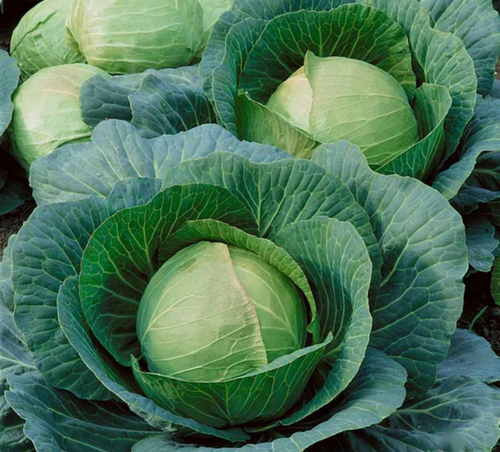 Danish Ballhead cabbage is a popular medium-weight variety ideal for slaws and stews.
Credit: www.holmesseed.com
Danish Ballhead cabbage is a popular medium-weight variety ideal for slaws and stews.
Credit: www.holmesseed.com
What Determines the Weight of a Head of Cabbage?
Cabbage weight isn’t random: it’s shaped by variety, growing conditions, and harvest timing. Understanding these factors helps you pick the right head for your needs, whether you’re feeding a family of four or prepping a single serving of slaw.
Average Weight Ranges by Size
Supermarket cabbage heads generally fall into three size categories, each suited to different use cases:
| Cabbage Size | Typical Weight | Best Use Cases | Servings Yielded |
|---|---|---|---|
| Small | 1–2 lbs (0.45–0.9 kg) | Single servings of slaw, small batches of kimchi, quick stir-fries | 2–3 servings of slaw, 4 servings of stir-fry |
| Medium | 3–4 lbs (1.36–1.81 kg) | Family meals, stuffed cabbage rolls, pot of stew, medium batch of sauerkraut | 4–6 servings of slaw, 6–8 servings of stew, 12–16 cabbage rolls |
| Large | 5+ lbs (2.27+ kg) | Bulk preserving, large gatherings, meal prep for 1+ weeks | 10+ servings of slaw, 2+ quarts of sauerkraut |
A common mistake shoppers make is judging weight by outer leaf size: loose, wilted outer leaves add bulk but almost no weight, so always press the top of the head to check for firmness before buying. Hollow-core cabbages (a common harvest defect) can also weigh 15–20% less than solid heads of the same visual size.
How Cabbage Variety Impacts Weight
Different cabbage varieties have distinct densities and average weights, which directly impact how much you need to buy for a recipe:
- Green cabbage: The most common supermarket variety, with tightly packed, dense leaves. Average weight ranges from 2–5 lbs (0.9–2.27 kg). Its firm texture holds up well to cooking, making it ideal for slaws, stews, and sauerkraut.
- Red cabbage: Similar in density to green cabbage, with deep purple-red pigmented leaves. Average weight ranges from 2–3.5 lbs (0.9–1.59 kg). It holds its color when cooked, making it perfect for braised dishes or adding a pop of color to salads.
- Savoy cabbage: Identified by its loose, crinkled, frilly leaves and less dense structure. Average weight ranges from 1.5–3 lbs (0.68–1.36 kg). Its tender, mild leaves cook faster than green cabbage, making it a great pick for wraps, soups, and stir-fries.
- Napa cabbage: Long, oval-shaped with soft, pale green loose leaves. Average weight ranges from 1–3 lbs (0.45–1.36 kg). It has a mild, slightly sweet flavor and is the most common variety used in kimchi, stir-fries, and fresh spring rolls.
- Bok choy: A related brassica often grouped with cabbage, with crisp white stems and dark green leaves. Average weight ranges from 0.5–2 lbs (0.23–0.9 kg), and it’s ideal for quick stir-fries and side dishes.
Growing and Harvest Factors That Affect Weight
Even within the same variety, cabbage weight can vary by 30% or more based on growing and harvest conditions:
- Soil and water: Cabbage grown in consistently moist, nitrogen-rich soil with full sun exposure will produce heavier, denser heads than those grown in dry, low-nutrient conditions. According to University of Minnesota Extension research, optimal growing conditions can increase head weight by 20–30% compared to suboptimal setups.
- Harvest timing: Cabbage harvested at full maturity will be heavier and denser than immature heads picked early. Immature cabbage is lighter and more tender, but has a shorter storage life.
- Post-harvest handling: Cabbage that is cooled quickly after harvest and stored at 32–36°F (0–2°C) with 90–95% humidity will retain its weight and crispness for weeks, while cabbage left at room temperature will lose moisture and weight rapidly as leaves wilt.
How to Accurately Weigh a Cabbage Head
Weighing cabbage eliminates guesswork for recipes, meal prep, and budgeting. You can get precise results with or without a kitchen scale.
Using a Kitchen Scale for Precision
A digital kitchen scale is the most accurate way to weigh cabbage, especially for recipes that require exact measurements. Follow these steps for the most reliable reading:
- Place your scale on a flat, stable surface and tare it (set to zero) with any container (like a bowl or produce bag) you’re using to hold the cabbage, so you don’t have to subtract the container’s weight later.
- Place the whole cabbage head (or trimmed portion) in the center of the scale, not hanging off the edge, to avoid an inaccurate reading.
- Note the weight, and adjust for yield if needed: 1 pound of whole cabbage yields roughly 4 cups of shredded cabbage, so you can calculate how much to buy for your recipe.
Before weighing, scrub the outer leaves with a sturdy produce brush to remove dirt and waxy residue that can add unnecessary weight to your reading.
Estimating Weight Without a Scale
If you don’t have a scale on hand, you can estimate cabbage weight using visual and tactile cues with 80–90% accuracy:
- Size comparison: A medium cabbage is roughly the size of a standard basketball and weighs ~3 lbs. A small cabbage is the size of a large grapefruit and weighs ~1.5 lbs, while a large cabbage is the size of a beach ball and weighs 4+ lbs.
- Weight test: Lift the cabbage: a small head will fit in one hand and feel light, a medium head requires two hands and has moderate heft, and a large head requires two hands to lift and feels heavy.
- Density check: Press the top of the head: a firm, dense head will be heavier than a loose, soft head of the same size.
A common mistake when estimating is judging by outer leaf spread: loose outer leaves add bulk without adding meaningful weight, so always prioritize firmness over size.
 Weighing cabbage on a kitchen scale is the most accurate way to hit portion targets for recipes.
Credit: soonhuatseeds.com
Weighing cabbage on a kitchen scale is the most accurate way to hit portion targets for recipes.
Credit: soonhuatseeds.com
Perfect Portion Sizes for Every Recipe
Cabbage portion sizes vary widely based on the dish you’re making, as different preparations shrink or expand the vegetable’s volume. Use these weight-based guidelines to hit the perfect portion every time:
- Salads and slaws: ¼ lb (113g) of shredded cabbage per serving. A 3-lb medium head yields 12 servings of slaw, enough for a family cookout or week of meal prep.
- Soups and stews: ½ lb (227g) of chopped cabbage per serving. A 4-lb head feeds 8 people in a hearty cabbage soup or beef stew.
- Stuffed cabbage rolls: 1 large, intact leaf per roll. A medium head yields 12–16 leaves, enough for a family meal of 4–6 rolls.
- Fermented dishes (sauerkraut, kimchi): 2 lbs of cabbage yields 1 quart of finished fermented product. A 5-lb large head makes 2.5 quarts, enough for months of use.
- Stir-fries and side dishes: ¼ lb per serving. A 2-lb small head feeds 8 people in a quick weeknight stir-fry.
- Charcuterie and crudité boards: 2–3 oz (57–85g) of sliced cabbage per person for a side. A small head is more than enough for a party of 8.
If you’re slicing cabbage for raw dishes like charcuterie boards, pair your weighing routine with proper cutting board care to avoid cross-contamination with other foods.
Buying and Storing Cabbage to Hit Your Target Weight
Picking the right cabbage and storing it properly ensures you get the weight and quality you paid for, and avoids spoilage and waste.
Selecting the Right Cabbage for Your Needs
When shopping, look for heads that feel firm and dense when pressed, with tightly packed, vibrant outer leaves. Avoid any cabbages with soft spots, brown cracks, or yellowing, wilted leaves, as these are signs of spoilage or age. If you’re buying for a specific recipe, ask the produce manager if they can weigh the head for you before purchase – most grocery stores will accommodate this request for free.
For households with young children, install kitchen drawer safety latches on lower drawers to keep sharp prep tools out of reach while you chop large cabbage heads.
Storage Tips to Preserve Weight and Freshness
Proper storage slows moisture loss, which is the main cause of cabbage weight loss and wilting:
- Whole uncut cabbage: Store in the crisper drawer of your refrigerator, wrapped loosely in a damp paper towel and placed in a perforated plastic bag to maintain humidity. Whole heads will stay fresh and retain their weight for 2–3 weeks when stored this way. Avoid storing cabbage near ethylene-producing fruits like apples, bananas, or tomatoes, as these gases speed up spoilage and cause leaves to yellow and wilt faster.
- Cut cabbage: Store in an airtight container in the crisper drawer, and use within 3–5 days for the best texture and flavor. You can also freeze shredded cabbage for up to 3 months for later use in cooked dishes like soups and stir-fries – it will lose some crispness but retain most of its weight and nutritional value.
After chopping, use a high-quality kitchen scrub brush to clean cutting boards and countertops, as cabbage residue can leave a strong, lingering odor if not scrubbed thoroughly.
 Proper storage preserves cabbage weight and crisp texture for up to 3 weeks.
Credit: feasterneurope.com
Proper storage preserves cabbage weight and crisp texture for up to 3 weeks.
Credit: feasterneurope.com
Cabbage Weight and Nutrition: What You Need to Know
Cabbage is a popular low-calorie, nutrient-dense vegetable, and its weight directly impacts how many nutrients you get per serving.
Caloric and Nutrient Value Per Weight
Per USDA FoodData Central data, 100 grams of raw green cabbage contains just 25 calories, 1.3 grams of protein, 5.7 grams of carbohydrates, and 54% of the daily recommended intake of vitamin C, plus 85% of the daily recommended vitamin K and 2 grams of fiber. A standard 1-cup serving of chopped cabbage (89g) is only 22 calories, making it an excellent filler for weight loss or calorie-controlled diets.
Weight Loss and Meal Planning Benefits
The high fiber content of cabbage keeps you full longer, reducing overall calorie intake without sacrificing volume. Weighing your cabbage portions ensures you’re tracking your intake accurately: a ¼-lb serving of shredded cabbage adds just 11 calories to your meal, making it a great substitute for higher-calorie toppings like croutons or cheese on salads.
Note that cooking cabbage reduces its vitamin C content by ~30%, but increases the bioavailability of some antioxidants, so both raw and cooked forms offer unique nutritional benefits.
Common Cabbage Weight Myths, Busted
Misconceptions about cabbage weight lead to wasted food, ruined recipes, and unnecessary grocery spending. Let’s clear up the most common myths:
- Myth: Bigger cabbages always weigh more. Busted: A loose, hollow 5-lb cabbage can weigh 20% less than a small, dense 2-lb head. Always prioritize firmness over visual size when shopping.
- Myth: Cooking time only depends on cabbage weight. Busted: Density impacts cooking time more than weight. A dense 3-lb green cabbage will take 10–15 minutes longer to steam than a loose 3-lb Savoy cabbage, because heat penetrates denser leaves more slowly.
- Myth: Lightweight cabbages are lower quality. Busted: Loose-leaf varieties like Savoy and Napa are naturally lighter, and are prized for their tender texture and mild flavor, not a defect.
- Myth: You can’t freeze cabbage without losing weight or nutrition. Busted: Shredded cabbage freezes well for up to 3 months, and while it loses some crispness, it retains most of its weight and nutritional value for use in cooked dishes.
Frequently Asked Questions
What is the average weight of a head of cabbage?
The average supermarket cabbage weighs 2–4 lbs (0.9–1.81 kg). Small varieties weigh 1–2 lbs, medium heads (the most common size) weigh 3–4 lbs, and large wholesale heads weigh 5+ lbs. Weight varies by variety, growing conditions, and harvest timing.
How does cabbage weight vary by type?
Green and red cabbages are the densest varieties, typically weighing 2–5 lbs, while loose-leaf varieties like Savoy and Napa weigh 1–3 lbs. Bok choy, a related brassica, weighs 0.5–2 lbs. Density impacts cooking time and yield more than exact weight.
Can cabbage weight affect nutritional content?
No – nutrient density per 100 grams is consistent across all sizes and varieties. Weight only impacts total nutrient intake if you consume the entire head, so weighing portions helps you track your intake accurately for diets or meal planning.
How do I estimate cabbage weight without a scale?
Use visual and tactile cues: a small cabbage fits in one hand and weighs ~1.5 lbs, a medium cabbage is the size of a basketball and weighs ~3 lbs, and a large cabbage requires two hands to lift and weighs 4+ lbs. Always press the top to check for firmness, as loose outer leaves add bulk without adding meaningful weight.
Does a heavier cabbage taste better?
Not necessarily – weight is mostly a marker of density and water content. A tightly packed, firm cabbage will taste crisper and sweeter than a loose, lightweight one, regardless of exact weight. Loose-leaf varieties like Savoy are intentionally lighter and have a milder, more tender flavor than dense green cabbage.
Conclusion
Mastering cabbage weight takes the guesswork out of grocery shopping and meal prep, whether you’re making a quick weeknight slaw, prepping stuffed cabbage rolls for a family dinner, or fermenting a batch of sauerkraut for winter. Use the weight ranges and portion guidelines above to pick the perfect head every time, and follow our storage tips to avoid waste and keep your cabbage fresh for weeks.
For more kitchen tips, recipe inspiration, and portion planning guides, browse our full library of home cooking resources to make every meal a success.

I’m Abby Lu, a passionate home cook who loves simplifying everyday meals. At PlugChef.com, I share product reviews and cooking guides to help you find the best tools for your kitchen.
Related posts:
 How to Make a Fruit Basket for a Gift: Easy DIY Guide
 Do You Need a Basket? Essential Guide for Air Fryers
 How to Adjust Syrup Dispenser Pressure: Expert Tips
 Appliance Play Food Kitchen Toys: Ignite Imaginative Play
 How Long Do Beauty Blenders Last: Expert Tips Unveiled
 Philips Kitchen Appliances Compact Pasta And Noodle Maker: Effortless Homemade Pasta

