Vintage Glass Food Storage Containers: Elegance Meets Practical Kitchen Organization
As households prioritize sustainable, non-toxic kitchen tools in 2026, vintage glass food storage containers have surged in popularity for their unmatched blend of timeless aesthetic and practical functionality. Unlike disposable plastic containers that stain, retain odors, and leach microplastics into food, these durable, transparent jars offer a safer, more stylish solution for pantry, countertop, and refrigerator organization. With embossed ribbed patterns, natural bamboo or metal lids, and a range of sizes to suit every storage need, they fit seamlessly into farmhouse, mid-century modern, bohemian, and minimalist kitchen decor styles. This guide breaks down everything you need to know about choosing, using, and caring for vintage glass food storage containers to streamline your kitchen routine and elevate your space.
The Case for Vintage Glass Food Storage Containers
Vintage glass storage containers bridge the gap between heirloom charm and modern utility, making them a standout choice for eco-conscious, design-focused homeowners. Unlike actual antique glass jars made before the 1970s, which may contain leaded glass or glazes that leach harmful chemicals into food, modern vintage reproductions are certified lead-free and cadmium-free, meeting FDA food contact material safety guidelines for direct food storage. Glass is non-porous, so it never absorbs odors, stains, or bacteria from spicy curries, tomato sauces, or strong cheeses, a common pain point with plastic containers that develop permanent smells over time. The transparent design eliminates the need to open multiple jars to find what you need, cutting down on kitchen clutter and wasted time. For sustainability-minded buyers, glass containers last for decades with proper care, drastically reducing single-use plastic waste in household trash. A common mistake shoppers make is assuming all vintage-style glass jars are created equal: lower-budget options often use thin glass that chips easily, or lids with no silicone gasket that fail to create a proper airtight seal. Prioritizing certified food-safe glass and sealed lid designs ensures you get a product that is both safe and functional for daily use.
Key Features to Prioritize When Shopping
Food-Safe Material & Lead-Free Certification
Always look for jars labeled as lead-free, cadmium-free, and certified for food contact by a recognized testing body. Borosilicate glass is more shatter-resistant and temperature-tolerant than standard soda-lime glass, making it a better choice for freezer or microwave use. Avoid unmarked antique jars or uncertified imports, as they may contain hazardous materials that can leach into food over time.
Airtight Seal Design
The seal is the most critical feature for keeping food fresh. Bamboo lids with embedded silicone gaskets are the most popular eco-friendly option, but they require a tight, even press to engage the seal fully. Clamp-style metal lids with rubber gaskets offer the most reliable airtight performance for long-term storage of dry goods, especially in humid climates where moisture can cause grains to spoil or clump.
Size, Shape, and Shelf Compatibility
Before buying, measure your pantry, countertop, or cabinet shelf depth and width to avoid wasted space. Square jars fit tightly against each other on standard pantry shelves, maximizing storage capacity, while round jars are better suited for open countertop displays. Common sizes include 500ml for spices and tea leaves, 1L for grains and sugars, and 2L for flour, pasta, and bulk snacks.
Lid Material and Maintenance Requirements
Bamboo lids are sustainable and aesthetically cohesive with vintage decor, but they warp and grow mold if run through the dishwasher or left wet. Uncoated metal lids are durable but can rust if not dried immediately after washing. Plastic-free lid options are the most sustainable choice for zero-waste households.
Top Use Cases for Vintage Glass Storage Containers
These versatile jars work for far more than just pantry dry goods:
- Dry Pantry Staples: Store rice, pasta, flour, cereal, spices, and baking supplies in airtight glass jars to prevent pest infestations, moisture damage, and stale flavors. Transparent glass lets you see stock levels at a glance, making meal planning and grocery shopping easier. To maximize shelf life of stored staples, follow USDA dry food storage guidelines for cool, dark, airtight storage conditions.
- Countertop Organization: Keep frequently used items like coffee beans, tea leaves, sugar, and flour for baking on the counter for easy access. The vintage aesthetic turns functional storage into a decorative feature that complements your kitchen design. These vintage jars pair seamlessly with custom engraved serveware—learn how to engrave a cutting board to create a coordinated kitchen aesthetic.
- Refrigerator Storage: Store leftover cooked meals, cut fruits, vegetables, and meal prep ingredients in glass jars, as they won’t stain from colorful foods like tomato sauce or turmeric, unlike plastic containers.
- Freezer-Safe Storage: Most high-quality vintage-style glass jars are rated for freezer use, perfect for storing homemade broths, sauces, and prepped meals. Always leave 1-2 inches of headspace at the top of the jar to allow for liquid expansion during freezing, which prevents cracking. If you store cheeses in these jars for charcuterie boards, follow our guide to prepping round cheese for charcuterie for uniform, presentation-ready slices.
- Non-Food Organization: Use smaller jars to store craft supplies, bathroom cotton balls, desk paperclips, or children’s small toys for a cohesive, stylish organizational system throughout your home. For tough, stuck-on food residue or grime on jar surfaces, a heavy-duty cleaning brush will restore the glass’s clarity without damaging embossed details.
Popular Vintage Glass Container Sets Compared
We’ve rounded up three of the most popular vintage glass container sets on the market in 2026, with honest pros and cons to help you choose the right fit for your needs:
| Set Name | Capacity Per Jar | Quantity | Best For | Pros | Cons |
|---|---|---|---|---|---|
| Livejun 3-Piece Square Set | 590ml (20 fl oz) | 3 | Spices, small dry goods, tea leaves | Embossed ribbed vintage design, bamboo lids with silicone seals, stackable square shape fits tight pantry shelves | Small capacity not ideal for bulk staples; bamboo lids require hand washing to prevent warping |
| Prettidecor 2-Pack Large Jars | 60 fl oz (1.77L) | 2 | Flour, pasta, cereal, bulk snacks | Wide mouth for easy filling and cleaning, shatter-resistant glass, airtight bamboo lids, natural aesthetic | Tall 7.8-inch height may not fit shallow shelves; 3lb weight when full can be cumbersome to move |
| Le'raze 4-Piece Mixed Set | 2x 500ml, 2x 1L | 4 | Full pantry organization for varied staples | Clamp-style metal lids with rubber seals for maximum airtightness, lead-free certified glass, classic embossed pattern | Metal lids can rust if left wet; set weighs 6.79lbs total, making it heavy to lift when fully stocked |
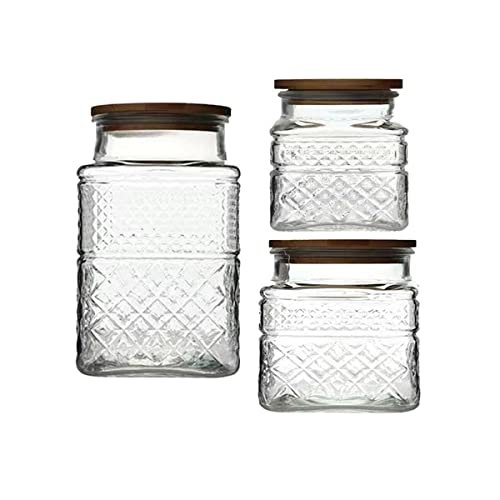
Livejun 3-Piece Square Set
 Livejun 3-piece square glass jar set with embossed ribbed detailing and bamboo silicone-seal lids, ideal for small pantry staples.
This compact set is perfect for organizing small items like spices, tea leaves, and baking supplies. The square shape fits neatly on narrow pantry shelves, and the embossed ribbed glass adds a subtle vintage touch to any display. The bamboo lids include a silicone gasket for an airtight seal, but require hand washing to avoid warping. Ready to add a set of small, stylish jars to your pantry? Shop the Livejun 3-piece square set here.
Livejun 3-piece square glass jar set with embossed ribbed detailing and bamboo silicone-seal lids, ideal for small pantry staples.
This compact set is perfect for organizing small items like spices, tea leaves, and baking supplies. The square shape fits neatly on narrow pantry shelves, and the embossed ribbed glass adds a subtle vintage touch to any display. The bamboo lids include a silicone gasket for an airtight seal, but require hand washing to avoid warping. Ready to add a set of small, stylish jars to your pantry? Shop the Livejun 3-piece square set here.
Prettidecor 2-Pack Large Jars
 Prettidecor 2-pack large capacity glass jars with wide mouths for easy filling and cleaning of bulk dry goods.
Ideal for households that buy staples in bulk, these 60oz jars hold enough flour, pasta, or cereal for weeks of use. The wide mouth makes filling and cleaning effortless, and the shatter-resistant glass is built to withstand daily use. Their tall height may not fit all shelf configurations, so measure your space before purchasing. Need larger jars for bulk flour, pasta, or cereal? Find the Prettidecor 2-pack 60oz set here.
Prettidecor 2-pack large capacity glass jars with wide mouths for easy filling and cleaning of bulk dry goods.
Ideal for households that buy staples in bulk, these 60oz jars hold enough flour, pasta, or cereal for weeks of use. The wide mouth makes filling and cleaning effortless, and the shatter-resistant glass is built to withstand daily use. Their tall height may not fit all shelf configurations, so measure your space before purchasing. Need larger jars for bulk flour, pasta, or cereal? Find the Prettidecor 2-pack 60oz set here.
Le'raze 4-Piece Airtight Set
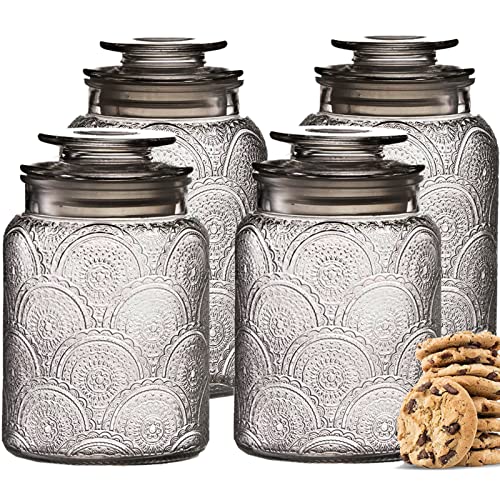 Le'raze 4-piece mixed size glass jar set with clamp-style airtight lids for comprehensive pantry storage.
This all-in-one set includes two 1L jars for grains and two 500ml jars for spices and small items, making it the easiest option for full pantry overhauls. The clamp-style metal lids with rubber gaskets create the most reliable airtight seal of the three sets, perfect for humid climates or long-term storage of dry goods. For households with curious toddlers, pair these containers with childproof cabinet locks no drilling to secure pantry doors and keep little ones safe. Looking for a full pantry organization solution? Explore the Le'raze 4-piece airtight set here.
Le'raze 4-piece mixed size glass jar set with clamp-style airtight lids for comprehensive pantry storage.
This all-in-one set includes two 1L jars for grains and two 500ml jars for spices and small items, making it the easiest option for full pantry overhauls. The clamp-style metal lids with rubber gaskets create the most reliable airtight seal of the three sets, perfect for humid climates or long-term storage of dry goods. For households with curious toddlers, pair these containers with childproof cabinet locks no drilling to secure pantry doors and keep little ones safe. Looking for a full pantry organization solution? Explore the Le'raze 4-piece airtight set here.
Care and Maintenance for Long-Lasting Use
Proper care will keep your vintage glass containers clear, airtight, and beautiful for decades. For daily cleaning, use a soft sponge and mild dish soap to avoid scratching embossed patterns—a kitchen cleaning brush with handle designed for gentle yet effective scrubbing works well for stuck-on residue without damaging glass. Most glass jars are top-rack dishwasher safe, but always hand wash bamboo and metal lids: bamboo can warp and grow mold in high heat, while uncoated metal will rust if left wet. Avoid extreme temperature shocks: never pour boiling liquid into a cold glass jar, or move a jar directly from the freezer to the oven, as this can cause cracking. For long-term storage, leave lids slightly ajar for a few hours after washing to prevent moisture buildup that can warp seals or encourage mold growth. To keep both your jars and surrounding pantry shelves spotless, use a complete brush cleaning set made for kitchen use.
Frequently Asked Questions
What Are Vintage Glass Storage Containers Used For?
Vintage glass storage containers are versatile enough for nearly every kitchen organizational need. They’re ideal for storing dry pantry staples like rice, pasta, flour, and spices, as their transparent design lets you see stock levels at a glance without opening the lid. They also work for refrigerator storage of leftovers, cut produce, and meal prep ingredients, as glass doesn’t stain from tomato sauce, curry, or other colorful foods like plastic can. Many sets are also freezer-safe for storing broths, sauces, and prepped meals.
Are Vintage Glass Containers Safe For Food?
Modern vintage-style reproductions are completely food-safe when certified lead-free and cadmium-free, meeting FDA standards for food contact materials. Note: Antique vintage glass jars made before the 1970s may contain leaded glass or glazes that can leach into food, so they are not recommended for storage of consumables. Always check product listings for food safety certification before purchasing.
Can Glass Storage Containers Be Decorative?
Absolutely. The transparent design of glass lets you showcase colorful ingredients like pasta, dried herbs, or fresh produce, turning functional storage into a kitchen design feature. Embossed ribbed, fluted, or etched patterns add vintage charm that complements farmhouse, mid-century, bohemian, and rustic decor styles, and they look equally elegant on open pantry shelves, kitchen countertops, or dining room buffets.
How Do Airtight Lids Preserve Food Freshness?
Airtight lids create a tight seal that blocks air, moisture, and pests from entering the container. This prevents stale flavors, moisture damage (like clumpy flour or soggy cereal), and infestations of pantry moths or weevils, extending the shelf life of dry goods by 2-3x compared to open storage. For maximum freshness, ensure lids are fully secured before storing, and replace worn silicone gaskets as needed.
Why Choose Glass Over Plastic Containers?
Glass containers are non-porous, so they don’t absorb odors, stains, or bacteria from food, unlike plastic which can retain smells from garlic, curry, or cheese over time. They also don’t leach microplastics or harmful chemicals like BPA into food, especially when heated, making them a safer choice for meal prep and storage. Glass containers last for decades with proper care, reducing household waste compared to disposable plastic options that crack, stain, and need frequent replacement.
Are Vintage Glass Containers Dishwasher Safe?
Most high-quality glass jars are top-rack dishwasher safe for easy cleaning. However, bamboo and wood lids should always be hand washed with mild soap and air-dried completely to prevent warping, cracking, or mold growth. Metal clamp lids can also be hand washed to avoid rusting of uncoated components.
Can I Use Vintage Glass Jars in the Freezer or Microwave?
Most borosilicate or soda-lime glass jars are freezer-safe, as long as you leave 1-2 inches of headspace at the top of the jar to allow for liquid expansion during freezing, which prevents cracking. Always avoid sudden temperature changes: never move a jar directly from the freezer to the oven or microwave, as extreme heat shock will shatter the glass. Always check the manufacturer’s guidelines for temperature limits before use.
Final Thoughts
Vintage glass food storage containers deliver the rare combination of timeless aesthetic appeal and uncompromising practical functionality that modern kitchens need. Unlike disposable plastic options that degrade over time, these durable, non-toxic jars reduce household waste, keep food fresher for longer, and double as decorative accents that elevate any space. Whether you opt for a small set of jars for spices and tea leaves, large 60oz jars for bulk pantry staples, or a full 4-piece set for comprehensive organization, there’s an option to fit every budget, kitchen size, and decor style. For households with young children, pair your new containers with kitchen drawer safety latches for childproofing to secure pantry and cabinet doors, and use a complete brush cleaning set to keep both your jars and kitchen surfaces spotless with minimal effort. Ready to transform your kitchen storage? Explore the sets highlighted above to find the perfect fit for your space.

Hi, I’m Daniel Brooks—a food lover and kitchen gear enthusiast. I enjoy testing cookware, utensils, and gadgets to see what really works in everyday cooking. At PlugChef.com, I share honest reviews, comparisons, and simple guides to help you choose the best tools for a safer, smarter, and more enjoyable kitchen.
Similar Posts