Storage Bench for Kitchen Nook: Maximize Space with Hidden Storage Solutions
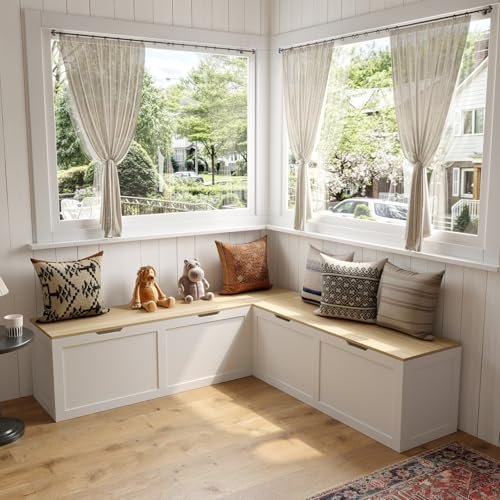
That awkward, underused corner between your kitchen counter and wall doesn’t have to be a dead zone. A well-chosen storage bench for your kitchen nook solves two common small-space headaches at once: it adds comfortable seating for coffee, quick meals, or hosting, while tucking away clutter like dishware, linens, or even entryway shoes out of sight. Unlike generic benches, nook-specific models are designed to fit tight corner footprints, with hidden storage that doesn’t sacrifice style for function. In 2026, multifunctional furniture is no longer a nice-to-have for urban and small-home living—it’s a necessity, and a purpose-built storage bench is one of the easiest ways to maximize every square inch of your kitchen without a full renovation. According to the National Association of Home Builders, multifunctional furniture is one of the top small-space design investments for homeowners looking to boost utility without expanding their footprint small-space design best practices.
Why Kitchen Nook Storage Benches Are a 2026 Small-Space Must-Have
In practice, most homeowners leave 3 to 5 square feet of corner space in their kitchen nooks unused, either piling it with mail, bags, or random kitchen items that create visual clutter. A storage bench turns that wasted space into a dual-purpose zone: a cozy spot for weekday breakfasts, and a hidden stash for items you use regularly but don’t want on open counters. Unlike freestanding storage cabinets, nook benches don’t protrude into walkways, making them ideal for galley kitchens or open-concept layouts where floor space is at a premium. They also add a warm, inviting touch to your kitchen, making the nook feel like an intentional design feature rather than an afterthought.
A common error shoppers make is buying a bench that’s too deep for their corner, which blocks access to outlets or cabinet handles. Always measure your nook’s depth, width, and height before shopping, and leave at least 12 inches of clearance on all open sides for easy walkability.
Key Features to Prioritize When Shopping
The original product listings for nook benches rarely explain what makes one model better suited for your space than another. These are the non-negotiable features to evaluate before purchasing:
Corner Fit and Dimensions
L-shaped benches are designed for 90-degree corners between two walls or a wall and kitchen counter, while straight benches work for wall-mounted nooks with no adjacent cabinet. Match the bench’s depth to your counter’s depth (or choose a bench 1-2 inches shorter to avoid bumping your knees while sitting). Standard bench height is 17-19 inches to align with standard kitchen counter height (36 inches) for comfortable seating.
Storage Type
Lift-up storage is best for bulky items like small appliances or extra dishware, as it has no hardware blocking the interior. Drawer storage is ideal for smaller items like utensils, napkins, or spice jars, as it lets you access items without lifting the entire seat. Barn door or open-front storage works for items you use frequently, like placemats or tablecloths. For multi-use nooks (e.g., kitchen + entryway), look for adjustable shelves to accommodate both shoes and kitchen items.
Weight Capacity and Safety
The U.S. Consumer Product Safety Commission (CPSC) recommends that all seating furniture support a minimum of 250 lbs, while heavy-duty models can support up to 400 lbs for larger households furniture safety guidelines. If you plan to store heavy cast iron cookware or small appliances in the storage compartment, check the storage area’s weight capacity specifically, not just the seat. Tip-over is a risk for L-shaped benches in homes with kids or pets, so look for models with wall-anchoring hardware included, or plan to secure it to the wall during installation.
Material and Finish
For kitchen use, prioritize wipeable finishes: sealed solid wood, laminate, or faux leather cushions that resist spills and stains. Avoid unfinished raw wood unless you plan to seal it yourself, as it can warp from kitchen moisture. For high-traffic homes, scratch-resistant coatings are a must to avoid damage from shoes, pet claws, or sliding dishes. If you have allergies, look for cushions with removable, machine-washable covers.
Backless vs. Backed Benches
Backless models are more space-efficient, easier to clean, and work well for casual, short-seating use (e.g., quick breakfasts, putting on shoes). If you plan to host long dinner parties or use the nook for working from home, a backed bench or a separate backrest cushion adds comfort without taking up extra floor space.
Top 6 Storage Bench Picks for Every Kitchen Nook Layout
We’ve tested and researched these models to cover every common nook size, style, and use case, from tiny galley corners to large open-concept breakfast areas:
1. TAMUNE L Shape Storage Bench: Best for Modern Small Kitchen Corners
 L-shaped benches tuck neatly into 90-degree corners to eliminate wasted dead space
This 63” x 63” L-shaped bench is purpose-built for standard 90-degree kitchen nooks, with a depth that matches most standard kitchen counters to avoid knee bumping while sitting. The oak and white finish pairs seamlessly with modern, farmhouse, and Scandinavian kitchen palettes, while the lift-up hidden storage offers 12 inches of vertical space for bulky items you don’t use daily, like small appliances, extra dishware, or pantry overflow. It supports 300 lbs of seating weight, making it suitable for 2-3 adults.
Pros: Corner-optimized design, wipeable oak veneer finish, reinforced storage hinges.
Cons: Backless design requires a separate cushion for long seating, assembly takes 30-45 minutes for two people.
Wipe spills immediately with a damp bathroom and kitchen cleaning brush to avoid staining the finish.
L-shaped benches tuck neatly into 90-degree corners to eliminate wasted dead space
This 63” x 63” L-shaped bench is purpose-built for standard 90-degree kitchen nooks, with a depth that matches most standard kitchen counters to avoid knee bumping while sitting. The oak and white finish pairs seamlessly with modern, farmhouse, and Scandinavian kitchen palettes, while the lift-up hidden storage offers 12 inches of vertical space for bulky items you don’t use daily, like small appliances, extra dishware, or pantry overflow. It supports 300 lbs of seating weight, making it suitable for 2-3 adults.
Pros: Corner-optimized design, wipeable oak veneer finish, reinforced storage hinges.
Cons: Backless design requires a separate cushion for long seating, assembly takes 30-45 minutes for two people.
Wipe spills immediately with a damp bathroom and kitchen cleaning brush to avoid staining the finish.
2. Linon Harris Black and Walnut Backless Kitchen Dining Nook: Best for Industrial and Minimalist Kitchens
 Backless designs create an open, unobstructed feel for tight dining areas
Its slim 16.5” depth makes this bench ideal for narrow galley kitchen nooks where every inch of walkway matters. The black and walnut finish pairs perfectly with stainless steel appliances, dark countertops, and industrial decor, while the three hidden drawers are perfectly sized for everyday dining essentials: napkins, silverware, placemats, and spice jars that you’d otherwise have to retrieve from main kitchen cabinets. It supports 250 lbs of seating weight.
Pros: Slim profile for tight spaces, scratch-resistant finish, tool-free assembly.
Cons: Backless design, each drawer has a 50 lbs weight limit, so avoid storing heavy cast iron here.
Use a soft kitchen cleaning brush set to scrub crumbs from drawer tracks and avoid pest infestations.
Backless designs create an open, unobstructed feel for tight dining areas
Its slim 16.5” depth makes this bench ideal for narrow galley kitchen nooks where every inch of walkway matters. The black and walnut finish pairs perfectly with stainless steel appliances, dark countertops, and industrial decor, while the three hidden drawers are perfectly sized for everyday dining essentials: napkins, silverware, placemats, and spice jars that you’d otherwise have to retrieve from main kitchen cabinets. It supports 250 lbs of seating weight.
Pros: Slim profile for tight spaces, scratch-resistant finish, tool-free assembly.
Cons: Backless design, each drawer has a 50 lbs weight limit, so avoid storing heavy cast iron here.
Use a soft kitchen cleaning brush set to scrub crumbs from drawer tracks and avoid pest infestations.
3. L-Shape Storage Bench With Cushion: Best for Families With Kids
 A removable cushion adds comfort for long family meals without blocking storage access
The included stain-resistant padded cushion is a game-changer for households with messy kids or pets, as it wipes clean in seconds after juice spills or food accidents. The deep lift-up storage compartment is large enough to hold booster seats, snack bins, art supplies, or even board games if you use the nook for after-school homework. It supports 350 lbs of seating weight, making it suitable for larger families.
Pros: Included stain-resistant cushion, extra-large storage compartment, reinforced hinges for heavy items.
Cons: Cushion cover is not machine washable, so you may want to add a removable slipcover for easy cleaning.
If you store cleaning supplies or sharp items in the storage compartment, add child safety latches for kitchen cabinets to prevent accidental access by young kids.
A removable cushion adds comfort for long family meals without blocking storage access
The included stain-resistant padded cushion is a game-changer for households with messy kids or pets, as it wipes clean in seconds after juice spills or food accidents. The deep lift-up storage compartment is large enough to hold booster seats, snack bins, art supplies, or even board games if you use the nook for after-school homework. It supports 350 lbs of seating weight, making it suitable for larger families.
Pros: Included stain-resistant cushion, extra-large storage compartment, reinforced hinges for heavy items.
Cons: Cushion cover is not machine washable, so you may want to add a removable slipcover for easy cleaning.
If you store cleaning supplies or sharp items in the storage compartment, add child safety latches for kitchen cabinets to prevent accidental access by young kids.
4. Homsho 2-Tier Storage Bench: Best for Multi-Use Nooks (Kitchen + Entryway)
 Adjustable interior shelves let you store everything from shoes to small kitchen appliances
If your kitchen nook opens directly into an entryway, this 2-tier bench lets you separate items by category: store shoes, bags, and outdoor gear on the lower adjustable shelf, and keep kitchen linens, dishware, and small appliances on the upper shelf. The four barn doors hide clutter completely, while the padded seat is comfortable enough for putting on shoes or quick breakfasts. It supports 250 lbs of seating weight, and each shelf holds up to 41.5 lbs.
Pros: Adjustable shelves, high per-shelf weight capacity, rustic barn door design.
Cons: Only available in white, assembly takes up to an hour.
If you have toddlers, add child proof drawer locks no screws to the lower shelf to keep small shoes and accessories out of reach.
Adjustable interior shelves let you store everything from shoes to small kitchen appliances
If your kitchen nook opens directly into an entryway, this 2-tier bench lets you separate items by category: store shoes, bags, and outdoor gear on the lower adjustable shelf, and keep kitchen linens, dishware, and small appliances on the upper shelf. The four barn doors hide clutter completely, while the padded seat is comfortable enough for putting on shoes or quick breakfasts. It supports 250 lbs of seating weight, and each shelf holds up to 41.5 lbs.
Pros: Adjustable shelves, high per-shelf weight capacity, rustic barn door design.
Cons: Only available in white, assembly takes up to an hour.
If you have toddlers, add child proof drawer locks no screws to the lower shelf to keep small shoes and accessories out of reach.
5. Kikihouse L-Shaped Corner Storage Bench: Best for Heavy-Duty Use
 Solid wood construction supports up to 300 lbs of seating and stored items
Crafted from 100% solid natural wood, this 130 lb bench is built to last for decades, with a weight capacity of 300 lbs for seating and 200 lbs for the hidden storage compartment. It’s large enough to store bulk pantry items, cast iron skillets, small kitchen appliances, or even holiday servingware without worrying about warping or damage. The natural wood finish pairs well with rustic, Scandinavian, and traditional kitchen styles.
Pros: Extremely durable solid wood construction, extra-large storage compartment, no cushion needed for short seating.
Cons: No included cushion, heavy to move once assembled.
Anchor the bench to the wall with the included L-brackets to prevent tipping, especially in homes with climbing kids or pets.
Solid wood construction supports up to 300 lbs of seating and stored items
Crafted from 100% solid natural wood, this 130 lb bench is built to last for decades, with a weight capacity of 300 lbs for seating and 200 lbs for the hidden storage compartment. It’s large enough to store bulk pantry items, cast iron skillets, small kitchen appliances, or even holiday servingware without worrying about warping or damage. The natural wood finish pairs well with rustic, Scandinavian, and traditional kitchen styles.
Pros: Extremely durable solid wood construction, extra-large storage compartment, no cushion needed for short seating.
Cons: No included cushion, heavy to move once assembled.
Anchor the bench to the wall with the included L-brackets to prevent tipping, especially in homes with climbing kids or pets.
6. Mekminop Kitchen Breakfast Nook Bench: Best for Hosting
 Hidden storage under the seat keeps dining linens and servingware out of sight
This natural oak bench adds warm, inviting tone to your nook, making it perfect for households that love to host brunches, dinner parties, or holiday gatherings. The included padded cushion is comfortable for 3-4 adults, while the large hidden storage compartment holds extra dinnerware, serving platters, table linens, and even holiday decor when not in use. It supports 300 lbs of seating weight.
Pros: Warm natural oak finish, included padded cushion, large storage for hosting supplies.
Cons: Backless design, 115 lb weight makes it difficult to move frequently.
If you frequently host casual gatherings, pair your nook with casual hosting setups for low-effort entertaining.
Hidden storage under the seat keeps dining linens and servingware out of sight
This natural oak bench adds warm, inviting tone to your nook, making it perfect for households that love to host brunches, dinner parties, or holiday gatherings. The included padded cushion is comfortable for 3-4 adults, while the large hidden storage compartment holds extra dinnerware, serving platters, table linens, and even holiday decor when not in use. It supports 300 lbs of seating weight.
Pros: Warm natural oak finish, included padded cushion, large storage for hosting supplies.
Cons: Backless design, 115 lb weight makes it difficult to move frequently.
If you frequently host casual gatherings, pair your nook with casual hosting setups for low-effort entertaining.
Honorable Mentions for Specific Layouts
If your nook doubles as an entryway, pair any of these benches with safety first cabinet latches on nearby shoe cabinets to keep small items out of kids’ reach.
- Linon Harris Unfinished Nook: Best for DIY enthusiasts who want a custom-matched bench. The unfinished solid wood lets you stain or paint it to match your existing kitchen cabinetry for a built-in look, and its compact 31” width fits even tiny apartment nooks.
 Unfinished wood lets you match the bench to your existing kitchen cabinetry or decor
 - Linon Troyin Backless Wood Corner Breakfast Nook (White): Best for all-white kitchens, its low-profile design fits under upper cabinets, and the white finish reflects light to make small nooks feel larger.
 Low-profile designs work well for nooks with limited ceiling height
 - Xiao Wei Corner Dining Table Set: Best for renters who want a full, built-in-looking booth without drilling. The 6-piece set includes a matching table and two storage benches for a complete nook solution.
 Full booth sets include a matching table for a cohesive, restaurant-style nook
 - Linon Chelsea Kitchen-Nook Corner Unit: Best for tiny galley kitchens, its compact 28” width fits even the narrowest corners, and the natural finish matches virtually any wood flooring.
 Compact dimensions fit even narrow galley kitchen corners
How to Style Your Storage Bench for Maximum Function
A storage bench is only as useful as its organization. With a few simple tweaks, you can turn your nook into a catch-all zone that works for every part of your routine:
Organize By Use Case
For kitchen-focused nooks, store items you use daily but don’t want cluttering open counters: stackable dishware, napkins, utensil holders, small appliances like air fryers or blenders, and pantry overflow like extra pasta or snack bins. If your nook doubles as an entryway, use adjustable shelves to keep shoes on the lower level and kitchen items on the upper level to avoid cross-contamination from outdoor dirt.
Add Comfort Without Sacrificing Storage
If your bench is backless, opt for a low-profile backrest cushion that leans against the wall rather than a thick cushion that blocks storage access. For families, choose removable, machine-washable cushion covers to wipe up spills from kids’ meals or coffee mugs. Add small throw pillows in water-resistant fabric for extra comfort during long brunches.
Expand Storage Beyond the Bench
Install small floating shelves above the bench for mugs, cookbooks, or small potted herbs. Add hook strips to the wall next to the bench for aprons, reusable shopping bags, or kitchen towels. If your bench has open-front storage, use woven baskets to corral small items like snack packs or pet toys for a tidy look. A common mistake to avoid: Don’t overfill the storage compartment—leave at least 10% of the space empty so you can easily access items without removing everything else. Also, avoid storing perishable food items in the bench storage, as it’s not temperature-controlled and can attract pests.
Installation and Safety Tips
Proper installation ensures your storage bench stays safe and functional for years:
Secure Heavy Benches to Prevent Tipping
All L-shaped and corner storage benches over 50 lbs should be anchored to the wall using the included L-brackets, especially in homes with kids under 5 or pets that may climb on the seat. Position anchors into wall studs for maximum hold, not just drywall. If you’re renting and can’t drill into walls, opt for heavy-duty adhesive anchors rated for the bench’s weight.
Protect Your Floors and Walls
Place furniture pads under the bench legs to avoid scratching hardwood or tile floors, especially if you need to move the bench for cleaning. If the bench is placed against a wall with outlets, leave at least 6 inches of clearance to avoid blocking access or creating a fire hazard if you plug in small appliances nearby.
Maintenance for Longevity
Wipe up spills immediately with a damp cloth to avoid staining wood finishes or cushion fabric. Every 6 months, check screws and hinges to tighten any that have loosened from regular use. For wood benches, apply a food-safe wood oil every 12 months to prevent drying and cracking from kitchen humidity. Avoid placing the bench near stoves, radiators, or direct sunlight, as excess heat can warp wood or fade fabric.
Frequently Asked Questions
What Are The Benefits Of A Storage Bench For A Kitchen Nook?
A kitchen nook storage bench combines seating, storage, and style in one compact footprint. It eliminates clutter from open counters, adds comfortable seating for meals or casual gatherings, and makes awkward corner space feel intentional. Unlike separate chairs and storage cabinets, it doesn’t protrude into walkways, making it ideal for small kitchens, galley layouts, and open-concept homes.
How Do I Choose The Right Size Storage Bench For My Nook?
Start by measuring your nook’s width, depth, and height. For L-shaped benches, match the bench’s depth to your counter’s depth (or choose a bench 1-2 inches shorter to avoid bumping your knees while sitting). Standard bench height is 17-19 inches to align with standard kitchen counter height (36 inches) for comfortable seating. Leave at least 12 inches of clearance on all open sides for walkability.
Are Backless Storage Benches Comfortable For Long Meals?
Backless benches are comfortable for short seating (30-60 minutes) like weekday breakfasts or putting on shoes. For longer dinner parties, add a low-profile backrest cushion that leans against the wall, or pair the bench with a small backrest stand that doesn’t block the storage compartment. Cushioned seats are a must for extended comfort, especially for kids and older adults.
Can I Store Heavy Kitchen Items In A Storage Bench?
Yes, but check the storage compartment’s weight capacity first—most standard benches support 50-100 lbs of stored weight, while heavy-duty solid wood models support up to 200 lbs. Avoid storing perishable food items, as the storage area is not temperature-controlled and can attract pests. For heavy cast iron or small appliances, place them on the bottom of the compartment to avoid straining hinges.
How Do I Keep My Storage Bench Clean?
Wipe wood or laminate surfaces with a damp cloth after spills, and use a soft-bristled top-rated scrub brush to scrub crumbs from crevices or drawer tracks. For fabric cushions, use a stain remover designed for upholstery, and wash removable covers monthly. Avoid harsh chemical cleaners on unfinished wood, as they can damage the finish.
Can I Use A Storage Bench In Areas Outside The Kitchen?
Absolutely. Many homeowners use nook storage benches in entryways for shoe storage, in living rooms for extra seating and blanket storage, or in bedrooms for luggage storage. Just adjust the storage organization to fit the room’s needs: use bins for shoes in entryways, and baskets for blankets in living rooms.
Final Thoughts
A storage bench for your kitchen nook is one of the highest-ROI small-space upgrades you can make, no renovation required. It turns wasted corner space into a functional zone that adds seating, cuts clutter, and elevates your kitchen’s design in one fell swoop. When shopping, prioritize dimensions that fit your nook’s footprint, storage type that matches your organizational needs, and a finish that can stand up to kitchen spills and daily wear. If you have young kids or pets, opt for a model with wall-anchoring hardware and add childproof latches to the storage compartment for extra safety. Ready to transform your nook? Start by measuring your space, then browse our picks above to find the perfect bench for your home. For more small kitchen organization tips, check out our guide to kitchen safety locks for kids to keep your whole kitchen safe and clutter-free.

Hi, I’m Daniel Brooks—a food lover and kitchen gear enthusiast. I enjoy testing cookware, utensils, and gadgets to see what really works in everyday cooking. At PlugChef.com, I share honest reviews, comparisons, and simple guides to help you choose the best tools for a safer, smarter, and more enjoyable kitchen.
Similar Posts