

Beef tenderloin is one of the most premium, versatile cuts of beef, prized for its buttery tenderness and mild, savory flavor that works for everything from casual weeknight dinners to formal holiday gatherings. The right side dish doesn’t just fill out the plate — it elevates the entire meal, balancing the beef’s richness without overpowering its delicate flavor, and wowing your guests with thoughtful, cohesive pairing. Many hosts make the mistake of choosing sides that are too spicy, heavily sauced, or texturally jarring, which distracts from the star of the meal. This guide shares tested, crowd-pleasing side dish pairings for every hosting style, plus pro tips to make your dinner party feel effortless and memorable.
Core Pairing Principles for Beef Tenderloin Sides
Beef tenderloin is a lean, mild cut with a subtle, umami-forward flavor that doesn’t stand up to overly bold or spicy ingredients. The best sides either cut through the meat’s natural richness with bright acidity or crisp texture, or add complementary earthy, creamy, or umami depth that enhances its flavor without competing for attention. When building your side dish spread, keep these quick guidelines in mind:
- Do prioritize sides with bright acidity, crisp texture, or earthy umami to balance the beef’s mild richness
- Don’t use overly spicy, heavily sauced, or intensely flavored sides that will overpower the tenderloin
- Do aim for sides that are easy to eat alongside a slice of beef, no complicated prep required for guests
- Don’t overcrowd the plate — 1-2 sides plus a sauce are plenty for a balanced, elegant meal
Always cook beef tenderloin to a minimum internal temperature of 145°F (63°C) with a 3-minute rest time, per USDA safe beef handling guidelines to eliminate harmful bacteria while preserving its signature tenderness and juiciness. Pairing your beef with a vegetable-forward side not only balances rich, savory flavors but also helps you meet the Academy of Nutrition and Dietetics’ recommended 2.5 cups of daily vegetables for adults for a more well-rounded, nutrient-dense meal.
Bright, Light Sides to Cut Richness
These crisp, acidic, or fresh sides are ideal for cutting through the richness of beef tenderloin, especially if you’re serving a heavy sauce or a particularly fatty cut. They keep the palate fresh between bites and add a pop of color to the plate.
Crisp Green Salads
A light, acidic salad is the perfect counterpoint to rich beef tenderloin, and can be prepped in 10 minutes or less for last-minute hosting.
- Arugula and Parmesan Salad: Peppery arugula provides a sharp, bright contrast to the beef’s mild flavor, while shaved Parmesan adds a salty, nutty depth. Toss with a simple vinaigrette of 3 parts olive oil to 1 part fresh lemon juice, a dash of Dijon mustard, salt, and pepper, and top with toasted pine nuts for extra crunch. Avoid overdressing, which wilts the greens and makes the salad soggy.
- Beet and Goat Cheese Salad: Earthy sweet roasted beets add vibrant color and mellow flavor, while creamy goat cheese adds a mild tang that cuts through richness. Toss with mixed greens, toasted walnuts, and a drizzle of balsamic vinaigrette. Use pre-roasted beets from the grocery store to cut down on prep time.
- Crisp Caesar Salad: A classic Caesar adds familiar crunch and savory flavor, with crisp romaine, Parmesan, and crunchy croutons. For a light dressing that won’t overpower the beef, whisk together ¼ cup Greek yogurt, 1 tbsp lemon juice, 1 tsp Worcestershire sauce, 1 minced garlic clove, salt, and pepper. Skip heavy, store-bought dressings, which are often too salty and creamy for this pairing.
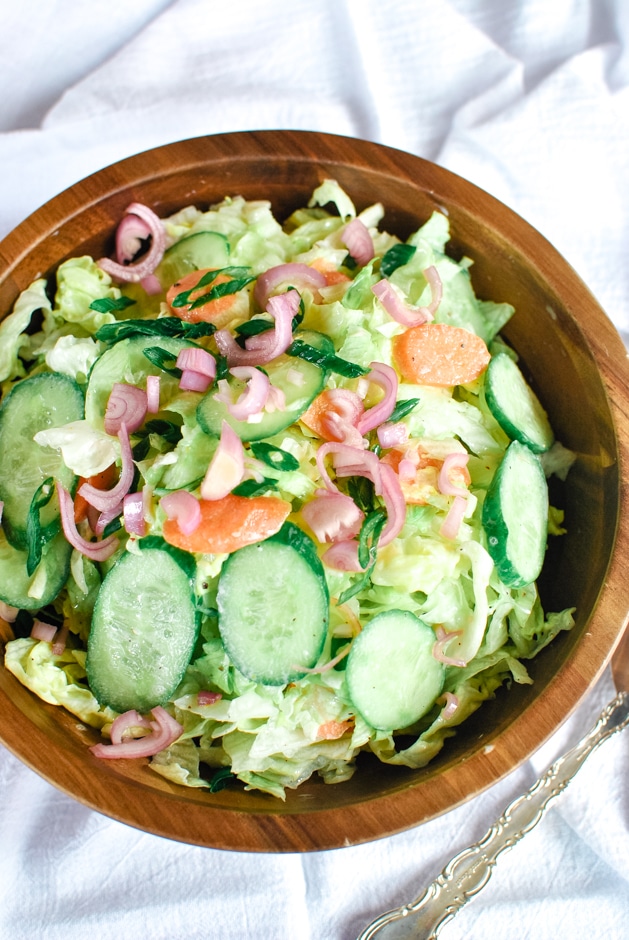 A crisp chopped wedge salad adds a tangy, creamy contrast to rich beef tenderloin.
Credit: sweetpealifestyle.com
A crisp chopped wedge salad adds a tangy, creamy contrast to rich beef tenderloin.
Credit: sweetpealifestyle.com
Roasted Acidic Vegetables
Roasting vegetables at high heat brings out their natural sweetness and adds a pleasant, smoky char that pairs beautifully with beef tenderloin. A splash of acid after roasting brightens their flavor and cuts through the meat’s richness.
- Roasted Asparagus: Toss 1 bunch of trimmed asparagus (woody ends snapped off) with 1 tbsp olive oil, ½ tsp kosher salt, ¼ tsp black pepper, and a pinch of garlic powder, then roast at 425°F (218°C) for 8-10 minutes, until crisp-tender with slight char on the tips. Finish with a squeeze of fresh lemon juice and a sprinkle of flaky sea salt, plus optional shaved Parmesan. A common mistake is overcooking, which turns asparagus mushy and bitter.
- Honey-Glazed Carrots: Toss 1 lb of baby carrots with 1 tbsp olive oil, 2 tbsp honey, ½ tsp ground cinnamon (optional, for warm spice), 1 tsp fresh thyme, salt, and pepper, then roast at 425°F (218°C) for 20-25 minutes, turning halfway, until caramelized and tender. Add a splash of balsamic vinegar halfway through roasting for extra depth.
Pickled and Fermented Sides
For a unique, tangy twist, pickled or fermented sides add bright acidity and probiotics that cut through the beef’s richness. Quick-pickled red onions, cucumbers, or kimchi slaw are all easy to make ahead and add a pop of color and flavor to the plate. These are especially well-suited for grilled or spiced beef tenderloin, as their tang balances bold seasoning.
Hearty, Rich Sides for a Filling Meal
These satisfying, comforting sides are ideal for colder weather, heartier appetites, or formal dinner parties, and act as a perfect vessel for beef tenderloin’s savory juices.
Creamy Starches
Creamy, starchy sides soak up beef juices and sauces, creating a rich, satisfying bite that pairs perfectly with the tender meat.
- Garlic Mashed Potatoes: For ultra-fluffy results, boil 2 lbs of starchy potatoes (Russets or Yukon Golds, peeled and cut into 1-inch cubes) in salted water until fork-tender (about 15 minutes). Drain completely, then mash with 4 cloves of roasted garlic (for sweet, mellow flavor), ½ cup warm whole milk, 4 tbsp unsalted butter, and ½ cup sour cream. A common mistake is adding cold milk, which makes the potatoes gluey. For extra richness, stir in ½ cup shredded Gruyère. These can be made 1 day ahead: refrigerate in an airtight container, then reheat gently on the stovetop with a splash of extra milk to restore creaminess.
- Creamy Polenta: For lump-free polenta, slowly whisk 1 cup of cornmeal into 4 cups of simmering low-sodium beef stock, stirring constantly to avoid lumps. Cook for 20-25 minutes, stirring occasionally, until thick and smooth. Stir in 4 tbsp unsalted butter, ½ cup grated Parmesan, salt, and pepper. For extra luxury, finish with a drizzle of white truffle oil. Keep warm on low heat for up to 30 minutes, stirring occasionally to prevent a skin from forming.
- Truffle Mac and Cheese: For a luxurious, showstopping side, use a blend of sharp cheddar, Gruyère, and Parmesan for complex cheesy flavor, and top with a sprinkle of panko breadcrumbs before baking at 375°F (190°C) for 20 minutes, until golden and bubbly. Add a drizzle of white truffle oil for extra depth, but start with 1 tsp, as truffle oil is very potent. Assemble the dish 1 day ahead and refrigerate, then bake fresh before serving to avoid mushy pasta.
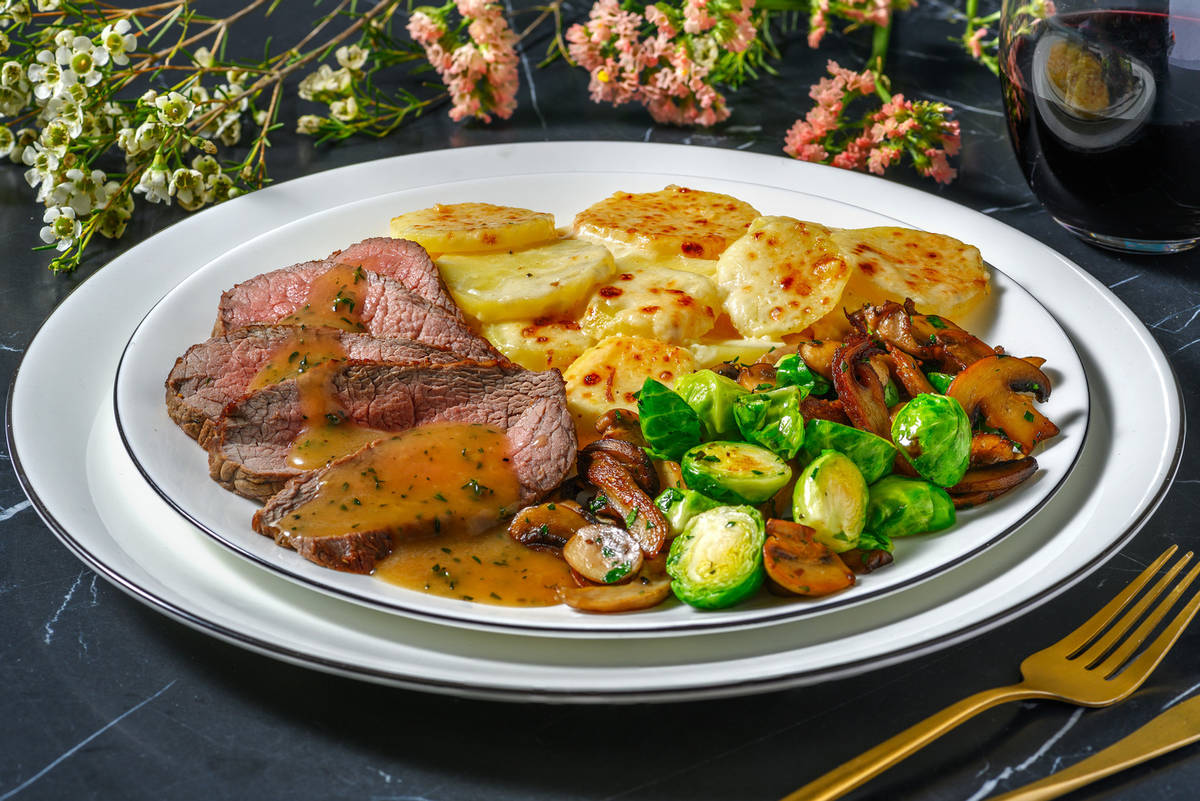 Creamy garlic mashed potatoes and crisp-tender asparagus are classic, fail-safe pairings for beef tenderloin.
Credit: www.hellofresh.ca
Creamy garlic mashed potatoes and crisp-tender asparagus are classic, fail-safe pairings for beef tenderloin.
Credit: www.hellofresh.ca
Nutty Grains and Pilafs
Hearty, chewy grains add earthy depth and a satisfying texture that pairs beautifully with beef tenderloin, and are a great gluten-free alternative to starches.
- Wild Rice Pilaf: Cook 1 cup of wild rice blend (rinsed) in 2 cups of low-sodium beef or vegetable stock per package directions (usually 45-50 minutes). While the rice cooks, sauté 1 diced small onion and 8 oz of sliced cremini mushrooms in 1 tbsp butter until golden, then stir in the cooked rice, 2 tbsp chopped fresh parsley, salt, and pepper. For extra depth, add a splash of dry white wine to the mushroom mixture before adding the rice. This pilaf can be made 2 days ahead and reheated with a splash of stock to prevent dryness.
- Lemon-Herb Farro: Cook 1 cup of farro in 3 cups of low-sodium chicken stock for 25-30 minutes, until tender but still chewy. Toss with 1 tbsp lemon zest, 2 tbsp chopped fresh parsley, 1 tbsp chopped fresh mint, 2 tbsp olive oil, salt, and pepper. The bright, herby flavor cuts through the beef’s richness without overpowering it.
Roasted Root Vegetables
Earthy, caramelized root vegetables add a sweet, savory depth that pairs perfectly with beef tenderloin, especially for fall and winter meals. Toss a mix of parsnips, carrots, Brussels sprouts, and red onions with olive oil, salt, pepper, and a drizzle of balsamic vinegar, then roast at 425°F (218°C) for 25-30 minutes, turning halfway, until crispy on the edges and tender in the center. The natural sweetness of the root vegetables balances the beef’s savoriness, while the balsamic adds a tangy depth.
 A perfectly seared beef tenderloin paired with roasted root vegetables makes for a hearty, balanced meal.
Credit: www.mydiaryofus.com
A perfectly seared beef tenderloin paired with roasted root vegetables makes for a hearty, balanced meal.
Credit: www.mydiaryofus.com
Showstopper Sauces and Condiments
A well-made sauce can transform a simple beef tenderloin into a restaurant-quality meal, adding extra depth, richness, or brightness that complements the meat. All of these sauces can be made ahead and reheated gently before serving.
Classic Red Wine Reduction
This glossy, tangy sauce is a steakhouse classic that enhances beef tenderloin’s natural flavor without overpowering it. Heat 2 tbsp unsalted butter in a small saucepan over medium heat, then add 2 tbsp minced shallots and sauté for 1 minute until soft. Add 2 cups of dry red wine (Cabernet Sauvignon or Merlot work best) and 1 cup of low-sodium beef stock, then bring to a gentle simmer. Cook for 15-20 minutes, until the sauce reduces by two-thirds and coats the back of a spoon. Remove from heat, then stir in 2 tbsp of cold butter to make the sauce glossy and smooth. A common mistake is boiling the sauce, which can make it bitter. Season with salt and pepper to taste, and keep warm until serving. This sauce pairs perfectly with garlic mashed potatoes or roasted asparagus.
Umami-Packed Mushroom Bordelaise
This hearty, earthy sauce builds on the classic red wine reduction with the addition of sautéed mushrooms, adding a deep, savory umami punch that stands up to bold seasonings. Start by making a red wine reduction as above, then separately sauté 8 oz of sliced cremini or shiitake mushrooms in 1 tbsp butter over medium-high heat until deeply golden (about 5 minutes), then stir in 1 minced garlic clove and cook for 30 seconds. Add the mushrooms and garlic to the reduced wine sauce, then stir in 1 tsp of fresh thyme leaves. Simmer for 2 minutes to combine flavors, then season with salt and pepper. For extra depth, add a splash of balsamic vinegar to the mushroom mixture before adding the sauce. This pairs perfectly with wild rice pilaf or creamy polenta.
Bright Fresh Chimichurri
This vibrant, herbaceous Argentinean sauce cuts through the richness of beef tenderloin with its tangy, garlicky flavor, making it a great option for grilled or roasted tenderloin, or for guests who prefer fresh, light flavors. To make, combine 1 cup of finely chopped fresh parsley, ¼ cup of finely chopped fresh oregano, 4 minced garlic cloves, 2 tbsp red wine vinegar, ½ tsp red pepper flakes (optional, for heat), and ½ tsp kosher salt in a bowl. Slowly stir in ½ cup of extra-virgin olive oil until combined. Let the sauce sit at room temperature for 30 minutes before serving to let the flavors meld. Avoid blending chimichurri in a food processor, which can make it bitter and watery. This sauce keeps in the refrigerator for up to 1 week, making it a great make-ahead option. It pairs perfectly with arugula salad or roasted green beans.
Tangy Blue Cheese Compound Butter
For a savory, tangy kick, top sliced beef tenderloin with a crumbled blue cheese compound butter. Mix 4 oz of softened unsalted butter with ½ cup of crumbled blue cheese, 1 tbsp of chopped fresh chives, and ¼ tsp of black pepper. Roll into a log, wrap in plastic wrap, and refrigerate for at least 1 hour to firm up. Slice off ½-inch rounds and place on top of hot beef tenderloin just before serving, so the butter melts slightly into the meat. This pairs especially well with peppery arugula salads or roasted Brussels sprouts.
Effortless Appetizers to Set the Tone
Elegant, low-fuss appetizers prepare your guests’ palates for the main course and add a touch of sophistication to your dinner party, without filling them up before the beef is served.
Charcuterie and Cheese Bites
A pre-dinner charcuterie spread feels luxurious with minimal effort, and pairs perfectly with light red wine or sparkling cider. For a polished presentation, master how to cut round cheese for a charcuterie board to arrange a mix of soft, hard, and aged cheeses alongside cured prosciutto, marinated olives, and honey-drizzled crackers. Avoid overly salty cured meats or strong cheeses that will overpower the beef’s flavor later in the meal.
Warm Savory Bites
Warm, bite-sized appetizers add a cozy, welcoming touch to your gathering. Stuffed mushrooms (filled with cream cheese, herbs, and breadcrumbs) and prosciutto-wrapped asparagus are both easy to make ahead and reheat before guests arrive, so you don’t have to be stuck in the kitchen when your guests arrive. These savory bites preview the earthy, umami flavors of the main course without being too filling.
Fresh Skewers
Colorful, no-fork skewers are perfect for casual backyard dinners or formal cocktail hours. Caprese skewers (cherry tomato, mozzarella ball, basil leaf, drizzled with balsamic glaze) and prosciutto-wrapped melon skewers are both fresh, easy to eat, and visually appealing. Assemble skewers 1 hour ahead and store in the refrigerator, then add any wet dressings or glazes right before serving to avoid sogginess.
Beverage Pairings to Complete the Meal
The right beverage balances the beef’s flavor and the sides you’ve chosen, making the entire dining experience feel cohesive and intentional.
Full-Bodied Red Wines
Full-bodied red wines are the classic pairing for beef tenderloin, as their tannins cut through the meat’s natural fat, while dark fruit and oak notes complement its savory flavor. Top picks include Cabernet Sauvignon (with notes of blackcurrant and vanilla that pair well with garlic mashed potatoes), Malbec (with plum and cocoa notes that stand up to bold sauces like mushroom bordelaise), and Syrah (with peppery, smoky notes that pair beautifully with roasted vegetables). Serve red wines at 60-65°F (15-18°C), slightly cooler than typical room temperature, to keep their fruit flavors bright. Avoid overly oaky or high-alcohol reds, which can overpower the tenderloin’s mild flavor.
Crisp Sparkling Options
Sparkling beverages are an underrated pairing for beef tenderloin, as their bright acidity and bubbles cut through rich, buttery sides like creamy polenta or truffle mac and cheese, cleansing the palate between bites. Brut Champagne or dry sparkling wine (with less than 12g of residual sugar per liter) is the best choice, as its crisp, yeasty flavor complements the beef without clashing. Dry sparkling rosé adds a subtle fruitiness that pairs well with lighter sides like arugula salad or honey-glazed carrots. For a non-alcoholic option, sparkling water with a splash of citrus or pomegranate juice works just as well to cut through richness.
Non-Alcoholic Choices
For guests who don’t drink alcohol, opt for savory, slightly tart drinks that won’t clash with the beef’s flavor. Herbal iced tea infused with rosemary or thyme mirrors the savory herbs in your sides, while sparkling pomegranate juice adds a bright, tart contrast to rich sauces. Ginger beer with a squeeze of lime and a sprig of mint is another great option, as its slight spice and effervescence cut through fatty sides. Avoid overly sweet sodas or fruit juices, which can make the meal feel heavy and unbalanced.
Pro Hosting Tips for a Flawless Meal
Hosting a dinner party with beef tenderloin doesn’t have to be stressful — these pro tips will help you pull off a seamless, impressive meal with minimal day-of work.
Make-Ahead Friendly Options
Most beef tenderloin sides can be prepped 1-2 days in advance to reduce hosting stress. Creamy mashed potatoes, polenta, and sauces like red wine reduction or mushroom bordelaise can be made 2 days ahead, stored in airtight containers in the refrigerator, and reheated gently before serving. Roasted vegetables can be washed, chopped, and tossed with oil and seasonings 1 day ahead, stored in the fridge, then roasted day-of for fresh, crisp results. Salads should be assembled no more than 1 hour before serving, to avoid wilting greens. Avoid pre-cooking pasta for mac and cheese ahead of time, as it will become mushy when reheated; instead, assemble the dish 1 day ahead and bake it fresh before serving.
Balancing the Plate
Aim for a balanced plate with ¼ protein (beef tenderloin), ¼ starch, and ½ vegetable per serving, to keep the meal light and satisfying. If you’re serving a rich, heavy starch like truffle mac and cheese, pair it with a light, crisp salad to cut through richness. If you’re serving a heavy sauce, opt for lighter sides like roasted asparagus or green beans to avoid overwhelming the plate.
Presentation for Guests
Small, thoughtful presentation touches make your meal feel extra special for guests. For an extra personalized touch, serve sliced tenderloin and sides on a custom engraved serving board for a unique, memorable presentation. Garnish all sides with fresh herbs like thyme, parsley, or chives for a pop of fresh color, and serve sauces in small gravy boats for easy passing.
Kid and Pet Safety While Hosting
If you’re hosting families with young children, install childproof locks for lower cabinets to keep cleaning supplies, sharp utensils, and breakable dishware out of reach. Renters can opt for no-drill childproof cabinet locks that attach with adhesive, so you don’t have to damage walls or cabinets to keep little ones safe during your gathering. For pet owners, keep hot dishes on back burners and avoid leaving forks or skewers unattended on low tables, to avoid burns or choking hazards.
Easy Post-Party Cleanup
After the meal, a high-quality kitchen cleaning brush makes quick work of scrubbing baked-on honey glaze from roasting pans and stuck-on food from serving platters. To avoid cross-contamination when prepping raw beef and fresh sides, use a dedicated kitchen cleaning brush set to separate produce-scrubbing brushes from tools used for raw meat. For a pre-dinner spread, mastering how to cut round cheese for a charcuterie board ensures your appetizer looks as polished as your main course.
Frequently Asked Questions
What are the best side dishes for beef tenderloin?
The best sides for beef tenderloin balance the cut’s mild, tender flavor without overpowering it. Top options include bright, acidic sides like arugula salad or pickled red onions to cut richness, hearty starches like garlic mashed potatoes or creamy polenta to soak up beef juices, and umami-packed sauces like red wine reduction or mushroom bordelaise to add depth. For formal dinner parties, opt for elegant, easy-to-eat sides like roasted asparagus or wild rice pilaf, while casual gatherings call for heartier options like truffle mac and cheese or honey-glazed carrots. All pairings should be seasoned simply, to let the beef remain the star of the plate.
Which vegetables pair best with beef tenderloin?
The best vegetable sides for beef tenderloin have a balance of sweetness, acidity, or slight bitterness to contrast the meat’s richness. Top picks include crisp-tender roasted asparagus, honey-glazed carrots, Brussels sprouts with balsamic glaze, and green beans with lemon zest. For a fresh, light option, arugula or romaine salads with a light vinaigrette work perfectly. Avoid overly spicy or heavily sauced vegetables (like Buffalo cauliflower or heavy cream-based casseroles), which will overpower the tenderloin’s delicate flavor. Roasting vegetables at 425°F (218°C) with a drizzle of olive oil, salt, and pepper brings out their natural sweetness and adds a pleasant char that pairs beautifully with beef.
Can I serve potatoes as a side for beef tenderloin?
Yes, potatoes are a classic, versatile side for beef tenderloin that pair well with almost every preparation of the cut. Creamy garlic mashed potatoes are the most popular option, as their smooth texture soaks up beef juices and savory sauces. For a crispier option, roasted potato wedges or garlic-parmesan roasted potatoes add a satisfying crunch that contrasts the tender beef. For a more elegant, formal option, scalloped potatoes or potato gratin with Gruyère and thyme add richness without being too heavy. Avoid overly salty or heavily seasoned potato dishes, which will compete with the beef’s flavor.
Are salads good side dishes for beef tenderloin?
Yes, salads are an excellent side for beef tenderloin, especially for warm-weather meals or when serving a rich, heavy sauce with the beef. Opt for salads with light, acidic dressings (like vinaigrette or lemon juice) and crisp, fresh greens, to provide a refreshing contrast to the meat’s richness. Avoid heavy, creamy dressings (like full-fat ranch or blue cheese dressing, unless paired with a very lean tenderloin) and avoid adding too many sweet or salty add-ins (like dried fruit or bacon) that will overpower the beef. A simple arugula salad with shaved Parmesan and lemon vinaigrette is a fail-safe option that works for any hosting style.
Can I make beef tenderloin sides ahead of time?
Yes, most beef tenderloin sides can be prepped 1-2 days in advance to reduce day-of hosting stress. Creamy mashed potatoes, polenta, and sauces like red wine reduction or mushroom bordelaise can be made 2 days ahead, stored in airtight containers in the refrigerator, and reheated gently before serving. Roasted vegetables can be washed, chopped, and tossed with oil and seasonings 1 day ahead, stored in the fridge, then roasted day-of for fresh, crisp results. Salads should be assembled no more than 1 hour before serving, to avoid wilting greens. Avoid pre-cooking pasta for mac and cheese ahead of time, as it will become mushy when reheated; instead, assemble the dish 1 day ahead and bake it fresh before serving.
Conclusion
The right side dish for beef tenderloin doesn’t just fill out the plate — it elevates the entire dining experience, balancing the cut’s mild, tender flavor and impressing your guests with thoughtful, cohesive pairing. Whether you opt for bright, fresh salads to cut richness, hearty creamy starches to soak up savory juices, or bold sauces to add extra depth, the best pairings let the beef remain the star of the meal without feeling incomplete. For hosting success, prioritize make-ahead options to reduce day-of stress, balance your plate with a mix of textures and flavors, and add small personalized touches to make the meal feel special. Experiment with different combinations to find your signature pairing, and don’t be afraid to mix and match sides to suit your guests’ preferences — whether you’re hosting a casual weeknight dinner or a formal holiday gathering, these pairings will help you serve a meal your guests will remember. For more hosting tips, kitchen hacks, and easy dinner recipes, explore our full blog for guides to make every meal feel special.

I’m Abby Lu, a passionate home cook who loves simplifying everyday meals. At PlugChef.com, I share product reviews and cooking guides to help you find the best tools for your kitchen.
Related posts:
 Kitchen Sink Mats at Target: Enhance Your Kitchen Space
 Pinks Rose Print under Sink Mat: Elevate Your Kitchen Decor
 Oxo Good Grips Silicone Sink Mat: Ultimate Protection
 3 Shelf Hanging Closet Organizer: Maximize Your Space
 Do It Yourself Pantry Organizers: Transform Your Space
 How to Organize a Pantry With Wire Shelves: Expert Tips

