
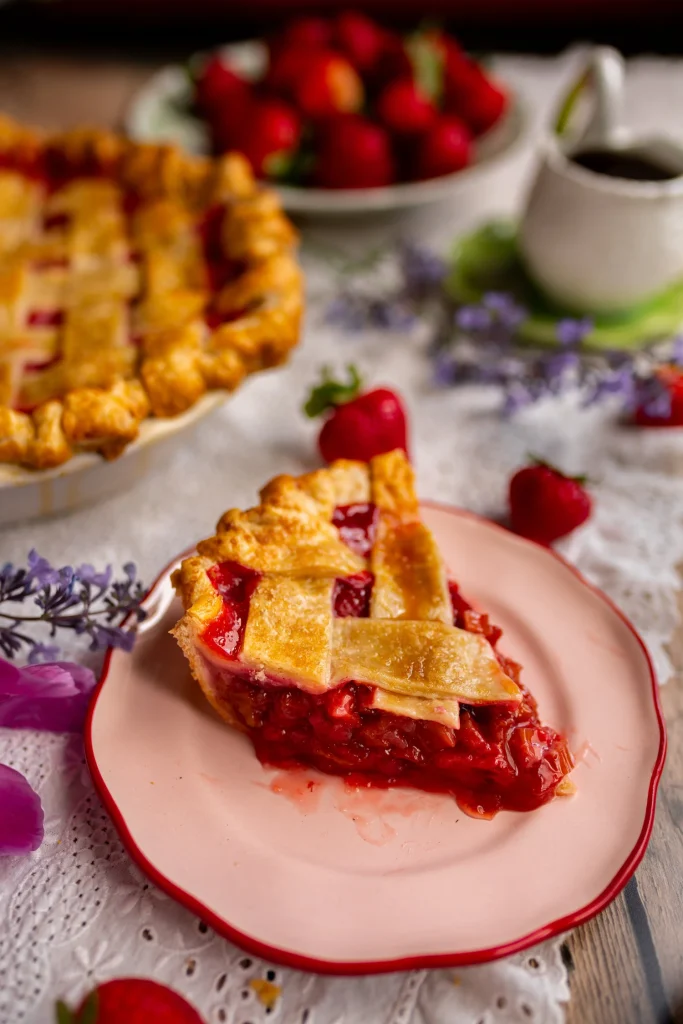
Biting into a warm slice of rhubarb pie, with its bright tartness balanced by sweet, buttery crust, is one of spring’s simplest joys. But fresh rhubarb is a short-season crop, available for just a few months a year in most regions. That’s where frozen rhubarb comes in: it locks in peak-season flavor and texture, so you can bake this iconic dessert any time, no hunting for fresh stalks required.
This recipe is designed to be fast, foolproof, and delicious every time, with pro tips to avoid common pitfalls like soggy crust or runny filling. Whether you’re a beginner baker or a seasoned pro, you’ll have a showstopping pie on the table in under 90 minutes of total time.
Why Frozen Rhubarb Works Perfectly for Pie
Frozen rhubarb is a game-changer for year-round baking, with benefits that make it just as good as—if not better than—fresh for pie. It’s picked at peak ripeness, flash-frozen within hours of harvest to lock in bright flavor and nutrients, and pre-cut into 1/2 to 1 inch pieces, so you skip the tedious trimming and slicing step fresh rhubarb requires. It’s also often less expensive than fresh, especially off-season, and reduces food waste by lasting up to 12 months in your freezer.
Per University of Illinois Extension rhubarb guidelines, frozen rhubarb retains nearly the same vitamin C and fiber content as fresh, making it a nutritious, convenient pick for baking.
Benefits of Frozen Rhubarb
- Year-round availability, no seasonal restrictions
- Pre-cut, no prep work needed beyond thawing and draining
- Lower cost than fresh rhubarb off-season
- Reduced food waste, with a 12-month freezer shelf life
- Consistent flavor, picked and frozen at peak ripeness
How to Select High-Quality Frozen Rhubarb
Not all frozen rhubarb is created equal. To get the best results for your pie:
- Look for 100% rhubarb with no added sugar, syrup, or preservatives, so you can control the sweetness of your filling
- Choose packages with firm, bright red or pink stalks, with no brown spots, mushy pieces, or excessive ice crystals (signs of freezer burn)
- Check the “best by” date: use rhubarb within 6 months of freezing for optimal flavor and texture
- Avoid clumped or partially thawed packages, which indicate temperature fluctuations during storage
If you stock up on rhubarb during peak season, use cabinet childproofing solutions to keep young children from accessing freezer storage areas with sharp frozen food packages.
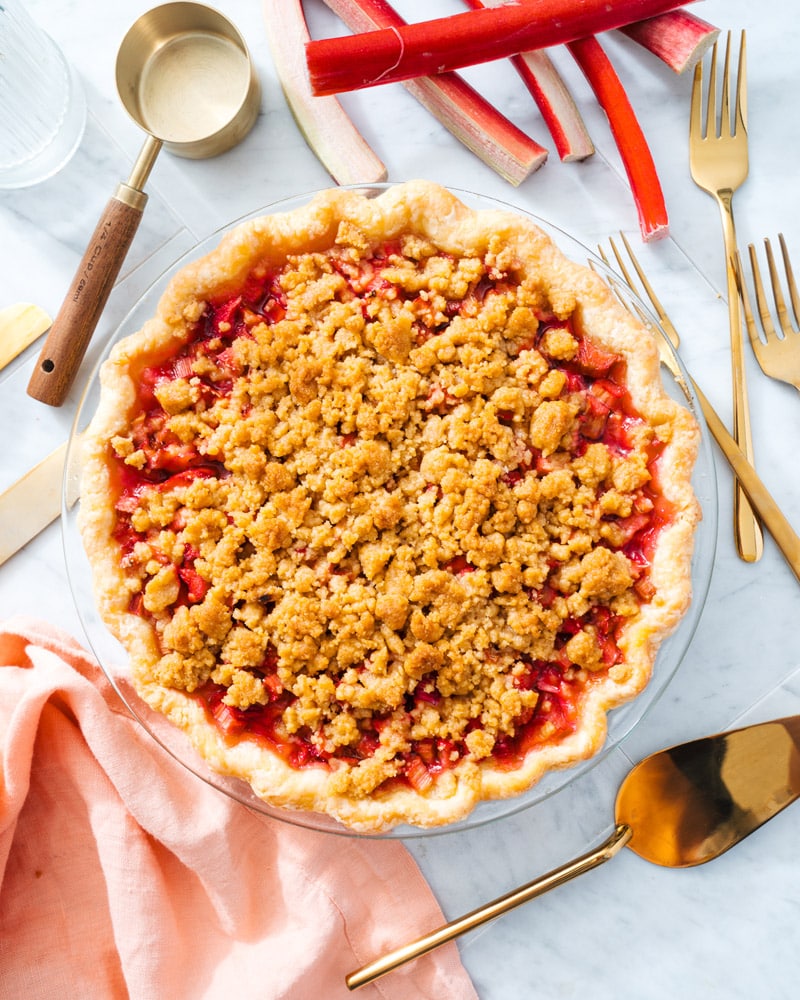 Credit: www.acouplecooks.com
A classic lattice-top rhubarb pie, ready for the oven
Credit: www.acouplecooks.com
A classic lattice-top rhubarb pie, ready for the oven
Prep the Filling for Foolproof Flavor
The filling is the star of any rhubarb pie, and proper preparation is the difference between a vibrant, thick filling and a watery, bland one. Frozen rhubarb releases far more moisture than fresh, so a few extra steps make all the difference.
Thawing and Draining Frozen Rhubarb
This is the most critical step for avoiding a soggy crust. Start by thawing the rhubarb fully: either leave it in the refrigerator overnight, or set it out at room temperature for 2 to 3 hours. Avoid microwaving, as uneven heating will partially cook the stalks and make them mushy.
Once thawed, dump the rhubarb into a fine-mesh strainer set over a bowl, and let it drain for at least 30 minutes. For extra-dry results, pat the stalks gently with paper towels to remove excess surface moisture. Pro tip: save the drained rhubarb liquid to mix into lemonade, iced tea, or cocktails for an extra tart boost—don’t pour it down the drain.
Mixing the Filling Ingredients
For a standard 9-inch rhubarb pie, you’ll need:
- 4 cups drained frozen rhubarb, cut into 1-inch pieces if needed
- 3/4 cup granulated sugar
- 1/4 cup light brown sugar
- 1/4 cup cornstarch (or all-purpose flour, for a more opaque filling)
- 1 tbsp fresh lemon juice
- 1 tsp pure vanilla extract
- 1/4 tsp ground cinnamon
- Pinch of fine sea salt
Toss the drained rhubarb with the sugars, cornstarch, lemon juice, vanilla, cinnamon, and salt in a large bowl until evenly coated. Avoid overmixing, which will break down the rhubarb and make the filling mushy. If your rhubarb is extra tart, add 1/2 cup of sliced strawberries or raspberries for a sweeter, more complex flavor.
Once your filling is mixed, scrub your mixing bowls and strainer with a sturdy scrubber for food prep to remove any sticky sugar residue before moving on to the crust.
Choose the Perfect Pie Crust
A flaky, buttery crust is the perfect complement to tart rhubarb filling, and you have two great options depending on your time and skill level.
Homemade Flaky Crust Tips
A homemade crust is easier than you think, and the flavor is unbeatable. For a single 9-inch crust, mix 2 1/2 cups of all-purpose flour, 1 tsp of fine sea salt, and 1 tbsp of granulated sugar in a large bowl. Cut in 1 cup of cold, cubed unsalted butter (keep it below 40°F / 4°C for maximum flakiness) with a pastry cutter or fork until the mixture looks like coarse crumbs. Add 6 to 8 tbsp of ice water, 1 tbsp at a time, mixing gently until the dough just holds together when pressed. Shape into a disk, wrap in plastic, and chill for at least 30 minutes before rolling out.
Handle the dough as little as possible: overworking it will develop gluten and make the crust tough instead of flaky. For extra flavor, add 1 tsp of cinnamon or 1 tbsp of finely grated lemon zest to the dry ingredients.
Store-Bought Crust Shortcuts
If you’re short on time, a high-quality store-bought crust works perfectly. Look for all-butter frozen crusts in the freezer section, and avoid options with partially hydrogenated oils or artificial preservatives. Thaw the crust in the refrigerator for 24 hours before use (don’t thaw at room temperature, as this will make it soggy). For a golden, homemade finish, brush the crust edge with an egg wash (1 egg beaten with 1 tbsp of water) and sprinkle with coarse sugar before baking.
Assemble and Bake for Perfect Results
Proper assembly ensures even baking and a crisp crust, even with the extra moisture from frozen rhubarb.
Layering and Sealing the Pie
Preheat your oven to 375°F (190°C), and set a rack in the middle position. Place your chilled bottom crust in a 9-inch pie dish (glass or ceramic dishes work best for even heating, as you can see when the bottom crust is golden). Pour the prepared filling into the crust, spreading it evenly and leaving any excess liquid from the bottom of the mixing bowl behind (this extra liquid is mostly sugar and cornstarch, and will make the filling too runny if added).
If using a lattice top, cut 1/2-inch wide strips from your second crust, and weave them over the filling, leaving a 1/2-inch overhang on the bottom crust all the way around. Fold the top crust overhang over the ends of the lattice strips, and press gently to seal. Crimp the edges with your fingers or a fork to create a tight seal, and cut 4 to 5 2-inch vents in the center of the top crust (if using a solid top) to let steam escape. If you’re baking with kids, make sure your secure cabinet fasteners are engaged on lower kitchen cabinets to keep curious kids away from hot ovens and sharp tools.
Baking Time and Doneness Cues
Place the assembled pie on a rimmed baking sheet lined with parchment paper to catch any drips, and bake for 50 to 65 minutes. The exact time will vary based on your oven and how much moisture was left in the rhubarb.
Your pie is done when:
- The crust is a deep, even golden brown, especially around the edges
- The filling bubbles thickly and steadily through the vents or lattice gaps
- The juices oozing out of the vents look thick and syrupy, not watery
If the edges of the crust brown too quickly, cover them with a pie shield or aluminum foil halfway through baking to prevent burning. Let the pie cool completely on a wire rack for at least 2 hours before slicing; this resting time lets the filling set properly, reducing the risk of undercooked thickener, per USDA home baking food safety standards. Cutting into a warm pie will lead to a runny, messy filling every time.
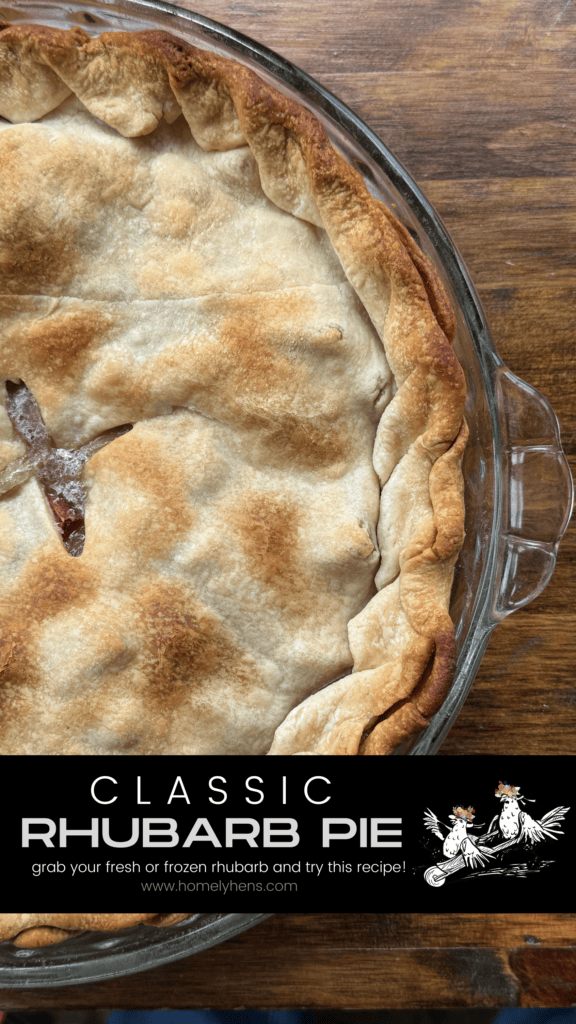 Credit: homelyhens.com
Fully baked rhubarb pie with thick, bubbling filling and golden crust
Credit: homelyhens.com
Fully baked rhubarb pie with thick, bubbling filling and golden crust
Serving and Storage Tips
Rhubarb pie is delicious on its own, but a few small additions can take it to the next level.
Best Toppings and Pairings
For warm slices, top with a scoop of vanilla ice cream, a dollop of freshly whipped cream, or a spoonful of mascarpone mixed with a little lemon zest for extra tang. For crunch, sprinkle toasted almonds, pecans, or a crumble topping (mix 1/2 cup oats, 1/4 cup flour, 2 tbsp butter, and 2 tbsp sugar, bake at 350°F for 10 minutes) over the slice before serving. A light dusting of powdered sugar or a drizzle of caramel sauce adds extra sweetness for those who prefer less tart flavor.
For drinks, pair your pie with hot chamomile or green tea to balance the tartness, a smooth latte for coffee lovers, or a glass of sparkling wine or iced tea for a refreshing contrast. If you’re serving the pie at a gathering, pair it with a charcuterie board of cured meats and cheeses, and use our guide to perfect cheese for grazing boards to prep a balanced, impressive spread for guests.
Storing Leftover Pie
Leftover rhubarb pie stays fresh in an airtight container in the refrigerator for up to 4 days. To reheat, preheat your oven to 350°F (175°C), cover the pie loosely with aluminum foil, and bake for 15 to 20 minutes until warmed through. Avoid microwaving, as it will make the crust soggy. For longer storage, wrap the cooled pie tightly in plastic wrap and aluminum foil, and freeze for up to 3 months. Thaw in the refrigerator overnight before reheating.
Once your pie is enjoyed, tackle any leftover crumbs or spills with heavy-duty cleanup supplies to make post-bake cleanup fast and easy.
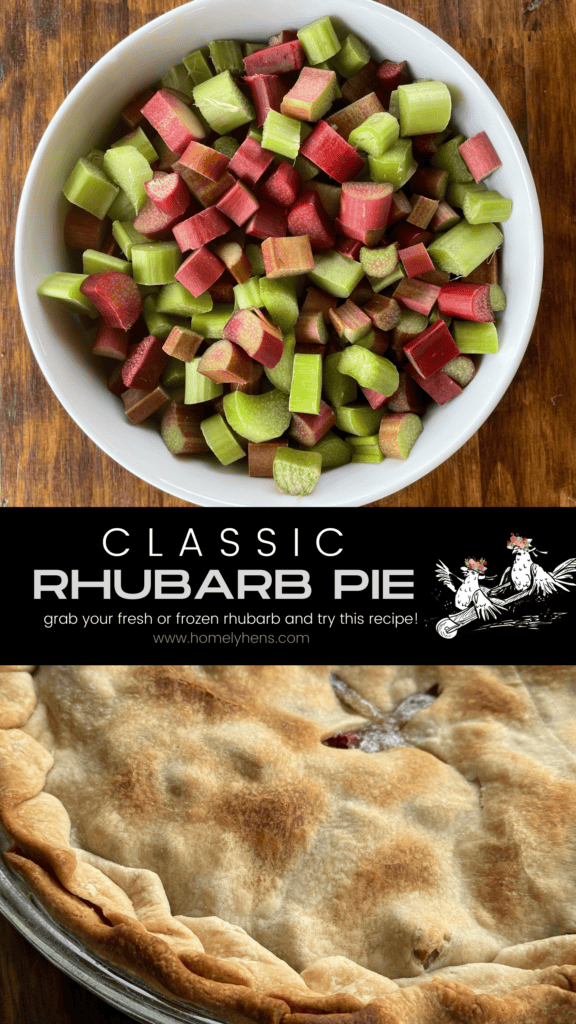 Credit: homelyhens.com
Classic warm rhubarb pie served with vanilla ice cream
Credit: homelyhens.com
Classic warm rhubarb pie served with vanilla ice cream
Pro Tips for Rhubarb Pie Success
Even experienced bakers run into issues with rhubarb pie sometimes. These tested tips will help you get perfect results every time:
- Don’t skip the draining step: even 10 minutes of draining makes a huge difference in preventing a soggy crust. If you’re in a hurry, pat the thawed rhubarb dry with paper towels instead of waiting for it to drain fully.
- Taste your rhubarb before adding sugar: frozen rhubarb can vary widely in tartness depending on the brand and when it was frozen, so adjust the sugar to match your preference. Remember the pie will taste less sweet when cold, so err on the side of slightly sweeter if you prefer a milder tart flavor.
- Use cornstarch over flour for thickening: it creates a clear, glossy filling and thickens at a lower temperature, which is ideal for pies with extra moisture from frozen fruit.
- If you don’t have a pie shield, crimp the edges of your crust extra high and thick; this slows down browning and prevents the edges from burning before the filling is done.
- For an extra flaky crust, brush the bottom crust with a little beaten egg white before adding the filling; this creates a barrier that keeps the crust crisp even with juicy filling.
Start by clearing your workspace and grabbing effective cleaning tools to wipe down counters and utensils before handling ingredients for the best, safest baking experience.
Frequently Asked Questions
Can I use frozen rhubarb without thawing it first?
Yes, but you’ll need to adjust the recipe: increase the cornstarch by 1 tablespoon, and add 5 to 10 minutes to the baking time. Toss the frozen rhubarb directly with the dry ingredients, then fill the crust; the extra baking time will let the rhubarb thaw and cook through properly.
Why is my frozen rhubarb pie runny?
The most common cause is under-draining the rhubarb, or not using enough thickener. Make sure to drain thawed rhubarb for at least 30 minutes, and use the full 1/4 cup of cornstarch called for in the recipe. If your rhubarb was extra juicy, you can add an extra 1 tbsp of cornstarch to compensate.
Can I add other fruits to frozen rhubarb pie?
Absolutely! Strawberries, blueberries, raspberries, and peaches all pair beautifully with rhubarb’s tart flavor. If adding sweeter fruits like peaches, reduce the granulated sugar by 2 tbsp to avoid over-sweetening the filling.
How do I reheat leftover rhubarb pie?
Preheat your oven to 350°F (175°C), cover the pie loosely with aluminum foil, and bake for 15 to 20 minutes until warmed through. Avoid microwaving, as it will make the crust soggy and chewy.
Can I freeze leftover rhubarb pie?
Yes! Cool the pie completely, then wrap it tightly in plastic wrap and aluminum foil. It will keep in the freezer for up to 3 months. Thaw in the refrigerator overnight before reheating.
Conclusion
Frozen rhubarb makes it easy to enjoy the sweet-tart magic of rhubarb pie any time of year, no seasonal hunting required. The key to success is simple: drain your rhubarb thoroughly, use enough thickener, and let the pie cool fully before slicing. Even beginner bakers can pull off this recipe with ease, and it’s perfect for family dinners, potlucks, or casual weeknight desserts.
Ready to try more easy, crowd-pleasing baked goods? Browse our collection of quick, delicious recipe roundups perfect for any occasion.

I’m Abby Lu, a passionate home cook who loves simplifying everyday meals. At PlugChef.com, I share product reviews and cooking guides to help you find the best tools for your kitchen.
Related posts:
 Whole Foods Water Reverse Osmosis: Ultimate Purity and Health Benefits
 Good Sides for Beef Tenderloin: Perfect Pairings to Impress Guests
 Hot Apple Cider Crock Pot: Easy, Cozy Fall Recipe to Savor
 Chicken Thighs Onion Soup Mix: Easy, Flavorful Dinner Recipe
 Freezing Homemade Mac And Cheese: Easy Tips for Perfect Meals
 Sweet Potato With Sour Cream: Irresistible Creamy Comfort Recipe

