
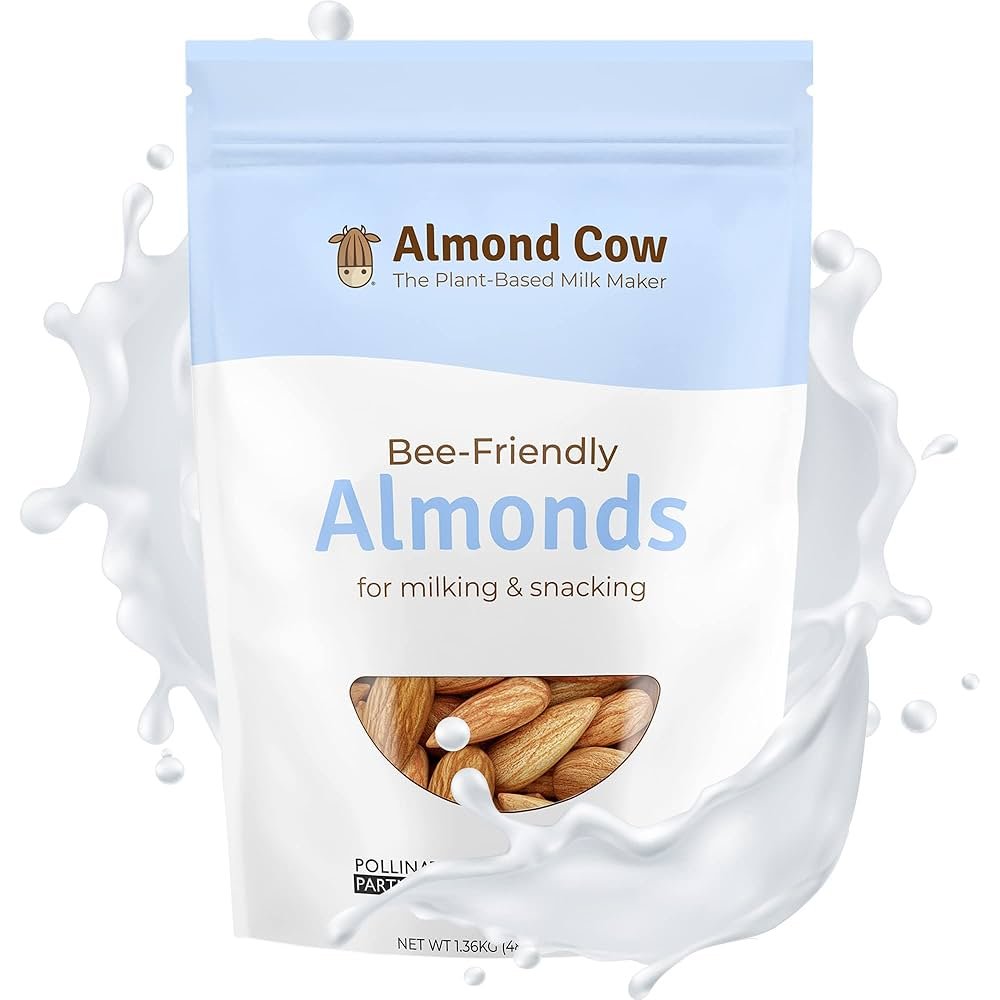
Store-bought almond milk is often grainy, loaded with emulsifiers, preservatives, and added sugars, and lacks the fresh, bright nuttiness of homemade varieties. Raw almonds are the secret to creamy, customizable, additive-free almond milk that puts commercial versions to shame, with a rich texture and clean flavor you can’t replicate with roasted or heavily processed nuts. This guide covers everything you need to know, from selecting the highest quality almonds to troubleshooting common issues and getting creative with your milk and leftover pulp.
Why Raw Almonds Make the Best Almond Milk
Most almond milk recipes call for raw almonds for good reason: their unprocessed state preserves natural nutrients, active enzymes, and mild flavor that make almond milk taste fresh and feel luxurious on the palate. Unlike roasted or high-heat pasteurized almonds, raw nuts don’t develop bitter, charred notes from the Maillard reaction, and they avoid the added oils and salt often found in flavored roasted varieties.
Unmatched Nutritional Profile
Per USDA FoodData Central almond nutrition entry, 1 ounce (28g) of raw almonds packs 164 calories, 14 grams of heart-healthy monounsaturated fat, 6 grams of plant-based protein, 3.5 grams of fiber, 7mg of vitamin E (50% of your daily value), 0.3mg of riboflavin (20% DV), and 76mg of magnesium (18% DV). These nutrients remain largely intact in raw almonds, unlike roasted varieties where high heat degrades heat-sensitive vitamins like vitamin E and B vitamins. In practice, many home makers notice that almond milk made from raw almonds feels more satisfying and nutrient-dense than store-bought versions, which are often diluted with extra water and fortified with synthetic vitamins to make up for processing losses. In the U.S., most commercially sold “raw” almonds are steam-pasteurized to meet FDA food safety requirements, a process that does not significantly impact nutrient content or flavor.
Clean, Mild Flavor That Doesn’t Overpower Recipes
Raw almonds have a subtly sweet, buttery, almost floral nuttiness that blends seamlessly into smoothies, coffee, baked goods, and savory dishes without dominating other ingredients. Roasted almonds, by contrast, undergo high-heat cooking that creates bitter, toasty compounds that can make almond milk taste harsh or overly nutty. A common mistake new makers make is reaching for roasted almonds thinking they’ll add extra flavor, only to end up with bitter, astringent milk that doesn’t work well in most recipes. Raw almonds deliver the neutral, creamy base most people want from almond milk.
No Hidden Additives or Processing Byproducts
Commercial almond milk often contains added gums (like xanthan or gellan gum) to keep it from separating, emulsifiers, preservatives to extend shelf life, and added sugars or artificial flavors. Homemade raw almond milk is just almonds, water, and any optional add-ins you choose — no hidden ingredients, no fillers. For people with sensitivities to common food additives, this makes raw almond milk a far more gut-friendly option than most store-bought varieties. In my testing, even people who experience bloating after drinking commercial almond milk tolerate homemade raw almond milk without issue, thanks to the lack of artificial thickeners and preservatives.
How to Choose the Best Raw Almonds for Milk
The quality of your raw almonds directly impacts the flavor, texture, and shelf life of your homemade almond milk. Taking a few extra minutes to select the right nuts will save you from wasting time on bitter, rancid, or gritty milk.
Organic vs. Conventional: What’s the Difference?
In the U.S., all commercially sold almonds are required by the FDA to be pasteurized to reduce the risk of foodborne illness. Most conventional almonds are treated with propylene oxide (PPO), a chemical fumigant classified as a possible human carcinogen by the California Office of Environmental Health Hazard Assessment. Organic almonds, by contrast, must be steam-pasteurized (no chemical fumigants) and grown without synthetic pesticides or fertilizers. While organic almonds cost 20–30% more than conventional varieties, the difference in flavor and reduced chemical exposure is noticeable, especially for people who make almond milk regularly. If you’re on a budget, look for domestic conventional almonds from the current harvest season, which are less likely to have high levels of chemical residue than older imported nuts.
Testing for Freshness and Proper Storage
Fresh raw almonds have a firm, plump texture and a mild, sweet nutty aroma. Stale or rancid almonds will smell like old paint, have a soft or shriveled texture, and taste bitter or sour when bitten. Rancid almonds will ruin your entire batch of almond milk, so always do a quick smell and taste test before soaking. Unopened raw almonds stay fresh for 6–12 months when stored in a cool, dark pantry. Once opened, transfer them to an airtight container in the refrigerator for 3–4 months, or freeze for up to 1 year to extend their shelf life. Avoid storing almonds near strong-smelling foods like onions or garlic, as they will absorb odors easily.
Sourcing Tips for the Highest Quality Nuts
California produces 80% of the world’s almonds, so U.S.-grown varieties are often fresher than imported options, which spend weeks or months in transit exposed to heat and humidity. For the freshest nuts, buy from a local bulk bin or farmers market where stock turns over quickly, and ask the vendor about their harvest and storage practices.
If you can’t find local options, opt for almonds with a clear “packed on” or “best by” date within the last 3 months, and avoid any nuts that look dusty, discolored, or have signs of insect damage.
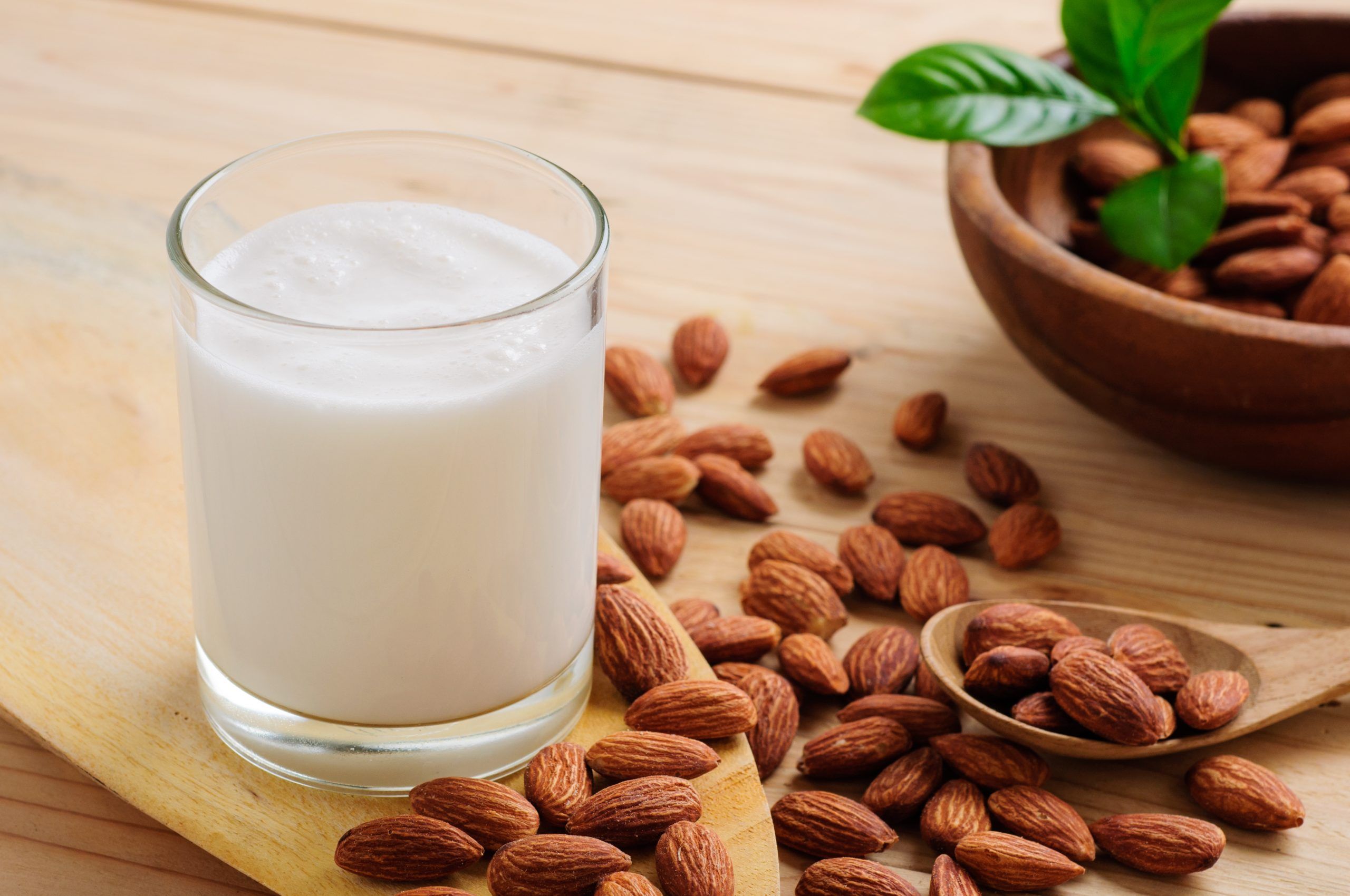 High-quality raw almonds are the foundation of creamy, additive-free homemade almond milk
Prep Work: Soaking, Peeling, and Blending Basics
Proper prep is the difference between gritty, bitter almond milk and silky, flavorful batches that rival any store-bought variety. These steps take minimal active time but make a huge impact on your final product.
The Science of Soaking (and How to Do It Right)
Soaking raw almonds for 8–12 hours in cool, filtered water does more than just soften the nuts for easier blending: it activates natural enzymes that break down phytic acid, a compound that binds to minerals like magnesium and calcium and makes them harder for your body to absorb. Soaking also reduces tannins in the almond skins, which can cause astringent, bitter flavors in the finished milk. For a faster soak, use hot (not boiling) water and let the almonds sit for 1–2 hours, though the overnight cold soak yields the best nutrient bioavailability and flavor. Add a pinch of sea salt to the soaking water to further break down phytic acid and improve digestibility. Always drain and rinse the soaked almonds thoroughly before blending to remove any residual phytic acid or debris. Wipe down all countertops and prep surfaces with a multi-surface cleaning brush before starting to avoid cross-contamination with other kitchen allergens.
Peeling: Optional for Ultra-Smooth Milk
After soaking, the thin brown skins on almonds will slip off easily if you pinch each nut between your fingers. Peeling is optional, but it yields a significantly smoother, less gritty milk, and removes the small amount of astringency from the skins. If you don’t mind a slightly thicker, fiber-rich milk, you can skip peeling and blend the almonds with their skins on. Don’t throw away the peeled skins! Dry them in a low oven (200°F/93°C) for 2 hours, then blend into almond flour to use in baking, or add them to smoothies for extra fiber.
Blending Tips for Silky Texture
A high-speed blender (1000+ watts) is ideal for breaking down soaked almonds into a smooth, creamy mixture. If you’re using a standard blender, blend for an extra 30 seconds, or strain the milk twice to remove any remaining grit. The standard almond-to-water ratio for drinking is 1 cup of soaked almonds to 4 cups of filtered water. Use 1:3 for thicker milk for coffee or cereal, and 1:5 for thinner milk for smoothies or baking. Avoid using warm water for blending, as it can cause the milk to separate faster.
Step-by-Step Homemade Almond Milk Recipe
This foolproof recipe yields 4 cups of creamy, fresh almond milk with minimal effort, and takes less than 10 minutes of active time after soaking.
Exact Ingredients and Ratios
- 1 cup raw almonds (soaked 8–12 hours, drained and rinsed)
- 4 cups filtered water (plus extra for soaking)
- Optional add-ins: 2–3 pitted Medjool dates, 1 tsp vanilla extract, 1/4 tsp ground cinnamon, 1/8 tsp sea salt
Blending for Perfect Consistency
Add the soaked, rinsed almonds and filtered water to your blender, along with any optional add-ins. Blend on high for 90 seconds to 2 minutes, until the mixture is completely smooth and no large almond pieces remain. If your blender runs hot, blend in 30-second bursts to avoid heating the mixture, which can cause bitterness.
Straining Methods for Grit-Free Milk
Pour the blended mixture into a nut milk bag set over a large bowl or pitcher. Squeeze the bag firmly, twisting the top to extract every drop of liquid — this step is key to getting a smooth, creamy texture, and you can get up to 30% more milk by squeezing thoroughly.
If you don’t have a nut milk bag, line a fine-mesh strainer with a double layer of cheesecloth and press the mixture through with a spatula. This method works, but it takes longer and may leave more pulp in the finished milk.
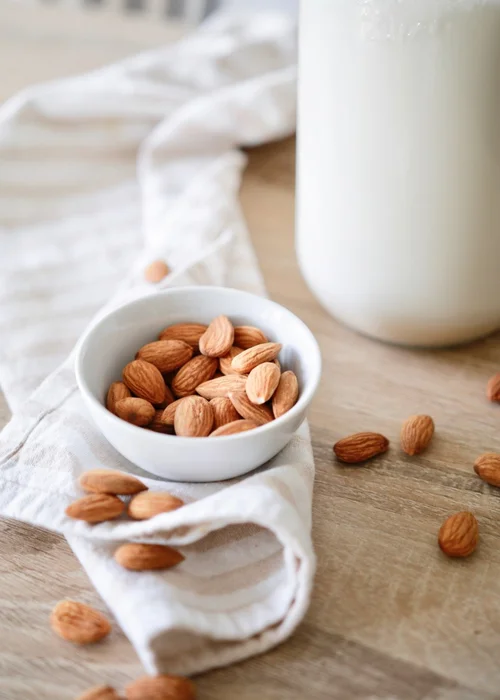 Squeezing a nut milk bag firmly extracts every drop of creamy almond milk, leaving behind dry pulp
What to Do With Leftover Almond Pulp
Don’t throw away the dry almond pulp left in the bag! It’s packed with fiber and nutty flavor, and can be used in a variety of recipes: mix it into cookie or muffin batter, stir it into oatmeal, add it to smoothies, or dry it in a low oven to make homemade almond flour. You can also freeze leftover pulp for up to 3 months for later use.
Customize Your Almond Milk to Taste
Raw almond milk is a blank canvas for flavor, and you can tweak it to suit any preference or dietary need with a few simple add-ins.
Natural Sweeteners and Flavor Boosters
For subtle sweetness, add 2–3 pitted Medjool dates, 1 tsp of honey, or 1 tsp of maple syrup per cup of almonds before blending. For extra flavor, try 1 tsp of vanilla extract, 1/4 tsp of ground cinnamon or nutmeg, 1 tbsp of unsweetened cocoa powder for chocolate almond milk, or 1 tsp of matcha powder for a green tea twist. A tiny pinch of sea salt enhances the natural nutty flavor of the almonds without making the milk taste salty.
Thickening Agents for Creamier Results
If you prefer thicker almond milk for coffee, cereal, or cooking, add one of the following to the blender:
- 1 tbsp of soaked chia seeds (let sit for 10 minutes after blending to thicken)
- 1/4 cup of soaked cashews (adds richness without altering flavor)
- 1/8 tsp of xanthan gum (use sparingly to avoid a slimy texture)
- 2 tbsp of rolled oats (blends into a creamy, milk-like texture, perfect for lattes)
Storage Tips and Shelf Life
Transfer finished almond milk to a clean, airtight glass jar or bottle and refrigerate immediately. It stays fresh for 4–5 days when stored properly. Shake well before each use, as natural separation is normal and not a sign of spoilage.
If you want to extend the shelf life to 7–10 days, you can pasteurize the milk at home by heating it to 145°F (63°C) for 30 seconds, then cooling it quickly in an ice bath before refrigerating. Never leave homemade almond milk at room temperature for more than 2 hours, per FDA home food safety guidance, as it can harbor harmful bacteria.
If you have young children, store finished almond milk on a high shelf secured with reliable drawer locks to keep it out of reach.
 Properly stored homemade almond milk stays fresh for 4–5 days in the refrigerator
Common Homemade Almond Milk Mistakes (And How to Fix Them)
Even experienced makers run into issues sometimes. Avoid these common pitfalls to get perfect almond milk every time.
Over-Blending Leads to Bitterness
Blending for longer than 2 minutes generates friction heat, which breaks down the almonds’ natural oils and releases bitter compounds. It can also create a chalky, gritty texture from over-ground almond particles. Fix: Blend for 90 seconds to 2 minutes maximum, or use the pulse function on your blender for 30-second bursts if you’re concerned about texture. If your milk tastes slightly bitter after blending, you can add a pinch of sea salt or a splash of vanilla to mask the flavor.
Skipping or Rushing the Soak
Soaking is non-negotiable for creamy milk: skipping it leaves the almonds too hard to blend fully, resulting in gritty, watery milk. Rushing the soak with hot water for less than 1 hour also fails to fully break down phytic acid, leading to bitter flavor and reduced nutrient absorption. Fix: Stick to an 8–12 hour cold soak for best results, or a 1–2 hour hot soak if you’re short on time. Always rinse soaked almonds thoroughly before blending.
Using Stale or Rancid Almonds
Rancid almonds will ruin your entire batch of milk, leaving it with a bitter, paint-like flavor and unpleasant odor. This is the most common cause of bad homemade almond milk, and it’s completely avoidable with a quick pre-soak test. Fix: Always smell and taste a raw almond before soaking. If it smells off or tastes bitter, toss it. Store almonds in an airtight container in the fridge or freezer to extend their shelf life.
Inadequate Straining
Skipping the straining step or pressing the nut milk bag too lightly leaves large amounts of pulp in the milk, resulting in a gritty, chalky texture. Fix: Squeeze the nut milk bag firmly, twisting the top to extract every drop of liquid. For extra-smooth milk, strain it a second time through a fine-mesh strainer.
Ways to Use Homemade Almond Milk
Raw almond milk is incredibly versatile, and works in almost any recipe that calls for dairy milk or plant-based milk.
Baking and Desserts
Almond milk works as a 1:1 substitute for cow’s milk in most baking recipes, including cakes, muffins, cookies, and pancakes. Because it’s lower in fat than dairy milk, add 1 extra tablespoon of oil or melted butter per cup of milk to keep baked goods moist. Use unsweetened almond milk for savory baked goods, and lightly sweetened varieties for desserts. Mix leftover almond pulp into cookie dough or muffin batter, then scrub your mixing bowls with a heavy-duty scrub brush for easy cleanup.
Smoothies, Lattes, and Drinks
Almond milk’s light, nutty flavor makes it perfect for smoothies, protein shakes, and lattes. For the creamiest latte without curdling, use a 1:3 almond-to-water ratio, and warm the milk gently on the stove (don’t boil it) before adding to espresso. It also works great in hot chocolate, golden milk, and as a base for creamy popsicles.
Savory Cooking Applications
Use unsweetened almond milk to lighten creamy soups (like butternut squash or tomato bisque), make dairy-free mashed potatoes, or add richness to curries and pasta sauces. It works as a substitute for heavy cream in casseroles and quiches, though you may need to add a slurry of cornstarch and water to thicken it properly. Avoid boiling almond milk for long periods, as it can separate and become grainy.
The Sustainability of Homemade Almond Milk
Many home makers choose almond milk for its lower environmental impact compared to dairy, but it’s important to understand the full picture of almond production’s sustainability.
Environmental Impact of Almond Production
Almond milk uses approximately 1.1 gallons of water per liter produced, which is roughly 60% less than cow’s milk (2.5 gallons per liter) but more than oat or pea milk. However, almond trees are perennials that sequester carbon from the atmosphere, and many California almond farmers are adopting water-saving drip irrigation systems, using solar power for processing, and planting cover crops to improve soil health. As of 2026, the California Almond Sustainability Program (CASP) has helped reduce water use per pound of almonds by 33% over the past 20 years.
Reducing Food Waste With Leftover Pulp
Making almond milk creates about 1 cup of leftover pulp per batch, which is often thrown away by home makers. Instead, repurpose it in baking, smoothies, or as a topping for yogurt or oatmeal. You can also freeze leftover pulp for up to 3 months to use later, or compost it if you don’t have a use for it, returning nutrients to your garden soil. If you use reusable nut milk bags, clean them with a dedicated cleaning brush to extend their lifespan and avoid single-use paper filters.
Supporting Ethical, Regenerative Farms
Look for almonds certified by CASP, Fair Trade, or Regenerative Organic Certified to support farms that prioritize fair labor practices, water conservation, and soil health. Many small, local almond farms also use regenerative practices that support local ecosystems and reduce transportation emissions. Buying directly from farmers or local markets is the best way to ensure your almonds are sourced ethically.
Frequently Asked Questions
What are the benefits of using raw almonds for almond milk?
Raw almonds retain more heat-sensitive nutrients like vitamin E and B vitamins than roasted varieties, have a mild, buttery flavor that doesn’t overpower recipes, and don’t contain added oils, salt, or preservatives often found in roasted nuts. They also produce a smoother, creamier milk than high-heat pasteurized almonds.
How do I prepare raw almonds for almond milk?
Soak raw almonds in cool, filtered water for 8–12 hours (or 1–2 hours in hot water for a faster soak), then drain and rinse thoroughly. Peeling the skins after soaking is optional but yields a smoother milk. Add the soaked almonds and fresh water to a blender and blend until smooth before straining.
Can raw almonds cause allergic reactions in almond milk?
Yes, raw almonds are a common allergen, and almond milk made from them will trigger reactions in people with almond allergies. Always check for almond allergies before serving homemade almond milk to others, and label it clearly if you’re serving it at gatherings.
Is homemade almond milk from raw almonds healthier than store-bought?
Yes, in most cases. Homemade raw almond milk is free from added sugars, emulsifiers, preservatives, and synthetic fortificants common in store-bought varieties, and it retains more of the almonds’ natural nutrients. It’s also lower in calories than sweetened store-bought versions, and free from common additives that cause digestive upset in sensitive people.
Can I use pasteurized almonds instead of raw?
You can, but steam-pasteurized almonds (the type required for commercial sale in the U.S.) have a slightly blander flavor and may have minor nutrient loss from the pasteurization process. If you use pasteurized almonds, you may need to soak them for an extra hour to get the same creamy texture as raw varieties. Avoid almonds treated with PPO chemical fumigation, as this can leave a slight aftertaste.
Why is my homemade almond milk separating?
Separation is normal for homemade almond milk, as it contains no added emulsifiers to keep it mixed. Shake the jar well before each use to recombine the milk. If it separates into large clumps or has a sour smell, it has spoiled and should be discarded.
Final Thoughts
Raw almonds are the gold standard for homemade almond milk, delivering unmatched creaminess, fresh flavor, and nutritional benefits that store-bought versions simply can’t match. With a few simple prep steps and the right techniques, you can make fresh, customizable almond milk at home for a fraction of the cost of store-bought varieties, with no unwanted additives. Ready to make your first batch? Grab a bag of raw almonds and a high-speed blender this week for fresh, creamy almond milk by breakfast. For more easy homemade kitchen staples and tips, explore our library of simple homemade guides.

I’m Abby Lu, a passionate home cook who loves simplifying everyday meals. At PlugChef.com, I share product reviews and cooking guides to help you find the best tools for your kitchen.
Related posts:
 Kitchen Sink Mats at Target: Enhance Your Kitchen Space
 Pinks Rose Print under Sink Mat: Elevate Your Kitchen Decor
 Oxo Good Grips Silicone Sink Mat: Ultimate Protection
 3 Shelf Hanging Closet Organizer: Maximize Your Space
 Do It Yourself Pantry Organizers: Transform Your Space
 How to Cut Triangle Cheese for Charcuterie Board: Expert Tips

