
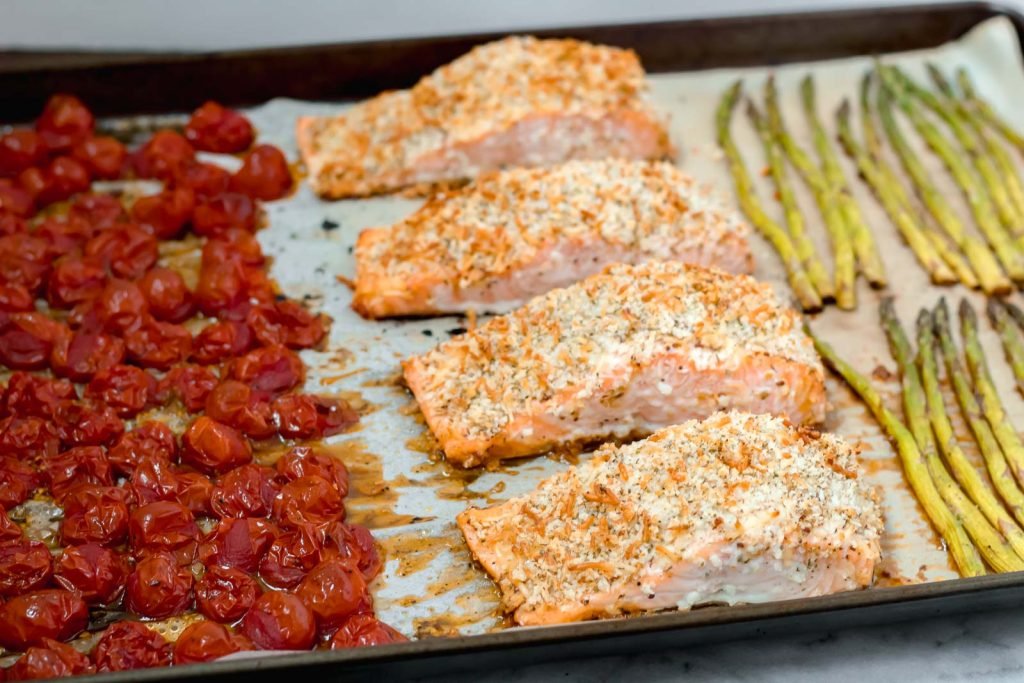
Are you looking for a quick and healthy meal that doesn’t require hours in the kitchen? Oven frozen salmon and tomatoes might be exactly what you need.
This simple dish combines the rich flavor of salmon with the natural sweetness of roasted tomatoes—all cooked together with minimal effort. You’ll discover how easy it is to turn frozen ingredients into a delicious dinner that feels fresh and satisfying.
Keep reading, and you’ll learn tips to make your meal tasty, nutritious, and ready in no time. Your next favorite recipe is just a few steps away!
Benefits Of Oven Cooking
Oven cooking offers many advantages, especially for frozen salmon and tomatoes. It preserves the natural flavors and textures of the ingredients. This method cooks food evenly and gently. It also helps keep the dish healthy and tasty. Here are some key benefits of using an oven for cooking frozen salmon and tomatoes.
Retaining Nutrients
The oven cooks food at a steady temperature. This helps keep vitamins and minerals intact. Unlike boiling or frying, oven cooking does not wash away nutrients. Salmon retains omega-3 fatty acids, which are good for the heart. Tomatoes keep their antioxidants, such as lycopene, which supports the immune system. The slow cooking process also prevents nutrient loss from overheating.
Convenience And Time-saving
Oven cooking is simple and requires little attention. You can place frozen salmon and tomatoes on a tray and set the timer. No need to thaw the fish beforehand. The oven does the work while you do other tasks. It also cooks multiple ingredients at once, saving time and effort. Clean-up is easier too, as you often use one baking dish.

Credit: chelsealeblancrdn.com
Choosing Frozen Salmon
Choosing the right frozen salmon can make a huge difference in your oven-baked salmon and tomatoes dish. Not all frozen salmon is created equal, and understanding your options helps you pick the best quality fish. This ensures a flavorful, tender result that complements the fresh tomatoes perfectly.
Types Of Frozen Salmon
Frozen salmon comes in several varieties, each with its own taste and texture. Wild-caught salmon offers a richer flavor and firmer texture, while farm-raised salmon tends to be milder and more affordable.
You’ll also find options like salmon fillets, steaks, and portions with or without skin. Skin-on pieces can add crispiness when roasted, but skinless cuts are easier to eat and season evenly.
Tips For Quality Selection
Look for salmon that’s frozen quickly after being caught; this preserves freshness and texture. Check the packaging for any signs of freezer burn—avoid fish with dry spots or discoloration.
Choose salmon labeled as “flash-frozen” or “frozen at sea” for the best quality. Don’t forget to check the expiration date and buy from trusted brands or stores with good seafood reviews.
Have you noticed how some frozen salmon stays juicy after cooking, while others turn dry? That often comes down to how it was handled before freezing. Your choice here can really elevate your meal.
Preparing Tomatoes For Baking
Rinse tomatoes and slice them evenly for quick, even cooking. Removing seeds can reduce moisture and enhance flavor during baking.
Preparing tomatoes for baking enhances their flavor in salmon recipes. Tomatoes bring a juicy, tangy taste to dishes. Baking them with salmon is a delicious choice. Let’s delve into how to prepare tomatoes for this purpose.Selecting The Right Tomatoes
Choose ripe tomatoes for the best flavor. Look for firm, bright red ones. Avoid tomatoes with blemishes or soft spots. Cherry tomatoes work well for baking. Their size is perfect, and they hold flavor.Prepping Techniques
Wash tomatoes thoroughly under running water. Remove any dirt or debris. Use a sharp knife to slice them evenly. For cherry tomatoes, cut them in half. This ensures even cooking and flavor release. Arrange the tomato slices on a baking tray. Drizzle with olive oil for extra taste. Season with salt and pepper to enhance the flavors.Step-by-step Recipe
Cooking oven frozen salmon and tomatoes is simpler than you might think. This step-by-step recipe breaks down the process into easy actions that bring out rich flavors without extra fuss. Each step ensures your meal turns out juicy, tender, and full of vibrant taste.
Ingredients List
- 2 frozen salmon fillets (about 6 oz each)
- 1 cup cherry tomatoes, halved
- 2 tablespoons olive oil
- 1 teaspoon garlic powder
- 1 teaspoon dried oregano
- Salt and freshly ground black pepper, to taste
- Fresh lemon wedges (optional)
Preheating The Oven
Set your oven to 400°F (200°C) and let it fully preheat before placing the salmon inside. A hot oven creates the right environment for even cooking and a nicely roasted finish.
While the oven warms up, you can prepare your ingredients. This small pause helps you stay organized and ensures no time is wasted once the salmon is ready to bake.
Arranging Salmon And Tomatoes
Line a baking tray with parchment paper or lightly grease it to prevent sticking. Place the frozen salmon fillets spaced apart in the center of the tray.
Scatter the halved cherry tomatoes around the salmon. This layout allows the tomatoes to roast alongside the fish, releasing juices that complement the salmon’s flavor.
Seasoning And Flavoring
Drizzle olive oil evenly over the salmon and tomatoes. This adds moisture and helps the seasonings stick.
Sprinkle garlic powder, dried oregano, salt, and pepper over everything. Don’t be shy with seasoning—salmon benefits from bold, simple flavors.
If you enjoy a citrus kick, add fresh lemon wedges on top or around the tray. The lemon will infuse the salmon with a subtle brightness during baking.
Baking Time And Temperature
Place the tray in the preheated oven and bake for 20-25 minutes. The salmon is done when it flakes easily with a fork and reaches an internal temperature of 145°F (63°C).
Check the tomatoes; they should be soft and slightly caramelized. If you want them softer, you can leave them in for a few minutes longer after removing the salmon.
Have you noticed how baking frozen salmon skips the thawing step but still delivers fresh taste? Give it a try and see how this easy approach fits your busy routine.
Serving Suggestions
Oven frozen salmon and tomatoes create a simple, flavorful dish. Serving it with the right sides and garnishes brings the meal to life. These ideas help balance flavors and textures for a complete dining experience.
Side Dishes To Complement
- Steamed green beans add a fresh, crunchy contrast.
- Garlic mashed potatoes offer creamy richness.
- Quinoa salad with lemon dressing brings a zesty touch.
- Roasted asparagus enhances the smoky flavor.
- Brown rice provides a nutty, wholesome base.
Garnishing Ideas
- Fresh dill sprigs brighten the plate with herb aroma.
- Lemon wedges add a splash of citrus tang.
- Chopped parsley gives a fresh, green finish.
- Thinly sliced red onions add mild sharpness.
- Cracked black pepper enhances the natural taste.

Credit: chelsealeblancrdn.com
Health Benefits Of Salmon And Tomatoes
Salmon and tomatoes are a powerful duo for your health. Both foods offer essential nutrients that support your body in many ways. Eating oven frozen salmon and tomatoes brings you fresh taste and great nutrition.
These ingredients work well together. They help improve heart health, boost the immune system, and provide antioxidants. Their nutrients are easy to absorb when cooked in the oven.
Omega-3 Fatty Acids
Salmon is rich in omega-3 fatty acids. These fats are good for the heart and brain. They help reduce inflammation and lower bad cholesterol levels. Omega-3s also support better mood and memory. Eating salmon regularly can improve overall heart health.
Antioxidants And Vitamins
Tomatoes contain antioxidants like lycopene, which protect cells from damage. They also have vitamins C and A, which help the immune system and skin health. These antioxidants reduce the risk of chronic diseases. Combining tomatoes with salmon gives a strong nutrient boost.
Tips For Customizing The Recipe
Customizing oven frozen salmon and tomatoes allows you to create flavors you enjoy most. Small changes can make a big difference. Experimenting with herbs, spices, and vegetables keeps the dish fresh and exciting. Explore ideas below to tailor this recipe to your taste.
Herbs And Spices Variations
Herbs and spices add unique flavors to salmon and tomatoes. Fresh herbs like dill, parsley, or basil brighten the dish. Dried herbs such as oregano or thyme give a deeper, earthy taste. Spices like paprika, cumin, or chili flakes bring warmth and a little heat.
- Try rosemary for a pine-like aroma.
- Use garlic powder or minced garlic for boldness.
- Add lemon zest with black pepper for freshness.
- Mix in a pinch of smoked paprika for a smoky note.
Adjust amounts according to your preference. Start small and add more as you go.
Adding Other Vegetables
Adding more vegetables makes the meal colorful and nutritious. Choose veggies that cook well with salmon and tomatoes. Bell peppers, zucchini, or asparagus work perfectly. They roast nicely and keep their texture.
- Slice bell peppers for sweetness and crunch.
- Cut zucchini into thick rounds or sticks.
- Trim asparagus ends for tenderness.
- Add sliced red onion for a mild sharpness.
Spread vegetables evenly around the salmon for even cooking. This adds flavor and keeps everything moist.

Credit: chelsealeblancrdn.com
Frequently Asked Questions
How Do I Cook Frozen Salmon And Tomatoes In The Oven?
Preheat oven to 400°F (200°C). Place frozen salmon and tomatoes on a baking tray. Drizzle with olive oil, season, and bake for 20-25 minutes until salmon is cooked through and tomatoes are tender.
Can I Bake Salmon And Tomatoes Together From Frozen?
Yes, you can bake frozen salmon and tomatoes together. Just ensure even spacing on the tray. Adjust baking time to 20-25 minutes for thorough cooking.
What Seasonings Work Best For Oven-baked Salmon And Tomatoes?
Use simple seasonings like salt, pepper, garlic, lemon juice, and fresh herbs. These enhance the natural flavors of salmon and tomatoes without overpowering them.
Is It Safe To Cook Salmon Directly From Frozen?
Cooking salmon from frozen is safe if cooked to an internal temperature of 145°F (63°C). Oven baking ensures even cooking and food safety.
Conclusion
Oven cooking frozen salmon and tomatoes saves time and effort. The method keeps salmon tender and juicy, while tomatoes become soft and flavorful. This simple dish works well for quick dinners or healthy meals. You only need a few ingredients and little preparation.
Try this recipe to enjoy fresh taste with less hassle. It fits easily into busy schedules and helps eat well. Give it a try and enjoy a warm, tasty meal tonight.

Hi, I’m Daniel Brooks—a food lover and kitchen gear enthusiast. I enjoy testing cookware, utensils, and gadgets to see what really works in everyday cooking. At PlugChef.com, I share honest reviews, comparisons, and simple guides to help you choose the best tools for a safer, smarter, and more enjoyable kitchen.
Related posts:
 What Type of Cooking Utensils are Safe: Expert Picks
 What Innovations Could Blenders Make: Unleashing Future Tech
 Smart Strategies to Organize a Small Kitchen: Maximize Space
 How to Organize a Kitchen Cabinet: Expert Tips & Tricks
 How to Organize Kitchen Drawers: Expert Tips and Tricks
 How to Organize a Corner Kitchen Cupboard: Expert Tips

