

Have you ever wondered if you can grill frozen pizza to get that perfect crispy crust and smoky flavor? If you’re tired of waiting for the oven to heat up or just want to try something different, grilling might be the answer.
But is it really that simple? Can you trust your grill to cook frozen pizza evenly without turning it into a burnt mess? Keep reading, because we’re about to reveal everything you need to know to enjoy delicious grilled pizza right from your freezer.
Your next pizza night could be about to get a whole lot tastier and easier!

Credit: www.youtube.com
Benefits Of Grilling Frozen Pizza
Grilling frozen pizza offers several benefits that make it a great cooking option. It changes the pizza’s flavor and texture in a positive way. It also saves time and effort, making it perfect for quick meals. This section explains why grilling frozen pizza is worth trying.
Enhanced Flavor And Texture
Grilling gives frozen pizza a smoky, charred taste. The heat crisps the crust better than an oven. This creates a crunchy outside and a soft inside. Cheese melts evenly and toppings get a slight caramelization. The result is a tastier pizza with more depth.
Convenience And Speed
Grilling frozen pizza is fast and easy. The grill heats quickly, reducing cooking time. You can cook pizza outdoors, avoiding heating up your kitchen. There is no need to thaw the pizza first. Simply place it on the grill and watch it cook.
Choosing The Right Frozen Pizza
Choosing the right frozen pizza is key for grilling success. Not all pizzas handle heat and flames the same way. Some pizzas crisp better. Others may burn or stay soggy. Picking the right type ensures a tasty and easy grilling experience.
Best Pizza Types For Grilling
- Thin crust pizzas grill evenly and crisp well.
- Frozen pizzas with minimal toppings cook faster and more evenly.
- Cheese-heavy pizzas melt beautifully over the grill heat.
- Vegetable toppings that are not watery work best.
- Pre-cooked meats like pepperoni or sausage are safer choices.
Avoiding Common Pitfalls
- Do not grill pizzas with thick, doughy crusts—they stay raw inside.
- Avoid pizzas with heavy sauce; they can make crust soggy.
- Do not place frozen pizza directly on high flames; it burns quickly.
- Watch for toppings that drip grease; this can cause flare-ups.
- Do not forget to preheat the grill for even cooking.
Preparing Your Grill
Grilling frozen pizza offers a quick and tasty meal. Preheat the grill to medium heat. Place the pizza directly on the grates. Close the lid and cook for 10-15 minutes, checking occasionally. Enjoy a crispy, delicious pizza right off the grill.
Grilling frozen pizza might sound unconventional, but it can be a fun and delicious way to enjoy this classic dish. To achieve that perfect crispy crust and melty cheese, preparing your grill is crucial. Whether you’re a seasoned grill master or a beginner, taking a few simple steps to ready your grill can make all the difference in your pizza experience.Cleaning And Preheating Tips
Start by ensuring your grill is clean. A clean grill prevents unwanted flavors from previous meals from seeping into your pizza. Use a grill brush to scrub off any residue from the grates. Next, preheat your grill. This step is essential for achieving an even cook. Let your grill heat up for about 10-15 minutes. You’ll want it hot enough to mimic the intense heat of a pizza oven.Setting The Ideal Temperature
Finding the right temperature is key to avoiding a burnt crust or undercooked toppings. Aim for a temperature of around 400-450°F. This ensures the crust gets crispy without burning before the cheese melts. Use a grill thermometer to monitor the heat. If your grill lacks a built-in thermometer, a standalone one can be a handy tool. Adjust the burners to maintain a consistent temperature. If you’re using a charcoal grill, arrange the coals to create both direct and indirect heat zones. By carefully preparing your grill, you’re setting the stage for a deliciously grilled frozen pizza. Are you ready to impress your taste buds?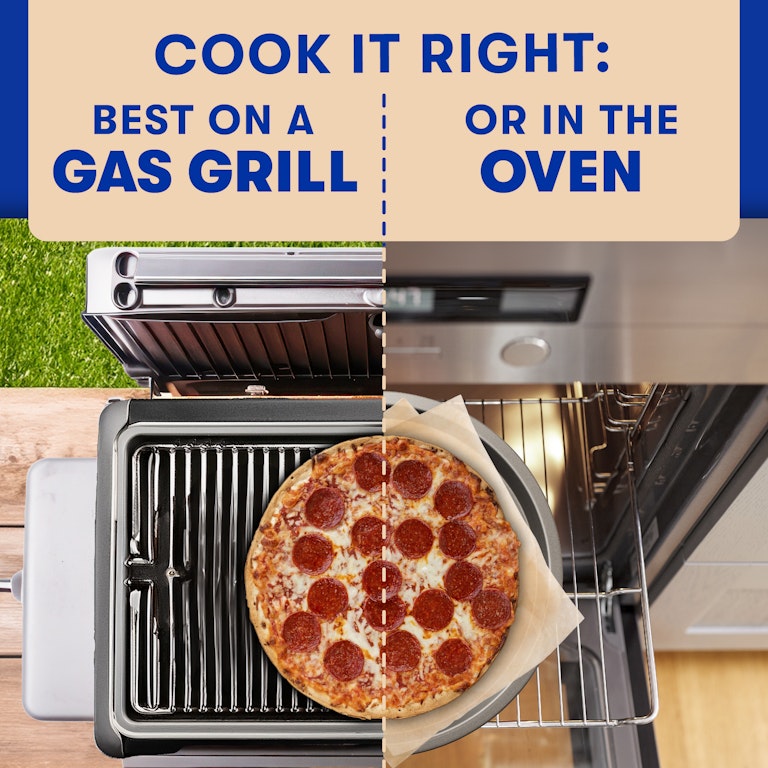
Credit: www.gianteagle.com
Grilling Techniques For Frozen Pizza
Grilling frozen pizza can be simple and delicious with the right techniques. Controlling the heat and using the proper tools makes a big difference. These tips help you get crispy crusts and evenly melted toppings.
Direct Vs Indirect Heat
Direct heat means placing the pizza right over the flames. This cooks the bottom fast and gives a nice char. Watch carefully to avoid burning. Indirect heat places the pizza away from the flames. It cooks slower and helps melt the cheese evenly. Using both types creates a perfect balance. Start with indirect heat to thaw and cook the toppings. Finish with direct heat for a crispy crust.
Using A Pizza Stone Or Pan
A pizza stone absorbs and distributes heat evenly. Place it on the grill while preheating. Put the frozen pizza on the stone for a crisp crust. A pizza pan works well too, especially non-stick types. It keeps the pizza from sticking and makes cleanup easier. Both tools help avoid soggy crusts by allowing heat to reach the base fully. Preheating the stone or pan is key for best results.
Step-by-step Grilling Process
Grilling frozen pizza is a simple way to enjoy a crispy crust and melted cheese. The process needs care to cook evenly without burning. Follow these clear steps to get the best results on your grill.
Placing The Pizza On The Grill
Preheat the grill to medium heat. Clean the grill grates to avoid sticking. Place the frozen pizza directly on the grill. Keep the lid closed to keep the heat inside. Avoid moving the pizza too much to prevent breaking.
Monitoring Cooking Time
Check the pizza after 5 minutes. Rotate the pizza for even cooking. Keep an eye on the cheese and crust color. Total cooking time usually takes 10 to 15 minutes. Adjust time based on grill heat and pizza size.
Checking For Doneness
Look for bubbling cheese and golden crust. Use a spatula to lift the edge and check the bottom. The crust should be firm and slightly charred. If not ready, close the lid and cook a few more minutes. Serve hot for best taste.
Tips For Crispy Crust
Achieving a crispy crust on grilled frozen pizza can be simple with the right approach. Controlling moisture and heat distribution are key. These tips help maintain a firm, crunchy base without sogginess. Follow these easy steps for a delicious, crispy crust every time.
Managing Moisture
Excess moisture makes the crust soggy and soft. Pat the frozen pizza lightly with a paper towel before grilling. Avoid adding too many wet toppings. Use a grill pan or tray to keep the pizza above any drippings. This stops steam from forming under the crust.
Flipping And Rotating Pizza
Even heat is vital for a crispy crust. Rotate the pizza every few minutes to avoid hot spots. Flip it carefully halfway through cooking to crisp the bottom evenly. Use a wide spatula for support. This prevents burning and ensures a golden, crunchy texture all around.
Common Mistakes To Avoid
Grilling frozen pizza seems easy but many make common mistakes. These errors can ruin taste and texture. Avoiding them helps get perfect results every time. Here are some key mistakes to watch out for.
Overcrowding The Grill
Placing too many pizzas on the grill blocks heat flow. It causes uneven cooking and soggy crusts. Give each pizza enough space. Leave gaps for air and heat to circulate well. Grill in batches if needed.
Using Too High Heat
High heat cooks the outside too fast but leaves the inside cold. Toppings may burn while dough stays raw. Use medium heat for even cooking. This helps melt cheese and crisp crust without burning.
Serving And Garnishing Ideas
Serving and garnishing your grilled frozen pizza can turn a simple meal into a memorable experience. Adding the right toppings and pairing your pizza with complementary sides and drinks can elevate every bite. Think about how you want to surprise your taste buds and impress your guests with creative touches.
Adding Fresh Toppings
After grilling your frozen pizza, fresh toppings can add a burst of flavor and texture. Try scattering fresh basil leaves or arugula on top for a peppery crunch. Thinly sliced cherry tomatoes or a drizzle of balsamic glaze can brighten the taste and presentation.
If you love a bit of heat, sprinkle red pepper flakes or add sliced jalapeños right after grilling. You can also crumble some feta or goat cheese for a tangy twist that melts slightly from the pizza’s warmth. These simple additions make your grilled pizza feel homemade and special.
Pairing With Sides And Drinks
Think about what goes well with grilled pizza to complete your meal. A fresh side salad with lemon vinaigrette can balance the richness of the cheese and toppings. Roasted vegetables or garlic breadsticks also make satisfying companions.
For drinks, consider a cold beer or a crisp white wine to complement the smoky flavor from grilling. If you prefer non-alcoholic options, sparkling water with a squeeze of lime or iced tea with mint can refresh your palate. What’s your favorite side or drink that makes pizza night perfect?
Cleaning Up After Grilling
Cleaning up after grilling frozen pizza is crucial to keep your grill in top shape and ready for the next cookout. Leftover cheese and sauce can quickly harden on the grates, making it tougher to clean later. Tackling the mess right away saves you time and effort, and ensures your grill stays safe and functional.
Removing Cheese And Sauce Residue
Start by letting the grill cool slightly but stay warm enough to soften the residue. Use a grill brush with stiff bristles to scrape off melted cheese and baked-on sauce. If you notice stubborn spots, dampen a cloth with warm soapy water and scrub gently to lift the remains.
Don’t forget to check between the grates. Sauce can drip down and cause flare-ups next time you grill. Have you ever had a flare-up ruin a perfectly cooked meal? Cleaning those hidden spots prevents that frustration.
Maintaining Your Grill For Future Use
After removing food residue, wipe down the entire grill surface with a damp cloth to remove grease and crumbs. Applying a thin layer of cooking oil to the grates can prevent rust and keep food from sticking next time.
Regular maintenance extends your grill’s life. Consider investing in a grill cover to protect it from weather damage. How often do you inspect your grill for wear and tear? Staying ahead with small upkeep tasks means fewer surprises and better grilling sessions.

Credit: www.aldireviewer.com
Frequently Asked Questions
Can You Grill Frozen Pizza Without Thawing?
Yes, you can grill frozen pizza without thawing. Preheat the grill to medium heat and cook with the lid closed. This method cooks the pizza evenly while keeping the crust crispy. Just monitor the pizza closely to avoid burning.
What Is The Best Grill Temperature For Frozen Pizza?
Set your grill to medium heat, around 350°F to 400°F. This temperature ensures the pizza cooks evenly without burning the crust or toppings. Adjust heat as needed to maintain consistent cooking.
How Long Does It Take To Grill Frozen Pizza?
Grilling frozen pizza usually takes 10 to 15 minutes. Keep the grill covered and check frequently to avoid overcooking. Cooking time varies depending on pizza size and grill temperature.
Should You Use Direct Or Indirect Heat For Grilling Pizza?
Use indirect heat for frozen pizza grilling to prevent burning. Place the pizza away from direct flames and close the lid. This method cooks toppings thoroughly and crisps the crust perfectly.
Conclusion
Grilling frozen pizza works well with some care and patience. Start with medium heat to cook it evenly inside. Use a lid or cover to help melt the cheese. Check the crust often to avoid burning it. This method gives a crispy crust and tasty toppings.
Try grilling frozen pizza for a quick, easy meal outside. It’s a simple way to enjoy pizza with a smoky twist. Give it a try and enjoy your grilled pizza time.

Hi, I’m Daniel Brooks—a food lover and kitchen gear enthusiast. I enjoy testing cookware, utensils, and gadgets to see what really works in everyday cooking. At PlugChef.com, I share honest reviews, comparisons, and simple guides to help you choose the best tools for a safer, smarter, and more enjoyable kitchen.
Related posts:
 What Type of Cooking Utensils are Safe: Expert Picks
 What Innovations Could Blenders Make: Unleashing Future Tech
 Smart Strategies to Organize a Small Kitchen: Maximize Space
 How to Organize a Kitchen Cabinet: Expert Tips & Tricks
 How to Organize Kitchen Drawers: Expert Tips and Tricks
 How to Organize a Corner Kitchen Cupboard: Expert Tips

