
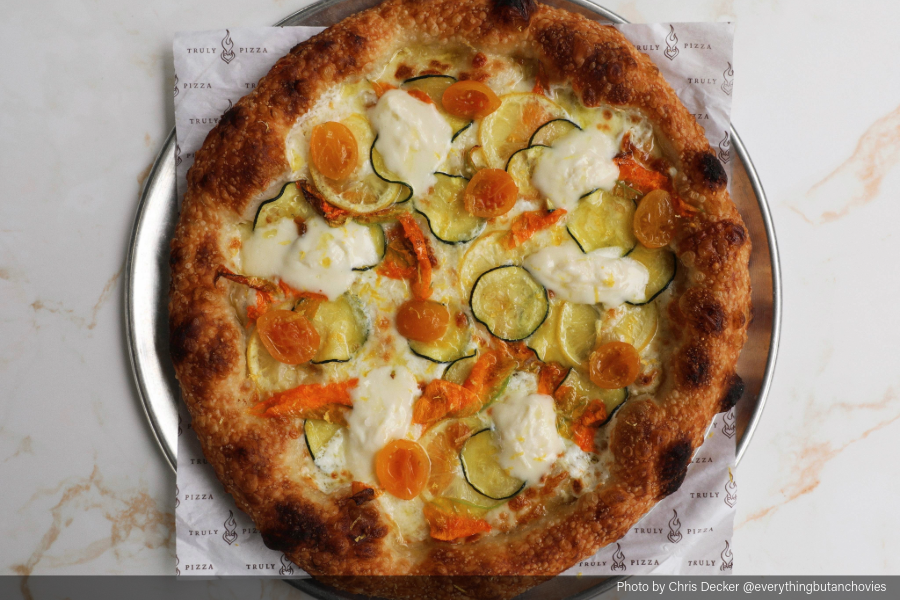
There’s a reason this hybrid comfort food has stuck around as a viral pizza trend long after its initial internet fame: it perfectly balances the creamy, savory satisfaction of a loaded baked potato with the crisp, chewy, customizable appeal of a classic pizza. In practice, this combination hits every comfort food cue — salty, umami-rich, creamy, and crunchy all in one slice — making it equally at home as a weeknight dinner, game-day spread, or casual brunch centerpiece. Unlike more complicated specialty pizzas, it comes together with minimal hands-on time, and it’s endlessly customizable to suit any taste or dietary need.
If you’ve never tried this unique twist on pizza night, this guide walks you through every step to make a restaurant-quality version at home, with pro tips to avoid common pitfalls like soggy crust or watery potato topping. For more on this, see our guide on thin crust pizza crust recipe.
 A finished slice of loaded mashed potato and bacon pizza, fresh out of the oven with crispy bacon edges and creamy potato topping
Credit: www.grocery.coop
A finished slice of loaded mashed potato and bacon pizza, fresh out of the oven with crispy bacon edges and creamy potato topping
Credit: www.grocery.coop
Why This Hybrid Comfort Food Works
This recipe merges two universally loved comfort foods, eliminating the need to choose between a hearty potato side and a shareable pizza. The texture contrast is key: fluffy, buttery mashed potatoes act as a rich, creamy base, while crispy, salty bacon adds a satisfying crunch that cuts through the richness. The melted cheese adds gooey, savory depth, and the crispy crust provides a chewy, hearty foundation that ties every bite together.
Unlike traditional tomato-based pizzas, the mild, creamy potato base feels indulgent without being overly acidic, making it a great pick for people who prefer milder, savory flavors. It’s also naturally filling, making it a great option for feeding a crowd without needing multiple side dishes. For more on this, see our guide on lunch box food storage containers.
Ingredients for the Perfect Batch
Core Ingredients
Every component of this recipe plays a specific role in balancing flavor and texture, so choosing the right variety of each ingredient makes a noticeable difference:
- Potatoes: Yukon Golds are the top choice for their buttery, creamy texture and low starch content, which prevents a gluey mash. Russets work as a substitute for a fluffier, more absorbent topping, but be sure to drain them thoroughly to avoid excess moisture.
- Bacon: Thick-cut applewood or hickory smoked bacon delivers the best balance of smoky flavor, crisp texture, and rendered fat. Ultra-lean bacon tends to get tough when cooked, while thin-cut varieties burn quickly at high oven temperatures.
- Pizza Dough: For the best results, start with a crisp, sturdy pizza base that can hold the weight of the creamy topping without getting soggy. Homemade dough works best, but a high-quality store-bought option is a fine time-saver. If you’re short on time, pre-made naan or flatbread works in a pinch for personal-sized pizzas.
- Cheese: Mozzarella is the classic choice for its mild, melty texture, but sharp cheddar adds a tangy depth that pairs beautifully with bacon, while smoked gouda amplifies the smoky flavor of the meat. A 50/50 blend of mozzarella and cheddar is a foolproof option for balanced flavor.
- Sauce & Seasonings: You can skip traditional tomato sauce entirely to let the mashed potatoes shine, or use a thin layer of garlic white sauce or aioli for extra richness. Basic seasonings include salt, black pepper, garlic powder, and fresh chives, with optional add-ins like smoked paprika or red pepper flakes for heat.
Ingredient Swaps & Substitutions
This recipe is highly adaptable for dietary needs and flavor preferences:
- Vegan: Use dairy-free mashed potatoes (made with vegan butter and unsweetened oat milk), plant-based bacon, and vegan mozzarella. Ensure your dough is vegan if making it from scratch.
- Gluten-Free: Use a certified gluten-free pizza crust, and verify that your bacon and seasonings have no hidden gluten additives.
- Low-Carb: Swap regular potatoes for riced cauliflower mashed potatoes, and use a low-carb or almond flour pizza crust.
- Lower-Fat: Use turkey bacon, low-fat milk instead of cream in the mash, and part-skim mozzarella cheese.
Preparing the Creamy Mashed Potato Topping
The texture of your mashed potato topping will make or break this pizza: too runny, and it will soak into the crust and make it soggy; too thick and gluey, and it will be heavy and unappealing. Follow these steps for a perfect, spreadable topping every time.
Boiling & Mashing for Perfect Texture
Start by cutting your potatoes into even 1-inch chunks to ensure they cook evenly. Boil them in heavily salted water for 10-12 minutes, until they are easily pierced with a fork. Drain the potatoes thoroughly, then let them steam dry in the colander for 2 full minutes to remove excess moisture — this is the most important step to avoid a watery topping. For more on this, see our guide on lock lock food storage containers 2.
Mash the potatoes with a potato masher or fork, being careful not to overmix, which can activate starch and make the mash gluey. Add warm, melted butter and heavy cream while the potatoes are still hot, which helps the ingredients blend smoothly. For every 2 cups of mashed potatoes, start with 2 tablespoons of butter and ¼ cup of cream, adjusting to reach a smooth, spreadable consistency that’s thick enough to hold its shape but thin enough to spread easily.
Seasoning for Balanced Flavor
Taste your mash before spreading it on the crust, and adjust seasonings as needed. Salt and black pepper are non-negotiable, but add-ins like garlic powder, smoked paprika, or fresh chives add extra depth that complements the bacon. A common mistake home cooks make is over-salting the mash, since bacon is already salty — start with half the salt you think you need, then taste and adjust after adding the bacon. For more on this, see our guide on lock lock food storage containers.
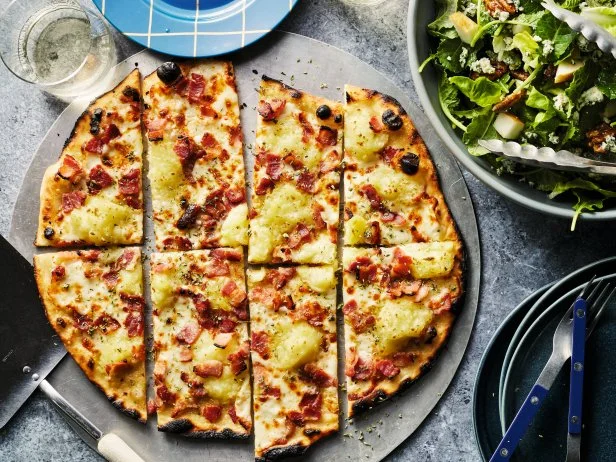 The creamy mashed potato layer spread evenly over the crust before baking, dotted with crispy bacon pieces
Credit: www.foodnetwork.com
The creamy mashed potato layer spread evenly over the crust before baking, dotted with crispy bacon pieces
Credit: www.foodnetwork.com
Crisping Perfect Bacon for Pizza
Bacon is the star ingredient of this recipe, so taking the time to cook it properly will make a huge difference in the final flavor and texture of your pizza.
Choosing the Right Cut
Thick-cut bacon is the best choice for this recipe, as its balanced fat-to-meat ratio crisps up evenly without releasing excess grease that will soak into your crust. Applewood-smoked bacon adds a mild, sweet smokiness that pairs well with the creamy potatoes, while hickory-smoked bacon delivers a bolder, more intense smoky flavor. Avoid pre-cooked bacon bits, which are often dry, salty, and lack the crisp texture of freshly cooked bacon. For more on this, see our guide on lock n lock food storage containers.
Cooking Methods for Consistent Crispness
- Oven (best for batch cooking): Preheat your oven to 400°F (200°C). Line a baking sheet with aluminum foil for easy cleanup, and place a wire rack on top. Lay bacon strips in a single layer on the rack, and bake for 15-20 minutes, until crisp and golden. This method renders fat evenly and produces consistently crisp bacon with minimal effort.
- Stovetop: Place bacon in a cold skillet over medium heat. Cook for 4-5 minutes per side, flipping occasionally, until crisp. Drain on a paper towel-lined plate to remove excess fat.
- Microwave (quick fix): Lay bacon strips between two paper towels on a microwave-safe plate. Microwave on high for 1-2 minutes per slice, until crisp. This method works in a pinch but produces less flavorful, slightly chewier bacon than stovetop or oven cooking.
Avoiding Soggy, Greasy Bacon
After cooking, drain bacon thoroughly on paper towels, patting off excess fat before adding it to the pizza. Undercooked bacon will turn soft and greasy when baked on the pizza, while burnt bacon will add a bitter, unpleasant flavor. To ensure your bacon is cooked to a safe temperature without burning, follow USDA’s safe minimum cooking guidelines for pork to hit the correct internal temperature. Reserve ¼ of the cooked bacon to sprinkle on top after baking for an extra crunchy garnish.
Assembling for a No-Soggy Crust
Soggy crust is the most common complaint about mashed potato pizza, but it’s completely avoidable with a few simple steps during assembly.
Prepping the Base
The #1 cause of a sad, soggy mashed potato pizza is skipping the pre-bake step for the crust. Whether you’re using homemade or store-bought dough, pre-bake it at 425°F (220°C) for 5 minutes, until the edges are just lightly golden. This step sets the crust structure so it can hold the weight of the mashed potatoes without getting damp. If you’re making your dough from scratch, let it rise slowly in the refrigerator overnight; per university extension guidance on slow dough fermentation, this slow fermentation develops a mild tang and creates air pockets that lead to a light, crisp crust that holds up to heavy toppings.
Layering for Balanced Bites
Follow this order for the best results:
- Spread a ¼-inch thick layer of mashed potato evenly over the pre-baked crust, leaving a ½-inch border around the edge for the crust to rise and crisp.
- Sprinkle ¾ of your cooked bacon pieces over the potatoes, reserving the rest for garnish.
- Top with an even layer of shredded cheese, using a 50/50 blend of mozzarella and cheddar for balanced flavor.
- Optional: add a light drizzle of garlic aioli, a sprinkle of red pepper flakes, or a dash of smoked paprika for extra heat and depth.
Final Pre-Bake Checks
Ensure the mashed potato layer is smooth and free of thick clumps, which will take longer to cook and can lead to burnt edges. Avoid overloading the pizza with toppings, as this will prevent the crust from crisping properly and lead to a soggy center.
Baking for Golden, Crispy Perfection
Optimal Oven Settings
Preheat your oven to 450°F (230°C) for at least 30 minutes before baking to ensure it reaches a consistent high heat. If you have a pizza stone, preheat it in the oven on the bottom rack alongside your baking sheet for 45 minutes before baking — the stone retains heat and mimics a commercial pizza oven, leading to an extra crisp crust and bubbly, golden top. If you don’t have a pizza stone, preheat an inverted metal baking sheet on the oven rack for the same effect.
Timing & Doneness Checks
Bake the pizza for 12-15 minutes, rotating it 180 degrees halfway through baking to ensure even cooking. The pizza is fully done when:
- The crust edges are golden brown and sound hollow when tapped with a spoon
- The cheese is fully melted, bubbly, and lightly golden in spots
- The mashed potato topping is heated through (test by inserting a knife into the center, it should come out warm)
Let the pizza rest for 3-5 minutes after removing it from the oven to let the toppings set before slicing — this prevents the mash from sliding off the crust when you cut it.
Common Baking Mistakes
Overbaking will dry out the mashed potatoes and leave them crumbly, while underbaking will leave the crust raw and doughy. If the crust edges are browning too quickly before the top is fully cooked, tent the edges with aluminum foil for the last 2 minutes of baking to prevent burning.
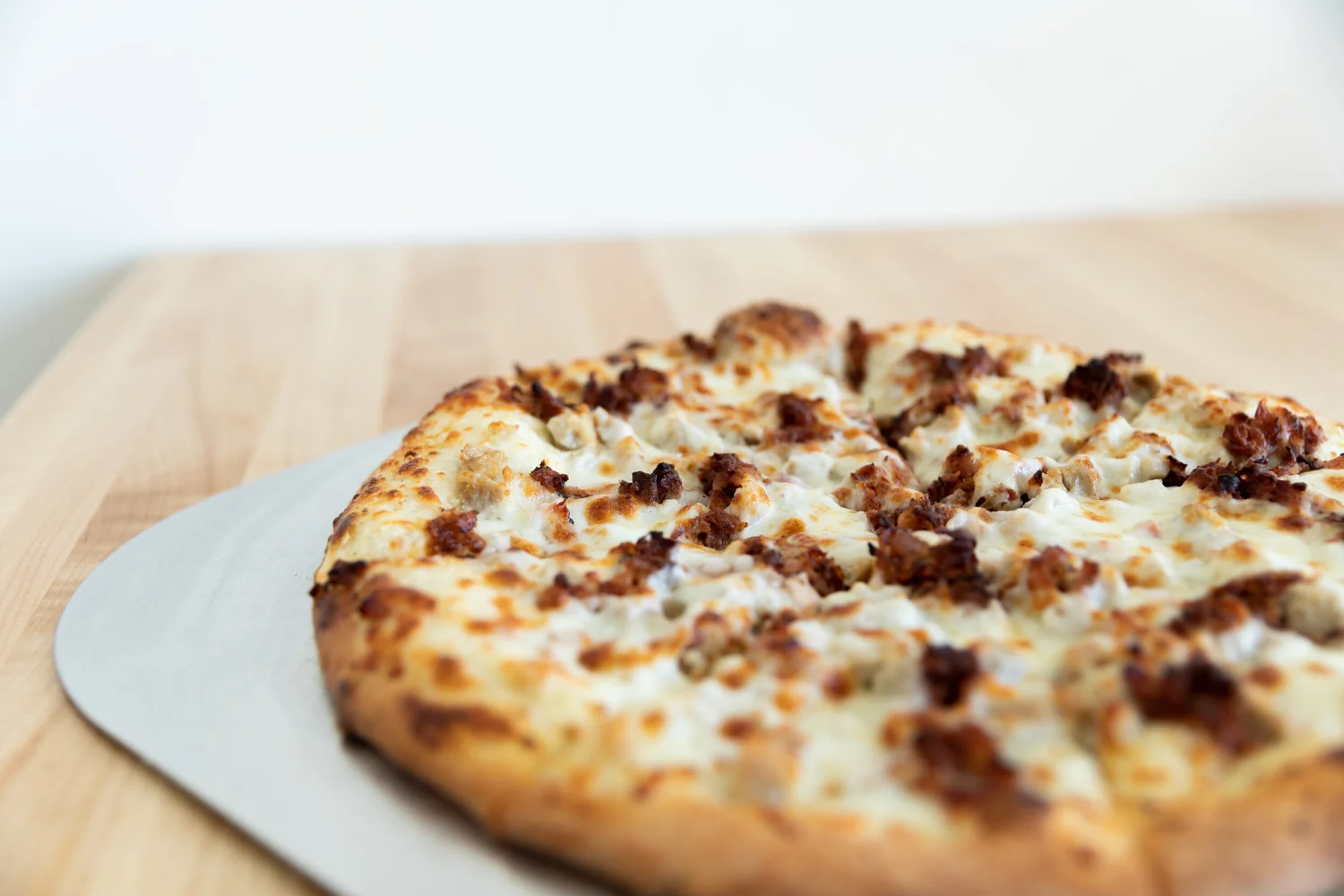 Sliced pizza served on a rustic wooden board, garnished with fresh chives for color
Credit: www.canyonpizzaco.com
Sliced pizza served on a rustic wooden board, garnished with fresh chives for color
Credit: www.canyonpizzaco.com
Creative Flavor Variations
This recipe is a perfect blank canvas for flavor experimentation, so feel free to tweak it to match your preferences:
Loaded Baked Potato Style
Top the baked pizza with a dollop of sour cream, extra crumbled bacon, and a sprinkle of fresh chives for a direct take on a classic loaded baked potato. Add a dash of hot sauce for extra heat if desired.
Spicy Buffalo Twist
Toss your cooked bacon in buffalo sauce before adding it to the pizza, then top with crumbled blue cheese and a drizzle of ranch dressing after baking for a spicy, savory version that’s perfect for game day.
Vegan & Dietary Swaps
For a vegan version, use dairy-free mashed potatoes (made with vegan butter and unsweetened oat milk), plant-based bacon, and vegan mozzarella. For a gluten-free option, use a certified gluten-free pizza crust and verify that all toppings are free of cross-contaminated gluten. For a low-carb version, swap regular potatoes for riced cauliflower mashed potatoes and use a low-carb or almond flour crust.
Extra Topping Ideas
Add caramelized onions for a sweet, savory contrast, roasted garlic for extra umami, sautéed mushrooms for earthiness, or a sprinkle of everything bagel seasoning for a tangy, crunchy finish. For a protein boost, add cooked, crumbled Italian sausage or grilled chicken.
Serving & Pairing Ideas
Side Dish Pairings
The rich, creamy, salty profile of this pizza pairs best with bright, fresh, or tangy sides that cut through the heaviness. A bright, pre-prepped side adds tangy, crunchy freshness without extra prep work. Other great options include a simple arugula salad with lemon vinaigrette, roasted Brussels sprouts with balsamic glaze, or a cup of creamy tomato soup for a cozy cold-weather meal.
Beverage Pairings
For alcoholic options, a crisp pilsner or light lager balances the saltiness of the bacon, while a dry rosé or light Pinot Noir complements the creamy, savory flavors without overpowering them. For non-alcoholic sips, sparkling lemonade, iced herbal tea, or a perfectly brewed pot works perfectly for brunch or late-night casual meals.
Dipping Sauces & Garnishes
Serve with a side of creamy honey gold dipping sauce for a sweet-savory contrast to the salty bacon and creamy potatoes, or a simple garlic aioli for extra richness. Garnish with fresh chives, parsley, or a sprinkle of red pepper flakes for a pop of color and extra flavor. Add a small bowl of extra bacon bits on the side for guests to top their slices as desired.
Presentation Tips
Slice the pizza into 6-8 even slices for sharing, or cut into smaller bite-sized pieces for parties and game day. Serve on a rustic wooden board or large platter for a cozy, homemade feel. For a brunch spread, serve with a side of fresh fruit and a pitcher of orange juice for a balanced meal.
Frequently Asked Questions
What ingredients do I need for mashed potato and bacon pizza?
You’ll need pizza dough (homemade or store-bought), starchy potatoes (Yukon Gold or Russet), thick-cut smoked bacon, melting cheese (mozzarella, cheddar, or smoked gouda), butter, heavy cream, and basic seasonings (salt, black pepper, garlic powder). Optional add-ins include fresh chives, caramelized onions, garlic aioli, and red pepper flakes for heat.
How do I prevent the mashed potato topping from making the crust soggy?
The two most important steps are draining boiled potatoes thoroughly and letting them steam dry for 2 minutes before mashing to remove excess moisture, and pre-baking your pizza crust for 5 minutes before adding toppings. Avoid using cold, leftover mashed potatoes straight from the fridge, as they can release extra moisture when heated — let them come to room temperature first, or warm them gently before spreading to reach a smooth, spreadable consistency.
Can I use leftover mashed potatoes for this pizza?
Absolutely! Leftover mashed potatoes work perfectly for this recipe, as long as they’re not overly runny. Warm them gently on the stovetop or in the microwave, adding a splash of milk or cream if they’re too thick, to reach a smooth, spreadable consistency before adding to the crust.
What type of cheese works best for this pizza?
Mozzarella is the classic choice for its mild, melty texture, but sharp cheddar adds a tangy depth that pairs beautifully with bacon, while smoked gouda amplifies the smoky flavor of the meat. For a richer, more complex flavor, use a blend of two or all three cheeses.
Can I make this pizza ahead of time?
Yes! You can prep all components up to 24 hours in advance: cook the bacon, make the mashed potatoes, and shred the cheese. Store each component in airtight containers in the refrigerator. When ready to bake, assemble the pizza and bake as directed, adding 2-3 minutes to the baking time since the toppings will be cold.
Can I freeze leftover mashed potato and bacon pizza?
Yes! Let the pizza cool completely, then slice and wrap individual slices in plastic wrap and aluminum foil, or freeze the whole pizza on a baking sheet before transferring to a freezer-safe bag. Freeze for up to 2 months. Reheat in a 375°F (190°C) oven for 10-12 minutes until heated through and the crust is crispy again.
Final Pro Tips For Success
- For extra crispiness, place a second empty baking sheet on the oven rack below the pizza to reflect heat upward.
- Always taste your mashed potatoes before spreading to adjust seasoning — remember, bacon is already salty, so go light on the salt at first.
- If you don’t have a pizza stone, a preheated inverted metal baking sheet works just as well for a crisp crust.
- For a fun brunch twist, top the baked pizza with a fried egg and extra chives.
Conclusion
Mashed potato and bacon pizza is the ultimate hybrid comfort food, combining the best parts of a loaded baked potato and a classic pizza into one easy, customizable dish. It’s perfect for busy weeknights, casual game day spreads, or lazy weekend brunches, and it’s sure to impress even the pickiest eaters. With a few simple pro tips to avoid common pitfalls like soggy crust or watery topping, you can make a restaurant-quality version at home in under an hour.
If you loved this unique twist on classic comfort food, you’ll find dozens more easy, crowd-pleasing recipes in our full library of tested, approachable recipes, from quick weeknight dinners to indulgent weekend treats.

Hi, I’m Daniel Brooks—a food lover and kitchen gear enthusiast. I enjoy testing cookware, utensils, and gadgets to see what really works in everyday cooking. At PlugChef.com, I share honest reviews, comparisons, and simple guides to help you choose the best tools for a safer, smarter, and more enjoyable kitchen.
Related posts:
 How to Make a Fruit Basket for a Gift: Easy DIY Guide
 Do You Need a Basket? Essential Guide for Air Fryers
 Stainless Steel Appliances in a White Kitchen: Stylish Harmony
 Kitchen With White Cabinets And Stainless Steel Appliances: Timeless Elegance
 Culinary Evolution Smart Kitchen Appliances Leomart: Transform Cooking
 How to Clean Kitchen Sink Drain Smell: Easy Tips to Eliminate Odors

