
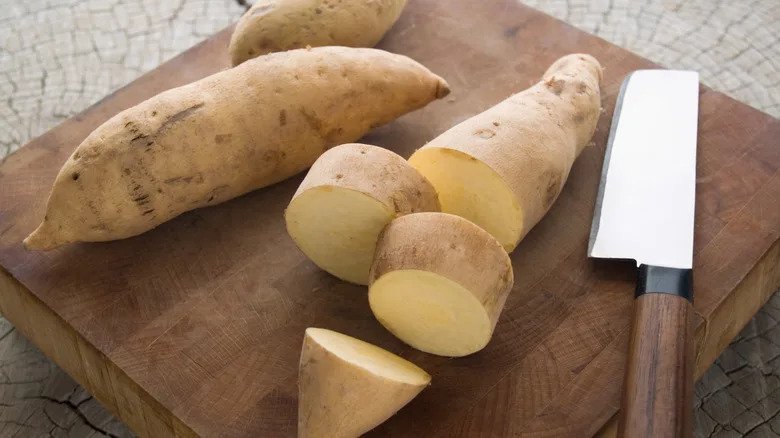
If you’ve ever spotted pale, cream-fleshed tubers labeled as sweet potatoes at the grocery store and wondered if they’re the real deal, you’re not alone. The question "Is there white sweet potatoes?" is one of the most common queries for home cooks navigating the produce aisle, especially with the constant confusion between sweet potatoes and yams. White sweet potatoes are not a myth, a marketing gimmick, or an unripe version of the bright orange varieties you’re used to: they are a distinct, centuries-old cultivar of Ipomoea batatas with a unique mild flavor, firm texture, and versatile culinary uses. In this guide, we’ll break down everything you need to know about white sweet potatoes, including how to tell them apart from yams, their nutritional benefits, where to find them, and the best ways to cook them to bring out their natural flavor.
Yes, White Sweet Potatoes Are a Distinct, Real Variety
White sweet potatoes have been cultivated for hundreds of years across the southern United States, Southeast Asia, and parts of Africa, where they are a staple food for many communities. Unlike the bright orange varieties that dominate U.S. grocery stores, white sweet potatoes are bred specifically for their mild, subtly sweet flavor and dense, starchy texture, making them a popular choice for savory dishes where you don’t want an overpowering sweet taste. They are not a new hybrid or genetically modified product, just a naturally occurring cultivar that has been grown for generations.
Common White-Fleshed Sweet Potato Varieties You’ll Find in Stores
While all white sweet potatoes share a pale flesh and mild flavor, there are a few distinct varieties you may encounter at the market, each with unique traits that suit different cooking methods:
- Hannah Sweet Potato: The most widely available white variety, with smooth tan skin and dense, creamy white flesh. It has a mild, subtly sweet flavor with nutty undertones, and holds its shape well when cooked, making it ideal for roasting, mashing, and casseroles.
- Japanese Sweet Potato (Okinawan Sweet Potato): Features deep reddish-purple skin and pale yellow to white flesh. It has a drier, starchier texture than Hannah varieties and a slightly sweeter, nuttier flavor, perfect for roasting or making crispy sweet potato fries.
- Peruvian White Sweet Potato: Has light purple skin and bright white flesh, with a mild, earthy flavor and soft, creamy texture when cooked. It is popular in Latin American cuisine for boiling and mashing.
- Generic Supermarket White Sweet Potato: Often sold unlabeled in mainstream grocery stores, these have light tan skin and white flesh, with a flavor profile between Hannah and Japanese varieties, versatile for most cooking applications.
 A fresh whole white sweet potato, showing its characteristic pale, smooth skin and dense, cream-colored flesh.
Image source: www.amazon.com
A fresh whole white sweet potato, showing its characteristic pale, smooth skin and dense, cream-colored flesh.
Image source: www.amazon.com
Key Differences Between White Sweet Potatoes and True Yams
One of the most common points of confusion for shoppers is the difference between white sweet potatoes and "yams" sold in U.S. grocery stores. The two are not interchangeable, and belong to entirely different plant families with distinct culinary traits.
Per official USDA classification guidance, the vast majority of "yams" sold in mainstream U.S. grocery stores are actually orange-fleshed sweet potato varieties, not true yams, which belong to an entirely different plant family native to Africa and Asia. This naming convention dates back to the early 20th century, when southern U.S. growers used the term "yam" to distinguish their white-fleshed sweet potatoes from the new orange varieties being introduced at the time.
The table below breaks down the key differences between white sweet potatoes and true yams:
| Feature | White Sweet Potatoes | True Yams |
|---|---|---|
| Botanical Family | Convolvulaceae (morning glory family) | Dioscoreaceae |
| Typical Size | 4–8 inches long, 1–3 inches wide | Can grow up to 5 feet long, weigh 100+ lbs |
| Flesh Color | White, pale cream, or pale yellow | White, yellow, or purple, but never orange |
| Skin Texture | Smooth, thin, light brown or reddish | Rough, bark-like, dark brown or black |
| Taste | Mildly sweet, nutty, earthy | Starchy, bland, slightly sweet when cooked |
| Common Culinary Uses | Roasting, mashing, baking, soups, salads | Boiling, frying, mashing into pastes |
In practice, true yams are rarely sold in mainstream U.S. grocery stores, and are most often found in international markets catering to African, Caribbean, or Latin American communities.
 Japanese sweet potatoes, a popular white-fleshed variety with signature reddish-purple skin and mildly sweet, starchy interior.
Image source: www.webstaurantstore.com
Japanese sweet potatoes, a popular white-fleshed variety with signature reddish-purple skin and mildly sweet, starchy interior.
Image source: www.webstaurantstore.com
Nutritional Benefits of White Sweet Potatoes
While white sweet potatoes contain far less beta-carotene (the antioxidant that gives orange sweet potatoes their bright color) than their orange counterparts, they offer a unique set of nutritional benefits that make them a worthy addition to a balanced diet. A medium, cooked white sweet potato (about 150g) provides approximately 4 grams of dietary fiber, which supports healthy digestion and promotes feelings of fullness to help with weight management. They are also an excellent source of vitamin C, which supports immune function and skin health, potassium for healthy blood pressure and muscle function, and vitamin B6 for brain health and energy metabolism.
Additionally, white sweet potatoes have a lower glycemic index than white Russet potatoes, meaning they release sugar into the bloodstream more slowly to avoid energy crashes, and their higher resistant starch content feeds beneficial gut bacteria to support long-term digestive health. They are also naturally gluten-free, fat-free, and low in calories, making them a good option for people with dietary restrictions. The thin, edible skin is packed with extra fiber and antioxidants, so unless you have a texture preference, there’s no need to peel them before cooking.
Where to Find or Grow White Sweet Potatoes
White sweet potatoes are most widely available in the U.S. from late fall through early spring, though availability varies by region. You’ll most often find them in the produce section near standard orange sweet potatoes, but specialty stores, Asian and Latin American markets, and organic co-ops are more likely to carry them year-round. If you can’t spot them on the shelf, ask a produce manager if they can special order a case for you. When selecting tubers, look for firm, smooth-skinned specimens with no soft spots, sprouts, or cuts; avoid any that feel light for their size, as this is a sign of dehydration.
If you can’t find white sweet potatoes in stores, growing your own is a simple, rewarding option. Slips (small rooted plants) are available from most garden centers and online nurseries in early spring. Plant them in loose, well-drained soil in a spot that gets at least 6 hours of full sun per day, and water consistently but avoid soggy soil that can cause rot. Harvest tubers 90–120 days after planting, when the leaves turn yellow and begin to die back. After harvesting, cure them in a warm (80°F), humid space for 7–10 days to improve their sweetness and storage life; cured tubers will keep in a cool, dark pantry for up to 1 month.
 Freshly harvested white sweet potatoes, displaying their smooth, light-colored skin and dense, starchy texture ideal for roasting and mashing.
Image source: chakulatamu.ca
Freshly harvested white sweet potatoes, displaying their smooth, light-colored skin and dense, starchy texture ideal for roasting and mashing.
Image source: chakulatamu.ca
Best Cooking Methods and Recipe Ideas for White Sweet Potatoes
White sweet potatoes’ firm texture and mild flavor make them incredibly versatile in the kitchen, but they do require slightly different handling than softer orange-fleshed varieties. Before cooking, scrub each tuber thoroughly with a sturdy kitchen scrub brush to remove any dirt or debris; the thin skin is edible and packed with extra fiber, so peeling is optional unless you prefer a smoother texture. Cut tubers into uniform pieces to ensure even cooking, no matter which method you use. A common mistake when cooking white sweet potatoes is overcooking them, which leads to a dry, crumbly texture; test for doneness by piercing the thickest part with a fork—it should slide in easily, but the tuber should still hold its shape when pierced.
Popular Cooking Methods
- Roasting: Toss cubed or wedged sweet potatoes with olive oil, salt, pepper, and your choice of herbs (rosemary, thyme, or sage work especially well) and roast at 425°F (220°C) for 25–30 minutes, flipping halfway, until golden and crispy on the outside. Roasting caramelizes their natural sugars, bringing out a rich, nutty sweetness.
- Boiling: Cut tubers into 1-inch chunks and boil in salted water for 10–15 minutes until tender. This method is perfect for mashing or adding to soups and stews, as it keeps the flavor mild and the texture soft.
- Steaming: Steam chunks for 12–15 minutes to preserve more nutrients than boiling. Steamed white sweet potatoes are a great addition to grain bowls or salads.
- Air Frying: Toss wedges with a small amount of oil and spices, then air fry at 400°F (200°C) for 15–20 minutes, shaking halfway, for a crispy, low-fat side dish.
Simple Recipe Ideas
- Savory Roasted Wedges: Toss with smoked paprika, garlic powder, and a pinch of cayenne for a spicy, satisfying side dish.
- Creamy Mashed White Sweet Potatoes: Mash boiled chunks with butter, a splash of milk or oat milk, salt, and a pinch of nutmeg for a milder alternative to traditional mashed potatoes.
- Hearty Stew Add-In: Their firm, dense texture holds up far better in slow-cooked stews and soups than softer orange-fleshed varieties, which can turn mushy after 30 minutes of simmering. In practice, adding cubed white sweet potatoes to a beef or vegetable stew gives it a subtle sweetness and extra heartiness without overpowering other ingredients.
- Breakfast Sweet Potato Hash: Sauté diced cooked white sweet potatoes with bell peppers, onions, and smoked sausage for a quick, savory breakfast or brunch dish.
If you’re prepping sweet potatoes with little ones nearby, install childproof cabinet locks on drawers holding sharp peelers and knives to keep curious hands safe. After cooking, cleaning up sticky mashed sweet potato residue is quick with a heavy-duty cleaning brush that scrubs away residue from bowls and utensils without scratching. Store prepped sweet potatoes in airtight containers, and use a versatile brush set to scrub out any stuck-on bits from storage lids after use. Roasted white sweet potato wedges also make a perfect addition to a fall charcuterie board; pair them with aged cheddar and use our cheese cutting guide to slice and serve cheese evenly for guests.
Frequently Asked Questions
Are white sweet potatoes genetically modified?
No, most white sweet potato varieties are heirloom or traditionally bred, not genetically modified. They are a naturally occurring cultivar that has been grown for centuries.
How do white sweet potatoes taste compared to orange ones?
White sweet potatoes have a milder, less sweet flavor than orange-fleshed varieties, with subtle nutty and earthy undertones. Their texture is firmer and drier when cooked, so they hold their shape better in dishes like stews and salads.
Can I substitute white sweet potatoes for orange in any recipe?
Yes, but keep in mind their milder sweetness and firmer texture. They work best in savory dishes, stews, and roasted recipes, but may require a small amount of added sweetener if you’re using them in desserts that call for orange sweet potatoes.
Are white sweet potatoes nutritious?
Yes, white sweet potatoes are highly nutritious. They are rich in dietary fiber, vitamin C, potassium, and vitamin B6, and contain higher levels of resistant starch than orange sweet potatoes, which supports gut health and steady blood sugar. They have far less beta-carotene than orange varieties, but are otherwise a nutrient-dense, gluten-free food.
Do white sweet potatoes need to be refrigerated?
Store whole, uncured white sweet potatoes in a cool, dark, well-ventilated pantry for up to 2 weeks. Once cut or cooked, store them in an airtight container in the refrigerator for 3–5 days.
Are white sweet potatoes keto-friendly?
They are higher in carbs than non-starchy vegetables, so they fit in moderate-carb or targeted keto diets, but are not suitable for strict keto protocols that limit total carb intake to 20–50 grams per day.
Conclusion
White sweet potatoes are not only real—they are a versatile, nutritious, and delicious alternative to the orange-fleshed varieties most home cooks are used to. Often confused with true yams (a completely different plant), they stand out for their mild, nutty flavor, firm texture that holds up well in cooking, and lower glycemic impact than white Russet potatoes. Whether you buy them at the grocery store, pick them up at a local farmers market, or grow your own at home, they are easy to incorporate into a wide range of savory and sweet dishes. If you’ve never cooked with white sweet potatoes before, now is the perfect time to give them a try: their subtle sweetness and hearty texture make them a perfect addition to fall and winter meals. Ready to test white sweet potatoes in your kitchen? Pick up a few at your local farmers market this weekend and try roasting them with rosemary and garlic for a simple, flavorful side dish.

I’m Abby Lu, a passionate home cook who loves simplifying everyday meals. At PlugChef.com, I share product reviews and cooking guides to help you find the best tools for your kitchen.
Related posts:
 How to Make a Fruit Basket for a Gift: Easy DIY Guide
 Do You Need a Basket? Essential Guide for Air Fryers
 What Blenders Do Tropical Smoothie Use: Expert Insights
Stainless Steel Vs White Kitchen Appliances: Ultimate Showdown
What Blenders Do Tropical Smoothie Use: Expert Insights
Stainless Steel Vs White Kitchen Appliances: Ultimate Showdown
 Kitchen Appliances for Wedding Registry: Must-Have Essentials
 Top 10 Best Non-Toxic Cooking Utensils – Safe & Durable Choices for Healthy Homes

