
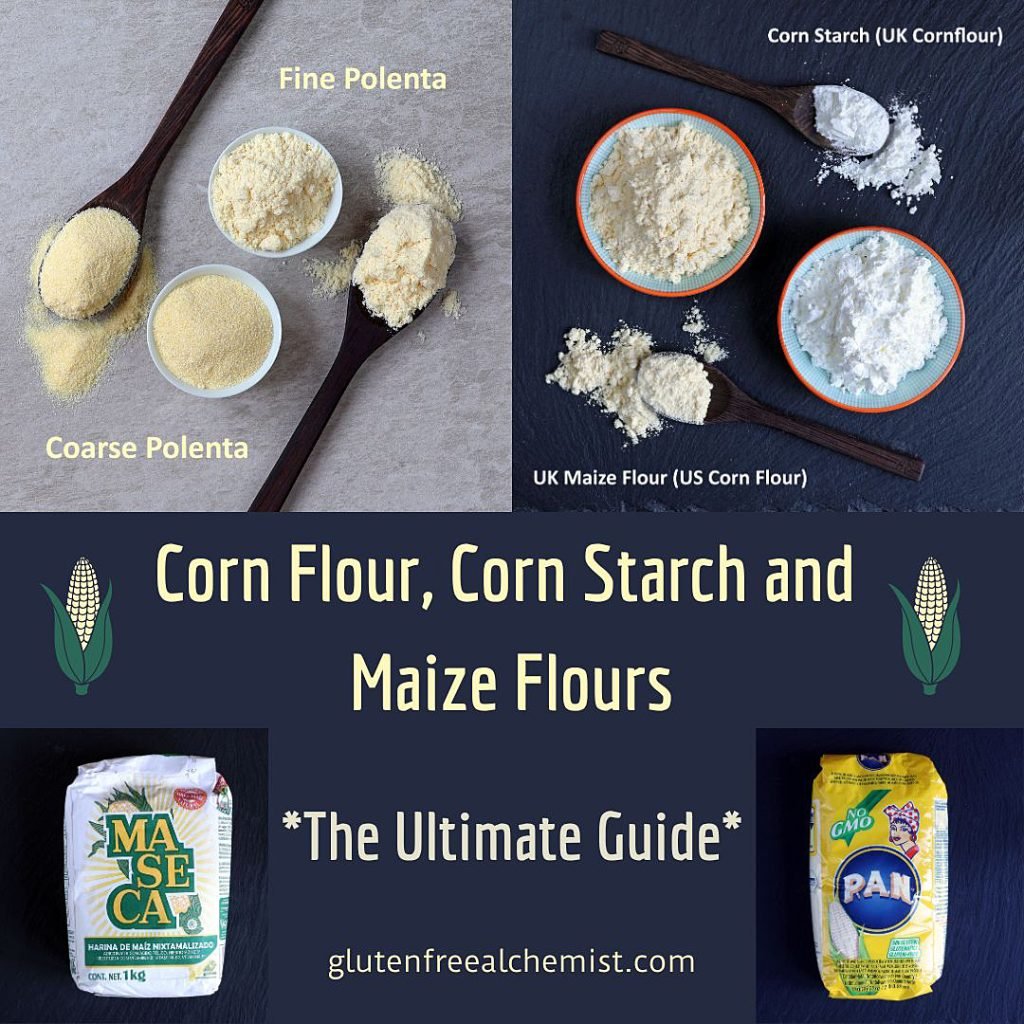
Staring at your pantry shelf, holding a bag of pale white powder and a bag of coarse yellow grains, and wondering if cornmeal and cornstarch are interchangeable? You’re not alone—this is one of the most common ingredient mix-ups in home kitchens, and it’s the culprit behind everything from gummy cornbread to runny gravy. While both products come from corn, they are made from entirely different parts of the kernel, have wildly different textures, nutritional profiles, and culinary uses, and cannot be swapped 1:1 in almost any recipe. In this guide, we’ll break down every key difference between cornmeal and cornstarch, walk through exactly when to use each, highlight common mistakes to avoid, and give you clear guidance for substitutions if you’re in a pinch.
What Is Cornmeal, Exactly?
Cornmeal is a coarse or fine granular powder made by grinding dried, shelled corn kernels. Unlike cornstarch, it retains all parts of the kernel: the starchy endosperm, the fiber-rich bran, and the nutrient-dense germ (unless it’s degermed, a common commercial process that removes the germ to extend shelf life by reducing the risk of rancidity from the germ’s natural oils). Most commercial cornmeal is made from yellow dent corn, the same variety used for livestock feed and corn syrup, while artisanal cornmeal may be made from heirloom varieties like blue or red corn for a deeper, nuttier flavor. According to official USDA corn product guidance, dent corn is the dominant corn variety grown in the United States, and is the standard base for both cornmeal and cornstarch production.
How Cornmeal Is Made
The production process for cornmeal is relatively simple: mature corn ears are harvested, the kernels are shelled from the cob, then dried to reduce moisture content. The dried kernels are ground between stone or steel rollers to achieve the desired grind size. For degermed cornmeal, the germ is separated from the rest of the kernel during grinding to extend shelf life, while stone-ground cornmeal retains the full kernel for a richer flavor and higher nutrient content. If you grind your own cornmeal at home, use dried dent corn kernels and a high-powered blender or grain mill, and prepare the kernels on a well-maintained cutting board to avoid splinters.
Types of Cornmeal
The grind size of cornmeal is the biggest factor in how it performs in recipes, and most grocery stores carry three standard varieties:
- Fine cornmeal: Ground to a texture similar to coarse sand, with particles small enough that they dissolve slightly when baked. It creates a tender, moist crumb in cornbread, muffins, and pancakes, and is the standard choice for Southern-style cornbread where you want a balance of corn flavor and soft texture.
- Medium cornmeal: The most versatile option, with a texture that’s noticeable but not overly gritty. It’s ideal for polenta, which cooks up creamy with a subtle chew, and for coating fried foods like fish or chicken, where it creates a crispy, crunchy exterior that stays put during cooking.
- Coarse cornmeal: Has large, visible grains similar to raw sugar, and is the standard for grits (both quick-cooking and stone-ground) and for dusting pizza stones or baking sheets to prevent sticking. It adds a hearty, rustic texture to dishes and holds up well to long simmering times.
Core Nutritional Profile
Cornmeal is the more nutrient-dense of the two corn products. A 1/4 cup serving of yellow cornmeal contains roughly 140 calories, 3g of protein, 2g of fat, 30g of carbohydrates, and 3g of dietary fiber, plus small amounts of iron, magnesium, and B vitamins. The fiber and protein in cornmeal come from the retained bran and germ, making it a more filling, nutrient-rich addition to meals than cornstarch.
What Is Cornstarch, Exactly?
Cornstarch is a fine, bright white powder made exclusively from the starchy endosperm of the corn kernel, with the bran and germ completely removed during processing. It has a neutral flavor and ultra-smooth texture, and is used almost exclusively as a thickening agent in cooking and baking. Unlike cornmeal, it contains almost no fiber, protein, or micronutrients, and is essentially a pure source of carbohydrates.
How Cornstarch Is Made
Cornstarch production begins with the same dried dent corn kernels used for cornmeal. The kernels are first soaked in a mild lime solution (a process called nixtamalization, which boosts the bioavailability of certain nutrients in the corn) to soften them. The softened kernels are then ground and washed repeatedly to separate the pure starch from protein, fiber, and other components. The resulting starch slurry is dried and milled into the fine, powdery product sold in grocery stores.
Key Properties of Cornstarch
Cornstarch has a distinct set of properties that make it uniquely useful in the kitchen:
- Ultra-fine, silky texture that dissolves completely in liquids when heated, with no grittiness
- Neutral, almost tasteless profile that won’t alter the flavor of the dish it’s added to
- High starch content (roughly 90% carbohydrates by weight) that allows it to absorb up to 10 times its weight in liquid when heated to 180°F (82°C) or higher, creating a thick, glossy gel
- Naturally gluten-free, making it a popular thickener for gluten-free baking and cooking
- Does not thicken when added to cold liquid; it must be heated to activate its thickening properties
Core Culinary Uses
Cornstarch is the go-to choice for any recipe that requires a smooth, lump-free thickener. Common uses include:
- Thickening sauces, gravies, soups, and stir-fry sauces without leaving a cloudy or chalky residue
- Stabilizing fruit pie fillings to create a thick, clear gel that lets the color of the fruit shine through
- Tenderizing gluten-free baked goods when mixed with gluten-free flour blends
- Preventing clumping in powdered sugar and cocoa powder
- Creating an ultra-crispy exterior on fried foods like tempura or Korean fried chicken when mixed with a small amount of flour
Side-by-Side Comparison: Cornmeal vs Cornstarch
The easiest way to understand the differences between the two ingredients is to compare their core traits side by side:
| Category | Cornmeal | Cornstarch |
|---|---|---|
| Source part of kernel | Whole kernel (endosperm, bran, germ) | Endosperm only |
| Texture | Coarse, granular, grainy | Ultra-fine, powdery, smooth |
| Color | Yellow, white, blue (varies by corn type) | Bright white |
| Flavor | Nutty, earthy, distinct corn flavor | Neutral, almost tasteless |
| Primary culinary use | Adds texture and flavor to baked goods, coatings, polenta/grits | Thickens sauces, soups, gravies, gluten-free baking |
| Nutritional profile (per 1/4 cup) | ~140 calories, 3g protein, 2g fat, 30g carbs, 3g fiber, plus iron, magnesium, B vitamins | ~120 calories, 0g protein, 0g fat, 30g carbs, 0g fiber, minimal micronutrients |
| Gluten-free status | Naturally gluten-free (check for cross-contamination) | Naturally gluten-free (check for cross-contamination) |
| Shelf life (room temp) | 6-12 months (longer if refrigerated) | 18-24 months if kept dry |
Key Functional Differences That Impact Your Cooking
Beyond their appearance and nutritional profile, the two ingredients behave very differently in recipes, which is the core reason they cannot be swapped.
Texture and Thickening Behavior
The biggest functional difference between cornmeal and cornstarch is how they interact with liquid and heat. Cornmeal does not dissolve in liquid, even when heated, because it contains fiber and protein that don’t break down during cooking. If you add cornmeal to a sauce or soup to try to thicken it, you’ll end up with a grainy, lumpy mess that never reaches a smooth consistency. Cornstarch, by contrast, is almost pure starch, which absorbs liquid and swells when heated to create a smooth, thick gel that won’t leave any grittiness. This is why cornstarch is the only appropriate choice for thickening clear sauces like sweet and sour sauce or gravy, while cornmeal is only used as a thickener in hearty, rustic dishes like stews where a grainy texture is desired.
Flavor Impact
Cornmeal has a distinct, nutty, earthy corn flavor that is a core part of dishes like cornbread, polenta, and corn-crusted fish. It is not a neutral ingredient—using it will add a noticeable corn taste to your dish. Cornstarch, by contrast, is completely neutral in flavor, so it will not alter the taste of the sauce, soup, or baked good you add it to. This makes it ideal for thickening delicate dishes like vanilla pudding or clear chicken gravy, where you don’t want to add an extra corn flavor.
Nutritional Value
Cornmeal is the far more nutrient-dense option, thanks to its retained bran and germ. It provides dietary fiber to support digestion, small amounts of protein to keep you full, and micronutrients like iron and B vitamins that support overall health. Cornstarch, by contrast, is almost 100% carbohydrates with no fiber, protein, or meaningful vitamin or mineral content, making it a source of empty calories when used in large amounts.
When to Use Cornmeal (With Real-World Examples)
Cornmeal’s coarse texture and distinct flavor make it ideal for recipes where you want to add crunch, body, or a corn-forward taste:
Baking and Breakfast Foods
Medium or fine grind cornmeal is the standard for cornbread, muffins, pancakes, and waffles, where it adds a subtle corn flavor and tender crumb. A common mistake is using coarse grind for baked goods, which leads to a dry, crumbly loaf with a sandy texture.
Savory Dishes and Coatings
Medium or coarse cornmeal creates a crunchy, crispy exterior that stays crispy longer than flour alone, perfect for fried chicken, fish, and okra. It’s also the base for polenta and grits, where it cooks up creamy with a pleasant chew. After frying, clean your cookware with a durable cleaning brush to remove any stuck-on cornmeal coating.
Rustic Thickening
In hearty, slow-cooked dishes like Brunswick stew or chili, a small amount of coarse cornmeal can add body and a subtle corn flavor without making the sauce gummy, unlike cornstarch which would create a smooth, flavorless gel.
When to Use Cornstarch (With Real-World Examples)
Cornstarch’s neutral flavor and smooth thickening power make it ideal for recipes where you want to add body without altering taste or texture:
Sauces, Gravies, and Soups
Cornstarch is the only appropriate choice for clear, glossy sauces and gravies, as it doesn’t leave a cloudy or chalky residue like flour does. It’s also used in Asian stir-fry sauces to create a silky sheen, and to stabilize cream soups so they don’t separate.
Baking and Gluten-Free Cooking
Cornstarch is often mixed with gluten-free flour blends to tenderize baked goods and mimic the soft texture of wheat flour. It’s also used to prevent clumping in powdered sugar and cocoa powder.
Non-Culinary Uses
Cornstarch is a key ingredient in homemade slime for kids, and can be used to soothe skin irritation from sunburn or bug bites when mixed with a small amount of water to make a paste.
Can You Swap Cornmeal and Cornstarch? What Happens If You Do
In almost all cases, cornmeal and cornstarch cannot be swapped 1:1 without ruining your dish, because they serve entirely different functional purposes. Here’s what happens if you try common swaps:
- Swapping cornstarch for cornmeal in cornbread: You’ll end up with a dense, gummy, flavorless loaf that has no crumb, because cornstarch has no structure and no corn flavor.
- Swapping cornmeal for cornstarch in gravy: You’ll end up with a lumpy, grainy sauce that never thickens properly, because cornmeal doesn’t dissolve in liquid.
- Swapping cornstarch for cornmeal in a fried food coating: The coating will be gummy and fall off during frying, because cornstarch doesn’t have the structural integrity to create a crunchy crust.
If you’re in a pinch and need a last-minute substitute:
- For cornstarch as a thickener: Use 2 tablespoons of all-purpose flour for every 1 tablespoon of cornstarch, and cook the sauce for an extra 1-2 minutes to remove the raw flour taste.
- For cornmeal as a coating or baked good add-in: Use crushed cornflakes, panko breadcrumbs, or coarse ground wheat flour, though these will alter the flavor and texture slightly. There is no perfect 1:1 swap for either ingredient, so it’s always best to use the ingredient called for in your recipe.
Common Mistakes to Avoid With Corn Products
Even experienced home cooks make these common errors when working with cornmeal or cornstarch:
- Adding cornstarch directly to hot liquid: Cornstarch will clump immediately if added straight to hot sauce or soup, creating lumpy, unappetizing lumps. The correct method is to mix cornstarch with an equal amount of cold water to make a slurry first, then whisk the slurry into the hot liquid gradually, cooking for 1-2 minutes until thickened.
- Using coarse cornmeal for cornbread: Coarse grind cornmeal will make your cornbread dry and crumbly, with a sandy texture. Always use fine or medium grind for baked goods.
- Storing cornmeal in a warm, humid place: Cornmeal contains natural oils from the germ (if not degermed) that can go rancid quickly if exposed to heat or moisture. Store it in an airtight container in the fridge for up to 12 months to keep it fresh.
- Assuming all corn products are gluten-free: While cornmeal and cornstarch are naturally gluten-free, many commercial brands are processed in facilities that also handle wheat, so there is a risk of cross-contamination. If you have celiac disease or a severe gluten sensitivity, always look for products with a certified gluten-free label.
- Using cornstarch for long-simmered dishes: Cornstarch breaks down and loses its thickening power if boiled for more than 2-3 minutes, so it’s not ideal for stews or soups that cook for hours. Use flour or cornmeal for those dishes instead.
- Not labeling stored ingredients: Cornmeal and cornstarch look very similar in clear containers, so label them clearly with the purchase date to avoid mix-ups. If you do end up with clumped cornstarch in your sauce, use a sturdy kitchen scrub brush to scrub the pot clean before the residue dries.
Buying and Storage Tips
Proper storage and selection will keep your corn products fresh and effective for as long as possible.
Choosing the Right Product
When buying cornmeal, check the grind size first: fine for baked goods, medium for polenta and coatings, coarse for grits and dusting. Opt for stone-ground cornmeal if you want a deeper, nuttier flavor, as it retains more of the germ and bran than commercially degermed cornmeal. For cornstarch, there’s little variation between brands, but look for a non-GMO label if you prefer to avoid genetically modified corn, which is standard for most conventional corn production in the US.
Extending Shelf Life
- Cornmeal: Store in an airtight container in a cool, dark pantry for up to 6 months, or in the refrigerator for up to 12 months to extend its shelf life and prevent rancidity. If you notice a sour, stale smell, your cornmeal has gone bad and should be discarded. If you have young children or pets in your home, store cornmeal and cornstarch in kid-safe cabinet locks to prevent accidental ingestion or spills.
- Cornstarch: Store in its original sealed container or an airtight container in a cool, dry pantry for up to 2 years. Keep it away from moisture and heat, as exposure to humidity will cause it to clump and lose its thickening power. For extra safety, store your corn products in secure kitchen drawers fitted with childproof latches to keep them out of reach of little ones.
Frequently Asked Questions
What is the main difference between cornmeal and cornstarch?
The core difference is their composition and intended use: cornmeal is made from the whole dried corn kernel (bran, germ, endosperm) and has a coarse, grainy texture with a distinct corn flavor, used for adding texture and flavor to baked goods, coatings, and dishes like polenta. Cornstarch is made exclusively from the starchy endosperm of the corn kernel, has a fine, powdery texture and neutral flavor, and is used almost exclusively as a thickening agent for sauces, soups, and gravies.
Can I use cornmeal instead of cornstarch to thicken sauce?
No, cornmeal cannot be used as a substitute for cornstarch to thicken sauces or soups. Cornmeal does not dissolve in liquid, even when heated, so it will create a lumpy, grainy texture instead of a smooth, thick gel. For last-minute thickening, use 2 tablespoons of all-purpose flour for every 1 tablespoon of cornstarch, and cook the sauce for an extra 1-2 minutes to remove the raw flour taste.
Are cornmeal and cornstarch both gluten-free?
Yes, both cornmeal and cornstarch are naturally gluten-free, as corn does not contain gluten. However, many commercial brands are processed in facilities that also handle wheat, barley, or rye, so there is a risk of cross-contamination. If you have celiac disease or a severe gluten sensitivity, always look for products with a certified gluten-free label.
Which is healthier: cornmeal or cornstarch?
Cornmeal is the more nutrient-dense option. A 1/4 cup serving of cornmeal contains fiber, protein, B vitamins, iron, and magnesium, while the same serving of cornstarch is almost 100% carbohydrates with no meaningful vitamins, minerals, or fiber. Cornstarch is fine to use in small amounts as a thickener, but it does not contribute nutritional value to your meals.
Can I make my own cornmeal or cornstarch at home?
You can make homemade cornmeal by grinding dried corn kernels in a grain mill, food processor, or high-powered blender, adjusting the grind size to your preference. Making cornstarch at home is much more labor-intensive: you would need to soak corn kernels, separate the starchy endosperm from the bran and germ, wash the starch repeatedly, and dry it fully, which is not practical for most home cooks. Store-bought cornstarch is inexpensive and widely available, so there is little benefit to making it yourself.
Conclusion
Cornmeal and cornstarch are not the same, despite both coming from corn. Cornmeal is a coarse, flavorful whole-grain product built for adding texture and corn flavor to baked goods, coatings, and hearty dishes like polenta and grits. Cornstarch is a neutral, ultra-fine starch designed solely for thickening liquids into smooth, glossy gels without altering flavor. Swapping them for one another will almost always lead to a failed dish, so always double-check your recipe before you start cooking to make sure you’re reaching for the right ingredient. For more kitchen tips and guides to help you cook with confidence, check out our full blog for expert advice on every cooking topic.
 Left: coarse yellow cornmeal; right: fine white cornstarch, showing their distinct texture and color differences
Credit: www.glutenfreealchemist.com
Left: coarse yellow cornmeal; right: fine white cornstarch, showing their distinct texture and color differences
Credit: www.glutenfreealchemist.com
 Coarse cornmeal cooked into polenta has a creamy, chewy texture, a far cry from the smooth gel cornstarch creates
Credit: www.glutenfreealchemist.com
Coarse cornmeal cooked into polenta has a creamy, chewy texture, a far cry from the smooth gel cornstarch creates
Credit: www.glutenfreealchemist.com
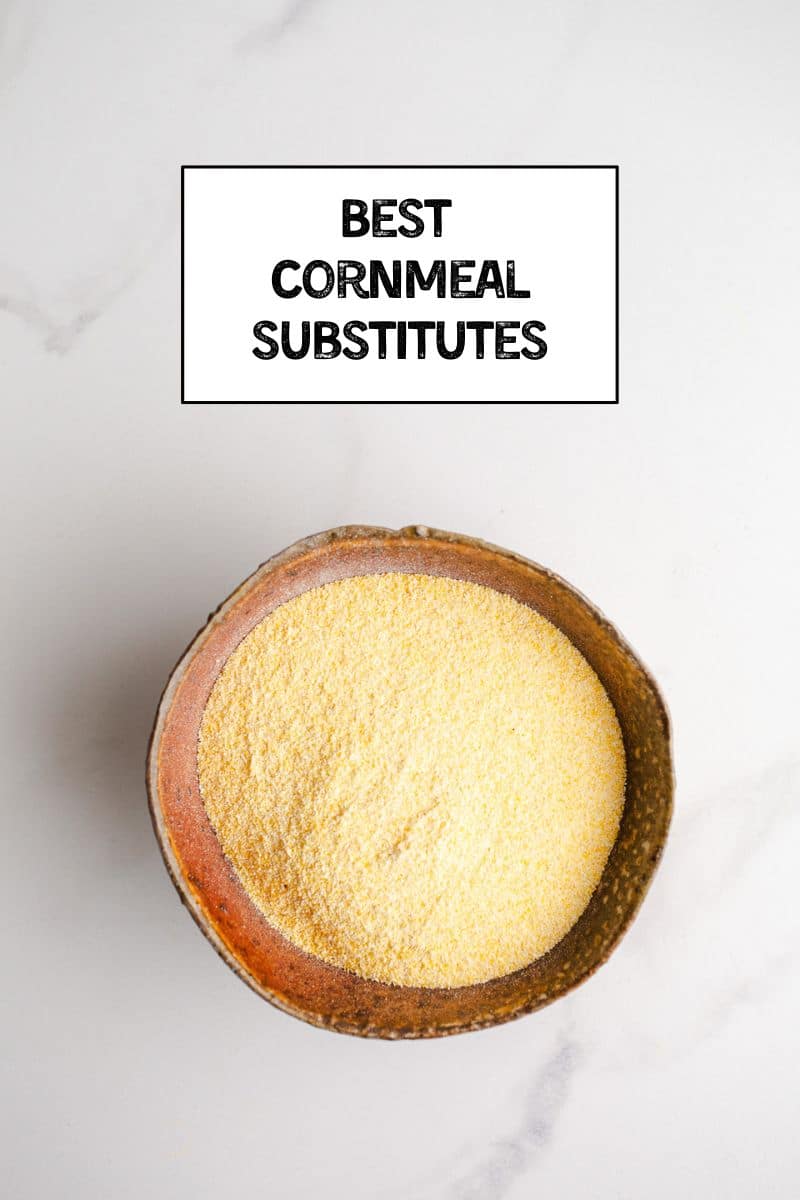 Coarse yellow cornmeal, the most common variety used for cornbread and fried food coatings
Credit: saltedplains.com For home cooks building a safe, organized kitchen to experiment with new corn-based recipes, our no-tool drawer security options let you childproof lower storage drawers in seconds, keeping cornmeal, cornstarch, and other small ingredients out of reach of curious kids and pets.
Coarse yellow cornmeal, the most common variety used for cornbread and fried food coatings
Credit: saltedplains.com For home cooks building a safe, organized kitchen to experiment with new corn-based recipes, our no-tool drawer security options let you childproof lower storage drawers in seconds, keeping cornmeal, cornstarch, and other small ingredients out of reach of curious kids and pets.

I’m Abby Lu, a passionate home cook who loves simplifying everyday meals. At PlugChef.com, I share product reviews and cooking guides to help you find the best tools for your kitchen.
Related posts:
 3 Shelf Hanging Closet Organizer: Maximize Your Space
 Do It Yourself Pantry Organizers: Transform Your Space
 How to Organize a Pantry With Wire Shelves: Expert Tips
 How to Organize Snacks in Pantry: Smart Tips
 Small Walk in Pantry Organization Ideas: Transform Spaces
 7 Steps in Cleaning the Kitchen: Ultimate Guide for a Sparkling Space

