
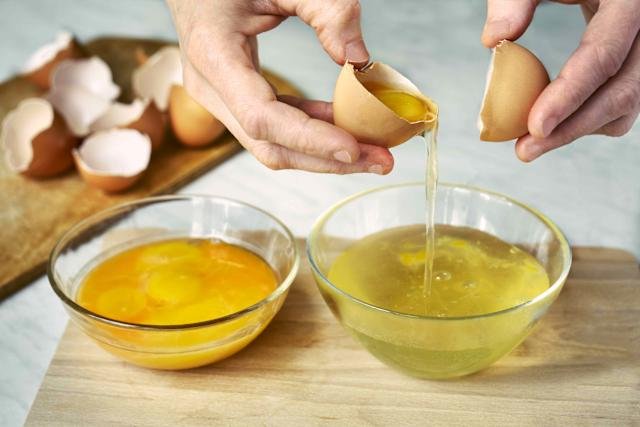
Egg yolks are small but mighty: rich in flavor, emulsifying power, and nutrients. Whether you want silkier sauces, richer baked goods, or a natural beauty boost, yolks are a versatile ingredient worth mastering. This guide covers practical techniques, safety, troubleshooting, creative recipes, and proven DIY beauty uses so you can use every yolk confidently and without waste.
Why yolks matter: culinary and cosmetic functions
- Emulsifier: Yolks contain lecithin, which stabilizes oil-and-water mixtures (mayonnaise, hollandaise).
- Thickener: Proteins coagulate when heated, giving custards and pastry creams their structure.
- Enricher: Fats and flavor compounds add tenderness, color, and mouthfeel in baking and sauces.
- Skincare nutrients: Fat-soluble vitamins and fatty acids in yolks help condition skin and hair when used topically.
In practice: a common mistake is overheating yolks (high heat causes curdling). Work with gentle temperature, steady whisking, and controlled emulsification to avoid grainy results.
Food safety and storage (what you must know)
- Refrigerate promptly: Store eggs and separated yolks in the refrigerator as soon as possible. For authoritative guidance on safe food handling, consult the USDA for general egg storage recommendations and the FDA for food safety basics.
- Short refrigerator life for loose yolks: Place yolks in an airtight container and cover with a small amount of cold water to prevent drying; use within 1–2 days for best quality.
- Use pasteurized eggs (or pasteurize yolks) for recipes that aren’t fully cooked (homemade mayonnaise, some custards, Caesar dressing). If you regularly prepare raw-egg dishes, pasteurized eggs reduce salmonella risk.
- Freezing tip: Yolks thicken when frozen. Beat yolks lightly and add a pinch of salt (for savory future use) or a small amount of sugar (if you’ll make desserts) before freezing in portioned molds. Transfer frozen portions to labelled bags and keep for several months.
Practical safety reminder: when in doubt for immunocompromised people, pregnant people, infants, or older adults, choose cooked or pasteurized egg preparations.
Essential techniques: tempering, emulsifying, and rescuing
- Tempering (for custards/sauces): Gradually add a small streamer of hot liquid to yolks while whisking continuously, then return the yolk mixture to the pan over low heat. This raises yolk temperature slowly and prevents scrambling. In practice, add liquids a little at a time and stop when mixture thickens enough to coat a spoon.
- Emulsifying (mayonnaise/hollandaise): Start by whisking yolk(s) with acid (vinegar or lemon) and a pinch of salt. Add oil or melted butter slowly at first—drop by drop—until a stable emulsion forms, then you can add faster. A blender or immersion blender speeds this up and reduces separation risk.
- Fixing a split sauce: Remove from heat immediately, whisk in a teaspoon of cold water or a small ice cube to cool and rebind, then slowly re-emulsify by whisking in a little more fat. If that fails, strain and start a new yolk base, adding the strained sauce dropwise to the fresh base.
Common troubleshooting: if a custard looks grainy, it was overheated—strain to remove coagulated bits and use it as a base for baking (e.g., pour into a tart shell and bake) rather than serving as-is.
Cooking with yolks: practical recipe-level tips
Below are practical tips (not full recipes) you can apply immediately.
- Hollandaise-style sauces: For a small batch, whisk yolks with lemon/vinegar and a pinch of salt. Melt butter slowly and add in a thin stream while whisking. Keep over very low heat or use a double boiler to avoid curdling. Use fresh yolks for a brighter, silkier sauce.
- Mayonnaise: One yolk mashes into a bowl with acid and then emulsifies roughly 3/4 to 1 cup oil depending on how thick you want the finished mayo. If making by hand, add oil dropwise until an emulsion forms; a blender makes this more foolproof.
- Carbonara: Use beaten yolks combined with grated hard cheese and a splash of hot pasta water to create a glossy coating. Remove the pan from direct heat and toss quickly—residual heat cooks the yolks into a silky sauce without scrambling.
- Custards & crème brûlée: Temper yolks with warmed milk/cream and cook gently until they just thicken; for oven-baked custards, a water bath helps give even, smooth texture.
- Ice cream and frozen desserts: Yolks act as an emulsifier and texturizer, reducing ice crystals and yielding a creamier mouthfeel—ideal for custard-style ice cream bases.
- Enriching dough: Adding extra yolks to pasta or brioche dough increases richness and tenderness and deepens color.
If you need to convert leftover whites and yolks: two egg whites often equal one whole egg in volume for many recipes, but replacing a whole egg with yolks changes fat and moisture balance—test in small batches.

Halved soy-marinated egg showing soft yolk center.
Credit: eatitnoworeatitlater.com
Creative recipes where yolks shine (ideas to try)
- Lemon curd and fruit curds: Yolks provide silkiness and stability—perfect for tart fillings, tartlets, or spreadables.
- Pastry creams and éclairs: Yolks create the luscious custard used to fill tarts, éclairs, and cream puffs—cook gently and cool before piping.
- Rich ice cream bases: Make a custard base, cool completely, and churn for ultra-creamy texture.
- Savory yolk enrichments: Fold a tempered yolk into mashed potatoes, risottos, or cream soups to add gloss and depth. In practice, stir a little off the heat to prevent scrambling.
- Yolks in pickling/marinades: In some cuisines yolks are used in marinades (or to glaze proteins before searing) for color and binding—use sparingly and cook through.
Practical hack: when making single servings of sauces, use one fresh yolk and a blender if you want a fast, stable emulsion without standing over the stove.
Beauty uses — safe DIY masks and hair treatments
Egg yolks are used in home skincare and haircare for conditioning and hydration. Use these treatments occasionally and patch-test first. Avoid applying raw yolks to broken or inflamed skin.
- Moisturizing face mask: Mix one yolk with 1 tsp honey and a few drops of olive oil. Apply for 10–15 minutes and rinse with lukewarm water. In practice, this calms dry patches and leaves skin feeling supple; use weekly.
- Hair-conditioning mask: Whisk two yolks with 1–2 tbsp olive or coconut oil, distribute through damp hair (focus on mid-lengths and ends), leave 15–30 minutes, then shampoo thoroughly with cool water to avoid cooking the yolk in your hair. For best results, follow with a lightweight conditioner.
- Scalp treatment: For a dry scalp, mix a yolk with a teaspoon of jojoba or olive oil and massage gently. Leave 10–20 minutes and shampoo out. Avoid if you have oily or dandruff-prone scalp without consulting a dermatologist.
- Lip/skin balm base: Yolks can be combined with melted shea or cocoa butter to create a rich balm—cool and store in a small jar. Use only on intact skin.
Safety note: If you prefer to avoid any risk of bacteria on skin, use pasteurized yolks or consult a dermatologist before regular use.
:max_bytes(150000):strip_icc()/GettyImages-doubleyolk-e79a4860339f4672bd0fa987597e4cae.jpg)
Close-up of a cracked egg revealing a double yolk.
Credit: www.seriouseats.com
Storage, batch use, and waste-minimizing strategies
- Small-batch planning: If you frequently separate eggs for recipes, plan to use yolks in sauces, custards, or frozen portions within days.
- Freezing best practice: Beat and add a small stabilizer (salt for savory, sugar for sweet) before freezing to reduce gelatinization and make later use straightforward. Thaw overnight in the fridge before use.
- Label and date: Always label yolks you freeze with the date and whether you added salt or sugar so you know their intended use.
- Use-by ideas: If a single recipe calls for whites (e.g., meringue), collect extra yolks for mayonnaise, lemon curd, or custard—this reduces waste and rewards planning.

Assorted dishes that benefit from egg yolk richness.
Credit: www.tasteofhome.com
Troubleshooting quick reference
- Curdled hollandaise or custard: Remove from heat, whisk in a teaspoon of cold water, then rewarm gently; if texture still off, strain and repurpose (baked custard).
- Runny custard: Continue to cook gently—custards often thicken as they cool, but don’t overcook.
- Emulsion separation: Start fresh with 1 yolk, slowly whisking in the separated sauce dropwise until it re-emulsifies.
Frequently asked questions
Can I eat raw egg yolks?
Raw yolks carry a small risk of pathogens; use pasteurized eggs if you’re preparing raw-egg dishes for people at higher risk. See the USDA and FDA for food-safety recommendations. (USDA, FDA)How long can I keep separated yolks in the fridge?
For best quality, store yolks covered with a little water in an airtight container and use within 1–2 days.How do I freeze yolks for later use?
Beat yolks and add a small pinch of salt (savory) or sugar (sweet) before freezing in measured portions; thaw in the refrigerator before use.What’s the best way to avoid curdling when cooking yolks?
Use low, steady heat; temper hot liquids into yolks slowly; remove from direct heat at first signs of thickening and finish with residual heat.
Conclusion — start small, gain skills, reduce waste
Egg yolks are one of the most versatile kitchen and beauty ingredients you already have. Practice tempering and emulsifying on small batches, try one new yolk-based recipe this week (mayonnaise or lemon curd are forgiving starters), and use freezing and storage tips to avoid waste. For safety-sensitive uses—raw dressings, skincare, or feeding vulnerable people—choose pasteurized eggs or fully cook yolk preparations.
Try this: make a small batch of homemade mayonnaise or a single-serving custard tonight to see how yolks transform texture and flavor.
Explore USDA and FDA guidance for any detailed food-safety questions: the official USDA and FDA sites provide up-to-date food-handling recommendations.

Hi, I’m Daniel Brooks—a food lover and kitchen gear enthusiast. I enjoy testing cookware, utensils, and gadgets to see what really works in everyday cooking. At PlugChef.com, I share honest reviews, comparisons, and simple guides to help you choose the best tools for a safer, smarter, and more enjoyable kitchen.
Related posts:
 How to Make a Fruit Basket for a Gift: Easy DIY Guide
 Do You Need a Basket? Essential Guide for Air Fryers
 What Blenders Do Tropical Smoothie Use: Expert Insights
Stainless Steel Vs White Kitchen Appliances: Ultimate Showdown
What Blenders Do Tropical Smoothie Use: Expert Insights
Stainless Steel Vs White Kitchen Appliances: Ultimate Showdown
 Kitchen Appliances for Wedding Registry: Must-Have Essentials
 Top 10 Best Non-Toxic Cooking Utensils – Safe & Durable Choices for Healthy Homes

