
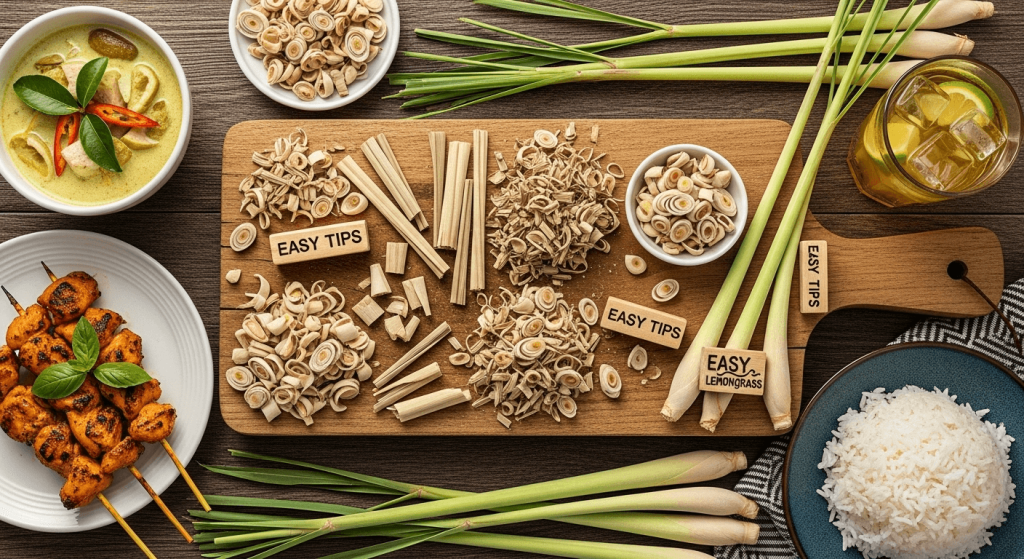
Dry lemongrass is a compact, shelf-stable way to add bright citrus, grassy depth, and floral top notes to soups, curries, teas, marinades, and rice. This guide explains how to choose, rehydrate, measure, cook with, store, and troubleshoot dry lemongrass so you get consistent, delicious results every time.
Why use dry lemongrass (and how it differs from fresh)
Dry lemongrass is the dehydrated form of the fresh stalks and leaves. Drying concentrates aroma but changes texture: the fibrous stalks become brittle or leathery and must be softened or ground before use.
Advantages
- Long shelf life and easy pantry storage.
- Convenient when fresh lemongrass isn’t available.
- Portable for spice blends and tea sachets.
Trade-offs
- Less juicy and slightly different aromatic profile than fresh.
- Needs rehydration or grinding to release oils.
- Dried powder can lose aroma faster once opened.
In practice, dried lemongrass is best when you plan ahead (rehydrate an hour before use) or when you want a powdered ingredient for dry rubs or sauces.
Choosing quality dry lemongrass

Credit: www.thaibynature.com
How to spot good dried lemongrass
- Color: pale green to straw yellow; avoid dark brown or black spots.
- Aroma: a clear lemon-citrus scent when you open the package.
- Texture: dry and flexible (for whole leaves) or even finely shredded; avoid damp or sticky products.
- Packaging: look for vacuum-sealed or airtight packaging with a visible packing/harvest date.
Buying tip: vacuum-sealed pouches and opaque jars protect volatile oils best. If you buy bulk, smell a sample before purchase and transfer to airtight containers at home.
Preparing dry lemongrass for cooking
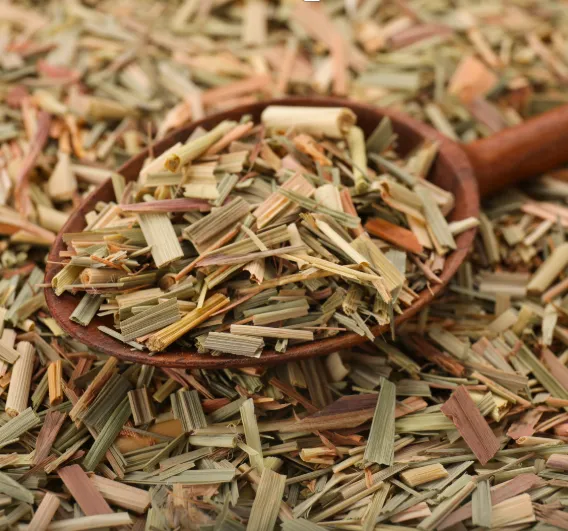
Credit: ceylonspizee.com
Before cooking, convert dry lemongrass into a form that releases aroma and is pleasant to eat: rehydrated strips, a paste, or a fine powder.
Rehydration (best for soups, stews, rice)
- Use warm (not boiling) water and soak 10–20 minutes until flexible.
- For 1 cup dried strips, use about 1½–2 cups warm water.
- Drain and pat dry before chopping, or add the rehydrated pieces directly to broths.
- Practical note: rehydrated stalks can be tied into knots to make them easy to remove after simmering.
Grinding and making paste (good for marinades, sauces)
- Use a small spice grinder for a fine powder, or a mortar and pestle for a coarse paste.
- To make a paste: rehydrate for 10 minutes, then pound with garlic, oil, and salt until coarse.
- Store ground lemongrass in an airtight jar in the fridge for up to a week, or freeze in ice-cube trays for longer storage.
Steeping for tea and infusions
- Add 1 teaspoon dried lemongrass per 8 oz (240 ml) hot water; steep 5–10 minutes, then strain.
- Adjust time for stronger or milder flavor.
(For a practical warm-water soak technique, try a short warm-water soak before chopping.)
Conversions: how much dried equals fresh
A reliable kitchen guideline: dried lemongrass is concentrated, so use less than fresh. A practical conversion to start with:
- 1 tablespoon fresh minced lemongrass ≈ 1 teaspoon dried (about a 3:1 ratio). Start with the smaller amount and taste—dried product strengths vary by brand and age.
Example:
- Recipe calls for 3 tbsp fresh → use 1 tbsp dried (or 3 tsp), rehydrated or powdered, to approximate the same aromatic lift.
Cooking uses and technique-by-technique
Below are clear ways to use dry lemongrass in common preparations, with timing and practical tips.
Soups, broths, and stews
- Add whole rehydrated stalks or tied bundles at the start of a long simmer to infuse the liquid.
- Simmer 20–40 minutes for subtle flavor; remove before serving.
- Tip: bruise or crush pieces to release more oil into the broth without grinding.
Curries and coconut dishes
- Stir powdered or finely minced rehydrated lemongrass into paste bases (garlic, ginger, chilies).
- Simmer gently with coconut milk 10–20 minutes to marry flavors.
Marinades and rubs
- For a 1-lb (450 g) protein: combine 1–2 tsp dried (or 1 tbsp rehydrated paste), 1 tbsp acid (lime or vinegar), 1 tbsp oil, 1–2 tsp soy/fish sauce, and aromatics. Marinate 30 minutes to 4 hours.
- Grinding into a paste with garlic creates deeper infusion in short marinating times. See an example lemony chicken approach in this lemony chicken recipe.
Rice, grains, and pilafs
- Tuck a whole rehydrated stalk or a tied bundle into the rice pot before cooking; remove when done.
- For pilafs, mix 1–2 tsp powdered dried lemongrass into the cooking liquid for a subtle lift (especially with coconut rice).
Tea, syrups, and desserts
- Steep 1 tsp dried per cup for tea, or simmer into simple syrup (1:1 sugar:water) for cocktails and dessert sauces.
- Lemongrass pairs well with ginger, citrus zest, and honey.
Cold infusions and cocktails
- Cold-steep a sachet overnight for a delicate aroma in iced tea or shrubs.
For more ideas on pairing with grains, check this rice pairing reference for inspiration: rice dishes.
Flavor pairings and building balanced dishes
Lemongrass is citrus-forward and floral—use it to brighten or lift richer flavors.
Herbs and aromatics
- Fresh: cilantro, mint, Thai basil.
- Aromatics: ginger, garlic, galangal.
- Spices: turmeric, coriander, mild chilies.
Proteins and vegetables
- Works very well with chicken, fish, shrimp, and tofu.
- Vegetables that marry well: bell peppers, carrots, green beans, mushrooms, zucchini.
In practice, avoid combining lemongrass with ingredients that overpower its top notes (very smoky components, excessive cumin) unless you want a dominant savory profile.
Troubleshooting common issues
Bitter or off flavors
- Cause: over-steeping or boiling violently can extract bitter compounds.
- Fix: simmer gently and remove stalks earlier; reduce quantity if bitterness persists.
- Practical tip: if a broth tastes bitter after long simmer, balance with a bit of acid (lime or rice vinegar) and a touch of sweetener.
Weak or muted flavor
- Cause: old or improperly stored lemongrass.
- Fix: use more (increase by small increments) or grind to a powder to release oils. Freshen ground lemongrass by lightly toasting in a dry skillet for 10–20 seconds before use.
Texture problems (fibrous bits)
- Whole stalk pieces remain fibrous—either remove before serving or chop/strain finely.
Common mistakes
- Using large amounts at the end of cooking (it needs time to infuse).
- Forgetting to rehydrate tougher pieces before chopping.
If you want a short primer on dealing with oily or bitter residues when working with aromatics, see this related kitchen advice on managing oils and residues: oily bitterness.
Storage and shelf life
Store dried lemongrass in airtight containers away from heat, light, and moisture. Good practices:
- Use glass jars with tight lids or vacuum-sealed bags.
- Keep in a cool pantry, not above the stove or near an oven—avoid heat sources for extended freshness (avoid heat sources).
- Label jars with the purchase or packing date.
Shelf-life guidance
- Best aroma and flavor: 6–12 months for whole or shredded dried lemongrass.
- Powdered form loses volatile aroma faster—use within 6 months for peak flavor.
For authoritative food storage and safety information, consult USDA guidance on storage and pantry care: USDA guidance.
Quick recipe: simple dried-lemongrass chicken marinade (try it tonight)
- 1 lb (450 g) boneless chicken thighs or breasts
- 1 tsp dried lemongrass (or 1 tbsp rehydrated paste)
- 2 cloves garlic, minced
- 1 tbsp soy sauce
- 1 tbsp fish sauce (optional)
- 1 tbsp lime juice
- 1 tbsp brown sugar or honey
- 1 tbsp neutral oil
- Pinch chili flakes (optional)
Method
- Rehydrate dried lemongrass for 10 minutes in warm water if using strips; drain and mince or use powdered dried directly.
- Whisk all ingredients together, add chicken, and marinate 30 minutes to 4 hours.
- Grill, pan-sear, or roast chicken until internal temperature reaches 165°F (74°C). Rest 5 minutes, slice, and serve with fresh herbs.
This simple marinade demonstrates how dried lemongrass can deliver fresh citrus notes to proteins with minimal fuss.
FAQs
Q: Can I use dried lemongrass in tea? A: Yes. Use about 1 teaspoon dried per cup, steep 5–10 minutes, then strain. Adjust strength to taste.
Q: How long does dried lemongrass last? A: Stored airtight and away from light, expect best flavor for 6–12 months. Powdered forms lose aroma faster—use within 6 months.
Q: What is the best way to remove lemongrass fibers from broth? A: Tie crushed stalks into a knot or place in a spice sachet/cheesecloth and remove after simmering.
Q: How do I substitute fresh with dried? A: Use about 1 tsp dried for 1 tbsp fresh (≈3:1 fresh:dried ratio). Start small and taste.
Q: Are there food-safety concerns when using rehydrated dried herbs? A: Rehydrate with hot water and use promptly; store any unused rehydrated paste refrigerated and use within a few days. For general food safety practices, consult authoritative sources such as your local extension service or food safety agencies like the University Extension.
Conclusion
Dry lemongrass is a practical, flavorful pantry ingredient when you know how to prepare, measure, and store it. Rehydrate for broths, grind for marinades, or steep for tea—use modest amounts, give it time to infuse, and pair it with ginger, garlic, cilantro, or coconut to highlight its citrusy notes. Try the quick chicken marinade above this week to taste the difference; once you taste lemongrass working for you, it becomes a go-to way to brighten everyday dishes.
Want more recipes and storage tips? Try one adapted with dried lemongrass tonight and note how small adjustments (more steep time, slightly less quantity) change the result.

I’m Abby Lu, a passionate home cook who loves simplifying everyday meals. At PlugChef.com, I share product reviews and cooking guides to help you find the best tools for your kitchen.
Related posts:
 How to Make a Fruit Basket for a Gift: Easy DIY Guide
 Do You Need a Basket? Essential Guide for Air Fryers
 What Blenders Do Tropical Smoothie Use: Expert Insights
Stainless Steel Vs White Kitchen Appliances: Ultimate Showdown
What Blenders Do Tropical Smoothie Use: Expert Insights
Stainless Steel Vs White Kitchen Appliances: Ultimate Showdown
 Kitchen Appliances for Wedding Registry: Must-Have Essentials
 Top 10 Best Non-Toxic Cooking Utensils – Safe & Durable Choices for Healthy Homes

