
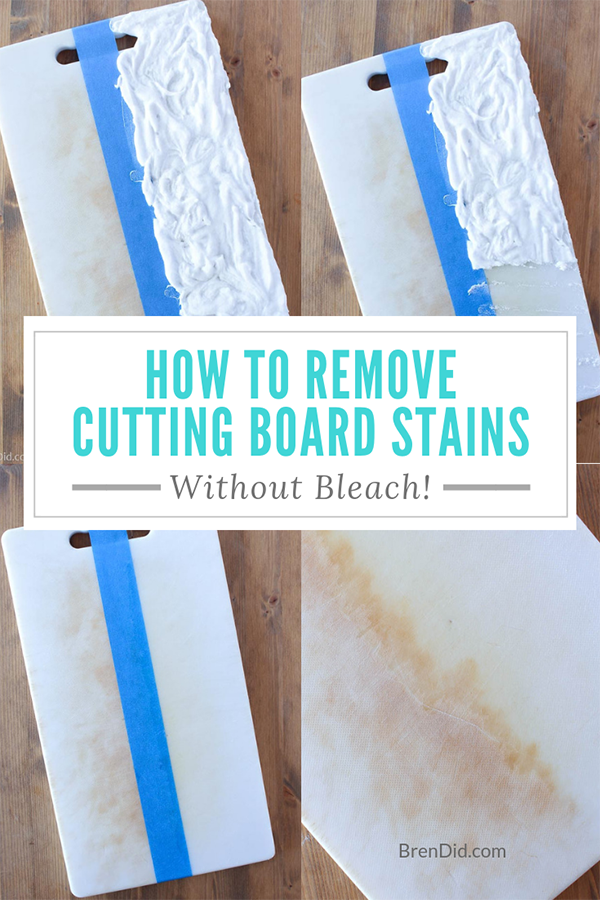
A stained cutting board is annoying and can be unsafe if bacteria hide in grooves. This guide gives clear, practical, material-specific methods to remove stains, sanitize safely, restore wood, and know when to replace a board. Follow the step-by-step methods, learn common mistakes to avoid, and use the quick-reference table for fast decisions.
Why the board material matters
Different materials react differently to cleaners, heat and abrasion. Choosing the right method prevents damage and keeps the surface food-safe.
- Wood (end-grain, edge-grain): porous, repairs well with sanding, should never be soaked or put in a dishwasher. Best fixed by mechanical removal (sanding) plus oiling.
- Bamboo: denser than softwoods but still sensitive to long water exposure; treat like wood for cleaning and conditioning.
- Plastic (HDPE, polypropylene): non‑porous and dishwasher‑safe if labeled, tolerates short bleach sanitizing but develops grooves that trap debris.
- Glass/ceramic/tempered: non‑porous and stain‑resistant; safe with most cleaners but will dull knives.
- Composite/resin: manufacturer care varies; follow label directions.
In practice, a common mistake is using a single “one‑size” method (for example, soaking a wooden board in bleach) across all materials. That can warp or crack wood. When unsure, test on an inconspicuous corner.
Safety first: cleaning vs sanitizing
Cleaning removes visible soil; sanitizing reduces pathogens. Both matter—especially after raw meat, poultry or seafood.
- Clean first with hot water and dish soap to remove food particles.
- Sanitize after cleaning when you handled raw animal products or if cross‑contamination is possible.
For authoritative food‑safety principles consult the USDA’s guidance on kitchen safety and hygiene and practical wood‑care tips from university extension services such as the University of Minnesota Extension. Use unscented household bleach (5–6%) sparingly: a common household sanitizing dilution is about 1 tablespoon of bleach per gallon of water, applied briefly, then rinsed. Never mix bleach with vinegar or hydrogen peroxide—hazardous gases form.
Practical tip: after any chemical treatment always rinse and dry the board completely, then store it standing upright so both sides dry evenly.
How to remove stains — step‑by‑step by stain type
Always test any cleaner on a hidden corner first. Work in a well‑ventilated area when using chemicals.
A. Fruit and vegetable pigments (tomato, beet, turmeric)
Wood / bamboo — lemon + salt
- Sprinkle coarse kosher salt over the stain.
- Rub with the cut side of a lemon in circular strokes for 2–5 minutes.
- Let sit 5–10 minutes, then wipe and rinse with warm water. Dry upright.
- If pigment persists, repeat once. For deep set stains, lightly sand (120 → 180–220 grit), wipe dust, then oil.
Plastic
- Make a paste of baking soda and water; scrub with a stiff brush. Rinse.
- For stubborn yellowing (turmeric), apply 3% hydrogen peroxide for 2–5 minutes, then rinse.
Notes: turmeric stains faster than other pigments—clean immediately when possible. Lemon also deodorizes.
 Scrubbing a wooden board with lemon and coarse salt to lift stains.
Credit: www.thekitchn.com
B. Oil, grease, and sticky residues
All materials
- Apply concentrated dish soap directly and scrub with hot water and a stiff brush.
- Rinse and repeat until residue lifts.
Wood / bamboo
- Do NOT soak. For oil absorbed into wood: sprinkle baking soda, let sit 10–15 minutes to absorb oil, then brush and wipe.
- If oil remains, sand lightly and re‑oil.
Plastic
- Hot dish soap + scrubbing usually removes grease. For persistent oil in grooves, consider a diluted bleach soak (short duration) or replace the board if grooves are deep.
Tip: Do not use vegetable oil to “season” wood—use food‑grade mineral oil or a certified board conditioner to avoid rancidity.
C. Tannins (coffee, tea, red wine)
Wood and plastic
- Apply 3% hydrogen peroxide to the stain (pour or use a cloth). Let sit 5–10 minutes, then wipe and rinse.
- On wood, test first—peroxide can lighten wood color. If needed, sand lightly and re‑oil.
D. Mold, mildew, and persistent odors
Visible mold
- Scrape surface mold with a plastic scraper.
- Wash with hot, soapy water and dry immediately.
If mold persists on wood, you may briefly sanitize with a dilute bleach solution (1 tablespoon bleach per gallon), rinse thoroughly and dry completely. For plastic, a short soak in the same diluted bleach solution will remove spores; rinse well.
Practical note: a musty smell usually means trapped moisture—dry and store upright. Enzyme cleaners help persistent organic odors by breaking down proteins and fats.
E. Old, deep or set‑in stains (repairing wood)
Butcher block or end‑grain wood
- Sand: begin with 120 grit to remove surface stains and grooves, finish 180–220 grit for smoothness.
- Remove sanding dust with a vacuum and a damp cloth; allow to dry.
- Apply food‑grade mineral oil; follow with a beeswax/mineral oil conditioner if desired.
Plastic
- Deeply scored plastic boards that retain stains and bacteria often need replacement; grooves can hide contaminants even after cleaning.
In practice, regular light sanding restores wood boards and extends life; severe damage or persistent odors after sanding indicate replacement.
Commercial products and which to choose
- Enzyme cleaners: effective on organic residues and odors (protease/lipase activity). Use as directed and rinse.
- Oxygen‑based cleaners (sodium percarbonate, “oxygen bleach”): safer whitening on plastics and some wood surfaces if used per label.
- EPA‑registered disinfectants: appropriate when stronger disinfection is needed—follow label instructions about contact time and rinsing.
Avoid harsh solvents on plastics and abrasive powders on wood; abrasives enlarge grooves and trap bacteria.
Quick reference: best methods by material (at-a-glance)
| Material | First choice for stains | For stubborn stains | Avoid |
|---|---|---|---|
| Wood / Bamboo | Lemon + salt; baking soda scrub | Light sanding; spot peroxide (test first) | Soaking, dishwasher, vegetable oils |
| Plastic | Baking soda paste; hot soapy scrub | 3% peroxide; short diluted bleach soak | Strong abrasives that scratch |
| Glass / Ceramic | Vinegar or all‑purpose cleaner | Baking soda paste | Sharp impact or heavy chipping |
| Composite / Resin | Manufacturer directions; enzyme cleaners | Oxygen bleach per label | High heat unless rated |
When to replace a cutting board
Replace if any of these apply:
- Deep grooves or cracks that can’t be sanded out (knife cuts > ~3 mm).
- Persistent discoloration or odors after cleaning and sanitizing.
- Warping or splitting that makes the board unstable.
- For plastic used with raw meat: grooves that retain bacteria after cleaning.
Replacing a compromised board is a food‑safety decision—not just cosmetic.
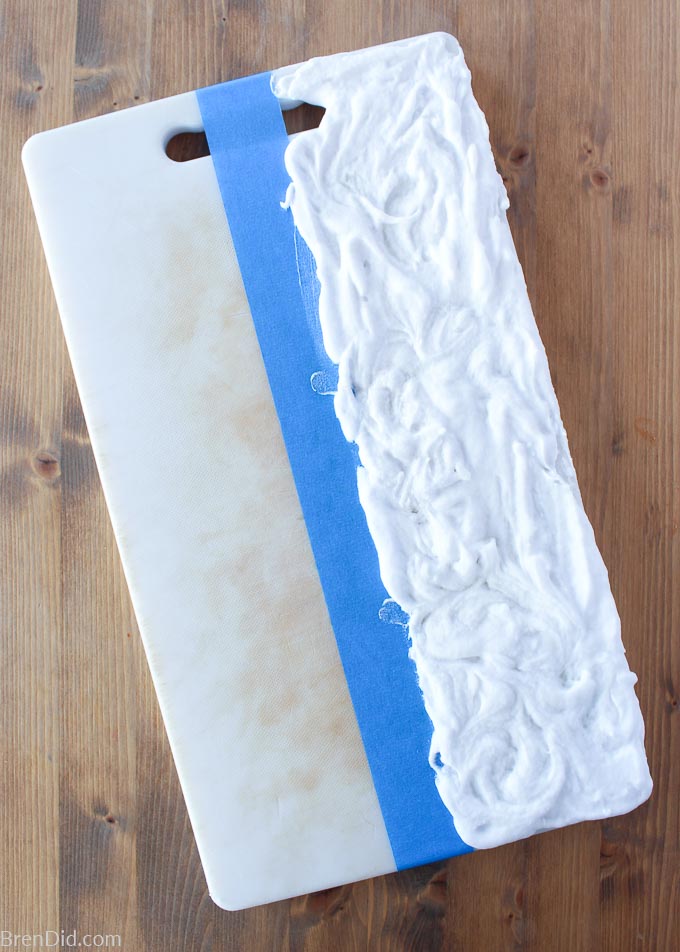 Plastic board showing deep grooves that trap stains and bacteria.
Credit: brendid.com
 Butcher block with knife marks; sanding may restore surface.
Credit: southgeorgiastyle.com
Common mistakes (and how to avoid them)
- Using the dishwasher for wood: heat and detergent dry and crack wood—air‑dry upright instead.
- Applying vegetable oil for seasoning: it becomes rancid—use food‑grade mineral oil.
- Overusing bleach on wood: dries and weakens fibers—reserve bleach for short sanitizing on non‑porous surfaces and rinse thoroughly.
- Skipping sanding when needed: sanding removes embedded stains and bacteria from wood; delaying it shortens board life.
Maintenance schedule — simple routine that works
- After each use: wash with hot, soapy water; rinse and dry upright.
- Weekly: sanitize if you handled raw meat or noticed heavy use.
- Monthly: inspect and apply a thin coat of food‑grade mineral oil to wood boards; use a conditioner (mineral oil + beeswax) every 2–3 months if desired.
- Yearly (or as needed): sand and fully restore heavily used butcher blocks.
Set a recurring monthly reminder to oil a wood board—this small habit preserves surface integrity and resists stains.
FAQ
Q: Can I use bleach on a wooden cutting board?
A: Only briefly and sparingly, then rinse and dry thoroughly. Prefer mechanical cleaning (sanding) and use 3% hydrogen peroxide for spot whitening when possible.
Q: How do I remove turmeric stains from plastic?
A: Scrub immediately with a baking soda paste. If yellowing persists, apply 3% hydrogen peroxide for a few minutes and rinse. For very stubborn marks, a short diluted bleach soak may help—always rinse after.
Q: Is it safe to sand a butcher block myself?
A: Yes. Use progressive grits (start ~120, finish 180–220), remove dust completely, then oil. Do sanding outdoors or with ventilation and wipe dust before oiling.
Q: What oil should I use on my cutting board?
A: Food‑grade mineral oil is the safest long‑term choice. Commercial board conditioners with mineral oil and beeswax add water resistance.
Q: How often should I sanitize my cutting board?
A: Sanitize after preparing raw meat, poultry, or fish. For general use, cleaning after each use is usually sufficient; sanitize weekly if the board sees heavy use.
Closing: restore, protect, and act
Matching the cleaning method to your board’s material and the stain type makes stain removal straightforward: start with mild mechanical methods (lemon + salt, baking soda), escalate to peroxide or short bleach treatments on non‑porous surfaces, and use sanding to renew wood. Keep boards dry, oil wood regularly, and replace any board with deep, unrepairable grooves or persistent odors.
Try the lemon + salt test on a hidden corner now—you’ll often see immediate improvement. For practical food‑safety principles and more in‑depth guidance, the USDA and university extension services are reliable resources to consult during heavy‑use or commercial food preparation.

I’m Abby Lu, a passionate home cook who loves simplifying everyday meals. At PlugChef.com, I share product reviews and cooking guides to help you find the best tools for your kitchen.
Related posts:
 How to Make a Fruit Basket for a Gift: Easy DIY Guide
 Do You Need a Basket? Essential Guide for Air Fryers
 How to Choose Kitchen Appliances: Expert Tips Revealed
 Kitchen Cabinets With Black Stainless Steel Appliances: Modern Elegance
 White Kitchen Cabinets Stainless Steel Appliances: Timeless Elegance
 Top 10 Best Non-Toxic Cooking Utensils – Safe & Durable Choices for Healthy Homes

